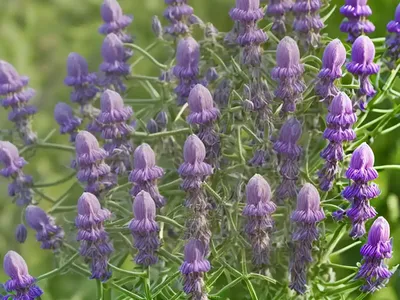
Shame Plant (Mimosa Pudica)
The plant world is filled with incredible diversity, and among the most captivating species is the Shame Plant, scientifically known as Mimosa pudica. This.
The plant world is filled with incredible diversity, and among the most captivating species is the Shame Plant, scientifically known as Mimosa pudica. This unique plant has captivated the interest of botanists, gardeners, and nature enthusiasts alike due to its intriguing characteristics and cultural significance. In this extensive guide, we will delve into the fascinating world of the Shame Plant, exploring its cultural uses, maintenance requirements, propagation methods, common diseases and pests, and much more.
What is the Shame Plant (Mimosa pudica)?
The Shame Plant, also known by various other names such as Sensitive Plant, Touch-me-not, Bashful Plant, and Sleeping Grass, belongs to the Fabaceae family. It is native to South and Central America but has also become naturalized in many tropical and subtropical regions around the world.
The most distinctive feature of the Shame Plant is its unique response to touch. When touched or exposed to physical movement, the plant’s leaves promptly close and droop, resembling a shy or sensitive response. This fascinating trait has contributed to the plant’s widespread popularity and has made it a subject of numerous experiments and cultural folklore.
Key Takeaways – Shame Plant (Mimosa pudica)
Before delving into the details of caring for the Shame Plant, let’s have a quick look at the key takeaways associated with this remarkable plant:
- Cultural Uses: The Shame Plant holds cultural significance in various traditions and has been associated with symbolic meanings in different cultures.
- Water: Proper watering is crucial for the health of the Shame Plant, as it prefers a moist environment but is susceptible to overwatering.
- Sunlight: While it thrives in bright, indirect light, the plant can also tolerate partial shade.
- Fertilizer: Moderate fertilization during the growing season promotes healthy growth.
- Soil: Well-draining, nutrient-rich soil is essential for the Shame Plant’s optimal growth.
- Pruning: Occasional pruning helps maintain the plant’s shape and size.
- Propagation: The Shame Plant can be propagated through seeds and cuttings.
- Container: It is popular as a potted plant, especially due to its distinctive touch-sensitive characteristic.
With these key points in mind, let’s explore the specific care requirements and interesting aspects of this unique plant in detail.
Culture
Cultural Significance and Symbolism
The Shame Plant has been revered in various cultures for its intriguing touch sensitivity. In some traditions, it is associated with concepts of modesty and humility, while in others, it symbolizes shyness and sensitivity. The plant’s behavioral response to touch has made it a topic of fascination and curiosity, leading to its inclusion in traditional folklore and spiritual interpretations.
Ecological Role and Invasive Potential
Despite its enchanting nature, the Shame Plant is considered invasive in certain regions outside its native habitat. Its ability to rapidly spread and establish dense populations has raised ecological concerns in some areas, requiring measures to control its proliferation and preserve native plant communities.
Uses
Therapeutic and Medicinal Applications
Beyond its cultural significance, the Shame Plant has been explored for its potential therapeutic uses. In traditional medicine, extracts from the plant have been used to address various health concerns, including digestive issues, skin conditions, and respiratory ailments. Furthermore, ongoing research continues to investigate its potential therapeutic properties, shedding light on its possible applications in modern wellness practices.
Care
Water
Proper watering is essential for maintaining the health and vigor of the Shame Plant. As a general guideline, the plant should be watered when the top inch of the soil feels dry to the touch. However, it’s crucial to avoid overwatering, as excessively moist soil can lead to root rot and other detrimental conditions. On the other hand, prolonged drought can cause the plant to wilt and negatively impact its overall well-being.
Sunlight
The Shame Plant thrives in bright, indirect light, making it an ideal choice for spaces with ample natural illumination. While it flourishes in such conditions, it can also adapt to partial shade, making it a versatile indoor plant option. When grown outdoors, it is best suited for areas with filtered sunlight or partial shade to protect its delicate foliage from harsh sun exposure.
Fertilizer
During the growing season, the Shame Plant benefits from a balanced, water-soluble fertilizer applied at half-strength every 4-6 weeks. This helps provide essential nutrients to support healthy growth and development. However, it’s important to avoid excessive fertilization, as this can lead to fertilizer burn and potentially harm the plant.
Soil
The choice of soil greatly influences the well-being of the Shame Plant. It thrives in well-draining, loose soil with a rich organic content. A combination of peat moss, perlite, and high-quality potting mix provides an ideal growing medium, offering adequate aeration and moisture retention. It’s important to ensure that the soil remains consistently moist but not waterlogged, as excessive moisture can lead to root issues.
Pruning
Periodic pruning is beneficial for managing the size and shape of the Shame Plant. Trimming leggy or overgrown stems helps maintain a compact and attractive appearance. Additionally, removing any damaged or diseased foliage promotes the plant’s overall health and vitality.
Propagation
The Shame Plant can be propagated through seeds and cuttings. When propagating through seeds, it’s important to provide a warm and moist environment to facilitate germination. Cuttings from healthy, mature plants can be used to propagate new individuals, with rooting hormone often applied to expedite the rooting process.
Container Popularity
The Shame Plant’s enchanting touch sensitivity and elegant foliage make it a popular choice for indoor container gardening. Its compact size and intriguing behavior make it an appealing addition to home interiors, providing a captivating display of nature within a confined space.
Common Diseases
Disease Diagnosis
The Shame Plant is susceptible to certain diseases and conditions that can affect its overall well-being. Common issues include fungal infections, root rot due to overwatering, and leaf spot diseases. Regular monitoring of the plant’s foliage and overall condition is crucial for early detection and management of any potential diseases.
Common Pests
In addition to diseases, the Shame Plant may also fall victim to certain pests. Common pests that can affect its health include aphids, spider mites, and mealybugs. Timely intervention and appropriate pest control measures are essential to safeguard the plant from pest infestations.
Botanist’s Tips
To ensure the optimal growth and well-being of the Shame Plant, consider the following botanist’s tips:
- Light Requirements: Provide bright, indirect light for the plant, ensuring that it receives adequate illumination without exposure to direct sun rays.
- Balanced Watering: Maintain a consistent watering schedule, allowing the soil to partially dry out between waterings to prevent waterlogging.
- Disease Management: Regularly inspect the plant for signs of diseases and pests, addressing any issues promptly to prevent their escalation.
- Appropriate Container Size: Select a container of suitable size to accommodate the plant’s roots comfortably while allowing for adequate drainage.
Fun Facts
- The Shame Plant’s touch sensitivity is an adaptive response that helps deter herbivores and protect the plant from potential damage.
- The plant’s leaves and stems exhibit rapid and synchronized movements in response to touch, creating a captivating sight for observers.
- In addition to its intriguing behavior, the Shame Plant’s delicate pink-purple flower clusters add to its ornamental allure, making it a favorite among plant enthusiasts.
Links to External Resources
For further information and resources on the Shame Plant (Mimosa pudica), consider exploring the following links:
- Mimosa Pudica: A Comprehensive Guide
- Touch-sensitive Plant: The Shame Plant
- Cultural Significance of the Sensitive Plant
- Mimosa Pudica in Traditional Medicine
In conclusion, the Shame Plant (Mimosa pudica) stands out as an extraordinary botanical marvel, captivating enthusiasts with its unique touch sensitivity and ornamental appeal. By understanding and embracing its care requirements and cultural significance, we can appreciate the captivating world of this remarkable plant. Whether as a cultural symbol, a therapeutic resource, or a captivating ornamental addition, the Shame Plant continues to inspire wonder and fascination across diverse domains of human interest and botanical exploration.
Remember to always respect and abide by regulations concerning the introduction and cultivation of plant species in your region to prevent the risk of any unintended ecological impacts.