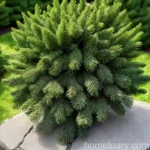
Serbian Spruce (Picea omorika): An In-Depth Guide to Care and Cultivation
Welcome to our comprehensive guide on the Serbian spruce, scientifically known as Picea omorika. This coniferous tree species is native to the Balkan Peninsula, particularly in Serbia and Bosnia, where it graces the landscapes with its elegant form and striking foliage. In this extensive article, we delve into the characteristics, cultural preferences, uses, and care requirements of the Serbian spruce. Whether you’re a passionate gardener, a landscaping professional, or simply an enthusiast of tree species, this guide will equip you with valuable insights into the Serbian spruce, helping you nurture and appreciate this magnificent tree.

What is the Serbian Spruce (Picea omorika)?
The Serbian spruce, or Picea omorika, is a species of spruce tree primarily found in the mountainous regions of Serbia and Bosnia. This elegant evergreen is celebrated for its slender, conical form, which makes it a coveted choice for ornamental and landscaping purposes. With its dark green needles, and distinctive silver-white underside, the Serbian spruce adds a touch of sophistication to any environment. Its adaptability to various climatic conditions and its low maintenance requirements further enhance its appeal to gardeners and landscapers around the world.
Key Takeaways – Serbian Spruce (Picea omorika)
Before we delve into the details of the Serbian spruce, let’s kick off by summarizing the critical takeaways about this remarkable tree.
Culture
- The Serbian spruce is a cold-tolerant evergreen conifer that thrives in cooler climates.
- It is well-adapted to mountainous regions, where it benefits from well-drained soils and ample moisture.
Uses
- Its ornamental value makes it an ideal choice for landscaping and gardens.
- The Serbian spruce is also utilized for timber and wood products due to its high-quality, durable wood.
Water
- Consistent moisture is essential for the Serbian spruce’s growth, particularly during its establishment phase.
Sunlight
- Preferring partial shade to full sun, this species thrives in well-lit environments with some protection from harsh, direct sunlight.
Fertilizer
- A balanced fertilizer regimen during the growing season can promote healthy growth and vigor.
Soil
- Well-draining, acidic soils are optimal for the Serbian spruce, mirroring its native mountainous habitats.
Pruning
- Minimal pruning is necessary for the Serbian spruce, with an emphasis on removing dead or diseased branches.
Propagation
- The Serbian spruce can be propagated from seeds or through vegetative methods such as cuttings.
Container Popularity
- Due to its attractive appearance and manageable size, the Serbian spruce is well-suited for container growth.
Common Diseases
- The tree is susceptible to certain fungal diseases, especially if grown in poorly ventilated and excessively wet conditions.
Disease Diagnosis
- Several diagnostic signs, such as discoloration or wilting of foliage, can indicate potential disease issues in the Serbian spruce.
Common Pests
- Aphids and spider mites are among the common pests that may affect the Serbian spruce.
Botanist’s Tips
- Understanding the precise climatic and soil requirements of the Serbian spruce is crucial for successful cultivation.
- Regular monitoring for pests and diseases is advisable to maintain the tree’s health and vitality.
Fun Facts
- The Serbian spruce is often referred to as a “living fossil,” pointing to its ancient lineage and unique evolutionary history.
Links to External Resources
Before delving into the detailed exploration of the Serbian spruce, I encourage you to peruse the following external resources for additional insights:
Now, let’s embark on a comprehensive journey into the world of the Serbian spruce, from its cultural preferences to its role in landscaping and natural ecosystems.
Plant Name: “Serbian Spruce (Picea omorika)”
Serbian Spruce Tree
The Serbian spruce, classified under the scientific name Picea omorika, is a captivating evergreen conifer known for its slender form and striking foliage. This species belongs to the Pinaceae family and is native to the Balkan Peninsula, where it thrives in the cool, mountainous climates of Serbia and Bosnia.
Serbian Spruce Facts
Here are some fascinating facts about the Serbian spruce:
- The Serbian spruce was first formally described by the botanist Josif Pančić in 1875, who encountered the species in western Serbia.
- With its elegant growth habit and distinct foliage, the Serbian spruce is highly valued as an ornamental tree in gardens and landscaping projects.
Characteristics of Serbian Spruce
Let’s delve into the defining characteristics of the Serbian spruce:
- Foliage: The Serbian spruce boasts flattened, needle-like leaves that exhibit a glossy dark green color on their upper surface, contrasting beautifully with a silvery white underside. These needle-like leaves are arranged spirally on the branches, creating a lush and vibrant canopy.
- Bark: The bark of the Serbian spruce is generally smooth and gray-brown, with subtle ridges that become more pronounced as the tree matures.
- Cones: As with many coniferous species, the Serbian spruce produces small, cylindrical cones that emerge upright on the branches. These cones add ornamental value and contribute to the tree’s overall allure.
Serbian Spruce Care
Now, let’s explore the care requirements essential for nurturing healthy and vigorous Serbian spruce trees.
Planting Serbian Spruce
When considering the planting and establishment of Serbian spruce trees, several key factors should be taken into account:
- Location: Select a planting site with partial shade to full sun exposure. Ensure that the location provides protection from intense, direct sunlight, especially in regions with hot summers.
- Soil: Opt for well-drained, acidic soils, mimicking the tree’s native mountainous habitats. It’s essential to avoid waterlogged or excessively alkaline soils, as these can inhibit the tree’s growth. Conduct a soil test to gauge the pH levels and make necessary amendments.
- Spacing: Allow ample space between individual Serbian spruce trees to accommodate their mature spread. Proper spacing promotes good air circulation and prevents overcrowding as the trees grow.
Serbian Spruce Species
The Serbian spruce is a unique species with several distinct cultivars, each offering its own set of characteristics and aesthetic appeal. Some popular Serbian spruce cultivars include:
- Picea omorika “Nana”: This compact cultivar is prized for its diminutive size and graceful, spreading form, making it well-suited for smaller gardens and landscape arrangements.
- Picea omorika “Pendula”: With its weeping growth habit and cascading branches, this cultivar adds an enchanting and picturesque element to garden settings.
Serbian Spruce Growth Rate
The Serbian spruce demonstrates a moderate growth rate, typically adding around 12 inches of height per year under optimal growing conditions. While it may not achieve the rapid growth of certain deciduous species, the Serbian spruce’s steady growth ensures that it remains manageable and well-proportioned over time.
Serbian Spruce Size
In its natural habitat, the Serbian spruce can attain heights of up to 60 to 90 feet, with a spread of 20 to 30 feet at maturity. However, within garden settings and urban landscapes, Serbian spruce trees are often more modest in size, offering a refined and stately presence without overshadowing their surroundings.
Serbian Spruce Maintenance
The maintenance of Serbian spruce trees primarily focuses on safeguarding their vitality and aesthetic appeal. Here are some key elements of Serbian spruce maintenance:
Serbian Spruce Landscape
When integrating Serbian spruce trees into landscape designs, consider their distinctive features and growth habits. Their slender, upright form adds vertical interest to garden compositions, serving as effective focal points and accentuating the overall visual appeal.

Serbian Spruce Planting Tips
To ensure successful establishment and long-term health, adhere to the following planting tips:
- Site Preparation: Before planting, prepare the soil by loosening it to a depth of at least 12 inches. Clear away any debris and amend the soil as necessary to optimize its drainage and acidity.
- Watering: Provide ample water during the initial establishment phase, ensuring that the root ball remains consistently moist but not waterlogged.
- Mulching: Apply a layer of organic mulch around the base of the tree to conserve soil moisture, inhibit weed growth, and insulate the roots. Mulching also contributes to the nutrient content of the soil as it decomposes.
Serbian Spruce Soil Requirements
The Serbian spruce exhibits a preference for well-drained, acidic soils, mirroring the conditions of its native habitats in the rugged mountains of the Balkans. Here are some essential considerations regarding soil requirements:
- Acidic pH: The optimal soil pH for Serbian spruce cultivation ranges between 4.5 and 6.0. In soils with higher pH levels, consider incorporating acidic amendments such as elemental sulfur or organic matter to create a suitable growing environment.
Serbian Spruce Light Requirements
As a general guideline, Serbian spruce trees thrive in partial shade to full sun conditions. Their preference for partial shade makes them well-suited for locations that offer protection from intense afternoon sun, especially in warmer climates. By providing adequate light, you can ensure the robust growth and development of Serbian spruce trees.
Serbian Spruce Water Requirements
The Serbian spruce benefits from consistent moisture, particularly during the initial establishment phase. Proper watering practices contribute to the tree’s health and vigor, preventing stress and dehydration. Here are some key considerations concerning water requirements:
- Watering Frequency: Adequate watering is crucial, especially during dry periods. Monitor soil moisture levels and adjust watering frequency accordingly to maintain consistent moisture without waterlogging the roots.
- Root Zone Irrigation: Direct irrigation to the root zone, ensuring that the water penetrates deeply to encourage the development of a well-established root system.
Serbian Spruce Climate Suitability
Given its native distribution across the mountainous regions of the Balkans, the Serbian spruce is well-adapted to cool, temperate climates. It thrives in regions characterized by mild summers and cold winters, demonstrating a remarkable resilience to challenging climate conditions. When considering the potential suitability of the Serbian spruce for cultivation, assess the prevailing climate and its compatibility with the tree’s requirements.
Serbian Spruce Winter Hardiness
One of the notable attributes of the Serbian spruce is its exceptional winter hardiness. This species exhibits remarkable tolerance to cold temperatures, standing up to harsh winter conditions without compromising its health and vitality. Its capacity to thrive in cold climates makes it an invaluable choice for landscapes and gardens in regions with prolonged winter seasons.
Serbian Spruce Autumn Color
During the autumn season, the Serbian spruce adds a touch of seasonal charm with its vibrant foliage. The needles of this evergreen conifer transition to a rich, golden hue during the fall, imparting visual interest and diversity to the landscape.
Serbian Spruce Bark
The bark of the Serbian spruce features an appealing textural quality, characterized by a smooth, gray-brown surface that develops subtle furrows and ridges as the tree matures. This muted, earthy bark texture contributes to the tree’s overall visual appeal, especially when contrasted with its dark green foliage.
Serbian Spruce Foliage
The foliage of the Serbian spruce is undoubtedly one of its most distinguished attributes. The glossy, dark green needles are arranged in a distinctive spiral pattern along the branches, creating a dense and visually striking canopy. The contrasting silver-white underside of the needles adds further allure to the tree, accentuating its elegance and charm.
Serbian Spruce Cones
As with many coniferous species, the Serbian spruce produces small, cylindrical cones that adorn its branches. These cones are typically upright in orientation and contribute to the tree’s reproductive cycle. While they may not be a prominent focal point, the cones of the Serbian spruce add a subtle and naturalistic element to its overall aesthetic.
Serbian Spruce Growth Habit
The growth habit of the Serbian spruce is characterized by its slender, conical form, which imparts an air of sophistication and grace to the tree. It tends to maintain a relatively narrow profile, making it a suitable choice for compact garden spaces and urban landscapes without sacrificing its visual impact.
Serbian Spruce Uses
The Serbian spruce is valued for an array of practical and aesthetic uses, extending from ornamental landscaping to timber production. Here are some primary uses of the Serbian spruce:
Serbian Spruce Timber
The high-quality wood of the Serbian spruce is utilized in various woodworking applications, including construction, furniture making, and cabinetry. The wood exhibits desirable attributes such as durability, resistance to decay, and a fine, even grain, making it a favored material for woodworking projects.
Serbian Spruce Medicinal Properties
In traditional medicine, certain components of the Serbian spruce, such as its resin and essential oils, have been utilized for their purported medicinal properties. These properties include anti-inflammatory and analgesic effects, contributing to the historical significance of the tree in folk medicine practices.
Serbian Spruce Essential Oil
The essential oil extracted from the needles of the Serbian spruce possesses a delightful aroma and is valued in aromatherapy and fragrancing applications. Its invigorating and refreshing scent makes it a popular choice for aromatherapy blends and natural perfumery.
Serbian Spruce Landscaping Ideas
When incorporating Serbian spruce trees into landscaping designs, consider the following ideas to maximize their visual impact and aesthetic appeal:
- Focal Point: Position a Serbian spruce tree as a focal point in the garden or landscape, accentuating its graceful form and distinct foliage.
- Screening: Utilize the dense foliage of the Serbian spruce to create effective visual screening and privacy barriers within the landscape.
- Compositional Balance: Integrate the Serbian spruce with complementary plantings to achieve a balanced and harmonious visual composition, taking into account its growth habits and seasonal characteristics.
Serbian Spruce Wind Resistance
The Serbian spruce exhibits commendable wind resistance, making it suitable for planting in exposed locations and regions prone to strong winds. Its flexible branches and resilient foliage enable it to withstand windy conditions without suffering damage or deformation.
Serbian Spruce Shade Tolerance
While the Serbian spruce prefers partial shade to full sun, it also demonstrates a degree of shade tolerance. This attribute makes it adaptable to diverse garden settings, accommodating locations with varying light conditions and exposures.
Serbian Spruce Wildlife Attraction
The presence of Serbian spruce trees can attract and support various forms of wildlife, contributing to the biodiversity and ecological value of garden and natural landscapes. Birds, small mammals, and beneficial insects may seek shelter and forage among the branches, enriching the local ecosystem.
Serbian Spruce Urban Planting
The compact size and refined appearance of the Serbian spruce render it well-suited for urban planting and landscaping applications. Its adaptability to container growth further enhances its appeal in urban environments, where space may be limited.
Serbian Spruce Historical Significance
The Serbian spruce holds historical and cultural significance within its native range, where it has been admired and revered for generations. Its enduring presence in the natural landscapes of the Balkans reflects its intrinsic value and symbolic importance to local traditions and heritage.
Serbian Spruce Coniferous Tree
As a member of the coniferous family, the Serbian spruce embodies the classic characteristics associated with conifer trees, including evergreen foliage, cone production, and distinctive growth habits. Its coniferous nature contributes to its appeal and versatility in landscaping and ornamental settings.
Serbian Spruce Evergreen Tree
An evergreen in the truest sense, the Serbian spruce maintains its vibrant green foliage throughout the year, providing a welcome splash of color and visual interest, especially during the winter months. The evergreen nature of the Serbian spruce ensures that it remains a dynamic and integral presence in the landscape regardless of the season.
Serbian Spruce Cold Tolerance
The Serbian spruce’s remarkable cold tolerance enables it to thrive in regions characterized by harsh winter conditions, including cold temperatures and snowfall. This attribute makes it an invaluable addition to gardens and landscapes in northern climates and mountainous regions.
Serbian Spruce Needle Color
The rich, dark green color of the Serbian spruce’s needles contributes to its overall allure and visual impact. The glossy sheen of the needles enhances their lustrous appearance, providing an enduring source of visual interest in the landscape.
Serbian Spruce Ornamental Tree
Renowned for its ornamental value, the Serbian spruce is widely regarded as an outstanding choice for ornamental tree plantings in gardens, parks, and public spaces. Its distinctive form, vibrant foliage, and enduring visual appeal mark it as an exceptional ornamental specimen.
Serbian Spruce Biodiversity
By virtue of its ecological contributions and capacity to support wildlife, the Serbian spruce enhances the biodiversity of garden and natural landscapes. Its presence fosters a diverse and thriving ecosystem, enriching the overall environmental quality of its surroundings.
Serbian Spruce Native Habitat
The Serbian spruce’s native habitat encompasses the mountainous regions of the Balkans, notably Serbia and Bosnia. It thrives in rugged, montane environments characterized by cool temperatures, ample moisture, and acidic soils, mirroring the challenging yet nurturing conditions of its natural range.
Serbian Spruce Endangered
Historically, the Serbian spruce faced the threat of endangerment due to factors such as habitat loss and exploitation. However, concerted conservation efforts, including protective measures and cultivation initiatives, have helped alleviate the pressures on wild populations, contributing to the tree’s recovery and sustainability.
Serbian Spruce Conservation
Efforts to conserve and safeguard the Serbian spruce have yielded positive outcomes, bolstering the tree’s resilience and ensuring its long-term viability. Conservation initiatives encompass various strategies, including habitat preservation, seed banking, and public awareness campaigns that underscore the ecological and cultural significance of the species.
Serbian Spruce Ecosystem
The presence of Serbian spruce trees within natural ecosystems contributes to the vitality and stability of the surrounding environment. By participating in nutrient cycling, soil stabilization, and wildlife habitat provision, the tree enriches the ecological fabric of its native habitats and cultivated landscapes alike.
Serbian Spruce Foliage Texture
The texture of the Serbian spruce’s foliage is an intriguing blend of visual and tactile qualities, characterized by its glossy, needle-like leaves with a waxy surface. This distinctive foliage texture enhances the sensory appeal of the tree, inviting close examination and interaction with its verdant canopy.
Serbian Spruce Growth Form
The growth form of the Serbian spruce is defined by its upright, conical silhouette, accentuated by the graceful arrangement of branches and foliage. This growth habit endows the tree with an enduring elegance and dignified presence in the landscape, making it a favored choice for aesthetic and structural purposes.
Serbian Spruce Water Retention
The Serbian spruce exhibits a moderate degree of water retention, enabling it to withstand periodic dry spells without