Sensitive Brier (Mimosa Quadrivalvis)
In the world of plants, the sensitive brier (Mimosa quadrivalvis) stands out as a unique and intriguing specimen. Its delicate physical appearance and.
In the world of plants, the sensitive brier (Mimosa quadrivalvis) stands out as a unique and intriguing specimen. Its delicate physical appearance and interesting behaviors have captured the attention of plant enthusiasts and scientists alike. In this comprehensive guide, we will delve into the characteristics, cultivation, uses, and intriguing facts about the sensitive brier. Additionally, we will explore its cultural significance, common diseases and pests, as well as essential tips for its care and maintenance.
Key Takeaways
Before we embark on a detailed exploration of the sensitive brier, let’s highlight some key takeaways:
- Plant Name: Sensitive Brier (Mimosa quadrivalvis)
- Characteristics: Delicate, sensitive leaves that respond to touch or movement, producing rapid leaf folding.
- Cultivation: Sensitive brier thrives in well-draining soil and requires a moderate amount of water and sunlight.
- Uses: Ornamental plant for landscaping, potential medicinal properties, and ecological importance.
- Propagation: Can be propagated from seeds and through division.
- Common Diseases: Susceptible to fungal diseases such as powdery mildew and rust.
- Common Pests: May attract spider mites and aphids.
- Fun Facts: Sensitive brier exhibits thigmonastic movement, a rapid response to touch or external stimuli.
With these key takeaways in mind, let’s delve deeper into the world of sensitive brier, exploring its cultivation, uses, maintenance, and intriguing characteristics.
What is Sensitive Brier (Mimosa quadrivalvis)?
Sensitive brier, scientifically known as Mimosa quadrivalvis, is a perennial flowering plant belonging to the Fabaceae family. It is native to the southeastern United States and is known for its unique foliage and intriguing behavior. The plant is characterized by its sensitive leaves that respond to touch or movement, leading to rapid leaf folding, making it a captivating and interactive addition to gardens and landscapes.
Sensitive Brier Characteristics
To gain a better understanding of the sensitive brier, let’s explore its key characteristics:
- Physical Appearance: The sensitive brier features delicate, pinnately compound leaves that are sensitive to touch. The leaflets are arranged in pairs along the stem, giving the plant a feathery appearance.
- Leaf Movement: The most remarkable characteristic of the sensitive brier is its thigmonastic movement, where the leaflets rapidly fold in response to touch or physical stimuli. This phenomenon is attributed to specialized motor cells within the leaflets, which respond to mechanical stimulation.
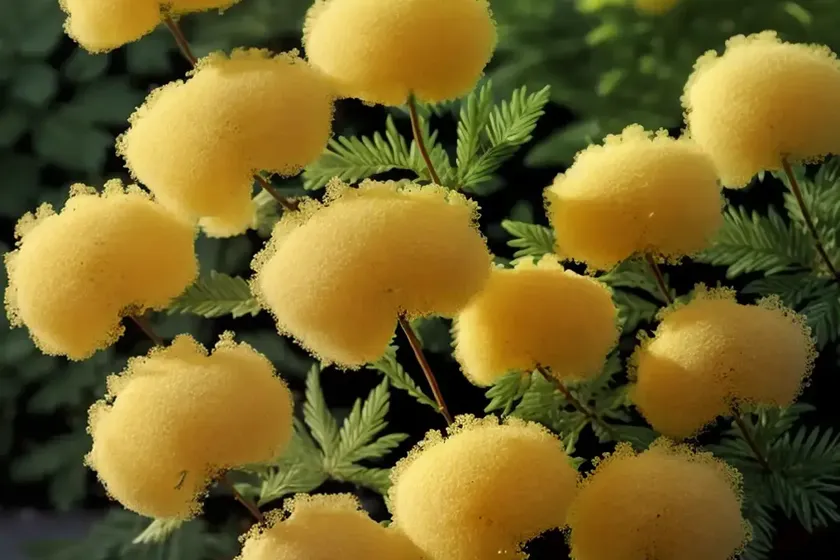
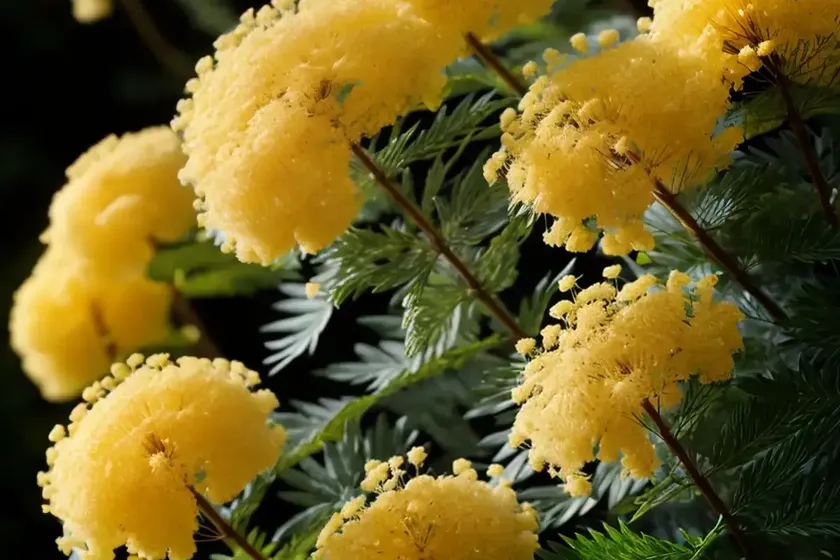
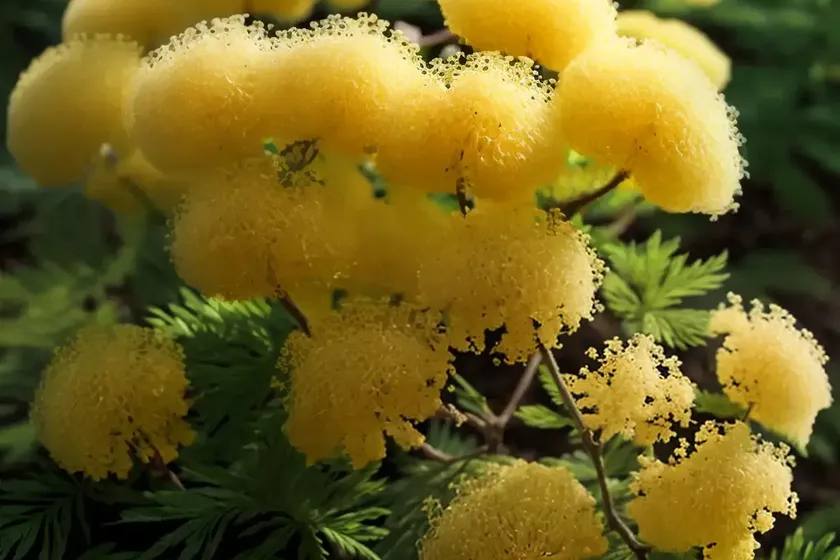
- Flowers: Sensitive brier produces small, spherical, pink or lavender flowers that form clusters on the ends of the branches. These flowers attract pollinators and add to the plant’s ornamental appeal.
- Seed Pods: After flowering, sensitive brier develops elongated seed pods that contain the plant’s seeds. These pods are an important factor in the plant’s propagation.
With its captivating leaf movement and delicate appearance, the sensitive brier has garnered attention from botanists, horticulturists, and nature enthusiasts. Now, let’s delve into the cultivation of the sensitive brier, exploring its requirements for water, sunlight, soil, and fertilizer.
Cultivation
Water
Proper watering is essential for the health and vigor of the sensitive brier. While it is important to provide adequate moisture to the plant, it is equally crucial to avoid waterlogging, as excessively wet conditions can lead to root rot and other issues. Here are some guidelines for watering the sensitive brier:
- Established Plants: Once established, the sensitive brier generally requires moderate watering. It is important to allow the soil to dry out slightly between waterings to prevent waterlogged conditions.
- Young Plants: Newly planted or young sensitive brier plants may require more frequent watering to facilitate root establishment. However, care should be taken to avoid overwatering.
Sunlight
Like many plants, sensitive brier requires an appropriate amount of sunlight to thrive. Adequate sunlight is essential for the plant’s overall growth, flowering, and leaf movement. Here are key considerations for sunlight requirements:
- Full Sun: Sensitive brier thrives in full sun to partial shade. It is recommended to provide the plant with at least 6-8 hours of sunlight per day for optimal growth and leaf movement.
- Shade Tolerance: While the plant prefers full sun, it can tolerate some shade, particularly in hotter climates. However, reduced sunlight may affect the intensity of leaf movement.
Fertilizer
Fertilization plays a crucial role in providing sensitive brier with essential nutrients for growth and development. By understanding the fertilizer needs of the plant, you can support its overall health and vigor. Consider the following when fertilizing the sensitive brier:
- Balanced Fertilizer: Use a balanced, all-purpose fertilizer with a ratio such as 10-10-10 or 20-20-20 to provide the plant with essential nutrients.
- Application Frequency: Apply fertilizer to the sensitive brier in early spring as new growth begins. Follow the manufacturer’s recommendations for application rates, and avoid over-fertilization, which can lead to excessive foliage growth at the expense of flowering.
Soil
Optimal soil conditions are vital for the health and growth of the sensitive brier. The plant thrives in well-draining soil with a loamy or sandy texture. Consider the following soil preferences for the sensitive brier:
- Drainage: Ensure that the soil has good drainage to prevent waterlogging, which can be detrimental to the plant’s root system.
- pH Level: Sensitive brier prefers slightly acidic to neutral soil with a pH range of 6.0 to 7.0. A soil pH test can help you determine the acidity or alkalinity of the soil.
Now that we’ve explored the basic cultivation requirements of the sensitive brier, let’s turn our attention to pruning, propagation, and the plant’s popularity in containers.
Pruning
Proper pruning helps maintain the desired shape, size, and health of the sensitive brier. While the plant exhibits rapid leaf movement, periodic pruning can help manage its growth and overall appearance. Here are some pruning tips for the sensitive brier:
- Deadheading: Remove spent flowers to encourage continuous blooming and prevent the plant from expending energy on seed production.
- Thinning: Periodically thin out overcrowded or crossed branches to improve air circulation and sunlight penetration, which can enhance the plant’s overall health.
Propagation
The sensitive brier can be propagated through several methods, including seeds and division. Propagating the plant offers an opportunity to expand your garden or share it with others. Consider the following propagation methods:
- Seed Propagation: Collect mature seed pods from the plant and extract the seeds. Sow the seeds in a well-draining potting mix and maintain optimal moisture until germination occurs.
- Division: Divide mature, established clumps of the sensitive brier, ensuring that each division has adequate roots and foliage. Replant the divisions in suitable locations with appropriate soil and light conditions.
Container Popularity
The compact and visually captivating nature of the sensitive brier makes it a popular choice for container gardening. Whether you have limited outdoor space or wish to showcase the plant’s unique leaf movement up close, consider these essential tips for growing sensitive brier in containers:
- Container Size: Select a container that provides ample space for the plant’s roots to grow. A depth of at least 10-12 inches can accommodate the plant’s root system.
- Drainage Holes: Ensure that the container has sufficient drainage holes to prevent waterlogging, which can be detrimental to the sensitive brier.
- Potting Mix: Use a well-draining potting mix that provides good aeration and moisture retention. A mixture of peat moss, perlite, and compost can create an ideal growing medium for the plant.
With its unique leaf movement and ornamental appeal, the sensitive brier is a delightful addition to container gardens, patios, and balconies. The plant’s adaptability to container growth has contributed to its popularity among urban and space-conscious gardeners.
Now that we have explored the cultivation, pruning, and propagation of the sensitive brier, let’s turn our attention to its popularity, uses, diseases, and pests.
Popularity
The sensitive brier has gained popularity among gardeners, nature enthusiasts, and educators due to its intriguing leaf movement and ornamental value. Its unique characteristics have made it a sought-after addition to gardens, botanical exhibits, and outdoor learning spaces. Additionally, its adaptability to various growing conditions and its potential ecological benefits have contributed to its increasing popularity.
Common Diseases
Like many plants, the sensitive brier is susceptible to certain diseases, particularly fungal infections. Understanding common diseases and their symptoms is essential for effective disease management. Here are some common diseases that may affect the sensitive brier:
- Powdery Mildew: A fungal disease characterized by the presence of powdery, white patches on the plant’s foliage. It thrives in humid conditions and can affect the overall health of the plant if left unmanaged.
- Rust: Another fungal disease that appears as orange or rust-colored spots on the leaves. Rust can lead to defoliation and impact the plant’s vigor.
Disease Diagnosis
Diagnosing and treating diseases promptly is crucial for preventing the spread of infections and preserving the health of the sensitive brier. Here are essential steps for disease diagnosis and management:
- Visual Inspection: Regularly inspect the plant for any unusual spots, discoloration, or abnormal growth.
- Fungicidal Treatments: When symptoms of fungal diseases are detected, consider applying an appropriate fungicide following the manufacturer’s recommendations. Cultural practices such as adequate spacing and proper air circulation can also help manage fungal diseases.
Common Pests
In addition to diseases, the sensitive brier may attract certain pests that can impact its growth and overall health. Understanding common pests and their control measures is essential for effective pest management. Here are some pests that may affect the sensitive brier:
- Spider Mites: These tiny arachnids can cause stippling and webbing on the plant’s foliage, leading to reduced photosynthesis and overall stress.
- Aphids: Small, soft-bodied insects that can cluster on the plant’s tender growth, sucking sap and potentially transmitting viral diseases.
Diagnosing and managing pest infestations promptly can help prevent significant damage to the sensitive brier. Utilizing integrated pest management strategies, including beneficial insects and horticultural oils, can assist in controlling pest populations.
Botanist’s Tips
As plant enthusiasts and botanists, there are several tips and recommendations that can further enhance the care and appreciation of the sensitive brier. Consider the following botanist’s tips for cultivating and enjoying the plant:
- Introduce the Plant to Children: The sensitive brier’s rapid leaf movement in response to touch can be a fascinating and educational experience for children. Introduce the plant in educational settings to spark curiosity and interest in the natural world.
- Observation and Documentation: Encourage observations of the plant’s leaf movement and growth patterns. Documenting these observations can contribute to citizen science initiatives and promote understanding of plant behavior.
- Companion Planting: Explore companion planting strategies to complement the sensitive brier in garden beds or containers. Plants with contrasting foliage or complementary growth habits can enhance the overall aesthetic appeal of the garden.
By integrating these tips into the care and appreciation of the sensitive brier, enthusiasts and botanists can foster a deeper connection with this unique plant species.
Fun Facts
To further enrich our understanding and appreciation of the sensitive brier, let’s explore some captivating and intriguing fun facts about the plant:
- Thigmonastic Movement: The leaf-folding response of the sensitive brier is known as thigmonastic movement, where the plant’s leaves rapidly fold or close in response to touch or physical stimuli. This unique behavior is an adaptive response to environmental conditions.
- Ecological Significance: Sensitive brier is a valuable plant for pollinators, attracting various bees, butterflies, and other beneficial insects with its nectar-rich flowers. By supporting pollinators, the plant contributes to the ecological balance of its habitat.
- Historical References: The sensitive brier has been referenced in historical and cultural contexts, with its unique leaf movement captivating people throughout history. It has also been used in folklore and traditional herbal medicine practices in some regions.
These fun facts highlight the remarkable nature of the sensitive brier, making it a fascinating subject of study and admiration.
Links to External Resources
To expand your knowledge and appreciation of the sensitive brier, consider exploring the following external resources:
- University of Florida IFAS Extension: Mimosa Quadrivalvis – A comprehensive guide to the cultivation and characteristics of Mimosa quadrivalvis from the University of Florida IFAS Extension.
- Lady Bird Johnson Wildflower Center: Mimosa Quadrivalvis – Detailed information about Mimosa quadrivalvis, including its natural habitat and distribution, from the Lady Bird Johnson Wildflower Center.
In conclusion, the sensitive brier (Mimosa quadrivalvis) stands out as a captivating and unique plant species with its thigmonastic leaf movement and ornamental appeal. By understanding its cultivation, uses, and characteristics, we can deepen our appreciation for this remarkable plant and its ecological importance. Whether grown in gardens, containers, or educational settings, the sensitive brier offers an engaging and enriching experience for plant enthusiasts and nature lovers alike.
Since time immemorial, the sensitive brier has captured the imagination of botanists and gardeners around the world. By understanding its physical characteristics, cultivation requirements, uses, and ecological significance, we can foster a deeper appreciation for this remarkable plant and its contributions to the natural world.
I hope this guide serves as a valuable resource for those seeking to explore the world of the sensitive brier, also known as Mimosa quadrivalvis. May it inspire a greater connection with nature and a newfound appreciation for the unique wonders of the plant kingdom.