Senecio Vitalis (Narrow-Leaf Chalksticks): A Comprehensive Guide
In the realm of succulent plants, Senecio vitalis stands out as an exceptional and popular choice for many plant enthusiasts. Its unique appearance coupled with its low-maintenance nature makes it an attractive addition to both indoor and outdoor settings. In this comprehensive guide, we will delve into the various aspects of growing and caring for Senecio vitalis, also known as Narrow-Leaf Chalksticks. From its cultural requirements to its ecological benefits, this article aims to provide a thorough understanding of this fascinating plant.
What is Senecio Vitalis (Narrow-Leaf Chalksticks)?
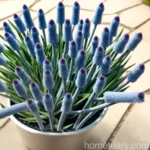
Senecio vitalis is a species of succulent plant characterized by its slender, cylindrical leaves and upright growth habit. Belonging to the Asteraceae family, this plant is native to South Africa and is well-adapted to arid and semi-arid environments. Its common name, Narrow-Leaf Chalksticks, aptly describes the appearance of its foliage, which bears a resemblance to chalk sticks in terms of color and shape.
Key Takeaways – Senecio Vitalis (Narrow-Leaf Chalksticks)
Before we delve into the specifics of caring for Senecio vitalis, let’s take a moment to outline the key takeaways associated with this plant.
- Cultural Uses: The distinctive appearance of Senecio vitalis makes it a popular choice for both indoor and outdoor landscaping, rock gardens, and container gardening.
- Water: This plant thrives in well-draining soil and requires infrequent watering to prevent waterlogged conditions, which can be detrimental to its health.
- Sunlight: Senecio vitalis prefers full sun to partial shade and will exhibit its best growth and coloration when provided with adequate sunlight.
- Fertilizer: Minimal fertilizer application during the growing season can support the health and vigor of Senecio vitalis.
- Soil: Well-draining, sandy soil is crucial for the successful cultivation of Senecio vitalis, as it mimics its natural habitat conditions.
- Pruning: While Senecio vitalis generally requires minimal pruning, the removal of dead or damaged foliage can aid in maintaining plant aesthetics.
- Propagation: This plant can be propagated through stem cuttings, offering enthusiasts the opportunity to expand their collection or share the plant with others.
- Container Gardening: Senecio vitalis adapts well to container environments, adding a vertical element to arrangements and enhancing the visual appeal of outdoor spaces.
Now that we have an overview of the key points we will cover, let’s explore each aspect of Senecio vitalis in greater detail.
Culture
Cultivating Senecio vitalis successfully involves an understanding of its cultural requirements, ranging from water and sunlight preferences to soil composition and fertilization needs.
Water
The water needs of Senecio vitalis align with its natural habitat conditions, emphasizing the importance of well-draining soils and sporadic water application. When it comes to watering this species, it is crucial to allow the soil to dry out partially between waterings, preventing excess moisture around the roots. Overly wet conditions can lead to root rot and other complications, compromising the plant’s overall health.
Senecio Vitalis Water Requirements
| Aspect | Details |
|---|---|
| Frequency | Water sparingly, allowing the soil to dry out partially between each watering. |
| Seasonal Variations | Reduce watering during the winter months, mimicking natural rainfall patterns. |
| Avoid Waterlogging | Ensure that the container or soil does not retain excess water, promoting drainage. |
Sunlight
In their natural habitat, Senecio vitalis plants are exposed to bright, direct sunlight for extended periods. Therefore, mimicking these conditions in cultivation is essential for their well-being. When grown indoors, a location with ample natural light or supplementing with grow lights can support healthy growth. Outdoors, placement in areas with full sun to partial shade will promote strong and vibrant foliage.
Senecio Vitalis Sunlight Preferences
| Aspect | Details |
|---|---|
| Indoor Lighting | Choose a sunny windowsill or supplement with grow lights to provide adequate light. |
| Outdoor Placement | Select locations with full sun to partial shade, avoiding prolonged periods of shade. |
Fertilizer
Fertilization requirements for Senecio vitalis are minimal, reflecting its adaptation to nutrient-poor environments. During the growing season, a dilute, balanced fertilizer application every 4-6 weeks can provide the essential nutrients for healthy growth. However, it is important not to over-fertilize, as this can lead to adverse effects on the plant.
Best Fertilizer for Senecio Vitalis
| Aspect | Details |
|---|---|
| Type of Fertilizer | Use a balanced, water-soluble fertilizer diluted to half the recommended strength. |
| Frequency | Apply the fertilizer every 4-6 weeks during the growing season. |
| Avoid Overuse | Prevent over-fertilization, as Senecio vitalis is adapted to nutrient-poor conditions. |
Soil
Given Senecio vitalis‘ origins in arid regions, its soil requirements lean heavily towards fast drainage and aeration. A well-draining, sandy soil mix that replicates its natural habitat conditions is crucial for preventing waterlogged conditions and providing the necessary support for its root system.
Ideal Soil for Senecio Vitalis
| Aspect | Details |
|---|---|
| Composition | Use a well-draining soil blend containing sand and perlite for optimal aeration. |
| Purchasing Mix | Alternatively, commercial cactus and succulent mixes can be suitable for cultivation. |
Pruning
Senecio vitalis generally requires minimal pruning, with the primary focus being the removal of dead or damaged foliage. This practice not only enhances the plant’s aesthetics but also promotes overall health and vigor.
Senecio Vitalis Pruning Tips
- Regularly inspect the plant for any signs of dead or yellowing leaves, removing them promptly to encourage new growth.
- Use clean and sharp pruning tools to make precise cuts without causing unnecessary damage to the plant.
- When pruning, aim to maintain the natural form and structure of the plant, selectively removing only the necessary foliage.
Propagation
Senecio vitalis can be propagated through stem cuttings, offering enthusiasts the opportunity to expand their collection and share the plant with others. This straightforward propagation method can be an enjoyable way to create new plants from existing ones.
How to Propagate Senecio Vitalis
Stem Cutting Propagation
- Select a healthy stem from the parent plant, ensuring it is free from any signs of damage or disease.
- Use a clean, sharp blade to make a clean cut, removing a section of the stem that is approximately 4-6 inches long.
- Allow the cut end to dry and callus for a few days to prevent excess moisture absorption during propagation.
- Plant the stem cutting in a well-draining succulent mix, ensuring that it is stable and upright in the growing medium.
- Water the cutting lightly and provide it with bright, indirect light while it establishes its root system.
Container Popularity
The appealing visual characteristics of Senecio vitalis make it a popular choice for container gardening, both indoors and outdoors. Its upright growth habit and striking foliage can add a vertical element to arrangements, enhancing the overall aesthetic appeal of the containers.
Senecio Vitalis and Container Gardening Ideas
- Use Senecio vitalis as a centerpiece in succulent container gardens, complementing it with other low-maintenance succulent species.
- Incorporate this plant in vertical gardening displays, capitalizing on its upright growth habit to create visually striking arrangements.
- Pair Senecio vitalis with contrasting foliage colors and textures to create dynamic and visually appealing container compositions.
Common Diseases
While Senecio vitalis is generally resilient against many common plant diseases, it can experience issues under certain conditions. Being aware of potential diseases and their symptoms can aid in prompt diagnosis and treatment.
Disease Diagnosis
Root Rot
- Symptoms: Wilting, yellowing, or discolored foliage despite appropriate watering, accompanied by a foul odor from the soil.
- Cause: Excessive soil moisture leading to fungal infections in the root system.
- Treatment: Adjust watering practices, repot the plant in well-draining soil, and trim off any affected roots.
Powdery Mildew
- Symptoms: White, powdery spots on the foliage, which can gradually spread and lead to leaf distortion and decline.
- Cause: Humid conditions and poor air circulation favor the development of powdery mildew.
- Treatment: Improve air circulation, remove affected foliage, and consider using horticultural oils or fungicidal treatments if necessary.
Common Pests
Pests affecting Senecio vitalis are generally manageable, but vigilance is key to preventing infestations and addressing any issues promptly.
Senecio Vitalis Pests
- Aphids: These sap-sucking insects can be removed through manual methods or treated with insecticidal soaps.
- Mealybugs: Regular inspection and the use of alcohol-soaked cotton swabs can help control mealybug populations on Senecio vitalis.
Botanist’s Tips
To ensure successful cultivation and appreciation of Senecio vitalis, consider the following tips from experienced botanists and plant enthusiasts:
- Monitor water application closely, allowing the soil to dry out partially between waterings to prevent moisture-related issues.
- Provide ample sunlight, especially for outdoor-grown Senecio vitalis, to support robust growth and vibrant foliage coloration.
- Use containers with adequate drainage holes when cultivating Senecio vitalis in pots, promoting healthy root conditions and preventing waterlogging.
Fun Facts
The intriguing characteristics of Senecio vitalis extend beyond its visual appeal, encompassing various interesting facts and observations:
- In its natural habitat, Senecio vitalis is often found growing on rocky outcrops and cliffs, showcasing its adaptability to challenging conditions.
- This plant is highly drought-tolerant, storing water in its foliage and requiring minimal supplemental watering in suitable environments.
Links to External Resources
For further exploration and detailed information on Senecio vitalis, consider the following resources:
- Royal Horticultural Society’s Guide to Senecio vitalis Link
- University of California, Riverside – Botanical Information on Senecio Species Link
- The Spruce – Tips for Growing Healthy Senecio vitalis Link
Conclusion
With its unique appearance, low-maintenance nature, and versatile applications, Senecio vitalis presents itself as an intriguing and valuable addition to the world of succulent plants. By understanding and implementing the essential cultural practices and care guidelines outlined in this comprehensive guide, plant enthusiasts can foster the health and vitality of Senecio vitalis while enjoying its captivating characteristics. Whether as a feature in container gardens, a standout element in landscaping, or a resilient addition to indoor spaces, Senecio vitalis embodies both aesthetic appeal and practicality, making it a truly remarkable plant in the botanical world.