Blue Chalksticks (Senecio Serpens)
Blue chalksticks, scientifically known as Senecio serpens, is a charming succulent plant that belongs to the Asteraceae family. This evergreen perennial is.
What is Blue Chalksticks (Senecio serpens)?
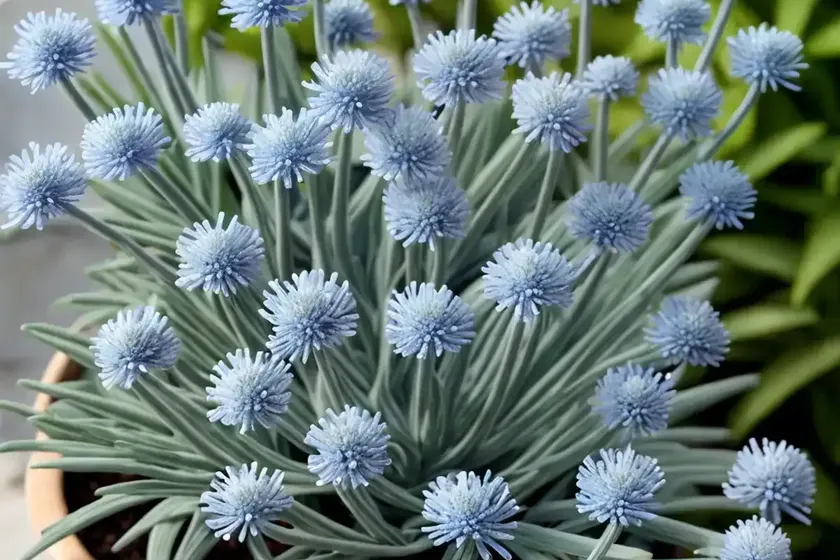
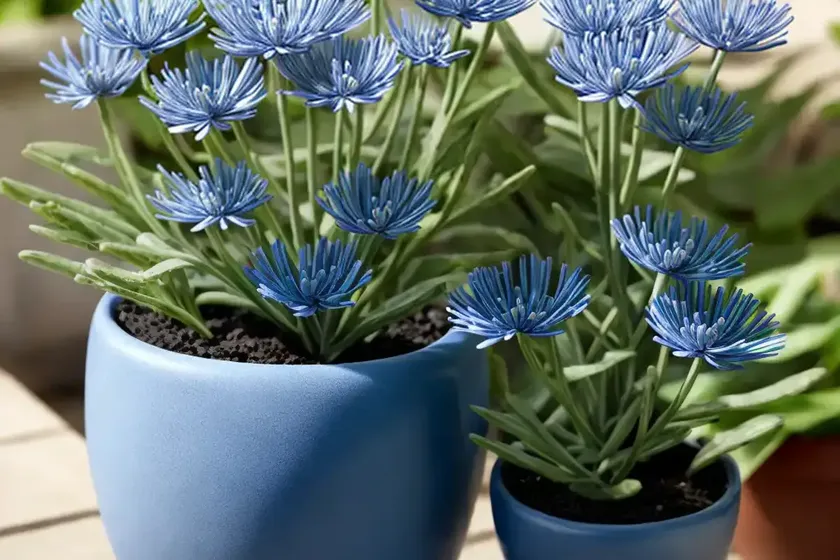
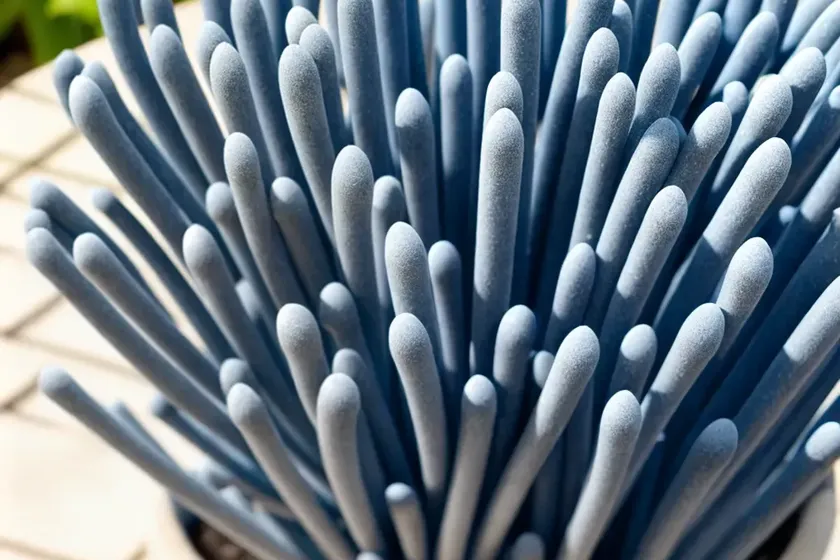
Blue chalksticks, scientifically known as Senecio serpens, is a charming succulent plant that belongs to the Asteraceae family. This evergreen perennial is native to South Africa and is admired for its striking blue-gray foliage and cascading growth habit. The plant’s unique appearance and low maintenance requirements make it a popular choice for both indoor and outdoor settings.
Characteristics of Blue Chalksticks
- Size: Blue chalksticks typically grows to a height of 6-8 inches and spreads to about 2-3 feet, forming a dense mat of foliage.
- Foliage: The plant features cylindrical, silvery-blue leaves that resemble the shape and color of chalk sticks, hence its common name.
- Flowers: Blue chalksticks produces small, white, daisy-like flowers during the spring and summer months, adding a delicate touch to its overall appearance.
- Watering: Considered a drought-tolerant plant, blue chalksticks requires minimal watering and is well-suited for arid environments.
Key Takeaways – Blue Chalksticks (Senecio serpens)
Culture
Blue chalksticks is a versatile plant that thrives in various growing conditions. Whether used as a groundcover, container plant, or part of a rock garden, this succulent adapts well and adds a unique aesthetic to its surroundings.
Uses
- Garden Ornament: The striking silvery-blue foliage of blue chalksticks makes it an excellent addition to rock gardens, xeriscapes, and Mediterranean-style landscapes.
- Container Plant: Its cascading growth habit and tolerance to dry conditions make it a perfect choice for hanging baskets, containers, and vertical gardens.
- Groundcover: Blue chalksticks creates a beautiful, low-maintenance groundcover in areas with well-draining soil and plenty of sunlight.
Plant Care for Blue Chalksticks (Senecio serpens)
Water
Blue chalksticks is accustomed to arid climates and, once established, requires minimal watering. When cultivating this plant, it is essential to allow the soil to dry out between watering sessions to prevent root rot. During the growing season, a deep watering every 2-3 weeks should be sufficient. In winter, reduce the frequency to once a month or less, depending on the climate.
Sunlight
This succulent species thrives in full sun to partial shade, making it adaptable to a wide range of light conditions. When grown indoors, ensure that it receives adequate sunlight exposure near a south-facing window or under grow lights.
Fertilizer
Blue chalksticks is not a heavy feeder and can thrive in nutrient-deficient soils. With that said, a light application of a balanced, water-soluble fertilizer during the growing season can promote healthy growth. However, avoid over-fertilization, as this can lead to leggy, less attractive growth.
Soil
The ideal soil for blue chalksticks is well-draining and slightly acidic to neutral. A mixture of cactus potting mix and perlite or coarse sand provides the necessary drainage for the plant to thrive.
Pruning
Minimal pruning is required for blue chalksticks. Trimming away dead or damaged foliage can help maintain its compact, tidy appearance and promote new growth.
Propagation
Blue chalksticks can be propagated from stem cuttings or offsets. Allow the cuttings to callus for a few days before planting them in a well-draining potting mix. Keep the soil lightly moist until the new plants establish roots.
Container Popularity
The cascading growth habit and stunning silvery-blue foliage of blue chalksticks make it a popular choice for container gardening. Whether grown in standalone containers or mixed with other drought-tolerant plants in succulent arrangements, it adds an eye-catching and low-maintenance element to any setting.
Common Diseases
While blue chalksticks is generally resistant to pests and diseases, it is susceptible to rot if overwatered or if planted in poorly draining soil. Common diseases that may affect this plant include root rot and fungal infections, which can usually be prevented by providing proper growing conditions.
Disease Diagnosis
If the plant begins to show signs of wilting or discoloration, inspect the soil for excessive moisture and the plant for any visible signs of rotting. Adjust the watering regimen and, if necessary, repot the plant in well-draining soil to alleviate any moisture-related issues.
Common Pests
Blue chalksticks is relatively resistant to pests. However, it may occasionally attract common succulent pests such as aphids, mealybugs, and spider mites. Regularly inspect the foliage for signs of pests and treat infestations promptly with insecticidal soap or neem oil.
Botanist’s Tips for Blue Chalksticks (Senecio serpens) Care
- Well-draining Soil: Ensure that the plant is potted in a well-draining mixture to prevent waterlogged conditions, which can be detrimental to its health.
- Adequate Sunlight: Position the plant in a location that receives ample sunlight, whether indoors or outdoors, to promote healthy growth and vibrant foliage color.
- Minimal Watering: Exercise caution with watering, as overwatering can lead to root rot. Allow the soil to dry out between waterings, especially in winter.
- Pruning Awareness: Practice minimal pruning to maintain the plant’s natural form while removing any dead or damaged foliage to encourage new growth.
Fun Facts about Blue Chalksticks (Senecio serpens)
- Blue chalksticks is an ideal plant for beginners due to its low maintenance requirements and striking visual appeal.
- This succulent is also known by the botanical name Kleinia mandraliscae and is sometimes referred to as “mandraliscae” in addition to “blue chalksticks.”
Links to External Resources
- How to Grow and Care for Blue Chalksticks Plants
- Senecio serpens: Blue Chalk Sticks Care and Characteristics
In conclusion, Blue chalksticks (Senecio serpens) is a captivating succulent that offers a myriad of landscaping and decorative possibilities. Its striking blue-gray foliage, cascading growth habit, and minimal care requirements make it a valuable addition to both indoor and outdoor plant collections. With proper attention to watering, sunlight, and soil conditions, this versatile plant can thrive and enhance various gardening and landscaping projects. Whether used as a groundcover, container plant, or ornamental accent, blue chalksticks adds unparalleled beauty and texture to any setting, making it a truly exceptional choice for plant enthusiasts and gardening novices alike.
With its unique characteristics, adaptability, and aesthetic appeal, blue chalksticks stands as a testament to the enduring allure of succulent plants in horticulture and landscaping. As a natural insect repellent, groundcover alternative, and drought-tolerant plant, it exemplifies the diverse benefits and practical uses that succulents offer in both residential and commercial settings. Whether showcased in a thriving rock garden, accentuating a water-wise landscape, or complementing an indoor plant collection, blue chalksticks has rightfully earned its place as a favored specimen among succulent enthusiasts and landscaping professionals.
The combination of its architectural presence, ornamental features, and captivating foliage texture positions blue chalksticks (Senecio serpens) as an outstanding specimen in the realm of plant cultivation and design. Its ease of care, natural aesthetic appeal, and versatile uses make it a plant worthy of admiration and consideration, whether in a solo container or as part of a curated succulent arrangement.
Blue chalksticks (Senecio serpens) holds the potential to inspire creativity, elevate outdoor spaces, and infuse interiors with a touch of natural elegance. Its stunning visual attributes, complemented by its resilience and adaptability, make it an ideal choice for those seeking a low-maintenance yet visually rewarding plant. With its captivating blue-gray foliage, cascading growth habit, and remarkable versatility, it continues to capture the imagination of plant enthusiasts and horticultural aficionados worldwide.
As a decorator’s delight, a natural insect repellent, and an expression of sustainable landscaping, blue chalksticks (Senecio serpens) represents the convergence of beauty, functionality, and ecological mindfulness in the realm of plant cultivation and design. Its enduring appeal, coupled with its remarkable adaptability to various growing conditions, positions it as a compelling choice for those seeking to cultivate enduring beauty and environmental consciousness within their living spaces and outdoor retreats.
References:
- “Growing and Caring for Blue Chalksticks” – The Spruce
- “Senecio serpens: Blue Chalk Sticks Care and Characteristics” – World of Succulents