Common Goldenthistle (Scolymus Hispanicus)
By Plant Scientist
By Plant Scientist
What is a Plant?
Plants are living organisms belonging to the kingdom Plantae. They are multicellular, photosynthetic eukaryotes that play a fundamental role in the Earth’s ecosystems. They are characterized by their ability to produce their own food through the process of photosynthesis. With an incredible diversity of over 390,000 known species, plants range from small mosses to giant trees, and they can be found in nearly every environment on the planet.
Common Goldenthistle (Scolymus hispanicus)
Overview
Common Goldenthistle, scientifically known as Scolymus hispanicus, is a striking and versatile plant that belongs to the Asteraceae family. Also commonly referred to as Spanish oyster thistle, this herbaceous perennial is native to the Mediterranean region but its adaptive nature has allowed it to thrive in various parts of the world. With its attractive yellow flowers and deeply lobed leaves, the Common Goldenthistle serves not only as an ornamental plant but also boasts a range of cultural, culinary, and medicinal uses.
Common Goldenthistle Characteristics
The Common Goldenthistle is characterized by the following features:
- Height: Typically, the plant reaches a height of 3 to 4 feet.
- Leaves: The leaves are deeply lobed, alternate, and can grow up to 12 inches long.
- Flowers: It bears bright yellow, globe-shaped flower heads that are rich in nectar and serve as a food source for pollinators.
- Habitat: Common Goldenthistle is often found in disturbed areas, roadsides, pastures, open woods, and coastal habitats.
Cultivation
Cultivating Common Goldenthistle introduces a charming and vibrant element to gardens and landscapes. The plant’s cultivation requirements are outlined as follows:
Water
- Irrigation: Common Goldenthistle is known for its tolerance to drought conditions. It is relatively low-maintenance once established and generally does not require regular watering. However, during periods of prolonged drought, it is advisable to provide supplementary irrigation to support healthy growth.
Sunlight
- Light: Common Goldenthistle thrives in full sun to partial shade. It requires at least 6 hours of direct sunlight daily for optimal growth and flower production.
Soil
- Type: Well-drained soils are essential for Common Goldenthistle. While it can adapt to a range of soil types, it thrives in moderately fertile, loamy soils.
- pH: The plant prefers a slightly acidic to neutral soil pH, ideally ranging from 6.0 to 7.5.
Fertilizer
- Nutrient Requirements: Common Goldenthistle generally does not have high nutrient requirements. However, a light application of balanced fertilizer in early spring can promote robust growth and flowering.
Pruning
Regular deadheading of spent flowers not only helps in retaining a tidy appearance but also encourages continuous blooming throughout the growing season. Additionally, pruning can be carried out in late fall or early spring to control the plant size and promote a compact growth habit.
Propagation
Common Goldenthistle can be propagated through various methods, including:
- Seed Propagation: Collect mature seeds and sow them in well-prepared seedbeds in the spring or fall when the soil is still warm.
- Division: Every 3 to 5 years, the plant can be divided in early spring to rejuvenate the plant and control its spread.
Container Popularity
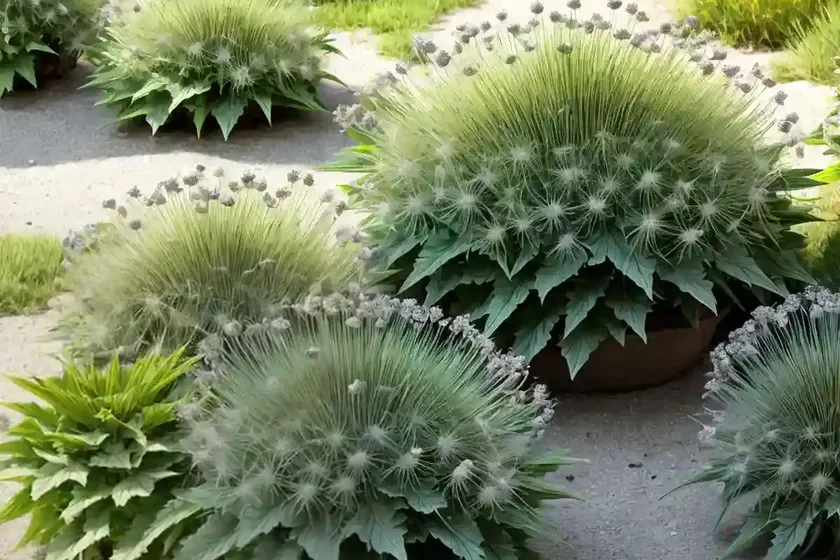
Its adaptability to container gardening makes the Common Goldenthistle an excellent choice for urban gardens, patios, and balconies. This allows enthusiasts with limited space to enjoy the beauty and benefits of this plant.
Common Goldenthistle Uses
Common Goldenthistle is a versatile plant with a range of uses, which include:
- Ornamental: With its bright yellow flowers and striking foliage, the Common Goldenthistle is a popular choice for garden borders, wildflower meadows, and naturalized landscapes.
- Culinary: The young leaves of the Common Goldenthistle are edible and can be used in salads or cooked as a green vegetable.
- Medicinal: Traditionally, the plant has been used for its purported medicinal properties, which include liver and bile-stimulating effects, as well as its diuretic and anti-inflammatory properties.
Common Goldenthistle Culinary and Medicinal Uses
Culinary Applications
The young leaves of Common Goldenthistle, when harvested before the plant flowers, are valued for their tender, slightly bitter taste. They can be cooked and added to dishes as a nutritious green vegetable or utilized raw in salads for a unique flavor profile. The leaves can also be blanched or steamed to reduce their bitterness, making them a versatile ingredient for various culinary preparations.
Medicinal Properties
In traditional medicine, Common Goldenthistle has been employed for its potential health benefits. It is often used to support liver function, assist in digestion, and aid in the detoxification process. Its diuretic properties make it useful in promoting the elimination of excess water from the body, while its anti-inflammatory actions may be beneficial in managing inflammation-related conditions.
Common Goldenthistle Benefits
The myriad of benefits associated with Common Goldenthistle include its:
- Attractive Appearance: The plant’s vibrant yellow flowers and deeply lobed leaves add aesthetic appeal to gardens and landscapes.
- Adaptability: Common Goldenthistle is highly adaptive and can withstand various environmental conditions, making it a resilient choice for gardens and naturalized areas.
- Culinary Value: The young leaves of Common Goldenthistle offer a nutritionally rich addition to culinary creations, providing a fresh and distinctive flavor.
Common Goldenthistle Habitat
Common Goldenthistle is commonly found in disturbed areas, along roadsides, in pastures, and open woods. Its ability to thrive in different habitats contributes to its widespread presence and continued popularity among plant enthusiasts and nature lovers.
Common Goldenthistle Natural Habitat
The natural habitat of Common Goldenthistle spans the Mediterranean region, where it can be found in a variety of ecosystems, from coastal habitats to open woodlands. Its geographic range also extends to other parts of Europe and North Africa, where it inhabits a diverse array of landscapes.
Adaptations
Common Goldenthistle exhibits several remarkable adaptations that contribute to its survival and ecological success. These adaptations include its drought tolerance, ability to thrive in nutrient-poor soils, and the development of deep taproots that enable it to access water and nutrients from deeper soil layers.
Common Goldenthistle Symbolism
Within certain cultural and symbolic contexts, Common Goldenthistle is associated with particular meanings. For instance, in some traditions, the plant symbolizes resilience, strength, and the ability to thrive under challenging conditions. This symbolic representation aligns with the plant’s characteristics and survival strategies in nature.
Common Goldenthistle Gardening Tips
For those interested in cultivating Common Goldenthistle, the following gardening tips can be useful:
- Provide well-drained soil and ample sunlight for optimal growth.
- Incorporate the plant into wildflower meadows and naturalized areas to promote biodiversity and support local ecosystems.
- Utilize the plant’s culinary potential by incorporating its young leaves into various dishes, enhancing both nutrition and flavor.
Common Goldenthistle Flowering Season
Common Goldenthistle typically flowers from late spring to early summer, producing an abundant display of bright yellow flower heads. The attractive blooms not only serve as a visual delight but also provide nectar for pollinators, contributing to the ecological balance of the surrounding landscape.
Common Goldenthistle Wildlife Habitat
Given its nectar-rich flowers and potential as a food source, Common Goldenthistle forms part of the wildlife habitat by attracting and supporting various pollinators, including bees, butterflies, and other beneficial insects. This ecological role underscores its significance in sustaining biodiversity and ecosystem health.
Common Goldenthistle Pests and Diseases
While generally robust and disease-resistant, Common Goldenthistle can occasionally be affected by certain pests and diseases. Effective management strategies are essential for preserving the plant’s health and vitality.
Disease Diagnosis
Common Goldenthistle may be susceptible to diseases such as powdery mildew, rust, and leaf spot. Regular monitoring and timely intervention can help in the early diagnosis and control of these diseases, safeguarding the plant from significant damage.
Common Pests
Pests that may impact Common Goldenthistle include aphids, caterpillars, and certain beetles. Vigilance, natural predators, and the use of organic pest control methods are valuable for managing pest infestations and safeguarding the plant’s overall well-being.
Botanist’s Tips
Botanists and plant enthusiasts share valuable insights and tips for the successful cultivation and appreciation of Common Goldenthistle. These tips can encompass information on its growth habits, ecological interactions, and splendid ornamental value.
Fun Facts
Discover some intriguing and lesser-known facts about Common Goldenthistle, shedding light on its remarkable attributes and ecological significance:
- Common Goldenthistle is a rich source of nectar, attracting a diverse array of pollinators and supporting the ecological balance.
- The young leaves of Common Goldenthistle are not only edible but also nutritious, adding a distinctive flavor to culinary creations.
Links to External Resources
For further exploration of Common Goldenthistle and related topics, the following external resources provide additional insights and information:
- Royal Horticultural Society – Scolymus hispanicus
- USDA NRCS – PLANTS Database: Scolymus hispanicus
- Missouri Botanical Garden – Scolymus hispanicus
In delving into Common Goldenthistle, it is apparent that its cultural, culinary, and ecological significance render it a captivating plant with much to offer. From its distinctive appearance to its adaptability and diverse uses, Common Goldenthistle embodies a captivating fusion of beauty, resilience, and utility, warranting its appreciation and conservation in various contexts.
As a plant scientist, it is my pleasure to delve into the captivating realm of flora, offering insights and perspectives on the wonders and significance of Common Goldenthistle. Through this exploration, I hope to foster a deeper appreciation for this remarkable plant and its myriad contributions to our world.
This blog post aims to provide a comprehensive overview of Common Goldenthistle (Scolymus hispanicus), including its characteristics, cultivation requirements, uses, and ecological significance. It offers valuable insights to plant enthusiasts, gardeners, and individuals interested in exploring the beauty and benefits of this extraordinary plant. As a plant scientist, I am dedicated to promoting knowledge and understanding of plant species, and Common Goldenthistle serves as an excellent subject for such exploration.