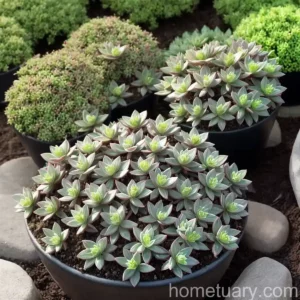
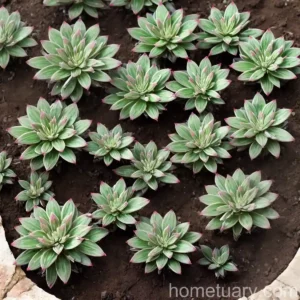
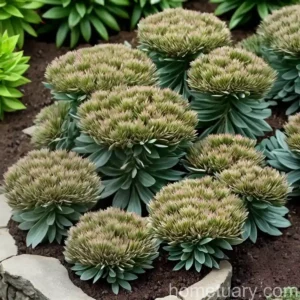
The Amazing Sempervivum Chick Charms� Butterscotch Baby� (Hens and Chicks)
What is Sempervivum Chick Charms� Butterscotch Baby� (Hens and Chicks)?
Sempervivum Chick Charms� Butterscotch Baby�, commonly known as Hens and Chicks, is a delightful succulent plant that has been gaining popularity among gardeners and plant enthusiasts. This charming plant belongs to the Sempervivum genus, which is a group of succulent plants in the Crassulaceae family. The Sempervivum genus is known for its rosette-forming and drought-resistant characteristics, making it a favorite among gardeners who are looking for low-maintenance yet visually appealing plants.
The Butterscotch Baby variety, in particular, is prized for its unique and eye-catching appearance. With its captivating combination of colors, compact growth habit, and remarkable hardiness, Sempervivum Chick Charms� Butterscotch Baby� has become a sought-after addition to gardens, rockeries, and container displays.

Key Takeaways – Sempervivum Chick Charms� Butterscotch Baby� (Hens and Chicks)
- Botanical Name: Sempervivum Chick Charms� Butterscotch Baby�
- Common Name: Hens and Chicks
- Genus: Sempervivum
- Family: Crassulaceae
- Plant Type: Succulent
- Variety: Butterscotch Baby
- Hardiness Zone: 3-8
- Watering: Low to moderate
- Sunlight: Full sun to partial shade
- Soil Type: Well-draining, rocky or gritty
- Uses: Ground cover, rock gardens, containers, borders
- Special Features: Drought-tolerant, low maintenance, attractive foliage
Now, let’s delve deeper into the world of Sempervivum Chick Charms� Butterscotch Baby�, exploring its culture, uses, care tips, and much more.
Culture
Water
Sempervivum Chick Charms� Butterscotch Baby�, like most succulents, thrives in dry conditions and prefers infrequent watering. These hardy plants have adapted to store water in their fleshy leaves, allowing them to withstand periods of drought. When it comes to watering, it’s essential to ensure that the soil is completely dry before watering again. Overwatering can lead to root rot and other problems, so it’s best to err on the side of underwatering rather than overwatering.
Sunlight
In the realm of sunlight, Sempervivum Chick Charms� Butterscotch Baby� truly shines. These plants revel in bright, sunny conditions and exhibit their best coloration when exposed to ample sunlight. While they can tolerate some light shade, providing them with full sun will encourage robust growth and vibrant hues.
Fertilizer
One of the remarkable qualities of Sempervivum Chick Charms� Butterscotch Baby� is its minimal need for fertilization. In fact, these plants are known to thrive in nutrient-poor soils, making them the epitome of low-maintenance gardening. While some gardeners may choose to provide a diluted, balanced fertilizer occasionally during the growing season, it’s crucial to exercise restraint, as excessive fertilization can harm these self-sufficient succulents.
Soil
The foundation of successful Sempervivum cultivation lies in the choice of soil. These plants demand a well-draining medium that mimics their natural habitat. A combination of sandy, rocky, or gritty soil is ideal, as it prevents waterlogging and promotes healthy root development. If planting Sempervivum Chick Charms� Butterscotch Baby� in containers, a cactus or succulent potting mix can also be used to ensure optimal drainage.
Pruning
When it comes to maintenance, Sempervivum Chick Charms� Butterscotch Baby� requires minimal pruning. The outer leaves of the rosettes may naturally wither and can be gently removed to maintain the plant’s aesthetics. Additionally, any damaged or dead leaves can be carefully trimmed away to promote overall plant health. However, excessive pruning is generally unnecessary for these resilient succulents.
Propagation
Sempervivum Chick Charms� Butterscotch Baby� offers a fascinating opportunity for propagation, making it an appealing choice for gardeners looking to expand their succulent collection. These plants can be propagated through offsets, also known as “chicks,” which develop around the base of the mature rosettes. By carefully detaching these offsets and planting them in suitable growing conditions, gardeners can propagate new Sempervivum plants with relative ease.
Container Popularity
In recent years, Sempervivum Chick Charms� Butterscotch Baby� has gained significant popularity as a container plant. Its compact growth habit, captivating colors, and minimal maintenance requirements make it an ideal choice for container gardening. Whether displayed in individual pots, succulent arrangements, or fairy gardens, Sempervivum Chick Charms� Butterscotch Baby� adds a touch of charm to any container display.
Common Diseases
Sempervivum Chick Charms� Butterscotch Baby� is renowned for its resilience and disease resistance. However, like all plants, it is not entirely immune to potential issues. One of the primary concerns for Sempervivum plants is root rot, which can occur if the soil becomes waterlogged or if the plant is subjected to excessive moisture. To prevent this, it’s crucial to ensure that the soil is well-draining and that watering is carried out judiciously, allowing the soil to dry out between waterings.
Disease Diagnosis
Diagnosing diseases in Sempervivum Chick Charms� Butterscotch Baby� can be relatively straightforward. Symptoms of overwatering and root rot may include wilting, yellowing or browning of leaves, and a soft, unpleasant odor emanating from the roots. If these signs are observed, immediate action should be taken to rectify the watering practices and, if necessary, trim away any affected roots to halt the spread of the disease.
Common Pests
While Sempervivum Chick Charms� Butterscotch Baby� is generally resistant to many pests, certain opportunistic insects may pose a threat to these charming succulents. Common pests that gardeners may encounter include aphids, mealybugs, and spider mites. Vigilance is key when it comes to pest management, and early detection is crucial for preventing infestations from causing significant harm to the plants.
Botanist’s Tips
- Ample sunlight: Providing Sempervivum Chick Charms� Butterscotch Baby� with full sun exposure will enhance its vibrant coloring and promote compact, robust growth.
- Well-draining soil: Ensuring that the soil is well-draining is essential for preventing moisture-related issues such as root rot.
- Minimal watering: Adopting a conservative approach to watering is vital for the health and vitality of these drought-tolerant succulents.
- Propagation: Embrace the opportunity to propagate new Sempervivum plants by nurturing the offsets or “chicks” that develop around the mature rosettes.
- Container gardening: Explore the creative potential of container gardening with Sempervivum Chick Charms� Butterscotch Baby�, and consider incorporating these charming plants into various container displays.
Fun Facts
- The name “Hens and Chicks” is derived from the plant’s habit of producing numerous offsets or “chicks” around the base of the mature rosettes, resembling a mother hen surrounded by her chicks.
- Sempervivum plants have a long history of traditional medicinal uses, with certain species believed to possess anti-inflammatory and wound-healing properties.
Now that we’ve explored the culture, care, and unique traits of Sempervivum Chick Charms� Butterscotch Baby�, let’s take a closer look at some valuable resources for further information and inspiration.
Links to External Resources
- The Spruce – How to Grow and Care for Hens and Chicks Plants
- Mountain Crest Gardens – Sempervivum Care Guide
- World of Succulents – Sempervivum: Nature’s Everlasting Hens-and-Chicks
- Royal Horticultural Society – Sempervivum
These resources offer a wealth of knowledge and insights into the world of Sempervivum species, including care guides, inspirational ideas, and detailed plant profiles.
In conclusion, Sempervivum Chick Charms� Butterscotch Baby� (Hens and Chicks) stands as a captivating example of nature’s ingenuity, showcasing resilience, beauty, and an enduring charm that captivates the hearts of gardening enthusiasts worldwide. Whether adorning rock gardens, container displays, or border plantings, this remarkable succulent continues to enchant and inspire, perpetuating its timeless appeal in the realm of horticulture.