Self Heal (Prunella Grandiflora)
Plants have been used for their medicinal properties, cultural significance, and ornamental value for thousands of years. One of the most intriguing and.
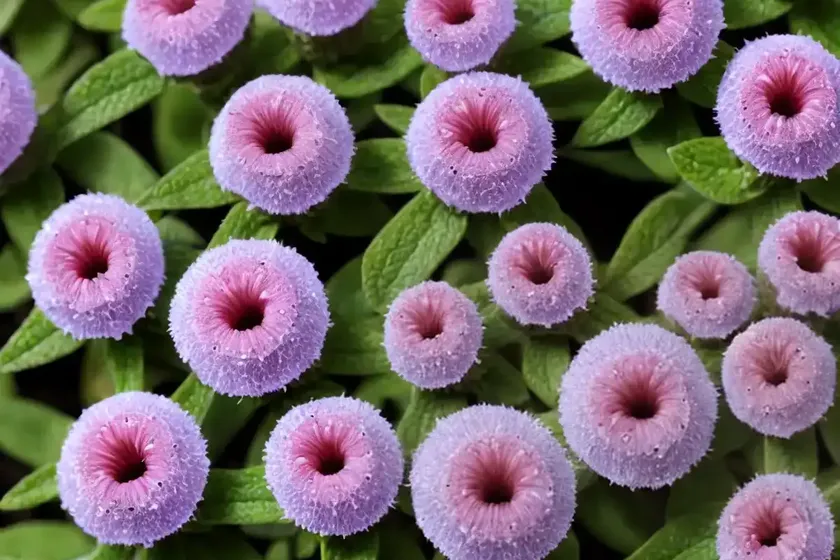
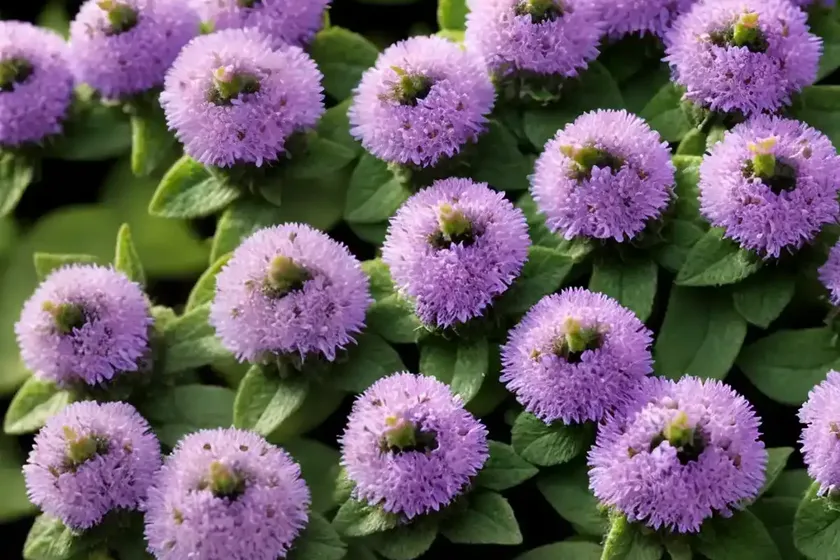
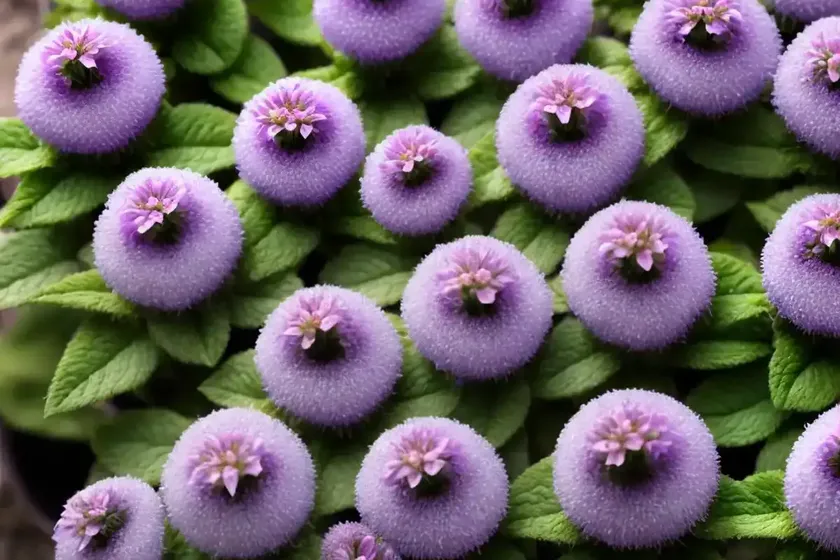
Plants have been used for their medicinal properties, cultural significance, and ornamental value for thousands of years. One of the most intriguing and versatile plants in this regard is Prunella grandiflora, also known as self-heal. This remarkable herbaceous perennial plant has a rich history rooted in folklore, traditional medicine, ecological benefits, and modern uses.
In this comprehensive guide, we will explore the various aspects of caring for self-heal, its cultural and medicinal significance, as well as its uses in traditional healing practices. Whether you are a novice gardener, a herbal enthusiast, or someone interested in the cultural and historical aspects of plants, this guide will provide you with valuable insights into the world of Prunella grandiflora.
What is ‘Self Heal’ (Prunella grandiflora)?
Also known as heal-all, self-heal is a low-growing perennial plant that belongs to the mint family, Lamiaceae. Its scientific name, Prunella grandiflora, is derived from the Latin word “prunellus,” meaning little plum. Self-heal is native to Europe, Asia, and North Africa, and has been naturalized in North America.
Key Takeaways – Self Heal (Prunella grandiflora)
Before delving into the specifics of cultivating self-heal, let’s take a look at the key takeaways associated with this plant:
- Scientific Name: Prunella grandiflora
- Common Names: Self-heal, heal-all
- Family: Lamiaceae (Mint family)
- Native Habitat: Europe, Asia, North Africa
- Cultural Significance: Folklore and traditional uses
- Medicinal Properties: Anti-inflammatory, astringent, and antibacterial
- Growing Conditions: Full sun to partial shade, well-drained soil
- Maintenance: Low maintenance, resilient to pests and diseases
Now, let’s dive into each of these aspects in detail, starting with the cultural significance and traditional uses of self-heal.
Cultural Uses of Self Heal (Prunella grandiflora)
Self-heal has a rich history of cultural significance, folklore, and traditional uses in various parts of the world. The plant has been associated with healing and protection in different cultures, leading to a range of ceremonial and medicinal applications.
Folklore and Legends
In folklore and legends, self-heal has been revered for its supposed ability to promote healing and ward off evil spirits. The plant’s resilient nature and vibrant purple flowers have contributed to its association with vitality and resilience in various traditions.
Traditional Medicine and Healing Practices
In traditional medicine systems such as Traditional Chinese Medicine (TCM) and European herbalism, self-heal has been used to treat a wide range of ailments, including digestive issues, respiratory conditions, and skin irritations. The plant is recognized for its anti-inflammatory, astringent, and antibacterial properties, making it a valuable addition to traditional healing practices.
Self Heal (Prunella grandiflora) Care Guide
Water
Self-heal plants prefer consistently moist soil, especially during their active growth period. Water the plants deeply when the soil surface feels dry to the touch, but ensure that the soil is well-draining to avoid waterlogging, which can lead to root rot.
Sunlight
Self-heal thrives in full sun to partial shade conditions. While it can tolerate some shade, providing ample sunlight will encourage better flowering and overall plant vigor.
Fertilizer
Self-heal is not particularly demanding when it comes to fertilization. A balanced, all-purpose fertilizer applied in spring as new growth emerges can support healthy growth and flowering. Avoid over-fertilizing, as this can lead to excessive foliage growth at the expense of flowers.
Soil
Self-heal plants prefer moist, well-drained soil with a slightly acidic to neutral pH. Amending the soil with organic matter, such as compost, can improve its moisture retention and nutrient content.
Pruning
Pruning is generally minimal for self-heal, mainly focused on deadheading spent flowers to prolong the blooming period and prevent self-seeding. Additionally, light pruning in early spring can help rejuvenate the plant and promote compact growth.
Propagation
Self-heal can be propagated through division or by sowing seeds. Division is best done in early spring or fall, while seeds can be sown directly in the garden after the last frost date.
Container Popularity
While self-heal is commonly grown in garden beds and borders, it can also thrive in containers. Its low-maintenance nature and attractive flowers make it a popular choice for container gardening, especially in smaller outdoor spaces or on patios.
Common Diseases and Pests
Common Diseases
Self-heal is generally resistant to most diseases, particularly when grown in well-drained soil and provided with adequate air circulation. However, it may be susceptible to fungal diseases such as powdery mildew in humid conditions.
Disease Diagnosis
Diagnosing diseases in self-heal involves observing the plant for symptoms such as white powdery spots on the leaves, wilting, or unusual discoloration. Prompt action, such as improving air circulation and using organic fungicidal sprays, can help manage and prevent diseases.
Common Pests
Self-heal is relatively resistant to pests, but it may occasionally attract aphids, spider mites, or slugs. Regular monitoring and natural pest control methods, such as introducing beneficial insects or handpicking pests, can help keep pest populations in check.
Botanist’s Tips for Growing Self Heal (Prunella grandiflora)
-
Companion Planting: Self-heal can complement a wide range of companion plants, including other herbs, wildflowers, and low-growing perennials. Consider interplanting it with species that share similar water and sunlight requirements for a harmonious garden.
-
Wildlife Attraction: The nectar-rich flowers of self-heal attract pollinators such as bees and butterflies, making it a valuable addition to wildlife-friendly gardens. Encouraging biodiversity through the planting of self-heal can promote a healthy and resilient ecosystem.
-
Ethnobotanical Exploration: Delve into the cultural and historical significance of self-heal by exploring its traditional uses in different cultures around the world. Understanding the plant’s ethnobotanical heritage can deepen your appreciation for its multifaceted qualities.
Fun Facts About Self Heal (Prunella grandiflora)
-
Self-heal is named for its historical use in traditional medicine as a remedy for a wide range of internal and external ailments, reflecting the belief in its healing properties.
-
The flowers of self-heal are not only attractive to pollinators but also add vibrant color to garden landscapes, ranging from shades of purple to pink.
-
In some traditions, self-heal is considered a symbol of resilience, growth, and protection, embodying its enduring cultural significance.
Links to External Resources
For further exploration of self-heal, its uses, and cultivation, consider referring to the following external resources:
- The Herb Society – Prunella vulgaris: Healing Wounds and Infections
- Royal Botanic Gardens, Kew – Plant Profile: Prunella vulgaris (Self-heal)
- Missouri Botanical Garden – Prunella vulgaris
- North Carolina State University Extension – Prunella vulgaris L.
In conclusion, self-heal (Prunella grandiflora) stands as a remarkable plant with a rich tapestry of cultural, medicinal, and ecological significance. Understanding its heritage, growing requirements, and traditional uses can foster a deeper appreciation for its role in gardens, natural landscapes, and cultural traditions. Whether you are drawn to its herbal properties, folklore, or wildlife benefits, self-heal continues to captivate and inspire plant enthusiasts, herbalists, and conservationists alike.


