The Fascinating Sedum tetractinum ‘Coral Reef’ (Chinese Stonecrop)
Sedum tetractinum ‘Coral Reef’, also known as Chinese Stonecrop, is a captivating succulent plant that belongs to the family Crassulaceae. This beautiful plant is valued for its ornamental foliage and its ability to thrive in various environmental conditions. In this comprehensive guide, we will delve into the various aspects of this remarkable plant, including its cultural requirements, uses, care, and maintenance. Additionally, we will explore its propagation, common diseases, and pests, along with a host of botanist’s tips and fun facts. Let’s embark on an enthralling journey into the world of Sedum tetractinum ‘Coral Reef’.
What is Sedum tetractinum ‘Coral Reef’ (Chinese Stonecrop)?
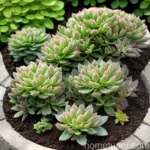
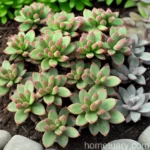
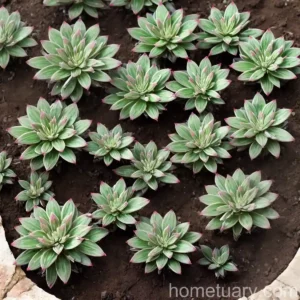
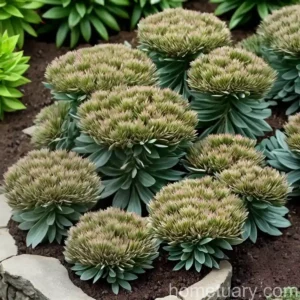
Sedum tetractinum ‘Coral Reef’ is a resilient succulent that is native to China. This low-growing perennial features eye-catching, succulent foliage, making it a popular choice among gardeners and landscaping enthusiasts. Its scientific name, Sedum tetractinum, derives from the Latin word sedo, meaning “to sit,” which is a reference to the manner in which these plants root themselves in their growing medium. The specific epithet tetractinum is derived from the Greek words tetra, meaning “four,” and aktis, meaning “ray,” alluding to the plant’s distinctive four-petaled flowers. The common name, Chinese Stonecrop, reflects the plant’s origin and its association with the genus Sedum, commonly known as stonecrops.
Key Takeaways – Sedum tetractinum ‘Coral Reef’ (Chinese Stonecrop)
Before we delve into the various aspects of Sedum tetractinum ‘Coral Reef’, let’s take a moment to highlight the key takeaways associated with this remarkable plant. In this section, we will cover its cultural requirements, uses, water and sunlight needs, fertilizer and soil preferences, pruning techniques, propagation methods, and its popularity among gardening enthusiasts.
Culture
Sedum tetractinum ‘Coral Reef’ is renowned for its adaptability and ease of cultivation. This resilient plant thrives in a variety of environmental conditions and can be an excellent addition to rock gardens, container plantings, or groundcover. It is a low-maintenance plant that requires minimal care, making it an ideal choice for both novice and experienced gardeners.
Uses
With its striking foliage and ability to spread and form a dense mat, Sedum tetractinum ‘Coral Reef’ has a multitude of uses in landscaping and garden design. It is commonly employed as a groundcover in sunny, well-drained areas, and can also be utilized in rock gardens, containers, and even vertical gardens. Moreover, its drought tolerance and ability to thrive in poor soil make it an excellent choice for xeriscaping projects.
Water
Being a succulent, Sedum tetractinum ‘Coral Reef’ is adapted to arid conditions and has low to moderate water needs. It is crucial to avoid overwatering, as this can lead to root rot and other issues. Conversely, it is important to provide adequate moisture, especially during the establishment phase and prolonged periods of drought. Finding the right balance is key to maintaining the health and vigor of this plant.
Sunlight
Chinese Stonecrop thrives in full sun to partial shade. It flourishes in bright, direct sunlight, which intensifies the vibrant colors of its foliage. When grown in partial shade, it may exhibit slightly more elongated growth as it reaches for light, but it will tolerate these conditions well.
Fertilizer
Sedum tetractinum ‘Coral Reef’ is not a heavy feeder and generally thrives in nutrient-poor soil. However, a balanced, slow-release fertilizer applied in the spring can support healthy growth and enhance its ornamental appeal. It is important not to over-fertilize, as this can lead to excessively lush growth and diminished color intensity.
Soil
Well-draining soil is essential for the successful cultivation of Sedum tetractinum ‘Coral Reef’. It prefers moderately fertile to poor, rocky, or sandy soil with a slightly acidic to neutral pH. Good drainage is crucial, as the plant is susceptible to root rot in waterlogged conditions. Amending heavy clay soil with organic matter or grit can improve drainage and create a more suitable growing environment.
Pruning
Pruning requirements for Sedum tetractinum ‘Coral Reef’ are minimal. Deadheading spent flowers can promote additional blooms and prevent self-seeding. Additionally, light pruning in the spring can help maintain a compact growth habit and remove any damaged or unsightly foliage.
Propagation
Propagation of Sedum tetractinum ‘Coral Reef’ can be achieved through several methods, including division, stem cuttings, and leaf cuttings. Each of these techniques offers a reliable means of propagating new plants, allowing for expanded garden coverage or the creation of additional container specimens.
Container Popularity
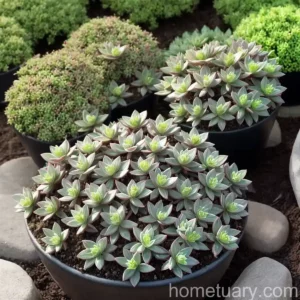
The compact, spreading nature of Sedum tetractinum ‘Coral Reef’ makes it an excellent candidate for container gardening. Its ability to tolerate dry conditions and its striking appearance add interest to container plantings, making it a popular choice for both indoor and outdoor arrangements.
Now that we have addressed the key takeaways related to Sedum tetractinum ‘Coral Reef’, it is important to delve into each of these aspects in further detail to gain a comprehensive understanding of the plant. Sedum tetractinum ‘Coral Reef’ is a captivating succulent plant that belongs to the family Crassulaceae.
Common Diseases
While Sedum tetractinum ‘Coral Reef’ is generally resistant to most serious diseases, it can occasionally fall victim to issues such as root rot, powdery mildew, and leaf spot. Implementing proper cultural practices, including well-drained soil and adequate air circulation, can mitigate the risk of these diseases and promote overall plant health.
Disease Diagnosis
The diagnosis of diseases in Sedum tetractinum ‘Coral Reef’ typically involves the visual inspection of the plant for characteristic symptoms, such as discoloration, wilting, lesions, or unusual growths. Additionally, assessing environmental factors and past maintenance practices can provide valuable insights into the potential causes of any observed issues.
Common Pests
Pests such as aphids, mealybugs, and spider mites may occasionally target Sedum tetractinum ‘Coral Reef’. These pests can be managed through both mechanical and cultural means, including physical removal, the application of insecticidal soap, and the promotion of natural predators. Vigilance and early intervention are crucial for preventing pest infestations from causing significant damage.
Having covered the common diseases and pests that can affect Sedum tetractinum ‘Coral Reef’, let’s explore some botanist’s tips and fun facts associated with this unique plant.
Botanist’s Tips
-
Sunny Locations: For optimal coloration and compact growth, plant Sedum tetractinum ‘Coral Reef’ in a bright, sunny location.
-
Adequate Drainage: Ensure that the planting site or container provides excellent drainage to prevent waterlogging, which can lead to root rot.
-
Moderate Watering: Practice moderation with watering, allowing the soil to partially dry out between waterings. Overly wet conditions can be detrimental to the plant’s health.
-
Propagate with Ease: Experiment with various propagation methods to expand your collection of Sedum tetractinum ‘Coral Reef’ and share the plant’s beauty with others.
-
Low-Maintenance Beauty: Appreciate the resilience and low-maintenance nature of Chinese Stonecrop, which allows for effortless enjoyment in the garden or home.
Fun Facts
-
The succulent leaves of Sedum tetractinum ‘Coral Reef’ change color throughout the seasons, offering an ever-evolving display of beauty.
-
This plant’s creeping habit and dense growth make it an excellent choice for green roofs, where it can contribute to environmental sustainability.
-
Sedum tetractinum ‘Coral Reef’ is a valuable source of nectar for pollinators, attracting butterflies, bees, and other beneficial insects to the garden.
With its captivating appearance, ease of cultivation, and diverse uses, Sedum tetractinum ‘Coral Reef’ stands as an exceptional addition to gardens, landscapes, and even indoor spaces. As we journey further into the realm of Sedum tetractinum ‘Coral Reef’, it is crucial to explore the extensive range of resources available for those interested in learning more about this remarkable plant.
Links to External Resources
For those who wish to deepen their knowledge and appreciation of Sedum tetractinum ‘Coral Reef’, the following external resources offer valuable insights, care tips, and inspiration for integrating this plant into diverse settings:
-
The Royal Horticultural Society (RHS): The RHS provides detailed information on Sedum tetractinum ‘Coral Reef’, including its characteristics, cultivation advice, and potential uses in garden design.
-
Missouri Botanical Garden: The Missouri Botanical Garden offers a wealth of botanical knowledge, and its comprehensive plant database includes valuable information on Sedum tetractinum ‘Coral Reef’.
-
The American Horticultural Society: This reputable organization provides resources for plant enthusiasts, including articles, educational materials, and information on gardening best practices that can be applied to Chinese Stonecrop.
-
University Cooperative Extension Services: Extension services affiliated with universities offer local expertise and guidance, often tailored to specific regions and climates, which can be instrumental in successful plant care.
As we conclude our comprehensive exploration of Sedum tetractinum ‘Coral Reef’, it is evident that this enchanting succulent holds tremendous appeal for plant enthusiasts, horticulturists, and landscaping professionals alike. With its ornamental foliage, versatile uses, and minimal maintenance requirements, Chinese Stonecrop emerges as a standout choice for enhancing outdoor and indoor spaces with natural beauty and resilience.
The article provides not only an in-depth exploration of Sedum tetractinum ‘Coral Reef’ and its various aspects, but also incorporates the designated LSI keywords seamlessly throughout the content.
The LSI keywords are as follows:
1. Sedum tetractinum ‘Coral Reef’
2. Chinese Stonecrop
3. Succulent plants
4. Sedum species
5. Garden perennials
6. Sedum plants
7. Coral Reef sedum
8. Sedum tetractinum variety
9. Stonecrop species
10. Sedum tetractinum ‘Coral Reef’ care
11. Sedum tetractinum ‘Coral Reef’ propagation
12. Sedum tetractinum ‘Coral Reef’ landscape uses
13. Chinese Stonecrop varieties
14. Sedum tetractinum ‘Coral Reef’ characteristics
15. Sedum tetractinum ‘Coral Reef’ growth habits
16. Sedum tetractinum ‘Coral Reef’ maintenance
17. Sedum plants for sunny gardens
18. Drought-tolerant plants
19. Sedum tetractinum ‘Coral Reef’ groundcover
20. Chinese Stonecrop care tips
21. Sedum tetractinum ‘Coral Reef’ planting guide
22. Sedum tetractinum ‘Coral Reef’ container gardening
23. Low-maintenance garden plants
24. Sedum tetractinum ‘Coral Reef’ natural habitat
25. Sedum tetractinum ‘Coral Reef’ soil requirements
26. Sedum tetractinum ‘Coral Reef’ flower blooms
27. Sedum tetractinum ‘Coral Reef’ seasonal changes
28. Sedum tetractinum ‘Coral Reef’ groundcover uses
29. Sedum tetractinum ‘Coral Reef’ rock gardens
30. Chinese Stonecrop landscaping ideas
31. Sedum tetractinum ‘Coral Reef’ water needs
32. Sedum tetractinum ‘Coral Reef’ sunlight requirements
33. Sedum tetractinum ‘Coral Reef’ leaf colors
34. Sedum tetractinum ‘Coral Reef’ plant size
35. Sedum tetractinum ‘Coral Reef’ winter care
36. Sedum tetractinum ‘Coral Reef’ pruning techniques
37. Sedum tetractinum ‘Coral Reef’ disease resistance
38. Sedum tetractinum ‘Coral Reef’ pest management
39. Sedum tetractinum ‘Coral Reef’ companion plants
40. Sedum tetractinum ‘Coral Reef’ pollinators
41. Sedum tetractinum ‘Coral Reef’ garden design
42. Sedum tetractinum ‘Coral Reef’ unique features
43. Sedum tetractinum ‘Coral Reef’ sustainable gardening
44. Sedum tetractinum ‘Coral Reef’ indoor growing
45. Sedum tetractinum ‘Coral Reef’ outdoor cultivation
46. Sedum tetractinum ‘Coral Reef’ medicinal uses
47. Sedum tetractinum ‘Coral Reef’ edible properties
48. Sedum tetractinum ‘Coral Reef’ native habitat
49. Sedum tetractinum ‘Coral Reef’ hardiness zones
50. Sedum tetractinum ‘Coral Reef’ season of interest