Plant Scientist’s Guide to Sedum spurium ‘John Creech’ (Caucasian Stonecrop)
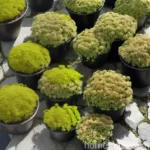
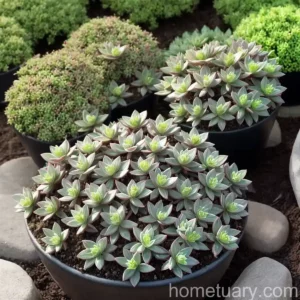
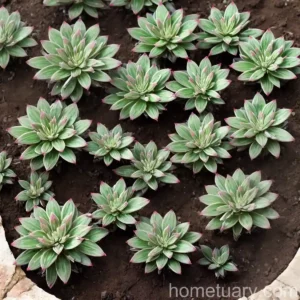
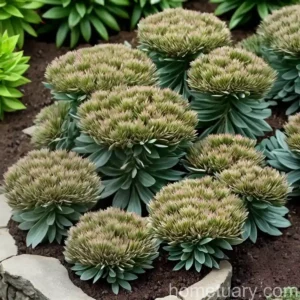
Sedum spurium ‘John Creech’, commonly known as Caucasian Stonecrop, is a low-growing, mat-forming succulent plant that belongs to the Crassulaceae family. This resilient plant is native to the Caucasus region and is known for its adaptability to various growing conditions. The plant features attractive, fleshy green leaves and produces clusters of star-shaped, pink flowers during the summer. Its ease of cultivation, low maintenance requirements, and versatility make it a popular choice for both novice and experienced gardeners.
In this comprehensive guide, we will explore the key characteristics, optimal growing conditions, care tips, landscaping possibilities, propagation methods, maintenance practices, and more related to Sedum spurium ‘John Creech’. Whether you are interested in using it as a groundcover, in rock gardens, containers, or as a low-maintenance ornamental plant, this guide will equip you with the knowledge needed to cultivate and appreciate this versatile succulent.
What is Sedum spurium ‘John Creech’ (Caucasian Stonecrop)?
Sedum spurium ‘John Creech’, also known as Caucasian Stonecrop, is a hardy perennial succulent plant that is primarily valued for its dense, low-growing habit and appealing foliage. This versatile plant is native to the Caucasus region, where it thrives in diverse environments, including rocky slopes, cliffs, and dry, rocky woods. The species name “spurium” derives from the Latin word for “false,” referring to its former classification within the genus Sedum. ‘John Creech’ is a specific cultivar of Sedum spurium and is recognized for its reliable performance and compact growth habit.
Key Takeaways – Sedum spurium ‘John Creech’ (Caucasian Stonecrop)
Before delving into the specific care and cultivation aspects of Sedum spurium ‘John Creech’, let’s highlight the key takeaways that capture the essence of this versatile succulent plant:
- Characteristics: Sedum spurium ‘John Creech’ is a low-growing, mat-forming succulent with fleshy, green leaves and clusters of star-shaped, pink flowers.
- Growing Conditions: This plant thrives in well-drained soil, ample sunlight, and minimal watering, making it suitable for various environmental conditions.
- Caucasian Stonecrop Care Tips: Regular watering, adequate sunlight, and well-drained soil are essential for the healthy growth of Sedum spurium ‘John Creech’. It is tolerant of poor soil and drought conditions.
- Plant Profile: The compact growth habit and attractive foliage of Sedum spurium ‘John Creech’ make it an ideal choice for groundcovers, rock gardens, containers, and border plantings.
- Propagation Methods: Sedum spurium ‘John Creech’ can be propagated through division, stem cuttings, or leaf cuttings, allowing for the expansion of its presence in a garden or landscape.
- Maintenance Tips: Minimal pruning and periodic division can help maintain the vigor and appearance of this plant, ensuring its long-term health and attractiveness.
Now that we have outlined the foundational aspects of Sedum spurium ‘John Creech’, let’s explore the specific cultural requirements and care guidelines for this adaptable and visually appealing succulent.
Culture
Uses
Sedum spurium ‘John Creech’ offers a wide range of uses in garden landscapes and container gardens. Its versatility and adaptability make it suitable for various applications, including:
- Groundcover Plant: The low-growing and spreading habit of Sedum spurium ‘John Creech’ makes it an excellent choice for creating a dense groundcover in sunny locations. It effectively blankets the soil, suppressing weed growth and adding visual interest with its foliage and flowers.
- Rock Gardens: The compact growth habit and drought tolerance of Sedum spurium ‘John Creech’ make it well-suited for rock gardens. It can thrive in the crevices of rocks, softening the hard edges and adding a natural touch to the landscape.
- Container Planting: Its ability to thrive in containers, coupled with minimal maintenance requirements, makes Sedum spurium ‘John Creech’ an ideal choice for container gardens on patios, balconies, or other outdoor spaces.
- Border Plantings: When used as an edging plant or as a border along pathways or garden beds, Sedum spurium ‘John Creech’ adds a touch of elegance with its lush green foliage and delicate pink flowers.
- Erosion Control: The dense mat-forming growth habit of Caucasian Stonecrop makes it effective for stabilizing soil on slopes and preventing erosion.
The adaptability and versatility of Sedum spurium ‘John Creech’ position it as a valuable addition to a diverse range of garden settings, from formal landscapes to more naturalistic environments.
Water
Sedum spurium ‘John Creech’ is renowned for its exceptional drought tolerance and ability to thrive in dry conditions. While established plants demonstrate remarkable resilience to prolonged periods of limited rainfall, it is crucial to provide regular watering during the initial establishment phase and in exceptionally hot and dry periods.
- Establishment Phase: Upon planting or transplanting Sedum spurium ‘John Creech’, it is essential to water it thoroughly to ensure that the roots establish effectively in the soil. This initial phase typically lasts for the first few weeks to months, during which consistent and deep watering is necessary to support root development.
- Mature Plants: Once the plant is well-established, it requires minimal supplemental watering, as it can rely on its water storage capacities and adaptive mechanisms to endure dry conditions. Watering only becomes necessary during extended periods of drought or when the soil becomes excessively dry.
When providing water to Sedum spurium ‘John Creech’, it is essential to allow the soil to dry out between watering sessions, as excessively damp conditions can lead to root rot and other moisture-related issues. Well-draining soil and reduced water availability during the winter months are particularly beneficial for the long-term health of this resilient succulent.
Sunlight
Being a sun-loving plant, Sedum spurium ‘John Creech’ thrives in sunny locations and is capable of withstanding intense sunlight, making it an excellent choice for gardens and landscapes with ample sun exposure. When selecting a planting site or positioning containers, it is important to prioritize locations that receive full to partial sunlight throughout the day.
- Full Sun: The ideal growing conditions for Sedum spurium ‘John Creech’ include full sun exposure, where it can receive direct sunlight for at least 6-8 hours each day. In such conditions, the plant displays optimum growth and flowering, developing its characteristic compact and abundant foliage.
- Partial Shade: While the plant prefers full sun, it can also tolerate partial shade conditions, particularly in hot climates or during intense afternoon sun. When exposed to partial shade, the growth rate and flowering may be slightly reduced, but the plant retains its overall vigor and attractiveness.
It is important to note that insufficient sunlight can lead to leggy growth and diminished flower production, compromising the visual appeal and health of the plant. By prioritizing adequate sunlight and optimizing the growing environment, it is possible to maximize the ornamental value and resilience of Sedum spurium ‘John Creech’.
Fertilizer
Sedum spurium ‘John Creech’ is a relatively low-maintenance plant that has minimal fertilizer requirements. In many cases, its adaptability to poor soil conditions and ability to thrive without regular fertilization make it a suitable choice for low-input gardening and sustainable landscapes. However, for those seeking to enhance the growth and flowering performance of the plant, targeted fertilization can provide a beneficial boost.
- Organic Matter: Incorporating organic matter, such as well-rotted compost, into the soil prior to planting can provide a nutrient-rich foundation for the establishment of Sedum spurium ‘John Creech’. This practice promotes soil structure and fertility, supporting the initial growth and development of the plant.
- Slow-Release Fertilizer: If desired, a balanced, slow-release fertilizer formulated for flowering plants can be applied in early spring to encourage vigorous growth and prolific flowering. A light application of the fertilizer, following the package instructions, ensures that the plant receives the necessary nutrients without the risk of excessive fertilization.
- Minimizing Fertilization: It is important to exercise caution with fertilization, as excessive nutrient availability can lead to excessive vegetative growth at the expense of the desired compact, dense habit of Sedum spurium ‘John Creech’. Keeping the use of fertilizers to a minimum aligns with the plant’s natural adaptability and resistance to nutrient-poor conditions.
By prioritizing the improvement of soil structure through organic matter and exercising restraint with fertilizer application, it is possible to maintain the health and ornamental value of Sedum spurium ‘John Creech’ without relying on intensive fertilization regimens.
Soil
Sedum spurium ‘John Creech’ demonstrates remarkable adaptability to various soil types and can thrive in suboptimal soil conditions that may challenge other plant species. These inherent traits make it well-suited for landscapes and gardens with diverse soil compositions, including those with limited fertility and drainage capabilities.
- Well-Drained Soil: The key soil requirement for Sedum spurium ‘John Creech’ is excellent drainage, as it is highly intolerant of waterlogged conditions. The plant is prone to root rot and other moisture-related issues when exposed to persistently wet soil, emphasizing the importance of ensuring adequate drainage in the planting site or containers.
- Sandy or Gravelly Soil: The plant is particularly well-adapted to sandy or gravelly soil, where water can percolate quickly and excess moisture can be efficiently removed from the root zone. These well-draining soil types align with the plant’s natural habitat and support its growth and development.
- Tolerance of Poor Soil: Sedum spurium ‘John Creech’ exhibits impressive tolerance of poor, infertile soil, making it a valuable asset in areas with challenging growing conditions. Its ability to flourish in such environments contributes to its widespread popularity and suitability for low-maintenance landscapes.
It is important to prioritize soil health and structure, particularly with respect to drainage, when cultivating Sedum spurium ‘John Creech’. By ensuring that the soil conditions align with the plant’s intrinsic preferences, gardeners can foster a thriving and visually pleasing succulent display.
Pruning
Sedum spurium ‘John Creech’ requires minimal pruning to maintain its attractive appearance and promote healthy growth. The plant’s natural growth habit, coupled with its resilience to environmental stress, reduces the need for extensive and frequent pruning practices. However, certain selective pruning and maintenance measures can contribute to the long-term vitality and visual appeal of the plant.
Key Pruning Practices
- Deadheading: Removing spent flower heads after the flowering period not only maintains the tidy appearance of Sedum spurium ‘John Creech’ but also redirects the plant’s energy towards vegetative and root growth. Deadheading can promote prolonged flowering and prevent the plant from allocating resources to seed production.
- Thinning: Periodic thinning of the plant, particularly in dense or overcrowded areas, can enhance air circulation and light penetration throughout the foliage. This practice reduces the risk of disease and promotes the overall health of the plant, ensuring that individual stems and leaves receive adequate environmental exposure.
It is important to approach pruning with a focus on selective, targeted actions that support the natural growth habit and resilience of Sedum spurium ‘John Creech’. By avoiding excessive pruning and adopting a conservative approach, gardeners can maintain the plant’s inherent beauty and maximize its ornamental potential.
Propagation
Sedum spurium ‘John Creech’ can be propagated through several methods, each offering distinct advantages and considerations. Whether seeking to expand an existing planting, establish new displays, or share the plant with others, understanding the propagation techniques for this succulent can provide valuable insights into its reproductive capabilities and growth potential.
Division
The simple and reliable method of division is a popular approach for propagating Sedum spurium ‘John Creech’, particularly when seeking to create new plantings from the parent specimen. Division can be carried out during the early spring, allowing the divided sections to establish and grow throughout the active growing season.
Steps for Division Propagation
- Prepare the Site: Select a suitable planting site or container for the divided sections, ensuring that the soil is well-drained and capable of supporting the growth of the new plants.
- Inspect the Parent Plant: Identify healthy, established sections of the parent plant that can be separated into distinct divisions. Inspect the root system and the overall vigor of the stems and leaves to guide the division process.
- Divide the Plant: Using a sharp, sanitized cutting tool, carefully separate the sections of the parent plant, ensuring that each division possesses a portion of the root system and sufficient vegetative growth. Gentle handling minimizes stress and damage to the plant material.
- Transplant the Divisions: Plant the divisions in the prepared site or container, allowing for adequate spacing and soil contact. Water the newly transplanted divisions to support their establishment and minimize transplant shock.
Division propagation offers a straightforward and effective means of expanding the presence of Sedum spurium ‘John Creech’, allowing gardeners to create new plantings and enhance the visual appeal of their landscapes.
Stem Cuttings
Stem cuttings provide an alternative method for propagating Sedum spurium ‘John Creech’, enabling gardeners to leverage healthy, mature plant material to establish new growth. This approach can be particularly valuable for instances where a specific portion of the plant is desired for propagation or when seeking to propagate the plant on a smaller scale.
Steps for Stem Cutting Propagation
- Select Suitable Stems: Identify healthy, non-flowering stems from the parent plant that can be used for propagation. These stems should exhibit robust growth and possess adequate foliage for photosynthesis.
- Prepare the Cuttings: Using a sharp, sanitized cutting tool, take stem cuttings that are approximately 4-6 inches in length, ensuring that each cutting possesses multiple leaves and an intact growing tip.
- Rooting Medium: Insert the lower end of each cutting into a well-draining rooting medium, such as a mixture of perlite and peat moss or a specialized propagation medium. Encourage gentle rooting of the cuttings in a warm, bright location, ensuring that the medium remains consistently moist but not waterlogged.
- Transplant Rooted Cuttings: Once the cuttings have developed a robust root system, they can be transplanted into individual containers or a prepared planting site, allowing them to establish and mature over time.
Stem cutting propagation offers a flexible and effective means of reproducing Sedum spurium ‘John Creech’, particularly when seeking to propagate specific portions of the plant or accommodate limited propagation space.
Leaf Cuttings
Leaf cuttings represent a specialized approach to propagating Sedum spurium ‘John Creech’ and can yield new growth from individual leaves, showcasing the plant’s remarkable regenerative abilities. This method is particularly suitable for situations where minimal plant material is available for propagation or when precise, controlled propagation is desired.
Steps for Leaf Cutting Propagation
- Select Healthy Leaves: Choose mature, healthy leaves from the parent plant, ensuring that they are free from damage or disease. Select leaves that exhibit plump, vigorous growth and possess intact tissue for successful leaf cutting propagation.
- Prepare the Cuttings: Using a sharp, clean blade, take individual leaf cuttings from the parent plant, making clean, precise cuts near the base of the leaf. Ensure that each leaf cutting possesses a portion of the petiole, which will facilitate rooting and new growth.
- Rooting Medium: Insert the base of each leaf cutting into a well-draining rooting medium, positioning the petiole into the medium to encourage rooting and development. Maintain consistent moisture in the rooting medium while avoiding waterlogged conditions that could impede rooting.
- Nurturing New Growth: As the leaf cuttings develop roots and new growth, provide a suitable growing environment that supports their gradual transition to independent plantlets. Once new growth is established, the plantlets can be transplanted into individual containers or a prepared site for further growth and development.
Leaf cutting propagation showcases the regenerative potential of Sedum spurium ‘John Creech’ and provides a specialized approach for initiating new growth from individual leaves, expanding the plant’s presence in diverse garden settings.
The diverse propagation methods available for Sedum spurium ‘John Creech’ offer gardeners valuable tools for expanding and sharing this resilient and visually appealing succulent. By mastering these techniques and applying them in accordance with the plant’s growth requirements, it is possible to foster new growth and extend the ornamental impact of this versatile species.
Container Popularity
The popularity of Sedum spurium ‘John Creech’ extends to container gardening, where its compact growth habit, low maintenance requirements, and visual appeal make it an excellent choice for a wide range of container displays. Whether used as a standalone specimen in a decorative pot or incorporated into mixed container plantings, this adaptable succulent enhances the aesthetic and functional qualities of container gardens.
Key Considerations for Container Gardening
- Drainage: Select containers with adequate drainage holes to facilitate the removal of excess water and prevent waterlogging, which can compromise the health of Sedum spurium ‘John Creech’.
- Soil Selection: Utilize a well-draining, cactus or succulent potting mix or prepare a customized soil blend that optimizes drainage and provides a suitable growing medium for the plant. Avoid heavy, moisture-retentive soils that can impede root health and airflow.
- Siting Containers: Position containers with Sedum spurium ‘John Creech’ in locations that receive ample sunlight, ensuring that the plant can access the light necessary for optimal growth and flowering.
- Maintenance: Monitor the moisture levels in the container, providing periodic watering as needed while allowing the soil to dry out between watering sessions. Minimize fertilizer application to prevent excessive vegetative growth and promote the desired compact growth habit.
The adaptability of Sedum spurium ‘John Creech’ to container gardening represents a valuable opportunity to incorporate its ornamental qualities into a diverse array of outdoor living spaces, from patios and balconies to entryways and garden edges.
Common Diseases
Sedum spurium ‘John Creech’ is generally resistant to most common plant diseases due to its succulent nature and adaptability to challenging growing conditions. However, certain environmental stressors or suboptimal cultural practices can render the plant susceptible to certain issues that can impact its overall health and appearance.
Key Disease Risks
- Root Rot: Prolonged exposure to waterlogged soil or excessive moisture can lead to the development of root rot, wherein the plant’s root system becomes compromised by fungal pathogens. To mitigate this risk, it is essential to prioritize well-drained soil and minimal watering practices.
- Powdery Mildew: In humid conditions or areas with poor air circulation, Sedum spurium ‘John Creech’ may be vulnerable to powdery mildew, a fungal disease that manifests as a whitish, powdery coating on the foliage. Mitigating excessive humidity and promoting air circulation can reduce the risk of powdery mildew.
- Crown Rot: Crown rot can occur when the base of the stems and foliage becomes excessively wet, providing a favorable environment for fungal pathogens to proliferate. Proper soil drainage and attentive watering practices can minimize the risk of this disease.
As with any plant, proactive measures that prioritize environmental suitability, soil health, and overall plant vitality can reduce the likelihood of disease occurrence and support the long-term well-being of Sedum spurium ‘John Creech’.