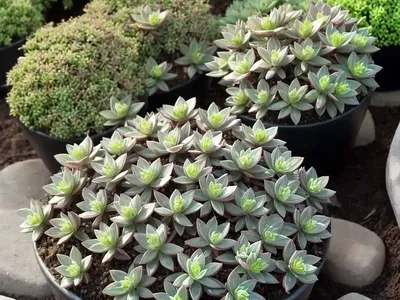
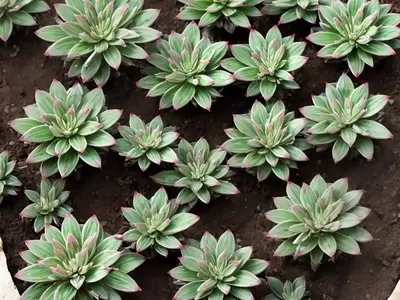
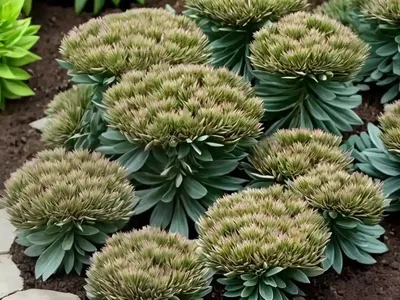
Sedum Spectabile ‘Neon’ (Stonecrop)
Sedum spectabile ‘Neon’, commonly known as Stonecrop, is a stunning perennial plant that is cherished for its resilience, low maintenance, and vibrant.
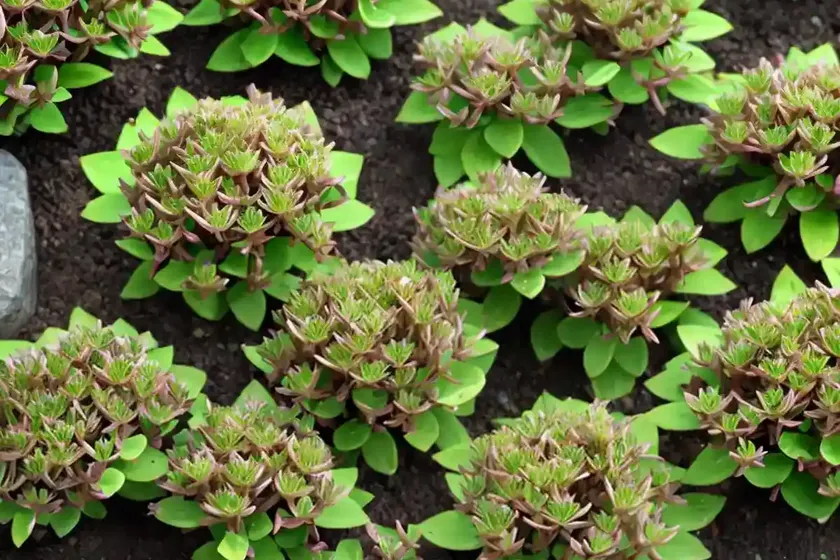
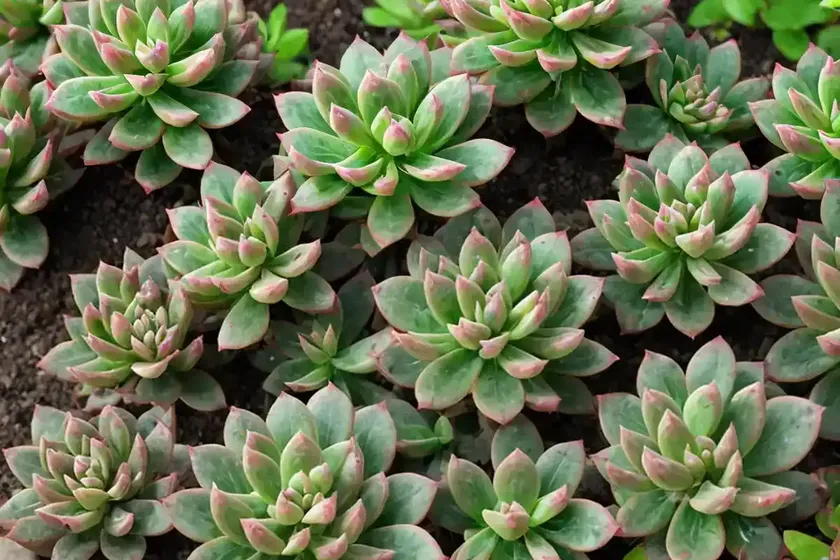
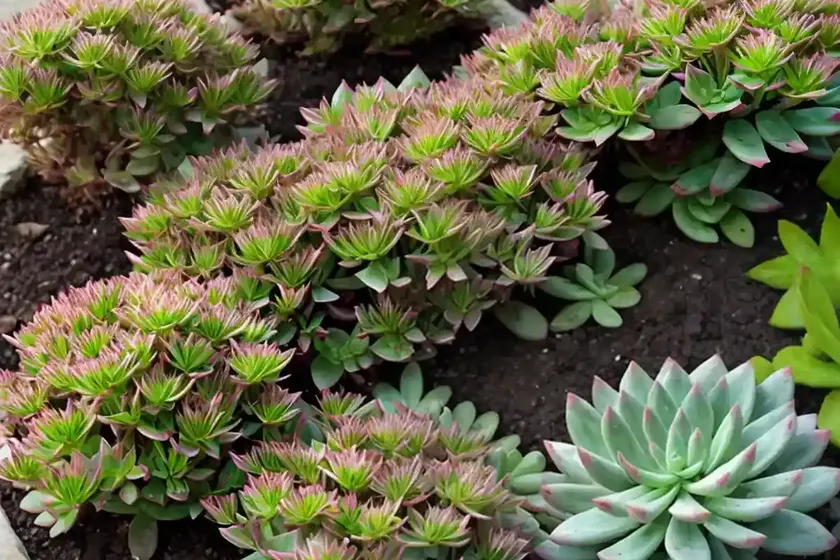
Sedum spectabile ‘Neon’, commonly known as Stonecrop, is a stunning perennial plant that is cherished for its resilience, low maintenance, and vibrant aesthetic appeal. Its attractive foliage and long-lasting blooms have made it a favored choice for gardeners, landscapers, and plant enthusiasts alike. In this comprehensive guide, we will delve into the various facets of this remarkable plant, offering insights into its care, uses, propagation, and much more. Whether you are a seasoned gardener or a novice plant enthusiast, this guide will equip you with the knowledge you need to cultivate and appreciate Sedum spectabile ‘Neon’ to its fullest potential.
What is Sedum spectabile ‘Neon’?
Sedum spectabile ‘Neon’, belonging to the Crassulaceae family, is a herbaceous perennial plant hailing from the mountainous regions of Asia and Europe. It is renowned for its succulent foliage and striking clusters of flowers, which are a magnet for butterflies and bees. The plant typically forms a clump of thick, fleshy leaves and produces dense flower heads in late summer, bringing lively splashes of color to gardens and landscapes.
Key Takeaways
Before we delve into the intricacies of caring for Sedum spectabile ‘Neon’, let’s explore some of the key takeaways that will guide our discussion:
- Plant Name: Sedum spectabile ‘Neon’ (Stonecrop)
- Common Names: Neon Stonecrop, Showy Stonecrop
- Family: Crassulaceae
- Plant Type: Herbaceous Perennial
- Flower Color: Pink
- Blooming Season: Late Summer to Fall
- Hardiness Zones: 3-9
- Mature Height: 18-24 inches
- Mature Spread: 18-24 inches
- Water Needs: Low to Moderate
- Light Requirements: Full Sun to Partial Shade
- Soil Type: Well-draining, Sandy, Loamy
- Propagation Methods: Division, Stem Cuttings
- Uses: Groundcover, Border Plant, Container Plant, Pollinator Garden
Armed with these key points, we will now navigate through the various aspects of Sedum spectabile ‘Neon’ care and cultivation, ensuring that you have a comprehensive understanding of this remarkable plant.
Culture
The culture of Sedum spectabile ‘Neon’ encompasses its environmental preferences, growth habits, and overall care requirements. Understanding the plant’s cultural needs is crucial for fostering its health and vitality in your garden or landscape. Let’s explore the different elements of the plant’s culture:
Water
Sedum spectabile ‘Neon’ is classified as a drought-tolerant plant, indicating its capability to withstand extended periods of dryness. While the plant is resilient in the face of limited water availability, it does benefit from occasional watering, particularly during prolonged dry spells. When watering the plant, it is essential to allow the soil to dry out between waterings to prevent waterlogging, which can lead to root rot.
- Water Needs: Low to Moderate
- Watering Frequency: Allow soil to dry out between waterings
- Ideal Watering Method: Water at the base of the plant to prevent moisture-related diseases
Sunlight
As a sun-loving plant, Sedum spectabile ‘Neon’ thrives in bright, full sun conditions. Adequate sunlight is crucial for promoting robust growth, vibrant flower production, and the development of its characteristic succulent foliage. While the plant flourishes in full sun, it also adapts well to partial shade, making it a versatile addition to various garden settings.
- Light Requirements: Full Sun to Partial Shade
- Ideal Sun Exposure: At least 6-8 hours of direct sunlight per day
- Best Placement: South or West-facing locations for optimal sunlight exposure
Soil
The soil requirements of Sedum spectabile ‘Neon’ revolve around well-draining, nutrient-rich substrates that promote healthy root development and overall plant vigor. The plant thrives in various soil types, including sandy and loamy soils, as long as they facilitate efficient drainage to prevent water stagnation around the roots.
- Soil Type: Well-Draining, Sandy, Loamy
- pH Range: Slightly Acidic to Neutral (6.0-7.0)
- Soil Amendments: Incorporate organic matter to improve soil structure and fertility
Fertilizer
Sedum spectabile ‘Neon’ is relatively modest in its fertilizer requirements, benefiting from occasional nutrient supplementation during its active growth phases. A balanced, slow-release fertilizer can be applied in the spring to provide the plant with essential nutrients for the upcoming growing season. Moreover, incorporating organic compost into the soil can enhance its fertility and promote the long-term health of the plant.
- Fertilization Frequency: Once a year in early spring
- Fertilizer Type: Balanced, Slow-Release Fertilizer (10-10-10)
- Application Method: Apply fertilizer at the base of the plant, following manufacturer’s instructions
Pruning
Pruning is an essential aspect of maintaining the health and appearance of Sedum spectabile ‘Neon’. Regular deadheading of spent flowers not only encourages a prolonged blooming period but also prevents the plant from expending energy on seed production. Additionally, removing dead or damaged foliage and stems contributes to the overall aesthetics and vitality of the plant.
- Deadheading: Remove spent flowers as they fade to prolong blooming
- Pruning Schedule: Spring (to remove winter-damaged growth) and Fall (to tidy up the plant before winter)
- Tool Sanitization: Disinfect pruning tools to prevent the spread of diseases
Uses
The versatility of Sedum spectabile ‘Neon’ extends to its wide array of uses in garden landscapes and horticultural settings. From its role as a groundcover to its suitability for container gardening, the plant offers valuable utility in numerous contexts. Let’s uncover the diverse uses of this captivating stonecrop:
Groundcover
With its spreading growth habit and dense foliage, Sedum spectabile ‘Neon’ serves as an excellent groundcover, creating a visually striking carpet of succulent leaves and colorful flowers. The plant’s ability to tolerate varying soil conditions makes it an ideal candidate for groundcover applications in different garden settings.
- Groundcover Spacing: Plant 18-24 inches apart for effective coverage
- Erosion Control: Use Sedum spectabile ‘Neon’ to stabilize slopes and prevent soil erosion
- Mixed Plantings: Pair with other groundcovers for a dynamic and textured landscape
Border Plant
Sedum spectabile ‘Neon’ adds depth and visual interest to garden borders, whether planted en masse or integrated with other flowering perennials. Its compact stature and vibrant blooms make it an eye-catching choice for delineating garden beds and pathways.
- Border Design: Combine with complementary perennials for a harmonious border display
- Height Variation: Utilize Sedum spectabile ‘Neon’ alongside plants of varying heights to create a layered border
Container Plant
Container gardening enthusiasts appreciate the versatility of Sedum spectabile ‘Neon’ as a potted specimen. Whether grown in standalone containers or incorporated into mixed plantings, the plant’s resilience and ornamental appeal make it an exceptional choice for adding visual charm to patios, balconies, and outdoor living spaces.
- Container Size: Select pots with adequate drainage and sufficient space for root development
- Mixed Containers: Pair with other sun-loving, drought-tolerant plants for dynamic container combinations
- Seasonal Display: Incorporate Sedum spectabile ‘Neon’ into seasonal container displays for year-round interest
Pollinator Garden
As an attractive nectar source for pollinators, including butterflies and bees, Sedum spectabile ‘Neon’ contributes to the creation of vibrant, wildlife-friendly pollinator gardens. Its late-season blooms provide a vital food source for pollinating insects, supporting biodiversity and ecological balance in garden ecosystems.
- Pollinator Attraction: Observe and document the diverse array of pollinators that visit the plant’s flowers
- Ecological Impact: Contribute to the conservation of pollinator species by providing nectar-rich plants like Sedum spectabile ‘Neon’
Propagation
The propagation of Sedum spectabile ‘Neon’ enables gardeners to expand their plant collection, share specimens with others, and rejuvenate existing plantings. Understanding the various propagation methods empowers individuals to propagate the plant successfully and with confidence. Let’s explore the primary propagation techniques for this captivating stonecrop:
Division
Division is one of the most straightforward methods of propagating Sedum spectabile ‘Neon’. It involves separating the plant into smaller sections, each with its own root system and growth points. Division is typically carried out in spring and is conducive to the rejuvenation of established plantings.
- Timing: Early Spring, before new growth emerges
- How-To: Dig up the plant and carefully separate the clumps into smaller sections using a sharp, clean tool
- Replanting: Transplant the divided sections into prepared soil, ensuring adequate spacing between the new plantings
Stem Cuttings
Stem cuttings offer an efficient means of producing new Sedum spectabile ‘Neon’ plants from existing stems. This propagation method is particularly suitable for generating numerous new plants from a single parent specimen and is often practiced by gardeners seeking to expand their plant collection.
- Cuttings: Select healthy, non-flowering stems for propagation
- Rooting Medium: Utilize a well-draining rooting medium, such as perlite or coarse sand, to encourage root development
- Rooting Hormone: Consider using a rooting hormone to expedite the rooting process and enhance cutting viability
Popularity
The rising popularity of Sedum spectabile ‘Neon’ can be attributed to its appealing attributes, ease of care, and diverse uses in garden landscapes. The plant’s resilience, low maintenance requirements, and captivating aesthetic have endeared it to gardeners and landscapers worldwide, earning it a prominent position in horticultural circles. Let’s explore the factors contributing to the burgeoning popularity of this remarkable stonecrop:
- Aesthetics: The vivid display of pink flowers against succulent green foliage creates an eye-catching spectacle in gardens and landscapes.
- Low Maintenance: Sedum spectabile ‘Neon’ thrives in various environmental conditions and is remarkably undemanding in terms of care, making it an attractive choice for busy gardeners.
- Wildlife Support: As a valuable nectar source for pollinating insects, the plant contributes to the creation of biodiverse, pollinator-friendly habitats.
- Landscape Versatility: From groundcovers and border plants to container specimens, the plant offers multifaceted utility in diverse garden settings, contributing to its widespread appeal.
Common Diseases
While Sedum spectabile ‘Neon’ is known for its robust nature, it is susceptible to certain diseases that can affect its health and appearance if left unaddressed. Familiarizing yourself with the common diseases that affect the plant equips you with the knowledge to identify, prevent, and manage these ailments effectively. Let’s explore some of the prevalent diseases that may impact Sedum spectabile ‘Neon’:
Powdery Mildew
Powdery mildew, characterized by the development of powdery white patches on the plant’s leaves and stems, is a common fungal disease that can afflict Sedum spectabile ‘Neon’. This fungal infection thrives in humid conditions and can weaken the plant if not mitigated promptly.
- Prevention: Promote good air circulation around the plant by providing adequate spacing and avoiding overhead watering
- Treatment: Apply a fungicidal spray formulated for powdery mildew to combat the fungal growth
Crown Rot
Crown rot is a potentially devastating disease that affects the base of the plant, leading to rotting of the crown and subsequent wilting of the foliage. This condition is often associated with poorly drained soils and excessive moisture around the plant’s base.
- Prevention: Ensure well-draining soil conditions and avoid overwatering, particularly during periods of high humidity
- Treatment: If crown rot is detected, remove affected plant parts and improve soil drainage to prevent further damage
Leaf Spot
Leaf spot diseases manifest as dark, discolored spots on the foliage of Sedum spectabile ‘Neon’, compromising the plant’s visual appeal and overall vitality. Leaf spot diseases are often caused by fungal pathogens that thrive in moist environments.
- Prevention: Water the plant at the base to minimize foliage wetness and apply a layer of mulch to prevent soil splash onto the leaves
- Treatment: Prune and discard affected plant parts, and consider applying a fungicidal treatment to mitigate the spread of the disease
Disease Diagnosis
Diagnosing diseases in Sedum spectabile ‘Neon’ involves careful observation of the plant’s physical symptoms and an understanding of the environmental factors that may contribute to disease development. By honing your skills in disease diagnosis, you can promptly identify and address potential issues, safeguarding the health and longevity of your stonecrop. Let’s explore the diagnostic process for common diseases:
Symptom Recognition
- Powdery Mildew: Look for powdery white patches on the leaves and stems, often found in shaded, humid areas of the plant.
- Crown Rot: Observe for wilting, browning, and rotting of the base of the plant, particularly after periods of excessive moisture.
- Leaf Spot: Identify the presence of dark, spotted lesions on the foliage, which may enlarge and lead to leaf yellowing and premature drop.
Environmental Assessment
- Moisture Levels: Evaluate the soil moisture and drainage, as excessive moisture can predispose the plant to fungal diseases.
- Air Circulation: Assess the plant’s growing environment for adequate air movement, as poor circulation can promote fungal growth and disease development.
- Microclimate Factors: Consider the microclimatic conditions, including humidity levels and sunlight exposure, which can influence disease prevalence.
Sample Analysis
In cases where disease diagnosis is challenging or uncertain, consider obtaining a professional consultation or diagnostic analysis to identify the specific pathogens or environmental factors contributing to the plant’s condition.
Common Pests
Sedum spectabile ‘Neon’ may encounter various pests that can compromise its health and appearance if left unmitigated. Familiarizing oneself with the common pests and their management strategies is essential for protecting the plant from potential infestations. Let’s explore some of the prevalent pests that may affect Sedum spectabile ‘Neon’:
Aphids
Aphids are small, sap-sucking insects that can congregate on the tender shoots and flower buds of Sedum spectabile ‘Neon’, causing stunted growth and distortion of new growth. These pests reproduce rapidly and can colonize the plant if not controlled.
- Management: Use a strong stream of water to dislodge aphids from the plant, or consider applying insecticidal soap to eradicate infestations.
Snails and Slugs
Snails and slugs are notorious for feeding on the succulent leaves of Sedum spectabile ‘Neon’, leaving behind ragged, chewed foliage. These pests are particularly active during periods of high humidity and can be detrimental to the plant if populations are left unaddressed.
- Control Methods: Employ physical barriers, such as copper tape or diatomaceous earth, to deter snails and slugs from accessing the plant, or utilize pet-safe slug baits for targeted control.
Spider Mites
Spider mites are minuscule pests that feed on the underside of the plant’s leaves, causing stippling, discoloration, and webbing in severe infestations. These pests thrive in hot, dry conditions and can proliferate rapidly, particularly in sheltered garden environments.
- Mitigation: Introduce natural predators, such as predatory mites or ladybugs, to control spider mite populations, or apply horticultural oil to suffocate and deter the pests.
Botanist’s Tips
As pioneering botanists and horticulturists, we are privileged to share invaluable tips and insights that can enhance your experience in cultivating Sedum spectabile ‘Neon’. Our expertise and passion for plants enable us to offer guidance and recommendations that contribute to the success and enjoyment of your horticultural pursuits. Let’s delve into a collection of botanist’s tips for cultivating and appreciating this remarkable stonecrop:
Tip 1: Embrace Seasonal Variations
Observe and appreciate the seasonal changes in Sedum spectabile ‘Neon’, from its emergence in spring to the vibrant bloom display in the late summer and fall. Embracing these seasonal variations enhances your connection to the plant and fosters a deeper appreciation for its life cycle.
Tip 2: Experiment with Companion Plants
Explore diverse companion plantings that complement the visual appeal and cultural requirements of Sedum spectabile ‘Neon’. Pairing the plant with ornamental grasses, coneflowers, and other pollinator-friendly perennials can create captivating garden displays with dynamic interplay between different plant species.
Tip 3: Engage with Horticultural Communities
Engage with local gardening clubs, online forums, and horticultural societies to exchange insights, experiences, and resources related to Sedum spectabile ‘Neon’. Contributing to and benefiting from collective knowledge enhances your understanding and enjoyment of cultivating this captivating stonecrop.
Tip 4: Document Your Journey
Capture the growth, blooming phases, and ecological interactions of Sedum spectabile ‘Neon’ through photography, journaling, or artistic expression. Documenting your journey with the plant creates a personalized record of its evolution and allows for reflection and learning over time.
Tip 5: Foster Wildlife Diversity
Acknowledge and celebrate the role of Sedum spectabile ‘Neon’ in supporting diverse wildlife, including pollinators and beneficial insects. By fostering wildlife diversity in garden settings, you contribute to the conservation of ecological balance and biodiversity.
Fun Facts
Uncover intriguing fun facts about Sedum spectabile ‘Neon’, illuminating the distinctive characteristics and plant lore that enrich the narrative of this exceptional stonecrop:
- Sedum spectabile ‘Neon’ is renowned for its resilience in challenging environments, including rocky outcrops, coastal regions, and arid landscapes.
- The plant’s succulent foliage and water-storing capabilities contribute to its ability to thrive in drought-prone conditions.
- Sedum spectabile ‘Neon’ is highly favored as a xeriscape plant, requiring minimal irrigation and offering enduring beauty in water-wise landscapes.
- The succulent leaves of the plant have been utilized in traditional herbal medicine for their purported medicinal properties and ornamental value.
Links to External Resources
Expand your knowledge and exploration of Sedum spectabile ‘Neon’ by accessing authoritative and informative external resources from reputable horticultural organizations, botanical gardens, and educational institutions:
- Royal Horticultural Society (RHS) – The RHS provides comprehensive guidance on the cultivation and care of Sedum spectabile ‘Neon’, along with a wealth of horticultural information.
- Missouri Botanical Garden – Access educational resources, plant profiles, and gardening advice from the experts at the Missouri Botanical Garden. Explore their plantfinder tool for detailed information on Sedum spectabile ‘Neon’.
- University Extension Services – University extension services offer research-based insights into the cultivation, propagation, and management of ornamental plants, including Sedum spectabile ‘Neon’.
Through these external resources, you can further enrich your understanding of Sedum spectabile ‘Neon’ and tap into a wealth of expertise and guidance from esteemed horticultural entities.
In conclusion, our journey through the captivating realm of Sedum spectabile ‘Neon’ (Stonecrop) has