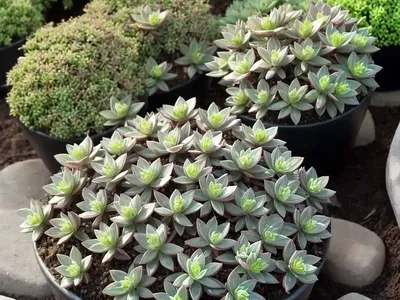
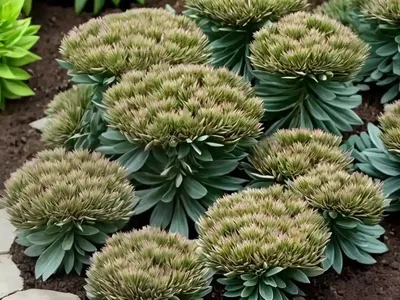
Showy Stonecrop (Hylotelephium Spectabile)
Plants have always fascinated humanity with their diversity and beauty. Among the widely admired plant species is the Showy Stonecrop, scientifically known.



Introduction
Plants have always fascinated humanity with their diversity and beauty. Among the widely admired plant species is the Showy Stonecrop, scientifically known as Hylotelephium Spectabile. As a plant scientist, it is my pleasure to provide a comprehensive guide to this remarkable plant, covering its culture, uses, care, and much more.
In this guide, we will delve into the various aspects of the Showy Stonecrop, including its cultural needs, propagation techniques, common diseases and pests, and interesting facts. Moreover, the article will serve as a valuable resource for both novice gardeners and experienced horticulturists who wish to cultivate or learn more about the Showy Stonecrop.
What is the Showy Stonecrop (Hylotelephium Spectabile)?
The Showy Stonecrop, also known by its scientific name Hylotelephium Spectabile, is a succulent perennial belonging to the family Crassulaceae. This plant is native to China and Korea, but it is widely cultivated in various regions for its ornamental value and hardiness.
Also referred to as Sedum spectabile, Stonecrop plant, or Autumn Joy, this species is celebrated for its dense clusters of star-shaped flowers that bloom in late summer to early fall, creating a stunning display of color in the garden. Its robust, succulent foliage and its remarkable ability to attract pollinators further contribute to its popularity among gardeners.
Key Takeaways – Showy Stonecrop (Hylotelephium Spectabile)
This section will provide a quick overview of the key takeaways concerning the cultural requirements, uses, and care of the Showy Stonecrop. Subsequent sections will delve into each aspect in more detail.
Culture
- Water: Moderate water requirement; avoid overwatering as it can lead to root rot.
- Sunlight: Thrives in full sun but can tolerate partial shade.
- Fertilizer: Requires minimal fertilization, particularly in nutrient-rich soils.
- Soil: Well-draining, moderately fertile soil is ideal.
- Pruning: Minimal pruning required; deadheading encourages prolonged blooming.
Uses
- Ornamental plant in garden borders, rock gardens, and container gardens.
- Attracts pollinators such as butterflies and bees.
- Drought-tolerant landscaping choice.
Propagation
- Propagated through stem cuttings or division of mature plants.
Common Diseases
- Vulnerable to root rot if overwatered.
- Susceptible to powdery mildew in humid conditions.
Common Pests
- Attracts aphids, which can be managed through natural predators or insecticidal soaps.
Botanist’s Tips
- Suitable for xeriscaping and low-maintenance landscapes.
- Deadheading spent flowers encourages regrowth and prolongs flowering.
Fun Facts
- The succulent foliage of the Showy Stonecrop stores water, enabling it to thrive in arid conditions.
- The plant’s nectar-rich flowers are irresistible to butterflies and other pollinators.
Links to External Resources
For additional information, detailed care guides, and online plant communities, the following external resources can be valuable:
- Royal Horticultural Society (RHS)
- Missouri Botanical Garden
- American Horticultural Society
- GardenGuides
Now, let’s delve into the specific aspects of the Showy Stonecrop, starting with its cultural requirements.
Culture
The cultural requirements of the Showy Stonecrop play a pivotal role in determining its growth and overall well-being. Here’s an in-depth analysis of its water, sunlight, fertilizer, soil, and pruning needs.
Water
The Showy Stonecrop exhibits moderate water requirements and is remarkably resilient in drought-prone environments. However, it is crucial to note that while the plant is tolerant of dry conditions, adequate watering is still essential for optimum growth.
Key Points:
- Watering Frequency: Water the Showy Stonecrop infrequently but deeply, allowing the soil to dry slightly between waterings.
- Avoid Overwatering: Excessive moisture can lead to root rot, particularly in poorly draining soils. Ensure that the planting site provides adequate drainage to prevent waterlogging.
Sunlight
As a sun-loving succulent, the Showy Stonecrop thrives when provided with abundant sunlight. While it can tolerate partial shade, the best flowering and overall performance are achieved in full sun.
Key Points:
- Full Sun Exposure: Plant the Showy Stonecrop in an area where it can receive at least 6-8 hours of direct sunlight daily.
- Partial Shade Tolerance: While it prefers full sun, it can adapt to partial shade, especially in regions with intense heat.
Fertilizer
Unlike many other flowering perennials, the Showy Stonecrop has minimal fertilizer requirements. This characteristic makes it an excellent low-maintenance choice for gardens and landscapes.
Key Points:
- Minimal Fertilization: Amend the soil with a balanced, slow-release fertilizer during the growing season, particularly in nutrient-poor soils.
- Avoid Excess Nitrogen: Refrain from using high-nitrogen fertilizers, as they can lead to excessive foliage growth at the expense of flower production.
Soil
Well-draining, moderately fertile soil is ideal for the Showy Stonecrop. The plant’s succulent nature allows it to thrive in various soil types, provided they offer adequate drainage.
Key Points:
- Drainage: Ensure the planting site offers good drainage to prevent waterlogging and root rot.
- Soil Amendments: Incorporate organic matter or coarse sand into heavy clay soils to improve drainage.
- Soil pH: The Showy Stonecrop adapts well to a wide range of soil pH levels, from slightly acidic to slightly alkaline.
Pruning
Pruning requirements for the Showy Stonecrop are minimal, mainly revolving around deadheading spent flowers to encourage prolonged blooming and overall tidiness.
Key Points:
- Deadheading: As the plant finishes blooming, remove spent flower heads to promote continued flowering and prevent self-seeding.
- Division: Optionally, divide mature plants every few years to maintain vigor and prevent overcrowding.
Uses
The Showy Stonecrop is valued for its versatility and aesthetic appeal, making it a popular choice for various landscaping and gardening purposes. Its uses range from ornamental plantings to attracting pollinators and providing drought-tolerant landscaping options.
Ornamental Use
The Showy Stonecrop serves as an exquisite ornamental plant in various garden settings, adding visual interest and vibrant colors to the landscape. Its broad flower heads and succulent foliage make it an attractive choice for:
- Garden Borders: Plant the Showy Stonecrop in garden borders, where its late-season blooms add a burst of color and allure.
- Rock Gardens: Incorporate this succulent perennial into rock gardens and alpine plantings for its resilience and visual appeal.
- Container Gardens: Utilize the Showy Stonecrop in container gardens, where its drought tolerance and low maintenance are highly advantageous.
Pollinator Attraction
The nectar-rich flowers of the Showy Stonecrop are particularly attractive to pollinators, making it a significant contributor to wildlife-friendly gardens.
- Butterfly Gardens: As a pollinator magnet, this plant is a valuable addition to habitats designed to attract butterflies and other beneficial insects.
- Bee-Friendly Landscapes: The abundant nectar of the Showy Stonecrop’s flowers appeals to bees, aiding in the promotion of pollination and biodiversity.
Drought-Tolerant Landscaping
The Showy Stonecrop’s remarkable resilience to drought makes it an ideal choice for water-wise landscapes and low-maintenance gardens.
- Xeriscaping: Utilize the Showy Stonecrop in xeriscape designs, where its drought tolerance and minimal water requirements contribute to sustainable landscaping efforts.
- Low-Maintenance Landscapes: Incorporate this low-maintenance perennial into landscapes that prioritize water conservation and minimal upkeep.
Propagation
The propagation of the Showy Stonecrop can be achieved through various methods, allowing gardeners to expand their plantings or share this beautiful species with others.
Stem Cuttings
Propagation through stem cuttings offers a simple and effective method for creating new Showy Stonecrop plants.
Key Steps:
- Select a healthy stem from the parent plant, ensuring it has several nodes (points where leaves emerge) along its length.
- Using sharp, sterile pruning shears, take a 3- to 4-inch cutting, making a clean cut just below a leaf node.
- Remove the lower leaves from the cutting, leaving only a few at the top.
- Dip the cut end in rooting hormone to encourage root development.
- Plant the cutting in a well-draining growing medium, and provide it with light moisture and warmth until roots develop.
Division
Dividing mature Showy Stonecrop plants is an effective way to rejuvenate the originals and create new plants for additional garden areas.
Key Steps:
- In early spring or fall, lift the mature plant from the ground using a garden fork, being careful not to damage the roots.
- Gently tease the plant apart into smaller sections, each containing healthy roots and shoots.
- Replant the divisions in prepared soil, water them thoroughly, and monitor their progress as they establish themselves.
Seed Propagation
While less commonly utilized, seed propagation can also be employed to propagate the Showy Stonecrop.
Key Steps:
- Collect the seeds from mature seed heads once they have dried on the plant.
- Sow the seeds in a well-draining starting mix, barely covering them with a thin layer of the medium.
- Maintain consistently moist, but not waterlogged, conditions until the seeds germinate.
By employing these propagation methods, gardeners can propagate the Showy Stonecrop, expanding their plantings and enjoying the process of growing new generations.
Common Diseases
While generally resilient, the Showy Stonecrop is susceptible to certain diseases that can affect its health and vigor if not addressed promptly.
Disease Diagnosis
- Root Rot: Overly wet conditions can cause the roots of the Showy Stonecrop to rot, leading to wilting, yellowing foliage, and a general decline in the plant’s health. To diagnose root rot, gently lift the plant from the soil and inspect the roots for signs of decay and discoloration.
Preventive Measures: Ensure well-draining soil and moderate watering to mitigate the risk of root rot. Amend the soil with organic matter to improve drainage in heavy soils.
- Powdery Mildew: In humid or poorly ventilated conditions, the Showy Stonecrop is prone to powdery mildew, characterized by white, powdery growth on the leaves.
Preventive Measures: Provide adequate air circulation and avoid overhead watering to reduce humidity around the plant. When mildew is detected, remove affected foliage and consider applying a fungicidal spray to mitigate its spread.
Common Pests
The Showy Stonecrop is relatively resistant to pest infestations, but certain common garden pests may pose occasional challenges to its health and aesthetics.
Aphids
Aphids are a common nuisance in gardens and can occasionally affect the Showy Stonecrop by feeding on its tender shoots and foliage.
Control Measures:
- Natural Predators: Encourage natural aphid predators, such as ladybugs and lacewings, to manage aphid populations without the need for chemical intervention.
- Insecticidal Soaps: If aphid infestations become problematic, use insecticidal soaps to control their numbers while minimizing impact on beneficial insects.
By remaining vigilant and promptly addressing pest issues, gardeners can effectively maintain the health and beauty of their Showy Stonecrop plants.
Botanist’s Tips
Based on extensive experience and observation, several botanical insights and tips for cultivating the Showy Stonecrop have been identified.
Xeriscaping and Low-Maintenance Landscapes
The Showy Stonecrop is an excellent candidate for xeriscaping and low-maintenance landscapes due to its drought tolerance and minimal care requirements.
Recommendations:
- Water-Wise Landscapes: Utilize the Showy Stonecrop in gardens and landscapes that prioritize water conservation and sustainability.
- Low-Maintenance Design: As a low-maintenance plant, the Showy Stonecrop is an ideal choice for gardens that require minimal upkeep and attention.
Deadheading for Prolonged Blooming
Deadheading spent flowers of the Showy Stonecrop is a simple yet effective practice that promotes continuous flowering and prevents self-seeding.
Best Practices:
- Regular Deadheading: Remove faded flower heads promptly to encourage the development of new buds and prolonged flowering.
Fun Facts
The Showy Stonecrop is not only a beautiful addition to gardens but also possesses engaging and noteworthy characteristics.
Water Storage Adaptation
The succulent leaves of the Showy Stonecrop are designed for water storage, enabling the plant to thrive in arid and challenging environments.
Adaptive Feature:
- Succulent Foliage: The fleshy, water-storing leaves of the Showy Stonecrop enable the plant to withstand periods of drought and neglect.
Pollinator Magnet
The nectar-rich flowers of the Showy Stonecrop are esteemed for their ability to attract and support pollinators, adding ecological value to gardens.
Pollinator Attraction:
- Butterfly-Friendly Plant: The abundant flowers of the Showy Stonecrop beckon butterflies, creating a welcoming environment for these beneficial insects.
Conclusion
In conclusion, the Showy Stonecrop (Hylotelephium Spectabile) is a remarkable plant with numerous attributes that make it an esteemed choice for ornamental, pollinator-friendly, and low-maintenance landscapes. By understanding its cultural requirements, uses, propagation methods, common diseases, and pests, gardeners can cultivate and appreciate this species to its fullest potential.
This comprehensive guide aims to provide valuable insights and practical tips for nurturing the Showy Stonecrop, enriching gardens and landscapes with its vibrant blooms and resilient nature. With proper care and attention, the Showy Stonecrop has the potential to thrive and captivate in a wide range of garden settings.
Whether you are a seasoned horticulturist or a novice gardener, the Showy Stonecrop offers a rewarding and aesthetically pleasing addition to your outdoor spaces. As you embark on the journey of growing and nurturing this exceptional plant, let these insights and tips guide you towards creating a thriving and visually captivating garden environment.
For additional information on the Showy Stonecrop, as well as detailed care guides and online plant communities, please refer to the following external resources: