Sedum spathulifolium ‘Cape Blanco’ (Broadleaf Stonecrop): A Comprehensive Guide
As a plant scientist with a passion for exploring and understanding plant life, I am thrilled to delve into the intriguing world of Sedum spathulifolium ‘Cape Blanco’, also known as Broadleaf Stonecrop. In this comprehensive guide, we will explore the culture, uses, care, and maintenance of this fascinating succulent. Whether you are a seasoned gardener or just beginning your journey with plants, this guide aims to provide valuable insights and practical tips for cultivating and enjoying the beauty of Sedum spathulifolium ‘Cape Blanco’.
What is Sedum spathulifolium ‘Cape Blanco’?
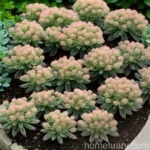
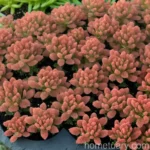
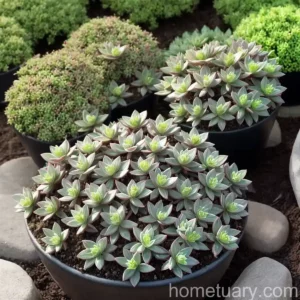
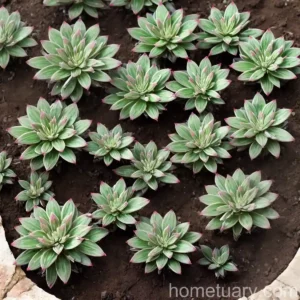
Sedum spathulifolium ‘Cape Blanco’, a member of the Crassulaceae family, is a low-growing evergreen succulent native to the rocky coastal bluffs of North America. This striking groundcover plant is characterized by its spoon-shaped, silvery-green foliage that forms dense rosettes. The plant’s unique appearance, combined with its resilience and low maintenance requirements, makes it a popular choice for gardeners, landscapers, and plant enthusiasts.
Key Takeaways – Sedum spathulifolium ‘Cape Blanco’
Before we dive into the specifics of cultivating Sedum spathulifolium ‘Cape Blanco’, let’s outline some key takeaways about this captivating plant.
- Botanical Name: Sedum spathulifolium ‘Cape Blanco’
- Common Name: Broadleaf Stonecrop
- Plant Type: Evergreen perennial succulent
- Foliage: Spoon-shaped, silvery-green rosettes
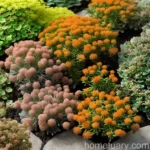
- Uses: Groundcover, rock gardens, containers
- Hardiness Zone: 5 – 9
- Watering: Low to moderate water requirements
- Sunlight: Full sun to partial shade
- Maintenance: Low maintenance, drought-tolerant
- Propagation: Easily propagated from stem cuttings or offsets
Now that we have a basic understanding of Sedum spathulifolium ‘Cape Blanco’, let’s explore its culture, uses, and the essential elements for ensuring its healthy growth.
Culture
The culture of Sedum spathulifolium ‘Cape Blanco’ encompasses various factors, including its water, sunlight, soil, and fertilizer requirements. Understanding the cultural needs of this plant is essential for creating an optimal environment for its growth and development.
Water
One of the remarkable characteristics of Sedum spathulifolium ‘Cape Blanco’ is its ability to thrive in dry, well-draining soil. As a drought-tolerant plant, it is crucial to avoid overwatering, which can lead to root rot and other moisture-related issues. In most regions, natural rainfall may provide an adequate amount of moisture for the plant. However, during prolonged dry spells, especially in containers, some supplementary watering may be necessary.
- Watering frequency: Once established, Sedum spathulifolium ‘Cape Blanco’ typically requires watering every 2-3 weeks, depending on weather conditions and soil moisture levels.
- Watering method: Water the plant at the base to prevent moisture from accumulating in the center of the rosettes, which can make it susceptible to rot.
Sunlight
Broadleaf Stonecrop thrives in full sun to partial shade, making it a versatile addition to various landscaping environments. When provided with ample sunlight, the plant’s foliage develops its characteristic silvery and sometimes bluish hues. In locations with limited sunlight, the plant may exhibit slightly greener foliage but can still maintain a healthy appearance.
- Sunlight requirements: Place Sedum spathulifolium ‘Cape Blanco’ in an area that receives at least 6 hours of direct sunlight per day for optimal growth and coloration.
- Light conditions: While the plant can tolerate partial shade, prolonged low-light conditions may lead to leggy growth and diminished color intensity.
Soil
The soil preferences of Sedum spathulifolium ‘Cape Blanco’ are closely tied to its native rocky coastal habitat. To mimic its natural environment, the plant thrives in well-draining, sandy, or rocky soil. While the soil need not be particularly fertile, it should allow excess moisture to drain away quickly, preventing waterlogged conditions.
- Soil type: Sandy loam, sandy, rocky, or gravelly soil
- Drainage: Excellent drainage is crucial to prevent root rot and other moisture-related issues.
- Soil pH: The plant tolerates a wide range of soil pH levels, from slightly acidic to slightly alkaline.
Fertilizer
Sedum spathulifolium ‘Cape Blanco’ is not a heavy feeder and generally requires minimal fertilization. Excessive fertilization can lead to overly lush growth, potentially compromising the plant’s natural resilience and compact form. Therefore, a cautious approach to fertilization is recommended, focusing on maintaining a balanced and healthy growth habit.
- Fertilization frequency: Apply a balanced, slow-release fertilizer once a year in early spring to support the plant’s growth and overall health. Alternatively, a light application of compost can provide the necessary nutrients without the risk of overfeeding.
Pruning
As a low-maintenance succulent, Sedum spathulifolium ‘Cape Blanco’ does not necessitate frequent pruning. However, periodic maintenance can help promote a tidy appearance and prevent the plant from becoming overly leggy or sprawling. Pruning primarily involves the removal of spent flower stems and maintaining the desired shape of the plant.
- Pruning frequency: Prune as needed to remove dried or spent flower stems and to shape the plant for aesthetic purposes.
- Tools: Use clean and sharp pruning shears to make precise cuts, minimizing the risk of damage to the plant.
Propagation
Sedum spathulifolium ‘Cape Blanco’ is easily propagated from stem cuttings or offsets, offering an opportunity to expand your plant collection or share its beauty with fellow gardening enthusiasts. Propagation is a rewarding process that allows you to create new plants from existing ones, fostering a deeper connection with the plant’s life cycle.
Stem Cuttings
- Select a healthy stem with several leaves attached.
- Using sharp, sterilized scissors or a knife, cut the stem close to the base of the plant.
- Allow the cutting to callus over for a day or two to prevent rotting.
- Plant the cutting in well-draining soil, lightly moistening the substrate.
Offsets
- Locate offsets, or small rosettes, that have developed at the base of the plant or along the stems.
- Gently separate the offsets from the main plant, ensuring that each possesses a small section of the stem.
- Plant the offsets in a suitable growing medium, providing the same care as mature plants.
Propagation from cuttings or offsets offers an excellent way to generate new plants with genetic characteristics similar to the parent plant, ensuring consistency in appearance and growth habits.
Container Popularity
Sedum spathulifolium ‘Cape Blanco’ is highly sought after for container gardening due to its adaptability, drought tolerance, and ornamental appeal. When grown in containers, the plant’s compact growth habit and attractive foliage make it an ideal choice for adorning outdoor spaces and creating decorative arrangements.
Container Selection
When choosing a container for Sedum spathulifolium ‘Cape Blanco’, prioritize options that provide adequate drainage and space for the plant to grow. Consider containers made of materials such as terra cotta, concrete, or durable plastic, all of which aid in moisture regulation and prevent water accumulation.
Container Arrangements
- Solo specimen: Showcase the beauty of a single Sedum spathulifolium ‘Cape Blanco’ plant in a decorative container, allowing its unique foliage to stand out as a focal point.
- Mixed container gardens: Combine Broadleaf Stonecrop with other succulents or drought-tolerant plants to create visually captivating and low-maintenance arrangements.
Container Maintenance
Regular maintenance of container-grown Sedum spathulifolium ‘Cape Blanco’ involves monitoring soil moisture levels, providing adequate sunlight, and occasionally fertilizing during the growing season. Additionally, periodic repotting may be necessary to prevent overcrowding and ensure the plant’s continued vitality.
Common Diseases and Pest Management
As resilient as Sedum spathulifolium ‘Cape Blanco’ may be, it is not immune to certain diseases and pest infestations. Understanding common issues that may affect the plant and implementing preventive measures is crucial for maintaining its health and vigor.
Disease Diagnosis
The following are some of the common diseases that may affect Sedum spathulifolium ‘Cape Blanco’:
-
Root rot: Often caused by excessive moisture and poor drainage, leading to rotting of the plant’s roots. Symptoms include wilting, yellowing foliage, and a foul odor emanating from the soil. To prevent root rot, ensure proper soil drainage and avoid overwatering.
-
Powdery mildew: Characterized by a white, powdery coating on the foliage, powdery mildew can hinder the plant’s photosynthesis and overall health. Adequate air circulation and preventive fungicidal sprays can help minimize the risk of powdery mildew.
-
Leaf spot: Leaf spot diseases may manifest as dark spots or lesions on the plant’s foliage, potentially leading to leaf discoloration and defoliation. Promptly remove and dispose of affected leaves to prevent the spread of the disease.
Common Pests
While Sedum spathulifolium ‘Cape Blanco’ exhibits a degree of resistance to pests, occasional infestations may occur. Some of the common pests that can affect the plant include:
- Aphids: These small, soft-bodied insects may cluster on the plant’s succulent foliage, feeding on its sap and potentially causing distorted growth and leaf yellowing.
- Mealybugs: Mealybugs are known for their white, cottony appearance and often colonize on the undersides of leaves and along the stems, weakening the plant and reducing its vigor.
Implementing integrated pest management strategies, such as the introduction of natural predators, regular inspection for early pest detection, and the targeted application of horticultural oils, can help effectively manage and prevent pest-related issues.
Botanist’s Tips
As a plant scientist with a deep appreciation for Sedum spathulifolium ‘Cape Blanco’, I offer the following tips to ensure successful cultivation and enjoyment of this remarkable succulent:
- Optimal drainage: Prioritize well-draining soil and containers to prevent moisture-related issues and promote healthy root development.
- Moderate watering: Exercise caution with watering, allowing the soil to partially dry out between waterings to maintain a balanced moisture level.
- Balanced sunlight: Find a suitable balance between full sun and partial shade to achieve vibrant foliage coloration and robust growth.
- Periodic maintenance: Engage in regular monitoring and maintenance, including pruning, propagating, and checking for signs of pests or diseases to uphold the plant’s health.
Fun Facts
To further appreciate the unique characteristics of Sedum spathulifolium ‘Cape Blanco’, consider the following fun facts:
- The plant’s species name, spathulifolium, is derived from the Latin word “spathula” (spoon) and “folium” (leaf), alluding to the shape of its distinct foliage.
- Sedum spathulifolium ‘Cape Blanco’ is a fantastic option for xeriscaping, as its drought tolerance and water-thrifty nature make it well-suited for water-conserving landscapes.
- In addition to its ornamental value, Broadleaf Stonecrop serves as an excellent pollinator-friendly plant, attracting bees, butterflies, and other beneficial insects with its nectar-rich flowers.
The multifaceted nature of Sedum spathulifolium ‘Cape Blanco’ and its diverse applications and characteristics make it a captivating addition to gardens, landscapes, and container gardens.
Links to External Resources
For further exploration of Sedum spathulifolium ‘Cape Blanco’ and its care, cultivation, and uses, consider the following external resources:
- The Royal Horticultural Society – Sedum spathulifolium
- Missouri Botanical Garden – Sedum spathulifolium
- University of California Agriculture & Natural Resources – Succulent Plant Care
These resources offer valuable insights, tips, and visual references to expand your knowledge of Sedum spathulifolium ‘Cape Blanco’ and its diverse characteristics.
In conclusion, Sedum spathulifolium ‘Cape Blanco’, with its striking foliage, adaptability, and minimal maintenance requirements, presents an excellent opportunity to enhance outdoor spaces, create visually captivating arrangements, and celebrate the inherent beauty of succulent plants. By incorporating the insights and tips from this guide into your plant care practices, you can anticipate the continued growth and vitality of this remarkable succulent in your garden or landscape.
Remember to take the time to appreciate the subtle intricacies of Sedum spathulifolium ‘Cape Blanco’ and observe the enduring beauty it brings to its surroundings, from rock gardens to container arrangements, and beyond. Happy gardening!