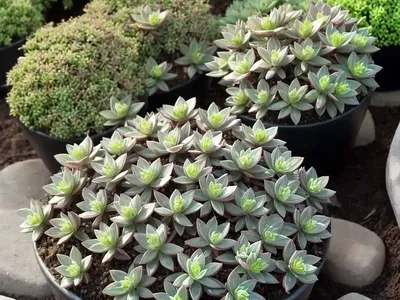
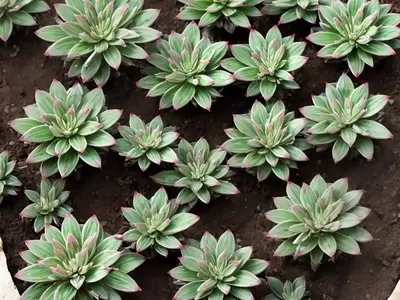
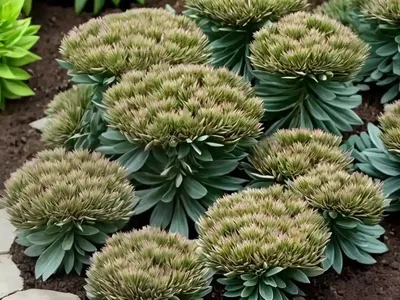
Sedum Kamtschaticum Var. Floriferum ‘Weihenstephaner Gold’ (Orange Stonecrop)
Sedum kamtschaticum var. floriferum ‘Weihenstephaner Gold’, more commonly known as Orange Stonecrop, is a perennial succulent plant that belongs to the.
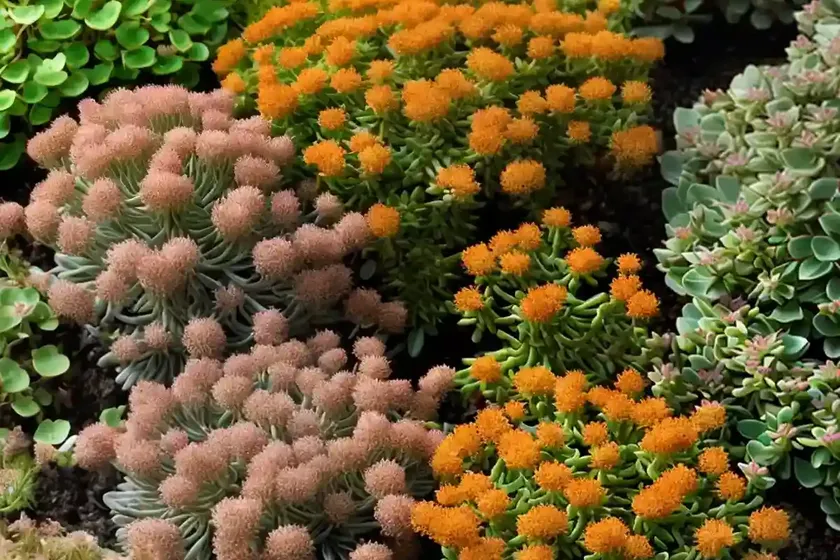
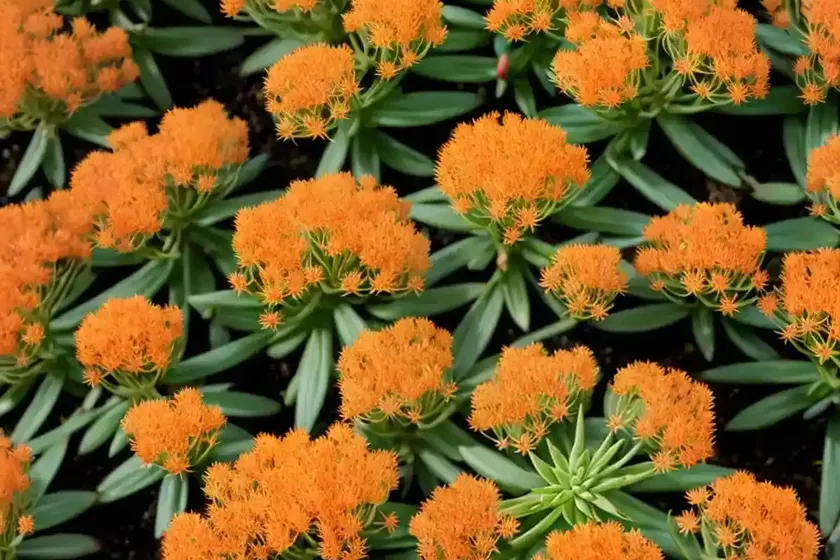
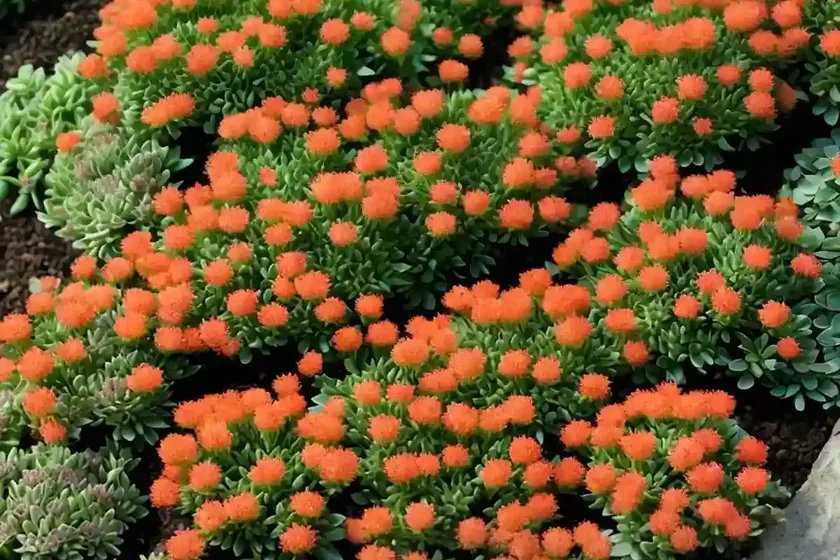
Sedum kamtschaticum var. floriferum ‘Weihenstephaner Gold’, more commonly known as Orange Stonecrop, is a perennial succulent plant that belongs to the Crassulaceae family. Its striking orange foliage and bright yellow star-shaped flowers make it a popular choice among gardeners and landscapers.
In this comprehensive guide, we will delve into the various aspects of Sedum kamtschaticum var. floriferum ‘Weihenstephaner Gold’, including its cultural requirements, uses, maintenance, and common diseases and pests. Whether you are a seasoned gardener or a novice plant enthusiast, this article aims to provide you with all the essential information you need to successfully grow and care for this beautiful succulent.
What is Sedum kamtschaticum var. floriferum ‘Weihenstephaner Gold’?
Sedum kamtschaticum var. floriferum ‘Weihenstephaner Gold’ is a low-growing perennial plant that forms a dense mat of succulent foliage. Its leaves are spoon-shaped, and they exhibit a vibrant orange color, especially during the cooler months. This plant blooms in late spring to early summer, producing clusters of bright yellow flowers that attract pollinators such as bees and butterflies.
As a ground cover, Orange Stonecrop is an excellent choice for rock gardens, dry slopes, and container plantings. Its ability to thrive in various growing conditions and its low maintenance requirements make it a popular option for gardeners looking to add color and texture to their landscapes.
Key Takeaways – Sedum kamtschaticum var. floriferum ‘Weihenstephaner Gold’
Here are the key takeaways for this unique plant:
- Common Name: Orange Stonecrop
- Botanical Name: Sedum kamtschaticum var. floriferum ‘Weihenstephaner Gold’
- Family: Crassulaceae
- Type: Perennial succulent
- Foliage: Orange, spoon-shaped leaves
- Flowers: Bright yellow star-shaped flowers
- Uses: Ground cover, rock gardens, container plantings
- Attributes: Drought-tolerant, low maintenance
Now that we have an overview of the plant, let’s explore its cultural requirements and how to best care for it in various settings.
Culture
The culture of Sedum kamtschaticum var. floriferum ‘Weihenstephaner Gold’ plays a crucial role in its overall health and appearance. Understanding its cultural needs is essential for ensuring optimal growth and performance in the garden or landscape.
Uses
Orange Stonecrop offers a range of uses in landscaping and garden design. Some of the common uses of Sedum kamtschaticum var. floriferum ‘Weihenstephaner Gold’ include:
- Ground Cover: Its low-growing, spreading habit makes it ideal for covering bare ground in sunny areas.
- Rock Gardens: The vibrant foliage and cheerful flowers add visual interest to rock gardens and alpine plantings.
- Container Plantings: Orange Stonecrop is well-suited for container gardens, where its cascading growth habit and colorful foliage create attractive displays.
Understanding these uses can help you envision how to incorporate Orange Stonecrop into your outdoor spaces.
Water
Like many succulent plants, Sedum kamtschaticum var. floriferum ‘Weihenstephaner Gold’ is adapted to surviving in dry conditions and has low to moderate water requirements. When establishing this plant in the garden, it is important to provide regular watering to help it establish a strong root system. Once established, it can tolerate periods of drought, making it an excellent choice for water-wise landscapes.
Here are some tips for watering Orange Stonecrop:
- Establishment: Water newly planted Orange Stonecrop regularly to keep the soil consistently moist but not waterlogged.
- Mature Plants: Once established, allow the soil to dry out between waterings to mimic its natural growing conditions.
- Container-grown Plants: Water container-grown Orange Stonecrop when the top inch of soil feels dry to the touch.
By understanding its water needs, you can ensure that your Sedum kamtschaticum var. floriferum ‘Weihenstephaner Gold’ thrives in your garden or landscape.
Sunlight
Proper sunlight is essential for the health and vigor of Sedum kamtschaticum var. floriferum ‘Weihenstephaner Gold’. As a sun-loving plant, it thrives in full sun to partial shade, provided that it receives at least 6 hours of direct sunlight each day. Insufficient light may result in leggy growth and reduced flowering.
Here are some guidelines for providing the right amount of sunlight for Orange Stonecrop:
- Outdoor Plantings: Choose a location with full sun to partial shade, ensuring that the plant receives sufficient sunlight throughout the day.
- Indoor Plantings: If growing Orange Stonecrop indoors, place it near a bright, sunny window where it can receive ample light.
By meeting its sunlight requirements, you can promote robust growth and abundant flowering in Sedum kamtschaticum var. floriferum ‘Weihenstephaner Gold’.
Fertilizer
Orange Stonecrop is not particularly demanding when it comes to fertilization. In fact, excessive fertilization can lead to excessive foliage growth at the expense of flowering. However, providing a modest amount of nutrients can support healthy growth and flowering in this succulent plant.
Consider the following tips for fertilizing Sedum kamtschaticum var. floriferum ‘Weihenstephaner Gold’:
- Timing: Apply a balanced, slow-release fertilizer in early spring as new growth begins. Avoid providing additional fertilizer during the growing season.
- Application: Sprinkle the fertilizer evenly around the base of the plant, then water thoroughly to incorporate the nutrients into the soil.
- Organic Options: Alternatively, you can use organic fertilizers such as compost or well-decomposed manure to enrich the soil.
By following these recommendations, you can promote the overall health and vitality of your Orange Stonecrop without overstimulating excessive growth.
Soil
Sedum kamtschaticum var. floriferum ‘Weihenstephaner Gold’ thrives in well-draining soils and is adaptable to various soil types, as long as they do not become waterlogged. Its preference for lean, nutrient-poor soils makes it an excellent choice for challenging garden areas with low fertility.
Here are some considerations for the soil requirements of Orange Stonecrop:
- Drainage: Ensure that the soil provides excellent drainage to prevent water accumulation around the roots.
- pH: Orange Stonecrop tolerates a wide range of soil pH levels, although it prefers slightly alkaline to neutral soils.
- Amendments: If the soil is heavy or poorly draining, amending it with sand or organic matter can improve its structure and drainage.
By selecting the right soil and ensuring proper drainage, you can create an optimal growing environment for your Sedum kamtschaticum var. floriferum ‘Weihenstephaner Gold’.
Pruning
Pruning is generally not required for Sedum kamtschaticum var. floriferum ‘Weihenstephaner Gold’, as its low-growing habit and tidy appearance typically do not necessitate regular trimming. However, removing spent flower stems after blooming can help maintain a neat and tidy appearance and may encourage the plant to produce additional blooms later in the season.
Here are some simple pruning tips for Orange Stonecrop:
- Deadheading: Trim off faded flower heads using sharp, clean scissors or pruners to maintain the plant’s appearance and potentially extend the flowering period.
By practicing minimal pruning, you can preserve the natural form and beauty of your Orange Stonecrop while removing spent flowers to encourage additional bloom cycles.
Propagation
Propagating Sedum kamtschaticum var. floriferum ‘Weihenstephaner Gold’ is relatively straightforward and can be achieved through several methods, including division, stem cuttings, and leaf cuttings. Propagating this plant allows you to expand your garden’s collection or share it with fellow gardening enthusiasts.
Consider the following propagation techniques for Orange Stonecrop:
- Division: In early spring, gently dig up the plant and divide the clumps into smaller sections, each containing roots and several stem segments. Replant the divisions in prepared soil, then water thoroughly.
- Stem Cuttings: Take 3- to 4-inch stem cuttings from healthy, non-flowering shoots. Allow the cuttings to callus for a day, then plant them in a well-draining potting mix. Keep the soil lightly moist until new growth emerges.
- Leaf Cuttings: Carefully remove individual leaves from the plant, then allow the cut ends to callus for a day or two. Plant the prepared leaves in a suitable rooting medium, then maintain slightly moist conditions until new plantlets form.
By utilizing these propagation methods, you can successfully propagate Orange Stonecrop and expand its presence in your garden or share it with others.
Container Popularity
The compact growth habit and colorful foliage of Sedum kamtschaticum var. floriferum ‘Weihenstephaner Gold’ make it a popular choice for container plantings. Its ability to thrive in containers and its low-maintenance nature appeal to both novice and experienced gardeners looking to enhance their outdoor living spaces with vibrant succulent displays.
Consider the following tips for growing Orange Stonecrop in containers:
- Container Selection: Choose a well-draining container of appropriate size, ensuring that it has drainage holes to prevent waterlogging.
- Potting Mix: Use a well-draining potting mix formulated for succulents and cacti to provide the optimal growing medium for your Orange Stonecrop.
- Maintenance: Monitor the moisture levels in the container, watering the plant when the top inch of soil feels dry to the touch. Avoid overwatering, as it can lead to root rot.
By planting Orange Stonecrop in containers, you can enjoy its beauty and versatility on patios, balconies, and other outdoor spaces, adding a touch of vibrant color and texture to your container gardens.
Common Diseases
While Sedum kamtschaticum var. floriferum ‘Weihenstephaner Gold’ is generally resistant to most diseases, it can occasionally experience issues related to environmental stress, improper cultural practices, or fungal infections. Understanding common diseases that may affect this plant can help you identify and address potential issues promptly.
Disease Diagnosis
Some of the common diseases that may affect Orange Stonecrop include:
- Powdery Mildew: A fungal disease that appears as a white, powdery coating on the plant’s foliage, often caused by high humidity and poor air circulation. To mitigate powdery mildew, improve air circulation, avoid overhead watering, and consider applying horticultural oil or fungicidal sprays.
- Root Rot: Excessive moisture or poorly draining soils can lead to root rot, resulting in yellowing or wilting foliage and eventual plant decline. To prevent root rot, ensure proper drainage and avoid overwatering.
By monitoring your Orange Stonecrop for symptoms of common diseases and promptly addressing any issues, you can help maintain its overall health and vitality in the garden or landscape.
Common Pests
Orange Stonecrop is relatively resistant to pest infestations, but it can occasionally attract certain pests that may cause damage to the plant. Recognizing and addressing common pests promptly can help safeguard the health and appearance of Sedum kamtschaticum var. floriferum ‘Weihenstephaner Gold’.
Some of the common pests that may affect Orange Stonecrop include:
- Aphids: Small, soft-bodied insects that feed on plant sap, often congregating on the undersides of leaves. Use a gentle stream of water to dislodge aphids from the plant, or consider using insecticidal soaps if their populations become problematic.
- Snails and Slugs: These mollusks can feed on the foliage of Orange Stonecrop, leaving behind ragged holes. Use physical barriers, such as copper tape or diatomaceous earth, to deter snails and slugs from reaching the plant.
By monitoring your Orange Stonecrop for signs of pest activity and taking appropriate measures to manage pest populations, you can protect the plant from potential damage and promote its long-term well-being.
Botanist’s Tips
As a plant scientist, I would like to share some additional tips for successfully growing and caring for Sedum kamtschaticum var. floriferum ‘Weihenstephaner Gold’. These tips are based on my expertise and experience with this unique succulent plant and aim to help you achieve the best possible results in your garden or landscape.
Fun Facts
Before we delve into the additional tips, here are some fun and interesting facts about Orange Stonecrop:
- Native Habitat: Sedum kamtschaticum var. floriferum is native to the rocky cliffs and alpine meadows of Eastern Asia, where it thrives in rugged, mountainous environments.
- Pollinator Magnet: The bright yellow flowers of Orange Stonecrop attract a variety of pollinators, including bees, butterflies, and other beneficial insects.
- Winter Interest: The orange foliage of this succulent intensifies in color during the cooler months, providing ongoing visual interest in the garden even when many other plants are dormant.
Now, let’s explore some botanist’s tips for the successful cultivation of Orange Stonecrop:
- Winter Protection: In regions with harsh winter conditions, provide a light mulch or protective covering over the plants to shield them from excessive moisture and temperature fluctuations.
- Companion Planting: Pair Sedum kamtschaticum var. floriferum ‘Weihenstephaner Gold’ with other drought-tolerant perennials and succulents to create visually captivating and low-maintenance garden compositions.
- Creative Uses: Consider incorporating Orange Stonecrop into green roof designs, where its ability to withstand hot, dry conditions can contribute to the overall resilience and sustainability of the green roof system.
By implementing these botanist’s tips, you can maximize the potential of Sedum kamtschaticum var. floriferum ‘Weihenstephaner Gold’ in your garden or landscape and create thriving, visually appealing plantings.
Links to External Resources
To further expand your knowledge and understanding of Sedum kamtschaticum var. floriferum ‘Weihenstephaner Gold’ and related topics, I recommend exploring the following external resources:
- Royal Horticultural Society: The RHS provides in-depth information on growing and caring for various succulent plants, including Sedum kamtschaticum var. floriferum.
- University Extension Services: Many university extension websites offer valuable resources on gardening, plant care, and pest management, which can be beneficial for learning more about Orange Stonecrop.
- Online Gardening Forums: Engage with fellow gardeners and succulent enthusiasts to share experiences, tips, and advice on growing and caring for Sedum kamtschaticum var. floriferum ‘Weihenstephaner Gold’.
By exploring these external resources, you can access additional information and insights that can enhance your knowledge and expertise in cultivating Orange Stonecrop and other succulent plants.
In conclusion, Sedum kamtschaticum var. floriferum ‘Weihenstephaner Gold’ is a delightful and versatile succulent plant that offers various cultural uses, resilience, and aesthetic appeal in garden and landscape settings. By understanding its cultural requirements, maintenance practices, and potential challenges, you can cultivate thriving and visually captivating displays of Orange Stonecrop, adding a touch of vibrant color and texture to your outdoor spaces.
I hope this comprehensive guide has provided you with valuable insights and practical guidance for growing and caring for Sedum kamtschaticum var. floriferum ‘Weihenstephaner Gold’. Whether you are a garden enthusiast, landscape professional, or plant scientist, I encourage you to explore the beauty and benefits of this unique succulent and share your experiences with others who appreciate the wonders of the natural world.