Sedum cauticola ‘Lidakense’ (Cliff Stonecrop)
Introduction
Sedum cauticola ‘Lidakense’ is a species of stonecrop, belonging to the family Crassulaceae. It is a low-growing perennial succulent plant originating from Japan. This particular species is popularly known as Cliff Stonecrop and is prized for its impressive drought tolerance, low maintenance requirements, and vibrant foliage.
In this comprehensive guide, we will delve into the various aspects of Sedum cauticola ‘Lidakense’ – from its cultivation and care guidelines to its unique characteristics, landscaping uses, and potential challenges.
What is Sedum cauticola ‘Lidakense’?
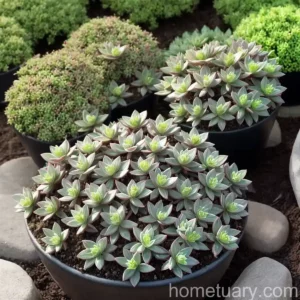
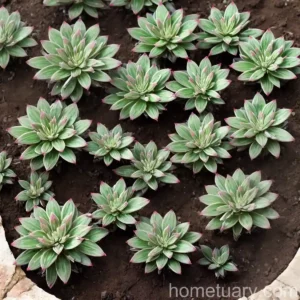
Sedum cauticola ‘Lidakense’ is a hardy perennial plant with mesmerizing pinkish-purple and silver-gray foliage. It forms a dense mat of tiny, rounded leaves and produces star-shaped pink flowers that bloom in late summer through fall. This plant creates a stunning visual impact when cascading over walls, in rock gardens, or as ground cover.
Key Takeaways – Sedum cauticola ‘Lidakense’
- Description: Low-growing, perennial succulent with pinkish-purple and silver-gray foliage.
- Care Guidelines: Requires little to no maintenance, drought-tolerant, and adaptable to various soil types.
- Characteristics: Dense mat-forming growth habit with star-shaped pink flowers.
- Planting Tips: Thrives in well-draining soil and prefers full sun to partial shade.
Now, let’s explore the various aspects of caring for Sedum cauticola ‘Lidakense’ in detail.
Culture
Cultivating Sedum cauticola ‘Lidakense’ is a relatively straightforward process, making it an ideal choice for both novice and experienced gardeners. This plant thrives in a variety of settings, from rock gardens to containers, and is known for its resilience in harsh environmental conditions.
Uses
The versatility of Sedum cauticola ‘Lidakense’ makes it well-suited for an array of landscaping purposes, including:
– Ground cover
– Rock gardens
– Container gardening
– Wall cascades
Care Guidelines
To ensure the optimal growth and health of Sedum cauticola ‘Lidakense’, it is essential to adhere to specific care guidelines.
Water
This species exhibits excellent drought tolerance, requiring infrequent watering once established. Overwatering can lead to root rot and other moisture-related issues, so it is crucial to allow the soil to dry out between waterings.
Sunlight
Sedum cauticola ‘Lidakense’ prefers full sunlight to partial shade. It thrives in locations with ample sunlight, which enhances the vibrancy of its foliage and promotes robust flower production.
Fertilizer
This plant is not particularly demanding when it comes to fertilization. A balanced, all-purpose fertilizer applied in spring can provide the necessary nutrients for healthy growth.
Soil
Sedum cauticola ‘Lidakense’ thrives in well-draining soil with a slightly acidic to neutral pH. It is adaptable to various soil types, including sandy, loamy, and rocky soils, as long as they offer proper drainage.
Pruning
Minimal pruning is required for Sedum cauticola ‘Lidakense’. Removing spent flower heads can encourage continued blooming, and cutting back any leggy growth in early spring helps maintain the plant’s compact form.
Propagation
Propagating Sedum cauticola ‘Lidakense’ can be accomplished through several methods, including division, stem cuttings, and leaf cuttings. These techniques allow for the expansion of your plant collection or the sharing of this beautiful species with fellow gardening enthusiasts.
For detailed propagation methods, please refer to the Sedum Propagation Guide.
Container Popularity
The compact growth habit and aesthetic appeal of Sedum cauticola ‘Lidakense’ make it an excellent choice for container gardening. Its cascading foliage adds an elegant touch to container arrangements and hanging baskets.
Container Common Diseases
When grown in containers, Sedum cauticola ‘Lidakense’ may be susceptible to certain diseases, such as:
– Root Rot: Caused by overwatering and poor drainage.
– Powdery Mildew: Fungal disease favored by high humidity and inadequate air circulation.
Disease Diagnosis
If your container-grown Sedum shows signs of wilting, yellowing leaves, or powdery white patches, it is essential to inspect the plant closely to determine the specific disease and apply appropriate remedial measures.
Botanist’s Tips
- When planting Sedum cauticola ‘Lidakense’ in rock gardens, ensure that the soil is gritty and well-draining to mimic its natural habitat.
- Incorporate this species into xeriscaping designs to benefit from its water-saving attributes.
- Consider companion planting with low-maintenance, drought-tolerant species to create visually captivating landscapes.
Fun Facts
- Sedum cauticola ‘Lidakense’ is a favorite among pollinators, attracting bees and butterflies with its nectar-rich flowers.
- In Japanese gardens, this species is often used as a symbol of resilience and adaptability, reflecting its hardy nature.
Links to External Resources
- The Royal Horticultural Society – Sedum Care Guide
- University of Florida IFAS Extension – Sedum Propagation Techniques
- Missouri Botanical Garden – Container Gardening with Sedum
Now that we have established a solid understanding of Sedum cauticola ‘Lidakense’ and its care requirements, let’s explore additional aspects of this fascinating plant.
Common Pests
While Sedum cauticola ‘Lidakense’ is generally resilient to pest infestations, it may occasionally encounter the following pests:
– Aphids: These small insects can cluster on new growth and flower buds, causing distortion and wilting.
– Mealybugs: White, cottony masses on the plant indicate the presence of mealybugs, which feed on the sap of Sedum.
Disease Resistance
One of the remarkable traits of Sedum cauticola ‘Lidakense’ is its resistance to various diseases, often attributed to its succulent nature and efficient water storage capabilities.
Wildlife Attraction
The nectar-rich flowers of Sedum cauticola ‘Lidakense’ serve as a valuable food source for pollinators, including bees, butterflies, and other beneficial insects. By incorporating this species into your outdoor spaces, you can actively contribute to supporting local wildlife populations.
Visual Appeal
The unique foliage and cascading growth habit of Sedum cauticola ‘Lidakense’ make it an exceptional choice for enhancing the visual appeal of your garden or landscape. Whether utilized as a ground cover or featured in container arrangements, this species adds a captivating touch to outdoor environments.
Conclusion
In conclusion, Sedum cauticola ‘Lidakense’ (Cliff Stonecrop) stands out as a resilient, visually striking plant that offers numerous benefits to gardeners and landscape enthusiasts. From its drought tolerance and low maintenance requirements to its attractiveness to pollinators, this species continues to captivate individuals seeking to enhance their outdoor spaces with vibrant, versatile plants.
By following the recommended care guidelines and incorporating this species into various landscaping settings, you can cultivate thriving displays of Sedum cauticola ‘Lidakense’ and appreciate its enduring beauty throughout the seasons.
As you embark on your journey with Sedum cauticola ‘Lidakense’, remember to embrace its unique characteristics and embrace the opportunity to create visually captivating and ecologically supportive outdoor spaces.