Screw Pines (Pandanus)
Welcome to a deep dive into the fascinating world of screw pines, scientifically known as Pandanus. These incredible plants have captured the attention of.
Welcome to a deep dive into the fascinating world of screw pines, scientifically known as Pandanus. These incredible plants have captured the attention of plant enthusiasts and horticulturists due to their unique characteristics and diverse uses. In this comprehensive guide, we will explore everything you need to know about screw pines, from their cultural significance and uses to their specific care requirements, propagation techniques, and common pests and diseases.
What is a Screw Pine (Pandanus)?
Screw pines, belonging to the Pandanus genus, are a group of plants with distinctive features that set them apart from other flora. While they are named “pines,” screw pines are not true members of the pine family (Pinaceae). Instead, they are tropical and subtropical trees and shrubs that belong to the family Pandanaceae. The genus Pandanus encompasses over 600 species, which are distributed across the Old World tropics and subtropics, with the highest diversity found in Southeast Asia and the Pacific Islands.
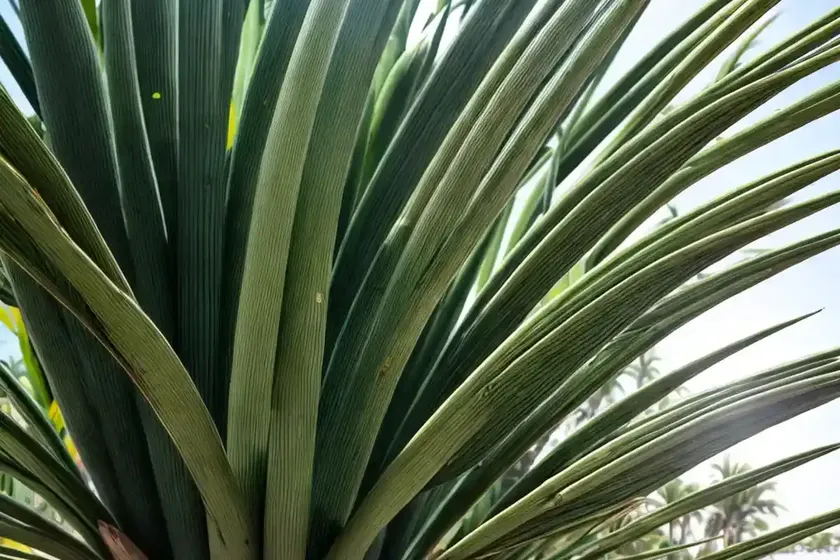
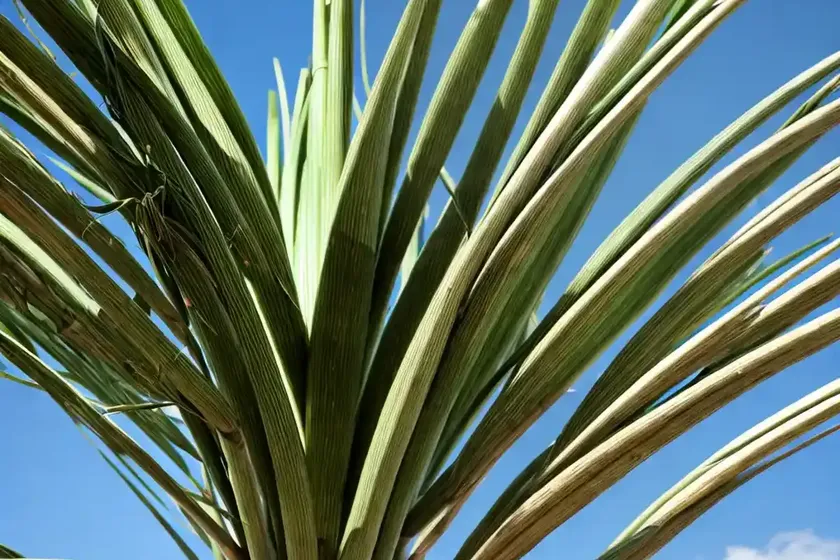
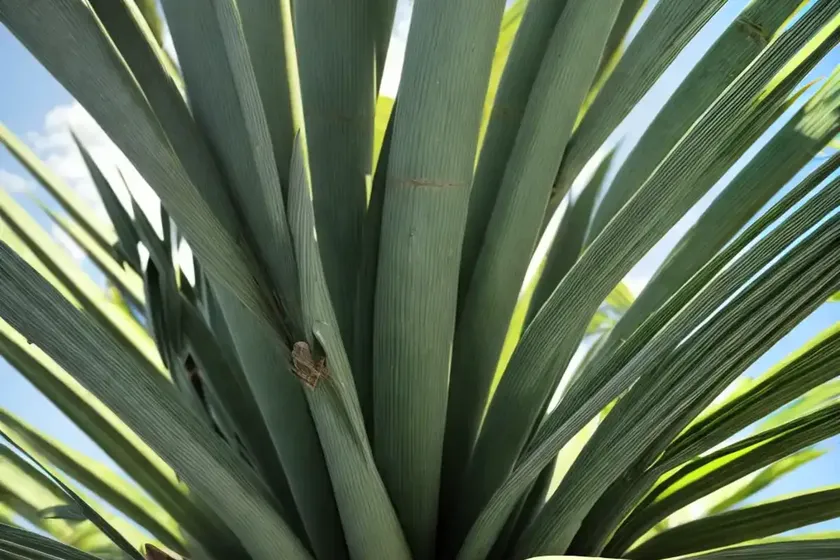
The most recognizable feature of screw pines is their unique aerial prop roots and spirally arranged, elongated leaves. These structures give the plants a striking appearance, making them popular choices for landscaping and indoor decoration. Despite their name, screw pines are not related to true pines and are more closely related to palms and grasses.
Key Takeaways – Screw Pines (Pandanus)
Before we delve into the specific aspects of screw pine care and cultivation, let’s take a moment to highlight the key takeaways about these remarkable plants:
- Distinctive Appearance: Screw pines are characterized by their elongated, spirally arranged leaves and aerial prop roots, which contribute to their visually striking appearance.
- Cultural Significance: In many tropical regions, screw pines hold cultural and symbolic significance, often playing a role in traditional ceremonies, crafts, and folklore.
- Diverse Uses: From food and medicine to construction and landscaping, screw pines have a wide range of practical applications, making them an important resource in various communities.
- Adaptability: While native to tropical and subtropical regions, some screw pine species are cultivated in a wider range of climates, thriving in both indoor and outdoor environments.
Now that we have a foundational understanding of screw pines and their significance, let’s explore the various aspects of caring for and cultivating these remarkable plants.
Culture
Uses
Screw pines have been valued for centuries due to their versatile uses in different aspects of life. Their cultural significance is reflected in various practices and traditions, where they serve both practical and symbolic purposes. Moreover, screw pines offer a myriad of applications in fields such as horticulture, cuisine, and traditional medicine.
Traditional Practices
In many cultures across Southeast Asia and the Pacific Islands, screw pines (Pandanus) hold deep-rooted cultural and religious significance. They are often used in traditional ceremonies, rituals, and crafts, playing a role in crafting mats, baskets, and thatched roofs. The leaves and roots of screw pines also have symbolic meanings and are used in rituals and offerings.
Culinary Uses
Certain species of screw pines produce edible fruits and seeds that are utilized in traditional cuisines. In some regions, the fruits of Pandanus are harvested for their aromatic and flavorful properties, adding a unique taste to dishes and beverages.
Medicinal Applications
Pandanus plants have a long history of use in traditional medicine. Various parts of the plant, including the leaves, roots, and fruit, are believed to possess medicinal properties and are used to treat a range of ailments and conditions. These applications include the use of extracts for wound healing, digestive remedies, and as natural insect repellents.
Water
As with any plant, proper watering is crucial to the health and vitality of screw pines. While the specific water requirements may vary slightly between different species and environmental conditions, a few general guidelines can help ensure optimal growth and flourishing foliage.
Watering Guidelines
- Balanced Moisture: Screw pines prefer consistently moist but well-draining soil. It’s essential to strike a balance and avoid both waterlogged conditions and prolonged dry spells. When watering, aim to keep the soil evenly moist, particularly during the active growing season.
- Avoid Waterlogging: Proper drainage is critical for screw pines, as waterlogged soil can lead to root rot and other complications. Ensure that the containers or planting areas provide adequate drainage to prevent water retention around the roots.
- Monitor Environmental Factors: Factors such as temperature, humidity, and seasonal fluctuations can influence the plant’s water requirements. During periods of intense heat or rapid growth, increased watering may be necessary to support the plant’s needs.
Sunlight
Screw pines exhibit varying preferences for sunlight, with some species thriving in full sun, while others prefer partial shade or dappled sunlight. Understanding the specific light requirements of your chosen Pandanus variety is essential for ensuring healthy growth and robust foliage.
Light Requirements
- Full Sun: Certain screw pine species, particularly those native to tropical regions, thrive in full sun conditions. If your climate permits, providing ample sunlight can promote vigorous growth and vibrant foliage.
- Partial Shade: For species that prefer partial shade, it’s important to shield the plants from intense midday sun, especially in hot climates. Consider locating them in areas where they receive filtered light or dappled shade throughout the day.
- Indoor Considerations: When grown indoors, screw pines benefit from bright, indirect light. Placing them near a window that receives ample natural light can help replicate ideal outdoor conditions.
Fertilizer
Proper fertilization plays a key role in supporting the growth and development of screw pines, providing essential nutrients that may be lacking in the soil. Understanding the fertilization needs of Pandanus plants can contribute to healthier foliage and robust root systems.
Fertilization Tips
- Balanced Formulation: When selecting a fertilizer for screw pines, opt for a balanced, slow-release formula that provides essential macronutrients such as nitrogen, phosphorus, and potassium. Additionally, micronutrients like iron, manganese, and zinc are important for overall plant health.
- Application Frequency: During the growing season, apply a diluted, balanced fertilizer every 4-6 weeks to provide a steady supply of nutrients. It’s important to avoid over-fertilizing, as excessive concentrations of certain nutrients can harm the plant.
- Organic Alternatives: For those who prefer organic practices, organic fertilizers, compost, or well-decomposed manure can serve as nutrient-rich alternatives. These natural amendments contribute to soil health and microbial activity, supporting long-term plant vitality.
Soil
The choice of soil can significantly impact the health and performance of screw pines. Proper soil selection, along with adequate drainage, can create an optimal growing environment that encourages strong root development and lush foliage.
Soil Preferences
- Well-Draining Medium: Screw pines thrive in well-draining, slightly acidic to neutral soil. A mix that’s rich in organic matter, such as peat moss or compost, provides the necessary aeration and moisture retention.
- Container Considerations: When growing screw pines in containers, select a high-quality, well-draining potting mix designed for tropical plants. This ensures good airflow and prevents waterlogging in the root zone.
- Soil pH: Pandanus plants generally prefer a slightly acidic to neutral pH range, around 5.5 to 7.0. Regular soil testing can help monitor and adjust the pH as needed to create an optimal growing environment.
Pruning
Pruning Techniques
Proper pruning can help maintain the shape and health of screw pines while removing any damaged or overgrown foliage. Understanding the correct pruning techniques for Pandanus plants ensures effective maintenance without compromising their natural form.
- Leaf Trimming: Regularly remove browning or yellowing leaves to promote the growth of new, healthy foliage. Use clean, sharp shears to make precise cuts and minimize the risk of damage to the remaining leaves.
- Aerial Roots: When grown as indoor plants, trim any aerial roots that become excessively long or unruly. Carefully snip them near the base without harming the plant’s overall stability.
- Shape Maintenance: If the screw pine begins to lose its desired shape or form, carefully trim the outer leaves to maintain a neat and balanced appearance. Avoid excessive pruning, as screw pines tolerate minimal intervention.
Propagation
Methods of Propagation
Propagation allows you to expand your collection of screw pines and share the beauty of these unique plants with others. Understanding the different propagation methods and their specific requirements empowers you to successfully propagate Pandanus plants.
From Seeds
- Seed Selection: Harvest mature, healthy seeds from the fruits of your existing screw pine plants. Ensure that the seeds are fully ripe and have been properly dried before sowing.
- Sowing Depth: Plant the seeds in a well-draining, moist potting mix, covering them lightly with a thin layer of soil. Maintain consistent moisture while avoiding waterlogging.
- Germination Period: Keep the seeds in a warm, humid environment to encourage germination. Depending on the species, germination may occur within a few weeks to several months.
Through Cuttings
- Cutting Preparation: Select healthy stem cuttings with several nodes and remove lower leaves to expose the nodes. Dip the cut ends in rooting hormone to promote root development.
- Potting Mix: Plant the cuttings in a well-draining potting mix and maintain high humidity by covering them with a clear plastic dome or using a misting system.
- Rooting Period: With proper care, the cuttings should develop roots within a few weeks. Once established, they can be transplanted into individual containers to continue growing.
Container Popularity
Screw pines are popular choices for container gardening, both indoors and outdoors. The unique aesthetic appeal and manageable size of many Pandanus varieties make them well-suited for cultivation in containers, enhancing their versatility as ornamental plants.
Indoor Container Gardening
- Selected Varieties: Choose compact or dwarf screw pine varieties for indoor container gardening, as they are better suited to the confines of indoor spaces. Look for species that exhibit slower growth and a more restrained size.
- Light Considerations: Position the containers near windows or in well-lit areas to provide sufficient natural light. Adequate access to sunlight is essential for maintaining the health and appearance of indoor screw pines.
- Container Selection: Opt for containers with adequate drainage holes and use a well-draining potting mix to ensure optimal growing conditions. Regularly monitor the moisture levels and avoid overwatering.
Outdoor Container Cultivation
- Decorative Displays: Incorporate potted screw pines into outdoor landscaping and garden designs to add visual interest and a touch of tropical elegance. Group containers strategically to create appealing arrangements.
- Protection from Elements: During periods of inclement weather, such as heavy rain or strong winds, consider relocating outdoor containers to sheltered areas to protect the plants from potential damage.
- Seasonal Considerations: In cooler climates, take precautions to overwinter outdoor container-grown screw pines, such as moving them to protected areas or providing supplemental insulation during the colder months.
Common Diseases
Disease Diagnosis
While screw pines are relatively resilient plants, they can be susceptible to certain diseases and disorders, affecting their overall health and appearance. Recognizing the symptoms and identifying potential issues early on can help mitigate the impact of these conditions.
Root Rot
- Symptoms: Yellowing or wilting of foliage, accompanied by a foul odor emanating from the soil, are indicative of root rot. The roots may appear discolored, mushy, or waterlogged.
- Causes: Overwatering or poorly draining soil can lead to the development of root rot, causing damage to the plant’s root system and impeding nutrient uptake.
- Management: Adjust the watering regimen to allow the soil to dry out slightly between waterings. Consider repotting the affected plant in well-draining soil and trimming away any affected roots.
Leaf Spot
- Symptoms: Circular, dark lesions or spots on the foliage, often surrounded by a yellow halo, indicate the presence of leaf spot. As the disease progresses, the affected leaves may wilt and drop prematurely.
- Causes: Leaf spot diseases are commonly associated with fungal or bacterial pathogens. These pathogens thrive in humid, crowded conditions and are spread through water splashes or contaminated tools.
- Control Measures: Use fungicidal treatments to address fungal leaf spot, and practice good sanitation by removing and disposing of affected foliage. Ensure proper air circulation to reduce humidity around the plants.
Common Pests
Pest Management
In addition to diseases, screw pines may also face challenges from various pests that can compromise their health and vitality. Implementing effective pest management strategies is crucial for preventing infestations and minimizing damage to the plants.
Mealybugs
- Identification: Look for small, white, cottony masses or clusters on the leaves, stems, or undersides of the plant. Mealybugs may also leave behind sticky honeydew residue.
- Management: Remove mealybugs manually using a cotton swab dipped in rubbing alcohol. For widespread infestations, consider applying horticultural oils or insecticidal soaps to control the pests.
Scale Insects
- Symptoms: Scale insects appear as raised, waxy bumps on the stems and leaves of the screw pine. Severe infestations can lead to yellowing, stunted growth, and reduced plant vigor.
- Control Measures: Prune and discard heavily infested plant parts and use horticultural oils or insecticidal sprays to target scale insects. Regular monitoring is essential to detect and address new infestations promptly.
Botanist’s Tips
Guidelines for Success
As you embark on your journey of cultivating and caring for screw pines, consider the following tips to optimize the health and beauty of your Pandanus plants:
- Consider Species Variability: Recognize that different species of screw pines may exhibit varying growth habits, light preferences, and care requirements. Tailor your approach based on the specific needs of the species you are growing.
- Balanced Watering: Strive for consistent, balanced moisture in the soil while avoiding extremes in either direction. Regularly check the soil moisture levels to adapt your watering frequency based on environmental conditions and the plant’s stage of growth.
- Adapt to Indoor Conditions: When growing screw pines indoors, take measures to replicate their natural habitat as closely as possible. Address factors such as humidity, air circulation, and light exposure to create an optimal indoor environment.
- Regular Monitoring: Stay vigilant for signs of pests, diseases, or cultural issues that may arise. Regular inspections allow for early intervention and can help prevent minor problems from escalating into more significant challenges.
Fun Facts
As we conclude our exploration of screw pines and their captivating nature, let’s delve into some intriguing and little-known facts about these remarkable plants:
- Cultural Symbolism: In certain cultures, screw pines hold symbolic significance and are associated with themes such as longevity, resilience, and unity.
- Ancient Origins: The genus Pandanus has a rich evolutionary history, with fossil evidence indicating that its existence dates back millions of years.
- Ethnobotanical Uses: Beyond their practical applications, screw pines have been integral to traditional crafts, music, and folklore in many indigenous communities.
We hope this in-depth guide has provided valuable insights into the world of screw pines, shedding light on their significance, care requirements, and fascinating attributes. With an understanding of their cultural importance, diverse uses, and specific care guidelines, you can embark on your own journey of cultivating and appreciating these exceptional plants.
For further information, detailed cultivation guides, and a wide array of screw pine varieties, explore the resources provided below:
- Royal Botanic Gardens, Kew – Pandanaceae – Explore comprehensive information about screw pines and their taxonomy from one of the world’s leading botanical institutions.
- American Horticultural Society – Access educational resources and publications that cover a range of plant topics, including screw pines and tropical plant cultivation.
- The Plant List – Pandanus – Delve into a comprehensive database of plant species, including various Pandanus taxa, to deepen your understanding of the genus.
With a wealth of resources at your disposal, you can continue to expand your knowledge and appreciation of screw pines, fostering a deeper connection with these extraordinary plants and their cultural significance. Happy gardening and exploration!
By delving into the enthralling world of screw pines, we have uncovered a wealth of knowledge about these distinctive plants and their multifaceted importance. From their cultural significance and diverse uses to their specific care requirements and propagation techniques, screw pines offer a captivating journey of discovery that resonates with enthusiasts and botanical scholars alike.


