Scilla Siberica (Siberian Squill)
Introduction
Introduction
As a plant scientist deeply interested in the beauty and functionality of plants, I’ve always been fascinated by the diverse plant species around the world. Among these fascinating species is the Scilla siberica, commonly known as Siberian Squill. This small but mighty plant holds various cultural and ecological significance and possesses unique characteristics that make it a favorite among gardeners and horticulturists.
In this comprehensive guide, we will delve into the various aspects of Scilla siberica, exploring its key characteristics, cultivation, care, and its role in the ecosystem. Whether you are a novice gardener or an experienced horticulturist, this article will provide valuable insights into the world of Scilla siberica and equip you with the knowledge needed to cultivate and care for this remarkable plant.
What is Scilla siberica (Siberian Squill)?
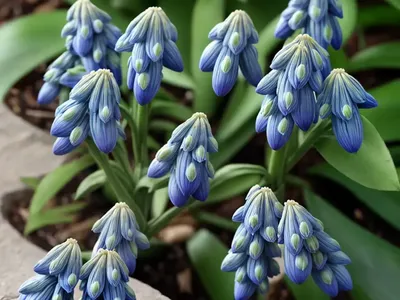
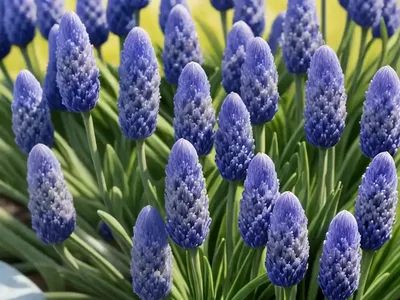
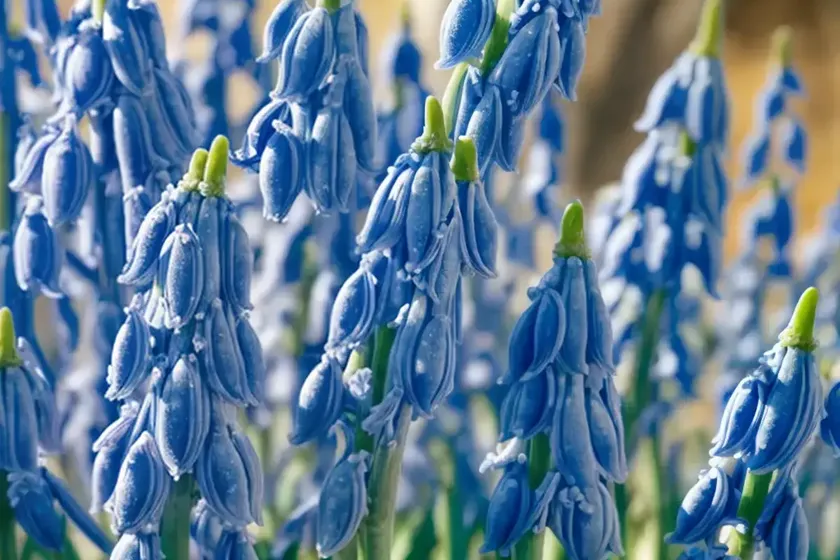
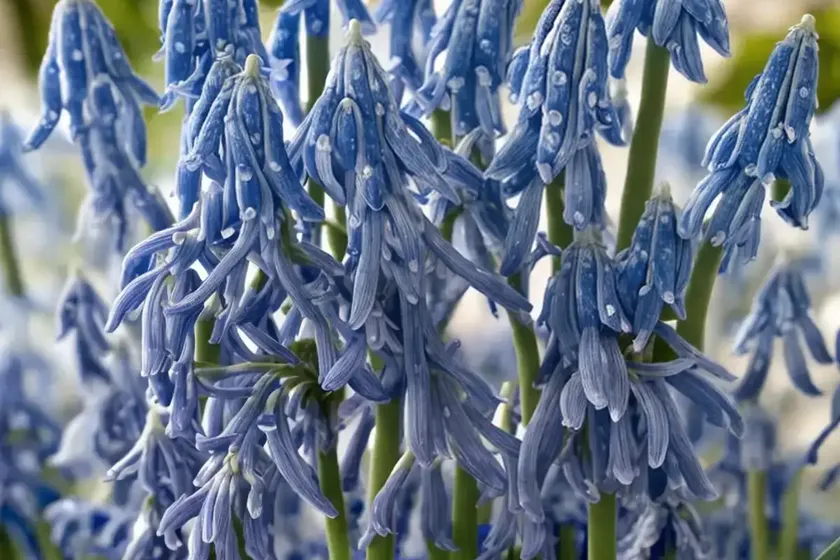
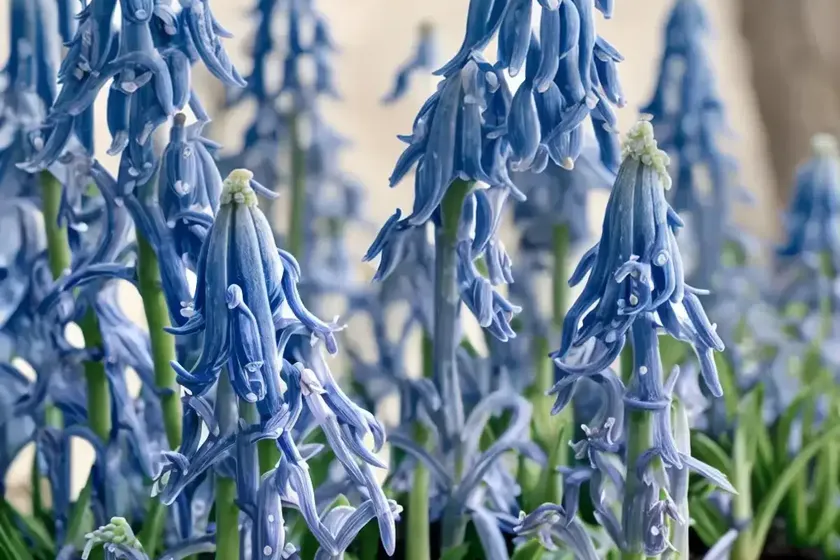
Scilla siberica, a member of the Asparagaceae family, is a perennial bulbous plant that is native to southwestern Russia, the Caucasus, and Turkey. It is renowned for its striking blue flowers and its ability to naturalize and form a colorful carpet in woodland areas and garden settings. The plant typically reaches a height of 15cm and blooms in early spring, making it a delightful addition to spring landscapes.
Scilla siberica Characteristics
- Scientific Name: Scilla siberica
- Common Name: Siberian Squill
- Family: Asparagaceae
- Native Habitat: Southwestern Russia, the Caucasus, Turkey
- Plant Type: Perennial bulbous plant
- Flower Color: Blue
- Bloom Time: Early spring
- Height: Approximately 15cm
Key Takeaways – Scilla siberica (Siberian Squill)
Before delving into the specifics of cultivating and caring for Scilla siberica, let’s first overview the key takeaways about this plant.
Culture
-
Hardiness: Siberian Squill is known for its hardiness, making it suitable for a wide range of climates and environments. It can thrive in USDA Hardiness Zones 2-8, demonstrating its adaptability.
-
Naturalization: Scilla siberica is an excellent naturalizer, forming large colonies over time. It thrives in woodland settings, under trees, and in meadows, creating a naturalistic and enchanting display.
-
Wildlife Attractant: The bright blue flowers of Siberian Squill attract early pollinators such as bees and butterflies, contributing to the ecosystem’s biodiversity.
Uses
-
Garden Ornamental: Siberian Squill is primarily grown for its ornamental value, adding a stunning display of blue to spring gardens. It is ideal for woodland gardens, rock gardens, and naturalized areas.
-
Medicinal Properties: In traditional medicine, certain parts of Scilla siberica have been used for their medicinal properties. However, it’s important to note that the plant contains toxic alkaloids and should not be ingested without proper medical supervision.
Water
- Moderate Watering: Scilla siberica prefers moderate watering, especially during its active growth phase. However, it is prone to rot in excessively wet conditions, so well-draining soil is essential.
Sunlight
- Light Requirements: Siberian Squill thrives in partial shade to full sun. It is well-suited for woodland environments where it can benefit from dappled sunlight.
Fertilizer
- Minimal Fertilization: Generally, Scilla siberica does not require heavy fertilization. A light application of a balanced fertilizer in early spring can support its growth.
Soil
- Well-Draining Soil: Well-draining soil is crucial for the cultivation of Siberian Squill. It thrives in humus-rich, moderately fertile soils.
Pruning
- Minimal Maintenance: Once the flowers have faded, the foliage of Scilla siberica should be left undisturbed until it withers. This allows the plant to replenish its bulb for the following year’s growth.
Propagation
- Naturalization: Scilla siberica readily naturalizes and self-propagates through its bulbs. Over time, it forms expanding clumps, enriching the landscape with its vibrant blue blooms.
Container Popularity
- Container Growing: While Siberian Squill is often grown in garden beds and naturalized settings, it can also be cultivated in containers, providing a burst of color on patios and balconies.
These key takeaways will serve as a focal point as we delve into the detailed care and cultivation practices for Scilla siberica. Understanding these fundamental aspects will provide a solid foundation for successfully growing and nurturing this enchanting plant.
Scilla siberica (Siberian Squill) Cultivation and Care
Growing Scilla siberica
Cultivating Scilla siberica requires attention to specific growing conditions and practices that will ensure its optimal development and blossoming. Whether you are seeking to establish a vibrant display of Siberian Squill in your garden or naturalize it in a woodland area, the following guidelines will help you foster robust growth and prolific flowering.
Scilla siberica Planting Tips
-
Optimal Planting Time: Siberian Squill bulbs are typically planted in the fall, allowing them to establish roots before the onset of winter. Select a time when the soil is cool but not yet frozen.
-
Bulb Depth and Spacing: Plant the bulbs at a depth of around 3-4 inches (8-10cm), spacing them approximately 3-4 inches apart. Planting in groups or clusters can create a more impactful visual effect.
-
Soil Preparation: Ensure that the planting site has well-draining soil to prevent waterlogging, which can lead to bulb rot. Amending heavy clay soils with organic matter can improve drainage.
-
Naturalization: When naturalizing Scilla siberica, scatter the bulbs in a random or informal pattern to mimic the look of a natural woodland setting. This method often yields a picturesque and effortless display.
Siberian Squill Bulbs
Scilla siberica bulbs are the vital organs of the plant, serving as the storage and growth structure. These bulbs contain the nutrients and embryonic plant necessary for the next season’s growth. When planting and caring for Siberian Squill, paying attention to the bulbs is essential for successful cultivation and prolific blooming.
-
Bulb Size and Quality: When selecting bulbs for planting, choose firm, healthy bulbs of a decent size. Avoid bulbs that are soft, moldy, or damaged, as they may be compromised and less likely to thrive.
-
Storage and Handling: Proper storage of Siberian Squill bulbs is crucial to maintain their viability. Store them in a cool, dry place with good air circulation until planting time. Handle the bulbs with care to avoid damage.
-
Division: Over time, Siberian Squill bulbs may multiply and form clumps. Periodic division, every 3-5 years, can prevent overcrowding and rejuvenate the planting, promoting healthier growth and flowering.
Scilla siberica Propagation
Propagating Scilla siberica can be achieved through various methods, including division, seed sowing, and naturalization. These propagation techniques allow for the expansion of Siberian Squill populations, contributing to the plant’s widespread presence in garden settings and natural habitats.
-
Division: Dividing overcrowded clumps of Siberian Squill bulbs in late spring or early summer can provide additional bulbs for new plantings or to share with fellow gardeners.
-
Seed Sowing: Collecting seeds from established Scilla siberica plants and sowing them in prepared soil can yield new plants, although this method may take longer to produce blooming-sized specimens.
-
Naturalization: Allowing Scilla siberica to self-sow and propagate naturally in suitable environments can result in expansive displays, enriching the landscape with its charming blue flowers.
Siberian Squill Flowers
The delicate and cheerful blue flowers of Siberian Squill are the highlight of its ornamental appeal. Understanding the blooming characteristics and habits of Scilla siberica will aid in optimizing its presence in the garden and appreciating its role in the ecosystem.
Scilla siberica Varieties
While the most common form of Scilla siberica bears striking blue flowers, there are also cultivated varieties that exhibit variation in color, size, and blooming habit. Varieties may include different shades of blue and white, enhancing the diversity of this charming species.
Siberian Squill Bloom Time
Siberian Squill typically blooms in early spring, often heralding the arrival of the warmer seasons. The stunning blue blossoms emerge just as the garden awakens from its winter slumber, offering a delightful display of color in anticipation of the floral abundance to come.
Scilla siberica Habitat
Understanding the natural habitat and ecological preferences of Scilla siberica is essential for replicating or enhancing its preferred growing conditions in cultivated settings. By emulating its native environment, we can promote the plant’s well-being and ensure its harmonious integration into the landscape.
-
Woodland Environments: Scilla siberica thrives in woodland settings with dappled sunlight and moist, well-draining soil. Emulating these conditions supports the plant’s establishment and naturalization.
-
Under Trees and Shrubs: Planting Siberian Squill under deciduous trees and shrubs creates an environment reminiscent of its native wooded habitat, fostering optimal growth and naturalization.
Siberian Squill Garden
In the garden setting, Scilla siberica can serve as a captivating addition to various garden styles and themes. Its enchanting blue flowers and naturalizing habit imbue the garden with charm and vivacity, enhancing the overall aesthetic and ecological appeal.
Scilla siberica Bulbs for Sale
For gardening enthusiasts seeking to incorporate the beauty of Siberian Squill into their landscapes, acquiring high-quality bulbs from reputable sources is paramount. Selecting robust bulbs from reliable suppliers ensures a promising start to the cultivation of Scilla siberica in the garden.
Siberian Squill Medicinal Uses
While Scilla siberica possesses certain medicinal properties, it is important to exercise caution and seek professional guidance when considering its potential uses. The plant contains toxic alkaloids and should not be used for medicinal purposes without proper expertise and supervision.
Scilla siberica Natural Habitat
The natural habitat of Siberian Squill offers valuable insights into its ecological preferences and the conditions that facilitate its robust growth and naturalization. Recreating elements of its natural habitat in the garden setting can support the plant’s vitality and resilience.
Siberian Squill Planting Guide
Following a comprehensive planting guide for Scilla siberica ensures that the bulbs are planted at the right depth, in suitable soil, and with adequate spacing. Adhering to best practices during planting sets the stage for the successful establishment and flourishing of Siberian Squill in garden and naturalized settings.
Scilla siberica Landscape
In landscape design, Siberian Squill can be utilized to create visually appealing compositions and to enhance the ecological diversity of outdoor spaces. Integrating Scilla siberica into landscape designs offers opportunities for artistic expression and ecological stewardship.
Siberian Squill Invasive
While Siberian Squill’s naturalizing habit is highly valued in garden settings, it is important to be mindful of its potential invasiveness in certain ecosystems. Careful consideration and responsible cultivation can help prevent the unintended spread of Scilla siberica in sensitive environments.
Scilla siberica Bloom Size
The size of Scilla siberica blooms contributes to its visual impact and desirability in garden landscapes. Understanding the typical bloom size and characteristics equips gardeners with the knowledge needed to plan and design captivating displays featuring Siberian Squill.
Siberian Squill Gardening Tips
Gardening successfully with Scilla siberica requires attention to specific tips and practices that enhance its performance and attractiveness in garden settings. By incorporating these tips into cultivation and care routines, gardeners can foster thriving populations of Siberian Squill.
Scilla siberica Seasonal Care
Adapting care practices to the changing seasons is essential for the long-term health and vitality of Scilla siberica. Tailoring care routines to the specific needs of the plant at different times of the year fosters resilience and consistent flowering performance.
Siberian Squill Flower Arrangement
The blooms of Scilla siberica lend themselves to charming flower arrangements, adding a touch of early spring elegance to indoor spaces. Incorporating Siberian Squill blooms into floral designs celebrates the plant’s beauty and creates captivating indoor displays.
Scilla siberica Pest Control
While Scilla siberica is generally robust and resistant to pests, occasional pest issues may arise. Implementing effective pest control measures safeguards the health and appearance of Siberian Squill in garden and naturalized settings.
Siberian Squill Container Gardening
Cultivating Scilla siberica in containers extends its ornamental potential to patios, balconies, and outdoor living spaces. Container gardening with Siberian Squill offers versatility and the opportunity to enjoy its vibrant blooms in diverse settings.
Scilla siberica Spring Bulbs
As a spring-blooming bulb, Scilla siberica holds a special place in the seasonal tapestry of the garden. When planted in conjunction with other spring bulbs, it contributes to a rich and diverse floral display heralding the arrival of spring.
Siberian Squill Wildlife
In addition to delighting human observers, the blooms of Scilla siberica attract early pollinators such as bees and butterflies. Enhancing the presence of Siberian Squill contributes to the vitality and resilience of local pollinator populations.
Scilla siberica Native Habitat
Gaining insight into the native habitat of Scilla siberica promotes an understanding of its ecological niche and provides guidance for creating environments conducive to its growth and naturalization in cultivated landscapes.
Siberian Squill Ground Cover
The naturalizing habit of Scilla siberica makes it an excellent ground cover in suitable garden and naturalized settings. As the plants spread and form colonies, they create a captivating carpet of blue, enriching the visual and ecological diversity of the landscape.
Scilla siberica Water Requirements
Balancing the water needs of Scilla siberica is essential for maintaining its health and vigor. Proper watering practices ensure that the plant receives adequate moisture without being subjected to waterlogging, which can lead to rot and other issues.
Siberian Squill Companion Plants
Selecting suitable companion plants to grow alongside Scilla siberica enhances its aesthetic appeal and ecological functionality in garden landscapes. Compatible companion plants complement Siberian Squill, creating harmonious and visually appealing combinations.
Scilla siberica Outdoor Planting
Optimizing the outdoor planting of Scilla siberica involves selecting suitable locations, preparing the soil, and attending to the specific needs of the bulbs during the planting process. Thoughtful outdoor planting practices support the successful establishment and growth of Siberian Squill.
Siberian Squill Naturalizing
The naturalizing capacity of Scilla siberica is a defining feature, contributing to its appeal in garden settings. Allowing Siberian Squill to naturalize and propagate gracefully enriches the landscape with low-maintenance beauty and ecological significance.
Scilla siberica Soil Preparation
Cultivating Siberian Squill starts with ensuring that the soil is adequately prepared to support its growth and development. By addressing soil preparation considerations, gardeners can create optimal conditions for Scilla siberica in garden and naturalized settings.
Siberian Squill Perennial
As a perennial plant, Scilla siberica reliably returns each year, gracing the garden with its charming blooms. Understanding its perennial nature informs care practices and contributes to the creation of dynamic, long-lived garden displays.
Scilla siberica Garden Design
Innovative garden designs can incorporate Scilla siberica to create captivating scenes that captivate the senses and celebrate the beauty of nature. Integrating Siberian Squill into garden designs offers opportunities for creative expression and ecological enhancement.
Siberian Squill Bulb Bloom Time
The bloom time of Scilla siberica aligns with the early stages of spring, contributing to the seasonal spectacle of awakening gardens. Planning and anticipating the bulb’s bloom time enables gardeners to orchestrate captivating displays featuring Siberian Squill.
Scilla siberica Climate Requirements
Understanding the climate requirements of Scilla siberica is essential for selecting suitable growing locations and optimizing its performance in different environmental conditions. Adapting cultivation practices to regional climates supports the long-term success of Siberian Squill.
Siberian Squill Fall Planting
The fall season offers an opportune time to plant Siberian Squill bulbs, allowing them to establish roots and prepare for their spring emergence. Fall planting sets the stage for robust growth and prolific flowering in the following year.
Scilla siberica Seasonal Maintenance
Adapting care routines to the changing seasons ensures that Scilla siberica receives the necessary attention for its ongoing health and performance. Seasonal maintenance practices contribute to the long-term vitality of Siberian Squill in garden and naturalized settings.
Siberian Squill Flower Essence
The essence of Scilla siberica’s flowers captures the delicate beauty and natural charm of this captivating plant. The essence can be appreciated through artistic expression and the creation of sensory experiences that celebrate its floral allure.
Scilla siberica Winter Care
Providing appropriate care for Siberian Squill during the winter months promotes its resilience and ensures a promising start to the following year’s growth and flowering. Winter care practices safeguard the plant’s vitality and longevity in garden landscapes.
Siberian Squill Container Plants
Cultivating Siberian Squill in containers provides an opportunity to bring its enchanting blue blooms to various outdoor and indoor settings. Container plants offer versatility and convenience, allowing the enjoyment of Scilla siberica’s ornamental appeal in diverse environments.
Scilla siberica Spring Flowers
The emergence of Scilla siberica’s spring flowers heralds the arrival of the new growing season, infusing the landscape with vibrant color and the promise of seasonal renewal. The enchanting spring flowers of Siberian Squill are a testament to the plant’s enduring charm.
Siberian Squill Drought Tolerance
While Scilla siberica generally prefers moderate moisture levels, it also exhibits a degree of drought tolerance once established. Understanding and accommodating its drought tolerance enhances the plant’s adaptability to diverse environmental conditions.
Scilla siberica Wildlife Attractant
In addition to its visual allure, Scilla siberica serves as a valuable wildlife attractant, drawing early pollinators to the garden. The plant actively contributes to the ecological diversity and stability of local wildlife populations.
Siberian Squill Pest Resistance
While resilient to most pests and diseases, Siberian Squill may face occasional challenges from pests. Understanding its natural pest resistance and implementing integrated pest management strategies safeguards the plant’s health and appearance.
Scilla siberica Bulb Storage
Proper storage of Siberian Squill bulbs after digging or dividing ensures their viability and quality for subsequent plantings. Practicing effective bulb storage techniques maintains the health and vigor of Scilla siberica for future cultivation.
Siberian Squill Underplanting
Underplanting with Scilla siberica offers an opportunity to layer and diversify garden compositions, creating visually engaging and ecologically vibrant landscapes. Selecting suitable underplantings enhances the aesthetic and functional appeal of Siberian Squill.
Scilla siberica Landscape Design
In landscape design, Scilla