Scilla Mischtschenkoana (White Squill)
Scilla mischtschenkoana, commonly known as White Squill, is a charming perennial bulbous plant that belongs to the Asparagaceae family. This plant is.
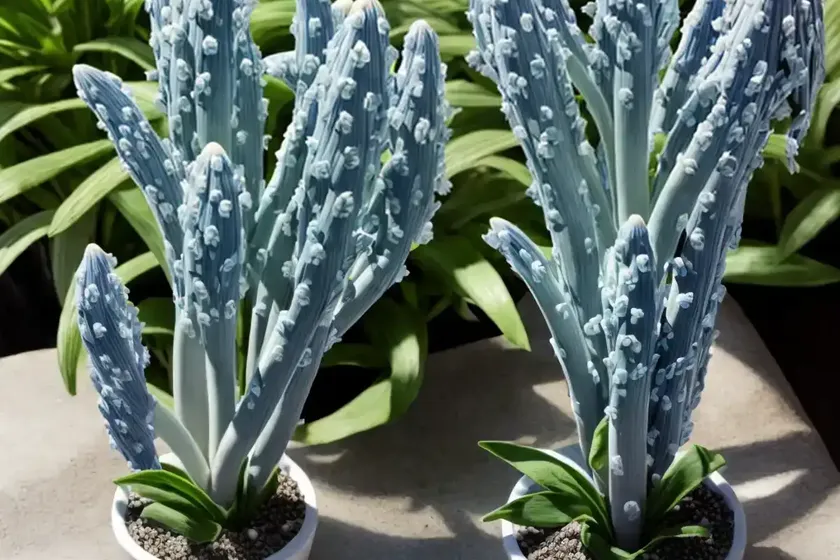
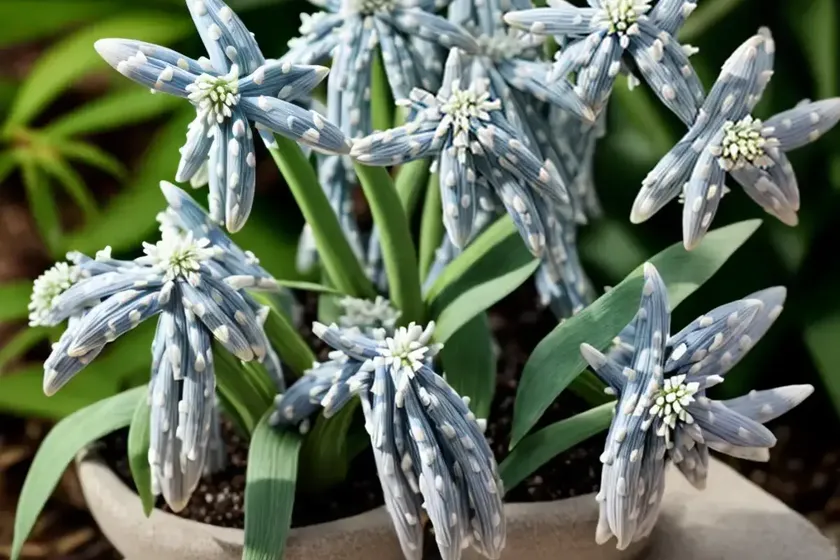
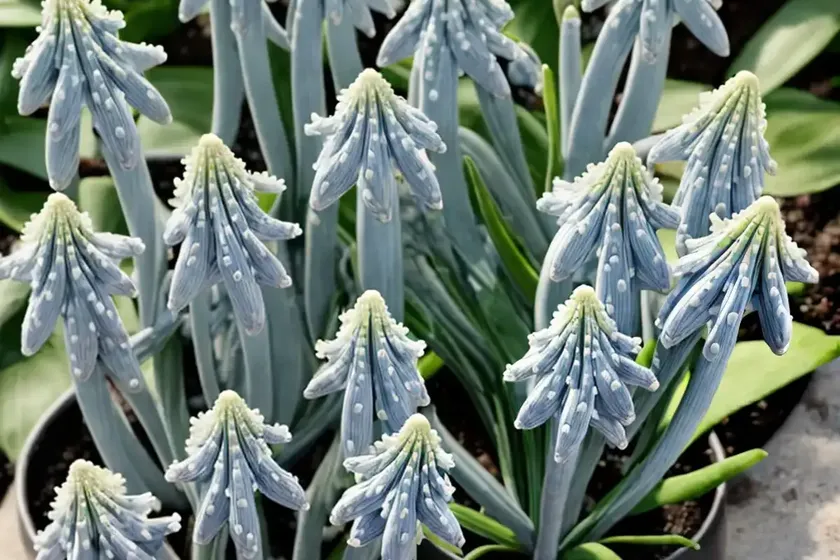
Scilla mischtschenkoana, commonly known as White Squill, is a charming perennial bulbous plant that belongs to the Asparagaceae family. This plant is cherished for its delicate white blooms that emerge early in the spring, making it a delightful addition to gardens, landscapes, and indoor spaces. In this comprehensive guide, we will delve into the various aspects of White Squill, from its cultural requirements to its propagation and from common pests and diseases to unique fun facts about this captivating plant.
What is Scilla mischtschenkoana (White Squill)?
Plant Classification:
– Family: Asparagaceae
– Genus: Scilla
– Species: mischtschenkoana
– Common Name: White Squill
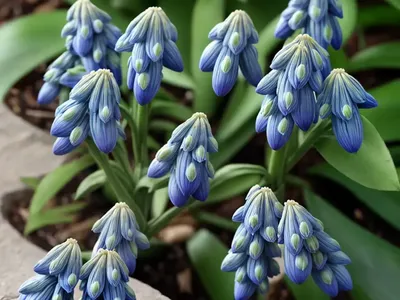
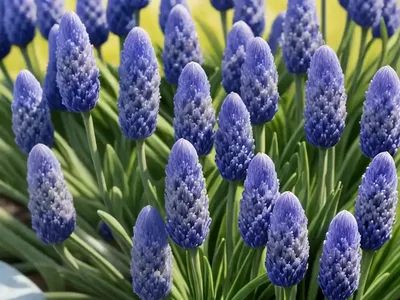
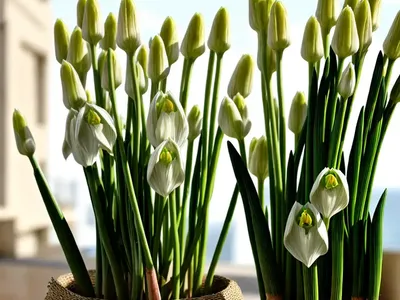
Scilla mischtschenkoana is a herbaceous perennial plant that originated from the Caucasus region. It is renowned for its graceful, star-shaped, fragrant flowers that bloom in early spring, often before the leaves appear. The delicate white blossoms are a beacon of hope and rejuvenation as they emerge to herald the arrival of the spring season. White Squill’s compact size, ease of cultivation, and stunning appearance make it a popular choice for gardeners looking to add a touch of elegance to their outdoor or indoor spaces.
Key Takeaways – Scilla mischtschenkoana (White Squill)
Before delving into the specifics of Scilla mischtschenkoana’s care and cultivation, here are some key takeaways about this enchanting plant:
- White Squill, or Scilla mischtschenkoana, is a perennial bulbous plant known for its delicate white star-shaped flowers.
- It belongs to the Asparagaceae family and is native to the Caucasus region.
- The plant blooms in early spring and is cherished for its fragrance and resilience.
- White Squill is suitable for both outdoor landscapes and indoor pot culture.
- When provided with proper care, it can thrive and naturalize in suitable climates.
Now, let’s explore the essential aspects of caring for White Squill, encompassing its cultural requirements, uses, propagation, common diseases, pests, and intriguing fun facts.
Culture
Uses
White Squill, with its charming blooms and ease of maintenance, holds various horticultural uses, including:
- Ornamental Purposes: The delicate white flowers of Scilla mischtschenkoana make it a prized ornamental plant, suitable for borders, rock gardens, woodland settings, and naturalistic plantings.
- Indoor Décor: White Squill can be cultivated in pots or containers to adorn indoor spaces, adding a touch of freshness and beauty to home interiors.
- Cut Flowers: The lovely blossoms of White Squill can be cut for floral arrangements, bringing a touch of spring indoors.
Water
Proper watering is crucial for the health and vitality of Scilla mischtschenkoana.
- Spring Growth and Blooming: During the spring season when the plant is actively growing and blooming, moderate watering is recommended. Ensure that the soil remains evenly moist but well-drained, as excessive moisture can lead to bulb rot.
- Summer Dormancy: As White Squill enters its summer dormancy period, reduce watering and allow the soil to approach dryness. Minimal moisture is essential during this phase to prevent bulb decay.
- Autumn Preparation: In late summer to early autumn, resume regular watering as the plant prepares for the dormant period and begins developing its flower buds for the following spring.
Sunlight
White Squill thrives in bright, dappled sunlight or partial shade. When grown outdoors, it fares well in locations with partial sun to light shade, fostering optimal growth and flowering. In indoor settings, place the plant near a window that receives indirect sunlight to ensure its vigor and encourage blooming.
Fertilizer
Applying a balanced, water-soluble fertilizer can enhance the growth and blooming of Scilla mischtschenkoana. Here’s a simple fertilization guide for White Squill:
- Spring Feeding: As the plant emerges from dormancy and initiates its spring growth, provide a gentle application of a balanced liquid fertilizer to support healthy foliage and robust flower development.
- Post-Blooming Nourishment: After the blooming period concludes, continue fertilizing the plant to bolster its bulb strength in preparation for the following year’s flowering display.
Soil
The soil requirements for White Squill are fairly simple, albeit essential for promoting its well-being. The plant thrives in well-draining, organic-rich soil that allows the bulb to establish and develop without the risk of waterlogged conditions. A mixture of loamy soil with adequate drainage properties serves as an ideal medium for cultivating Scilla mischtschenkoana.
Pruning
Pruning requirements for Scilla mischtschenkoana are minimal, primarily centered around the removal of spent blooms and withered foliage. Prune the faded flowers to foster a tidy appearance and prevent the plant from channeling its energy into seed production, thereby promoting vigorous bulb development. Additionally, clear any yellowed or decaying leaves to maintain the plant’s overall aesthetic appeal and contribute to its vitality.
Propagation
White Squill can be propagated through various methods, such as:
- Division: Dividing the mature bulbs during the dormant season allows for the creation of new plantings, fostering the expansion of White Squill colonies. Gently separate the bulbs and plant them in suitable locations to establish new clusters of this captivating plant.
- Offsets: Offsets, or small bulbils produced by the parent plant, can be carefully detached and replanted to initiate new growth, thereby increasing the presence of White Squill in the garden or landscape.
Container Popularity
The compact size and enchanting aesthetic of Scilla mischtschenkoana make it a popular choice for container gardening. When cultivated in pots or containers, White Squill can enliven patios, balconies, and indoor spaces, adding a touch of springtime allure to restricted or urban environments.
Container Common Diseases
While White Squill is generally resilient, certain common diseases may pose a threat to its health and vigor. Some potential diseases that can affect Scilla mischtschenkoana in container culture include:
- Bulb Rot: Overly moist or waterlogged conditions can lead to bulb rot, jeopardizing the plant’s vitality. Ensure proper drainage and refrain from overwatering to mitigate this risk.
- Fungal Infections: Various fungal pathogens may target the bulbs and foliage of White Squill, necessitating prompt intervention and appropriate treatment to safeguard the plant’s well-being.
Disease Diagnosis
Diagnosing diseases in Scilla mischtschenkoana involves vigilant observation and assessment of the plant’s overall condition. Look for symptoms such as wilting, discoloration, or unusual growth patterns, which may indicate the presence of diseases or pathogens. Promptly address any issues with suitable remedies to mitigate the impact on the plant’s health.
Common Pests
While White Squill is relatively resistant to pests, occasional invasions may occur, posing a potential threat to the plant’s well-being. Common pests that may target Scilla mischtschenkoana include:
- Slugs and Snails: These pests may feed on the foliage and flowers of White Squill, necessitating measures for their control to prevent damage.
- Bulb Mites: Mite infestations can harm the bulbs of Scilla mischtschenkoana, impacting their vitality and potential for flowering.
Botanist’s Tips
For optimal care and cultivation of White Squill, consider the following expert tips:
- Ensure well-draining soil to prevent waterlogging and minimize the risk of bulb rot.
- Monitor watering carefully, adjusting it according to the plant’s growth stage and seasonal requirements.
- Promptly address any signs of disease or pest infestations to preserve the plant’s health and longevity.
Fun Facts
Uncover some fascinating tidbits about Scilla mischtschenkoana:
- The specific epithet “mischtschenkoana” honors Russian botanist Boris A. Mischtschenko, who made significant contributions to the field of botany.
- White Squill’s delicate blossoms not only captivate human admirers but also attract pollinators such as bees, contributing to ecological balance and biodiversity.
- In various cultures, white flowers hold symbolic significance, often representing purity, spirituality, and new beginnings. White Squill’s blooms evoke these timeless associations, adding depth to their allure.
Links to External Resources
For further exploration of Scilla mischtschenkoana and related topics, refer to the following external resources:
- Royal Horticultural Society – Scilla mischtschenkoana
- Missouri Botanical Garden – Growing Bulbs Indoors
- American Horticultural Society – Bulb Propagation
Now that we’ve covered the cultural aspects and fascinating details about Scilla mischtschenkoana (White Squill), we hope you’ve gained a deeper appreciation for this exquisite plant. Whether gracing gardens, containers, or indoor spaces, White Squill continues to captivate with its timeless elegance and seasonal charm. As you embark on your journey of nurturing and cultivating this splendid species, may your endeavors be met with the joy of witnessing its enchanting blossoms bloom year after year.
References
Royal Horticultural Society. “Scilla mischtschenkoana.” The Royal Horticultural Society, https://www.rhs.org.uk/plants/47164/i-scilla-mischtschenkoana-i/details.
Missouri Botanical Garden. “Growing Bulbs Indoors.” Missouri Botanical Garden, http://www.missouribotanicalgarden.org/gardens-gardening/your-garden/help-for-the-home-gardener/advice-tips-resources/gardening-help-faqs/questionid/292/chapterid/79/horticulture.
American Horticultural Society. “Bulb Propagation.” American Horticultural Society, https://ahsgardening.org/gardening-resources/getting-started-with-bulbs/bulb-propagation/.