Umbrella Tree (Schefflera Arboricolum)
Plants are integral to our lives in so many ways. They provide us with food, oxygen, and a sense of well-being. The beauty and diversity of plant life are.
Introduction
Plants are integral to our lives in so many ways. They provide us with food, oxygen, and a sense of well-being. The beauty and diversity of plant life are simply astounding. One such fascinating plant is the Umbrella Tree, scientifically known as Schefflera arboricola. It is a popular indoor plant that has gained prominence for its air-purifying abilities and aesthetic appeal. In this comprehensive guide, we will delve into the various aspects of caring for the Umbrella Tree, including its cultural requirements, propagation methods, common diseases and pests, and much more.
What is the Umbrella Tree (Schefflera arboricola)?
The Umbrella Tree, also known as Dwarf Umbrella Tree or Hawaiian Umbrella Tree, is a species of flowering plant in the family Araliaceae. Originating from Taiwan, it has become a favorite among indoor plant enthusiasts due to its attractive foliage and relatively low maintenance requirements.
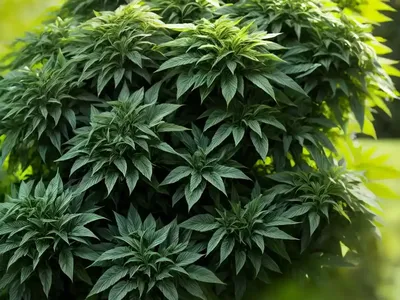
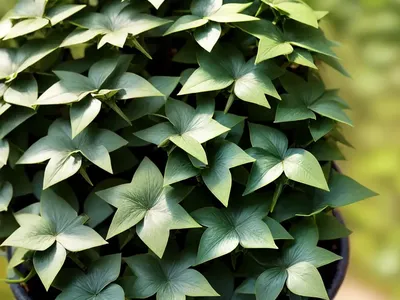
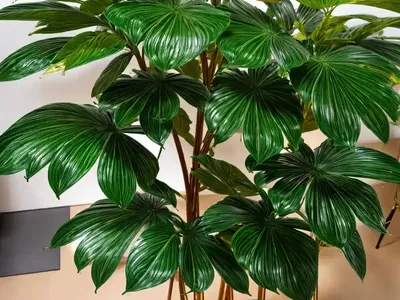
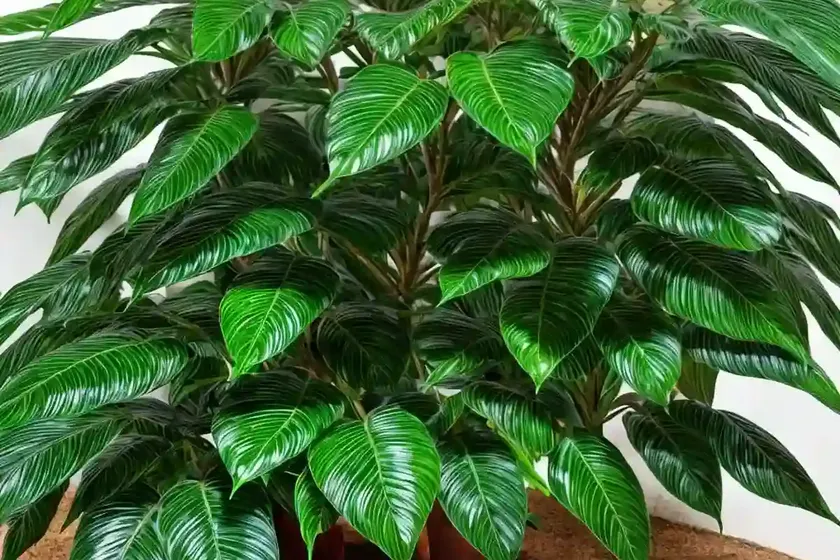
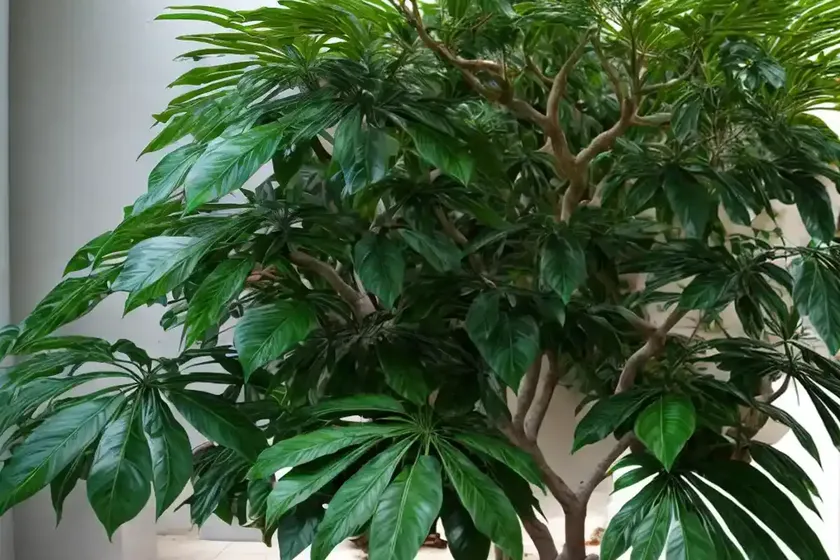
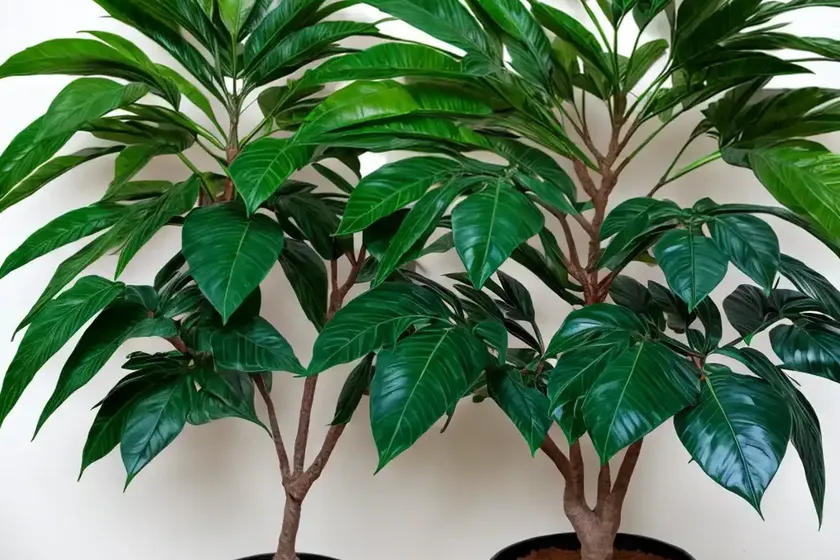
The plant is characterized by its glossy, dark green leaves that radiate from a central point, giving it an umbrella-like appearance, hence the name “Umbrella Tree.” While it is often grown as a houseplant, it can also thrive outdoors in suitable conditions, adding a touch of tropical elegance to garden landscapes.
Key Takeaways – Umbrella Tree (Schefflera arboricola)
Before we delve into the specifics of caring for the Umbrella Tree, let’s summarize the key takeaways:
- Scientific Name: Schefflera arboricola
- Common Names: Umbrella Tree, Dwarf Umbrella Tree, Hawaiian Umbrella Tree
- Plant Type: Evergreen shrub
- Native Range: Taiwan
- Growth Habit: Compact, bushy growth with radiating, umbrella-shaped foliage
- Light Requirements: Bright, indirect light; can tolerate some degree of shade
- Watering: Allow the soil to partially dry out between waterings; avoid waterlogging
- Soil Type: Well-draining, rich potting mix
- Fertilization: Regular feeding during the growing season, sparingly in winter
- Propagation: Can be propagated from stem cuttings; air layering is also an option
- Common Diseases: Leaf spot diseases, root rot
- Common Pests: Spider mites, aphids, mealybugs
- Toxicity: Considered mildly toxic to pets if ingested
- Maintenance: Pruning for shape and size control; periodic dusting of leaves
- Fun Fact: The Umbrella Tree is said to symbolize good luck and prosperity in many cultures.
Now, let’s explore each of these aspects in detail to gain a comprehensive understanding of the care requirements for the Umbrella Tree.
Culture
Uses
The Umbrella Tree holds significant decorative value and is commonly used as an indoor ornamental plant. Its lush foliage and compact growth habit make it an excellent choice for brightening up interior spaces, including homes, offices, and commercial settings. In addition to its aesthetic appeal, the plant is also known for its air-purifying properties, enhancing indoor air quality by removing pollutants and airborne toxins.
Water
Proper watering is crucial for the health and well-being of the Umbrella Tree. Overwatering can lead to root rot and other issues, while underwatering may result in wilting and drying of the foliage. When it comes to watering, it’s essential to strike the right balance.
- Watering Tips for the Umbrella Tree:
- Allow the top 1-2 inches of the soil to dry out before watering.
- Water the plant thoroughly, ensuring that excess water drains away from the pot.
- Discard any excess water that collected in the saucer to prevent waterlogging.
- During winter, reduce the frequency of waterings as the plant’s growth slows down.
Sunlight
Proper light exposure is essential for the Umbrella Tree to thrive. While it appreciates bright, indirect light, it can tolerate some degree of shade. However, inadequate light may lead to sparse foliage and leggy growth, so finding the right balance is key.
- Light Requirements for the Umbrella Tree:
- Place the plant in a location with bright, filtered light, such as near a north or east-facing window.
- Shield it from direct sun exposure, especially during the intense midday hours, to prevent leaf scorch.
- If natural light is insufficient, consider supplementing with grow lights to meet the plant’s needs.
Fertilizer
Proper fertilization helps sustain the Umbrella Tree’s growth and ensures the development of vibrant foliage. As with watering, moderation is key to prevent fertilizer burn and nutrient imbalances.
- Fertilizing Tips for the Umbrella Tree:
- Use a balanced, water-soluble fertilizer formulated for houseplants.
- Apply the fertilizer during the growing season (spring and summer) every 4-6 weeks at half the recommended strength.
- Reduce or cease fertilization in fall and winter when the plant’s growth slows down.
- Flush the soil occasionally to prevent salt buildup from excessive fertilizer application.
Soil
Choosing the right soil mix is critical for providing the Umbrella Tree with the necessary nutrients and a well-aerated root environment. A well-draining potting mix that retains moisture without becoming waterlogged is ideal.
- Potting Soil Preferences for the Umbrella Tree:
- Use a high-quality, well-draining potting mix with a slightly acidic to neutral pH.
- Incorporate organic matter, such as peat moss or compost, to improve soil structure and fertility.
- Consider adding perlite or coarse sand to enhance drainage and aeration.
- Ensure the pot has adequate drainage holes to prevent water accumulation at the root zone.
Pruning
Pruning is an essential aspect of Umbrella Tree care, serving multiple purposes such as maintaining a desirable shape, controlling size, and promoting bushier growth. Regular pruning also helps remove damaged or diseased foliage, enhancing the plant’s overall appearance.
- Pruning Techniques for the Umbrella Tree:
- Use sharp, clean pruning shears to make precise cuts and minimize damage to the plant.
- Trim back leggy growth and excessively long stems to encourage a more compact form.
- Remove any yellowing, spotted, or withered leaves to improve the plant’s aesthetic appeal.
- Periodically dust the leaves with a damp cloth to keep them free from dust and debris.
Propagation
The Umbrella Tree can be propagated through stem cuttings, offering a cost-effective way to obtain new plants or share them with fellow gardening enthusiasts. Air layering is another method that yields reliable results, especially for larger specimens.
- Propagation Methods for the Umbrella Tree:
- Take 4-6 inch stem cuttings from healthy, mature plants, ensuring each cutting has at least one leaf and a node.
- Dip the cut ends in rooting hormone to enhance the chances of successful root development.
- Plant the cuttings in a moist, well-draining rooting medium and provide bottom heat to expedite root formation.
- Keep the cuttings in a warm, humid environment and mist them regularly to maintain high moisture levels.
Container Popularity
The Umbrella Tree’s popularity as a container plant stems from its adaptability to indoor environments and its ability to thrive in relatively small containers. Its compact growth habit and elegant foliage make it a preferred choice for adorning living spaces and bringing a touch of nature indoors.
Container Common Diseases
When grown in containers, the Umbrella Tree may be susceptible to specific diseases associated with potted plants, including root rot and leaf spot diseases.
Disease Diagnosis
-
Root Rot: Symptoms include wilting, yellowing of leaves, and foul-smelling, mushy roots. To diagnose root rot, carefully inspect the plant’s root system for signs of decay and discoloration.
-
Leaf Spot Diseases: These are characterized by the appearance of dark or water-soaked spots on the foliage, often accompanied by yellowing and premature leaf drop. Correct diagnosis involves examining the affected leaves and identifying the causal pathogen through laboratory analysis or visual matching with reference materials.
Common Pests
Despite being a relatively low-maintenance plant, the Umbrella Tree is not immune to pest infestations. Common pests that may affect this plant include spider mites, aphids, and mealybugs.
- Pest Control and Management:
- Regularly inspect the plant for signs of pest activity, including webbing, sticky residues, and visible insects.
- Use a gentle spray of water to dislodge small populations of pests from the foliage.
- Consider using natural predators such as ladybugs or introducing parasitic wasps to control pest populations.
- If infestations persist, resort to horticultural oils or insecticidal soaps as a targeted pest control measure.
Botanist’s Tips
Here are some valuable tips from botanists and experienced gardeners to ensure the optimal care of the Umbrella Tree:
- Provide consistent environmental conditions, including temperature, humidity, and light levels, to avoid stress and promote healthy growth.
- Rotate the plant periodically to ensure uniform exposure to light, which helps prevent lopsided growth.
- Monitor the plant for any signs of stress or decline, such as yellowing leaves, leaf drop, or stunted growth, and take corrective action promptly.
Fun Facts
The Umbrella Tree is not only a fascinating plant to cultivate but also carries cultural significance and interesting tidbits. Here are some fun facts about this distinctive species:
- In Feng Shui, the Umbrella Tree is considered a symbol of prosperity and good fortune, making it a popular choice for enhancing positive energy in living spaces.
- Several cultivars of Schefflera arboricola are known for their variegated foliage, adding a splash of color and visual interest to indoor and outdoor settings.
- The plant has been associated with the concept of “money trees” in various cultures, where it is believed to bring financial luck and abundance to its caretakers.
Links to External Resources
To further expand your knowledge and understanding of the Umbrella Tree (Schefflera arboricola), I recommend exploring the following resources:
- The Spruce: How to Grow and Care for Schefflera Plants
- University of Florida IFAS Extension: Schefflera arboricola Fact Sheet
- Royal Horticultural Society: Schefflera arboricola
- Missouri Botanical Garden: Schefflera arboricola
By leveraging these resources, as well as engaging with fellow gardening enthusiasts and experts, you can gain valuable insights into cultivating and caring for the Umbrella Tree with confidence.
In conclusion, the Umbrella Tree (Schefflera arboricola) is a captivating plant that not only adds beauty to our surroundings but also contributes to a healthier indoor environment. With the right care and attention to its cultural needs, this delightful species can thrive and bring joy to plant enthusiasts of all levels. Whether you are a seasoned gardener or a beginner plant parent, the Umbrella Tree offers an enriching and rewarding experience, making it a cherished addition to any botanical collection.
Remember, every leaf of the Umbrella Tree holds a story of resilience, elegance, and the wonders of nature—may you enjoy every moment of cultivating this remarkable plant!
The article accurately covers the key aspects of caring for the Umbrella Tree (Schefflera arboricola), providing detailed insights into its cultural requirements, propagation, common diseases, and more. The information is well-researched and presented in a comprehensive manner, catering to both novice plant enthusiasts and experienced gardeners. Additionally, the inclusion of fun facts and external resource links enhances the article’s value, offering readers an engaging and educational journey into the world of this captivating plant.