Scarlet Sage (Salvia Splendens)
Scarlet sage, scientifically known as Salvia splendens, is a stunning flowering plant that belongs to the mint family, Lamiaceae. Renowned for its vibrant.
Introduction
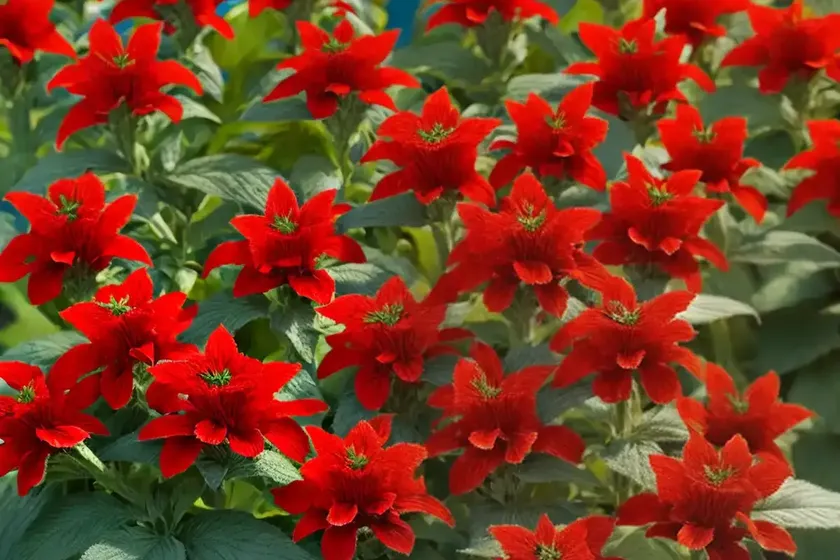
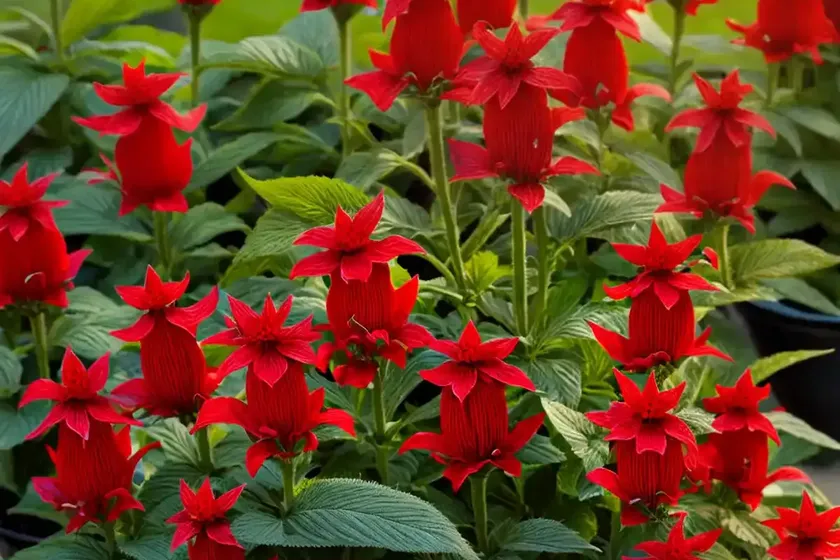
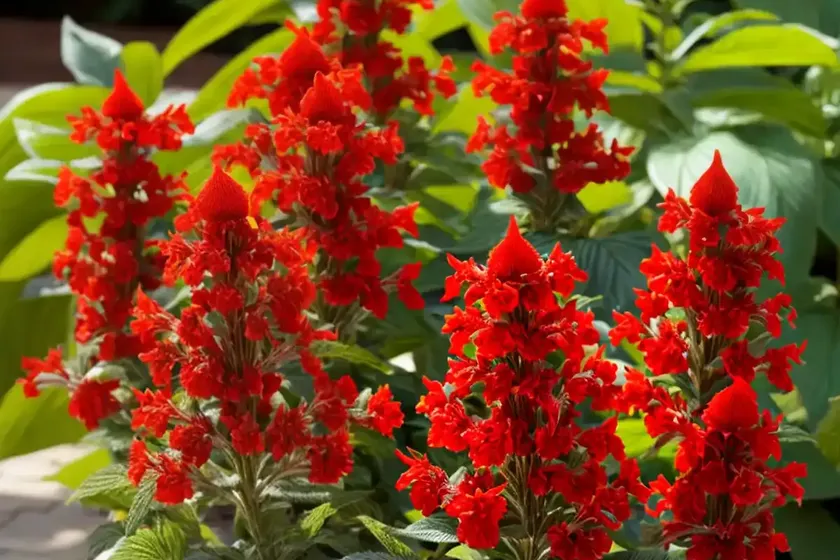
Scarlet sage, scientifically known as Salvia splendens, is a stunning flowering plant that belongs to the mint family, Lamiaceae. Renowned for its vibrant red flowers and lush green foliage, this plant has become a favorite in gardens and landscapes across the world. In this comprehensive guide, we will delve into the various aspects of Scarlet sage, including its cultural requirements, uses, and tips for cultivation and maintenance.
What is Scarlet Sage (Salvia splendens)?
Scarlet sage, a native of Brazil, is a popular ornamental plant valued for its striking, long-lasting blooms. It is an herbaceous perennial in its native habitat but is often grown as an annual in cooler climates. The plant typically reaches a height of 1 to 3 feet and produces dense spikes of tubular, red flowers, though cultivars with pink, white, and purple flowers are also available.
Key Takeaways
Scarlet Sage (Salvia splendens)
- Plant Name: Scarlet Sage (Salvia splendens)
- Family: Lamiaceae
- Common Names: Scarlet Sage, Tropical Sage, Blood Sage
- Botanical Name: Salvia splendens
- Plant Type: Herbaceous perennial (often grown as an annual)
- Native Habitat: Brazil
- USDA Hardiness Zones: 10-11
- Bloom Time: Summer through fall
- Watering: Moderate
- Sunlight: Full sun to partial shade
- Soil: Well-draining, fertile soil
- Maintenance: Low to moderate
- Uses: Ornamental, attracts pollinators
Culture
Uses
Scarlet sage is primarily cultivated for its ornamental value. Its vibrant flowers make it an eye-catching addition to flower beds, borders, and containers. Additionally, due to its nectar-rich blooms, Scarlet sage serves as a valuable resource for pollinators, particularly hummingbirds and butterflies.
Water
Proper watering is crucial for the health and vigor of Scarlet sage plants. They generally prefer moderate moisture levels, and the soil should be kept consistently moist but not waterlogged. During the growing season, a regular watering schedule is essential, particularly during dry spells, to support robust growth and flowering.
Sunlight
When it comes to sunlight requirements, Scarlet sage thrives in full sun to partial shade. It should be planted in a location that receives at least 6-8 hours of direct sunlight daily for optimal growth and prolific flowering. In locations where summers are particularly hot, providing some afternoon shade can be beneficial.
Fertilizer
Applying a balanced, all-purpose fertilizer can help promote healthy growth and abundant flowering in Scarlet sage. A slow-release fertilizer can be incorporated into the soil at the time of planting, followed by subsequent applications throughout the growing season according to the manufacturer’s recommendations.
Soil
The ideal soil for Scarlet sage is well-draining and fertile, with a slightly acidic to neutral pH. To ensure adequate drainage, amending heavy or compacted soils with organic matter such as compost or peat moss is advisable. This not only improves the soil structure but also enhances its ability to retain moisture and nutrients.
Pruning
Periodic pruning is beneficial for maintaining the compact, bushy form of Scarlet sage, as well as prolonging its blooming period. Deadheading spent flowers and removing any damaged or leggy growth can encourage the production of new blooms and promote overall plant health. Additionally, pruning back the stems in early summer can result in a second flush of flowers later in the season.
Propagation
Scarlet sage can be propagated from seeds or cuttings. To propagate from seeds, sow them indoors 6-8 weeks before the last expected frost date or directly in the garden after the threat of frost has passed. As for stem cuttings, select healthy, non-flowering stems and root them in a well-draining rooting medium to establish new plants.
Container Popularity
Due to its compact growth habit and vibrant blooms, Scarlet sage is a popular choice for container gardening. It adds color and visual interest to patios, decks, and balconies, making it an ideal option for those with limited garden space. When grown in containers, it is important to ensure adequate drainage and provide regular watering and fertilization.
Common Diseases
Disease Diagnosis
Scarlet sage is generally resilient to pests and diseases, particularly when grown in favorable conditions. However, it can occasionally fall victim to certain issues, including:
-
Powdery Mildew: This fungal disease manifests as a white, powdery growth on the leaves, often caused by poor air circulation and high humidity. To prevent powdery mildew, ensure proper spacing between plants and avoid overhead watering.
-
Root Rot: Excessive soil moisture can lead to root rot, causing the plant to wilt and the roots to become soft and discolored. To prevent this, ensure proper drainage and avoid overwatering.
-
Whiteflies and Aphids: These sap-sucking insects can infest Scarlet sage, causing stunted growth and yellowing leaves. Insecticidal soaps or horticultural oils can be used to control these pests.
Common Pests
In addition to whiteflies and aphids, Scarlet sage may occasionally attract spider mites, caterpillars, and thrips. Regular inspection of the plant for signs of pest infestation, such as stippled or curled leaves, and the prompt implementation of control measures can help mitigate the damage caused by these insects.
Botanist’s Tips
-
Companion Planting: Scarlet sage complements a variety of plants and can be used to create stunning combinations in garden beds and containers. Pairing it with other sun-loving annuals such as marigolds, petunias, and zinnias can result in a vibrant and diverse display of colors.
-
Overwintering: In regions where Scarlet sage is grown as an annual, consider taking cuttings in late summer to overwinter indoors. This allows you to preserve the plants and propagate new ones for the following growing season.
-
Deadheading: Consistent deadheading not only promotes continuous blooming but also prevents the plant from self-seeding excessively, particularly in areas where it is considered invasive.
Fun Facts
-
Scarlet sage is not only valued for its ornamental characteristics but is also considered to have medicinal uses. In traditional medicine, it has been used for its purported diuretic and anti-inflammatory properties, though it is important to note that scientific evidence supporting these claims is limited.
-
The bright red flowers of Scarlet sage are known to be attractive to hummingbirds, making it a popular addition to gardens designed to attract these fascinating and energetic birds.
Links to External Resources
For further information and resources regarding Scarlet sage (Salvia splendens), refer to the following:
- Salvia splendens: Scarlet Sage
- Growing Annual Salvias
- The Herb Society – Salvia splendens
- Scarlet Sage (Salvia splendens) Fact Sheet
In conclusion, Scarlet sage (Salvia splendens) is a captivating plant that offers a myriad of benefits to gardeners and nature enthusiasts. Whether used as a focal point in garden beds, an accent in containers, or a resource for pollinators, its vibrant flowers and low-maintenance nature make it a valuable addition to any landscape. By understanding its cultural requirements, common uses, and potential challenges, one can cultivate and appreciate the beauty and resilience of this remarkable plant.
Remember, the joy of gardening comes not only from the beauty of the plants themselves but also from the knowledge and care we invest in nurturing them.
Happy Gardening!


