Scarlet Monkeyflower (Mimulus Cardinalis)
Plants have always been an integral part of human existence. Whether used for their aesthetic appeal, medicinal properties, or ecological significance.
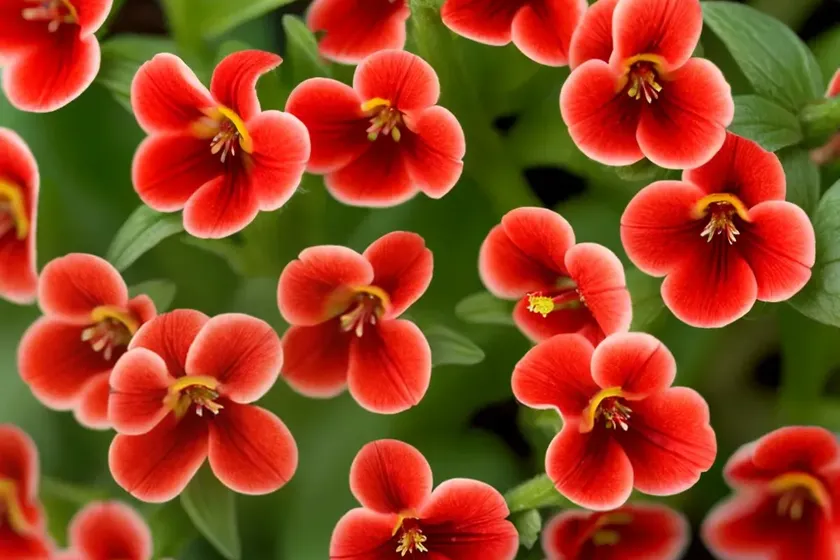
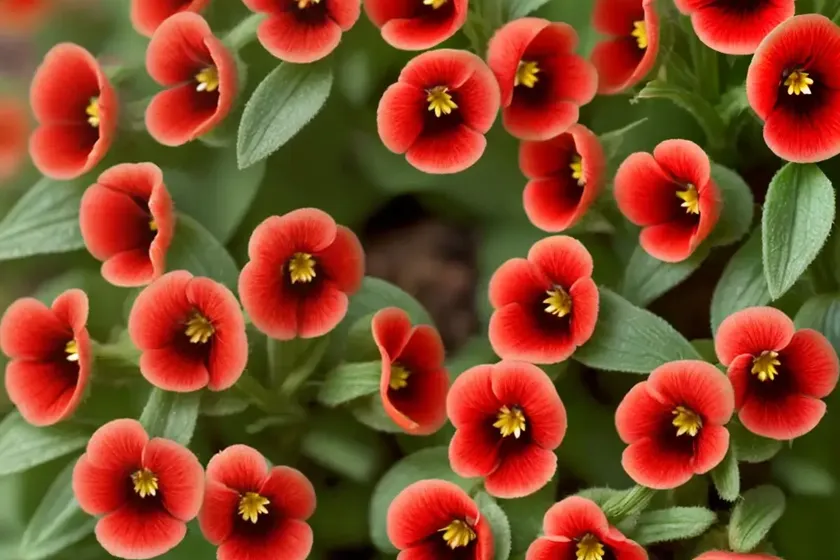
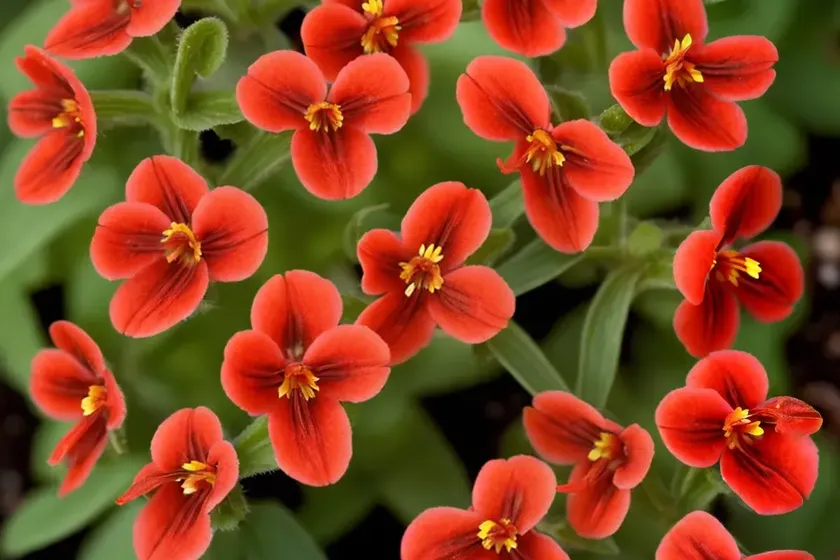
Plants have always been an integral part of human existence. Whether used for their aesthetic appeal, medicinal properties, or ecological significance, plants continue to capture the interest of scientists and enthusiasts alike. In this comprehensive guide, we will delve into the world of the Scarlet Monkeyflower, scientifically known as Mimulus cardinalis. From its cultural significance to its care requirements, this article will cover all aspects related to this captivating plant.
What is the Scarlet Monkeyflower (Mimulus cardinalis)?
The Scarlet Monkeyflower, also known as Mimulus cardinalis, is a vibrant perennial plant belonging to the Phrymaceae family. Native to the western United States and parts of Mexico, this striking plant is renowned for its stunning scarlet-red flowers that bloom in the summer and fall, attracting pollinators such as hummingbirds and butterflies.
Key Takeaways – Scarlet Monkeyflower (Mimulus cardinalis)
Before delving into the intricacies of cultivating and caring for the Scarlet Monkeyflower, let’s take a moment to highlight some key takeaways about this captivating plant:
- Common Name: Scarlet Monkeyflower
- Scientific Name: Mimulus cardinalis
- Plant Type: Perennial
- Native Habitat: Western United States and parts of Mexico
- Flower Color: Vibrant scarlet-red
- Attracts: Hummingbirds and butterflies
Now, let’s explore the culture, uses, and care requirements of this fascinating plant.
Culture
The Scarlet Monkeyflower holds cultural significance among various indigenous communities in the western United States. Traditionally, this plant was revered for its medicinal properties and was often used in healing rituals and ceremonies. Additionally, the vibrant scarlet-red flowers of the Mimulus cardinalis were valued for their aesthetic appeal and were incorporated into ornamental arrangements and ceremonies.
Uses
The Scarlet Monkeyflower, with its striking appearance and ecological significance, serves a multitude of purposes, including:
- Ornamental Purposes: Widely admired for its vibrant flowers, the Scarlet Monkeyflower is used in landscaping and garden designs to add a splash of color and attract pollinators.
- Ecological Significance: As a native plant, the Scarlet Monkeyflower plays a vital role in supporting local ecosystems by providing nectar for hummingbirds, butterflies, and other pollinators.
- Medicinal Applications: In traditional practices, certain indigenous communities utilized the Mimulus cardinalis for its potential medicinal properties, often as a treatment for various ailments.
Care
Cultivating the Scarlet Monkeyflower successfully requires attention to various crucial factors, including water, sunlight, fertilizer, soil, pruning, and propagation techniques.
Water
The Scarlet Monkeyflower thrives in moist conditions, making it well-suited to areas with consistent access to water. When cultivating Mimulus cardinalis, it is essential to ensure that the soil remains evenly moist, especially during the hot summer months.
Sunlight
In terms of sunlight requirements, the Scarlet Monkeyflower flourishes in partial to full sunlight. Providing the plant with adequate sunlight is crucial to promoting robust growth and prolific flowering.
Fertilizer
When it comes to fertilization, the Scarlet Monkeyflower benefits from a balanced, all-purpose fertilizer. Applying fertilizer during the growing season can help enhance the overall health and vigor of the plant, resulting in more abundant blooms.
Soil
The ideal soil for cultivating the Scarlet Monkeyflower is rich, well-draining, and slightly acidic. This plant thrives in loamy or sandy soil types and must be planted in areas where water does not pool, as it is susceptible to root rot in waterlogged conditions.
Pruning
Pruning is essential for maintaining the health and aesthetic appeal of the Scarlet Monkeyflower. Regular deadheading of faded flowers and light pruning can promote continuous blooming and prevent the plant from becoming leggy.
Propagation
Propagating the Scarlet Monkeyflower can be achieved through both seeds and cuttings. Whether starting from seeds or cuttings, ensuring that the plant has access to ample moisture and suitable growing conditions is vital for successful propagation.
Container Popularity
The Scarlet Monkeyflower is well-suited for container gardening, allowing enthusiasts to enjoy its vibrant blooms in a versatile and manageable setting. Its popularity in container gardening stems from its ability to thrive in a range of environments, including patios, balconies, and windowsills.
Container Common Diseases
While cultivating the Scarlet Monkeyflower in containers can be immensely rewarding, it is crucial to be mindful of potential diseases that may affect the plant. Common diseases that can impact container-grown Mimulus cardinalis include:
- Powdery Mildew: A fungal disease that presents as white, powdery patches on the foliage.
- Root Rot: Caused by waterlogged soil, this condition can lead to the decay of the plant’s roots, resulting in wilting and stunted growth.
Disease Diagnosis
Identifying and addressing diseases promptly is essential for safeguarding the health of container-grown Scarlet Monkeyflowers. Regularly inspecting the plant for signs of fungal infections, wilting, or abnormal growth can aid in early disease diagnosis and effective treatment.
Common Pests
While the Scarlet Monkeyflower is relatively resistant to pests, there are certain insects that may pose a threat to its well-being. Common pests that may affect Mimulus cardinalis include:
- Aphids: Small, sap-sucking insects that can cause distortion and yellowing of the plant’s leaves.
- Spider Mites: These tiny pests feed on plant sap, leading to the development of fine webbing and stippling on the foliage.
Botanist’s Tips
To ensure the successful cultivation of the Scarlet Monkeyflower, incorporating these botanist’s tips into your gardening practices can yield favorable results:
- Mulching: Applying a layer of organic mulch around the base of the plant can help retain soil moisture and prevent weed growth.
- Regular Monitoring: Observing the plant for any signs of stress, disease, or pest infestations is crucial for maintaining its overall health.
Fun Facts
Exploring the unique and fascinating aspects of the Scarlet Monkeyflower can unveil a world of interesting tidbits and trivia:
- The crimson-colored flowers of Mimulus cardinalis are known to attract hummingbirds, making it a delightful addition to hummingbird gardens.
- Scarlet Monkeyflowers are often found in riparian habitats, thriving along the banks of streams and in damp, marshy areas.
Links to External Resources
For further information on the Scarlet Monkeyflower and its cultivation, the following external resources can provide valuable insights and guidance:
By leveraging these resources, you can expand your knowledge and appreciation for the captivating world of Mimulus cardinalis.
In conclusion, the Scarlet Monkeyflower, or Mimulus cardinalis, stands as a symbol of natural beauty and ecological significance. Through its striking scarlet-red blooms and cultural resonance, this plant continues to captivate gardeners, conservationists, and botanical enthusiasts alike. By understanding and implementing the key facets of Scarlet Monkeyflower care, from water and sunlight requirements to disease prevention and propagation techniques, individuals can partake in the joy of cultivating and admiring this remarkable plant. Whether gracing garden beds, containers, or native landscapes, the Scarlet Monkeyflower holds a special place in the realm of horticulture and biodiversity, enriching our surroundings with its vivid charm and vital ecological role.
With the comprehensive knowledge and insights offered in this guide, enthusiasts can embark on a satisfying journey of Scarlet Monkeyflower cultivation and embrace the wonders of this captivating plant. Let the beauty and resilience of Mimulus cardinalis inspire your gardening endeavors and foster a deeper connection to the splendors of the natural world.


