Scarlet Firethorn (Pyracantha Coccinea ‘Lowboy’)
Plants have always fascinated human beings with their vibrant colors, intricate structures, and multiple uses. One such captivating plant is the scarlet.

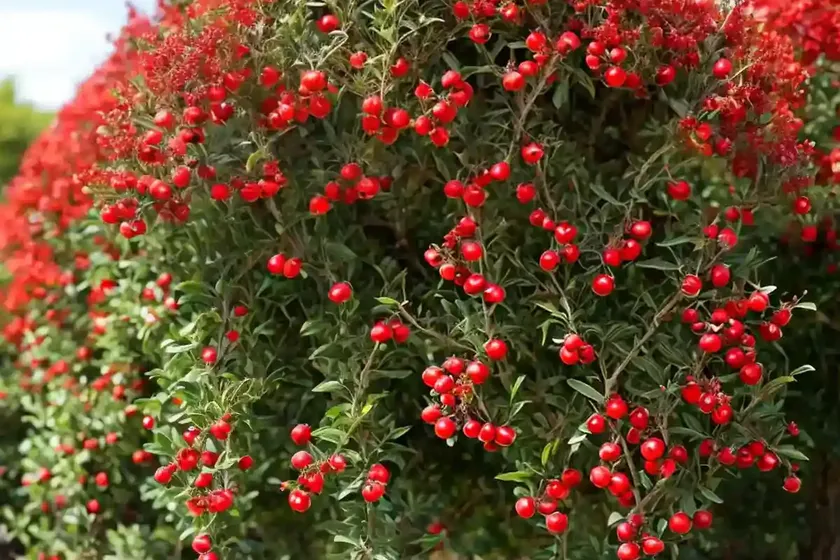

Plants have always fascinated human beings with their vibrant colors, intricate structures, and multiple uses. One such captivating plant is the scarlet firethorn (Pyracantha coccinea ‘Lowboy’). This plant is cherished for its striking appearance, easy maintenance, and a wide range of applications in landscaping and as a garden shrub. In this extensive guide, we will delve into the various facets of the scarlet firethorn, including its culture, uses, care requirements, and common pests and diseases. Let’s embark on a journey to explore the captivating world of the scarlet firethorn!
What is the Scarlet Firethorn (Pyracantha coccinea ‘Lowboy’)?
The scarlet firethorn, scientifically known as Pyracantha coccinea ‘Lowboy’, is a compact and low-growing evergreen shrub that belongs to the Rosaceae family. Originating from Southern Europe and Western Asia, this cultivar is a popular landscape plant renowned for its beautiful clusters of vibrant red, orange, or yellow berries that adorn its branches in the fall and winter. The ‘Lowboy’ cultivar is specifically cherished for its dwarf growth habit, making it an excellent choice for smaller gardens, border plantings, and even container gardening.
Key Takeaways – Scarlet Firethorn (Pyracantha coccinea ‘Lowboy’)
Before we delve into the intricacies of the scarlet firethorn’s care and maintenance, let’s outline the key takeaways of this fascinating plant.
- Botanical Name: Pyracantha coccinea ‘Lowboy’
- Common Names: Scarlet firethorn plant, low-growing firethorn, compact Pyracantha coccinea, scarlet firethorn cultivar
- Growth Habit: Low-growing, compact, dwarf
- Leaf Type: Evergreen
- Berries: Clusters of red, orange, or yellow berries in fall and winter
- Uses: Landscaping, border plantings, container gardening
- Attributes: Vibrant berries, easy maintenance, wildlife attraction
Now that we have familiarized ourselves with the basics of the scarlet firethorn, let’s delve into the details regarding its culture, uses, care requirements, and interesting facts.
Culture
Understanding the cultural requirements of the scarlet firethorn is essential for ensuring its healthy growth and vibrant berry production. The cultural aspects encompass various factors such as water, sunlight, soil, and pruning techniques. Let’s explore each of these elements in detail.
Uses
The scarlet firethorn is a versatile plant known for its aesthetic and functional uses. Its ornamental berries make it a popular choice for landscaping, and its low-growing habit and compact form lend themselves well to border plantings and container gardening. Let’s explore the diverse uses of the scarlet firethorn.
- Landscaping: The vibrant berries of the scarlet firethorn add a pop of color to garden landscapes, particularly during the fall and winter seasons. Its evergreen foliage provides year-round interest, and the plant’s compact form makes it suitable for a variety of landscaping applications.
- Border Plantings: Due to its low-growing and dense nature, the scarlet firethorn is often used to create natural borders or hedges. Its thorny branches also serve as a deterrent to intruders, making it an ideal choice for security hedging.
- Container Gardening: The compact size and ornamental berries of the scarlet firethorn make it well-suited for container gardening. Whether placed on patios, balconies, or around outdoor seating areas, it adds a dash of color and visual interest to the surroundings.
The multiple uses of the scarlet firethorn make it a valuable addition to any garden or landscape design, adding both aesthetic charm and functional benefits.
Water
Water is a crucial element in the care of scarlet firethorn, especially during its establishment phase and in times of drought. Proper watering practices are essential for maintaining the plant’s health and promoting abundant berry production.
- Establishment Phase: During the initial phase after planting, the scarlet firethorn requires regular watering to support root establishment. Provide the plant with sufficient water, ensuring that the soil is evenly moist but not waterlogged.
- Drought Conditions: In regions experiencing prolonged dry spells, it is important to water the scarlet firethorn deeply to ensure the moisture reaches the root zone. Add a layer of mulch around the base of the plant to retain soil moisture and reduce water evaporation.
Understanding the water requirements of the scarlet firethorn and adjusting the watering regimen based on the plant’s growth stage and environmental conditions are vital for its overall health and vitality.
Sunlight
Like most plants, the scarlet firethorn thrives in ample sunlight and exhibits its best growth and berry production under specific sunlight conditions.
- Full Sun: Ideally, the scarlet firethorn should be positioned in a location that receives full sunlight, defined as at least 6 to 8 hours of direct sunlight per day. Adequate sunlight promotes robust growth, enhances berry coloration, and ensures the plant’s overall vigor.
- Partial Shade: While the scarlet firethorn prefers full sun, it can tolerate partial shade, especially in hotter regions where some respite from the intense midday sun may be beneficial.
By providing the scarlet firethorn with the appropriate sunlight conditions, gardeners can ensure its optimal development and the abundant production of its characteristic berries.
Fertilizer
Fertilizing the scarlet firethorn at the right time and with the appropriate nutrients can significantly enhance its growth, berry production, and overall vitality.
- Timing: The best time to fertilize the scarlet firethorn is in early spring, just before the onset of new growth. This allows the plant to benefit from the nutrients as it enters its active growing phase.
- Fertilizer Type: Apply a balanced, slow-release fertilizer formulated for shrubs and hedges. Such fertilizers typically contain a blend of essential nutrients, including nitrogen, phosphorus, and potassium, which support overall plant health and berry development.
Using fertilizer judiciously and in accordance with the plant’s growth cycle can help optimize the scarlet firethorn’s performance and contribute to a bountiful berry display.
Soil
The soil in which the scarlet firethorn is planted plays a pivotal role in its overall health and performance. Understanding the soil requirements and optimizing the planting site can ensure the plant’s successful establishment and long-term well-being.
- Well-Draining Soil: Scarlet firethorn plants thrive in well-draining, loamy soil that allows excess water to percolate through easily. Soil with good drainage prevents waterlogged conditions that can lead to root rot and other detrimental issues.
- Soil pH: The ideal soil pH for scarlet firethorn cultivation ranges from slightly acidic to slightly alkaline, typically between 6.0 and 7.5. Conducting a soil test can provide valuable insights into the existing pH levels and any necessary amendments to optimize the soil for the plant’s growth.
Creating an optimal soil environment tailored to the scarlet firethorn’s preferences is foundational to its successful cultivation and long-term flourishing.
Pruning
Proper pruning not only shapes the scarlet firethorn for aesthetic purposes but also helps maintain its health, manage its size, and promote prolific berry production.
- Pruning Time: The best time to prune the scarlet firethorn is in late winter to early spring, before the onset of new growth. This timing allows the plant to recover from the pruning and allocate its resources towards new growth and berry development.
- Techniques: When pruning the scarlet firethorn, remove dead, diseased, or damaged branches to maintain the plant’s vigor. Additionally, selectively prune to shape and thin out the plant, promoting adequate air circulation and sunlight penetration for optimal berry production.
Adhering to appropriate pruning practices specific to the scarlet firethorn is essential for preserving the plant’s health and maximizing its ornamental value.
Propagation
Propagating the scarlet firethorn through suitable methods allows gardeners to multiply their prized plants and expand their landscape or garden design.
- Propagation Methods: The scarlet firethorn can be propagated through several methods, including seed propagation, softwood cuttings, and hardwood cuttings. Each method has its advantages and challenges, and the choice of propagation method often depends on the gardener’s preferences and the availability of plant material.
- Timing: For most propagation methods, the ideal time to propagate the scarlet firethorn is in the spring or early summer, when the plant is actively growing and has ample energy reserves to support the establishment of new plants.
Understanding the intricacies of scarlet firethorn propagation provides an avenue for gardeners to expand their plant collection and share the beauty of this versatile shrub with others.
Container Popularity
The compact nature and ornamental berries of the scarlet firethorn make it well-suited for container gardening, offering numerous possibilities for creative and space-efficient plant arrangements.
- Container Selection: When choosing a container for scarlet firethorn cultivation, opt for a sizable pot with adequate drainage holes to ensure proper water management and prevent waterlogging.
- Placement: Position the container in a location that receives ample sunlight, as sunlight is crucial for the plant’s growth and berry production. Additionally, ensure that the container is placed securely to prevent tipping over, especially during windy conditions.
Utilizing the scarlet firethorn in container gardening presents an opportunity to enhance outdoor spaces with its vibrant colors and compact form, even in limited garden areas.
Common Diseases and Pests
As with any plant, the scarlet firethorn is susceptible to certain diseases and pests that can impact its health and appearance. By identifying these issues early and implementing appropriate management strategies, gardeners can safeguard the plant’s well-being and ensure its continued vitality.
Disease Diagnosis
Fire Blight (Erwinia amylovora)
Fire blight is a bacterial disease that affects a variety of plants, including the scarlet firethorn. It is characterized by wilting, blackened shoot tips, and a scorched appearance of the affected branches. Symptoms typically become visible in spring, and the disease can spread rapidly in conducive environmental conditions.
- Management: Prune and remove infected branches promptly, disinfecting pruning tools between cuts to prevent further spread. Copper-based fungicides may also help manage the disease, and ensuring good air circulation around the plant can reduce the risk of infection.
Scab (Venturia spp.)
Scab is a common fungal disease that manifests as dark, scabby lesions on the leaves and fruit of the scarlet firethorn. The affected plant parts may exhibit deformation, and severe infections can lead to defoliation and reduced berry production.
- Management: Practice good sanitation by removing and disposing of affected plant material. Fungicidal sprays can also be employed preventively or at the first sign of infection to mitigate the impact of the disease.
Common Pests
Firethorn Moth (Archeria hirtella)
The firethorn moth is a small, whitish moth whose larvae feed on the leaves of the scarlet firethorn, potentially leading to defoliation and aesthetic damage.
- Management: Handpick and remove the larvae or employ biological control methods using beneficial insects that prey on the moth larvae. In severe cases, insecticidal treatments may be necessary to manage the population of the pest.
Spider Mites (Tetranychus spp.)
Spider mites are tiny arachnids that can infest the scarlet firethorn, particularly during dry and hot conditions. They feed on the plant’s sap, leading to stippling, discoloration, and weakening of the foliage.
- Management: Use water sprays to dislodge and reduce the population of spider mites. Additionally, employing predatory mites or applying horticultural oils can provide effective control against these pests.
Botanist’s Tips
Select Disease-Resistant Varieties
When choosing scarlet firethorn cultivars for cultivation, consider selecting disease-resistant varieties to minimize the risk of potential infections and simplify the plant’s maintenance.
Monitor Moisture Levels
Maintaining optimal moisture levels in the soil is essential for reducing the plant’s susceptibility to certain diseases, particularly those exacerbated by waterlogged conditions.
Promote Biodiversity
Encouraging a diverse range of plant species and beneficial insects in the garden can create a balanced ecosystem that naturally regulates pest populations and enhances the overall health of the scarlet firethorn and surrounding plants.
The effective management of common diseases and pests ensures the scarlet firethorn’s robust growth and promotes its ornamental value in garden landscapes and various horticultural settings.
Fun Facts
Exploring the lesser-known aspects of the scarlet firethorn reveals captivating and intriguing details that add to its allure and appeal. Here are some fun facts about this captivating plant:
- Wildlife Attraction: The scarlet firethorn’s vibrant berries are not only eye-catching but also serve as a valuable food source for birds, contributing to wildlife conservation and biodiversity in garden environments.
- Seasonal Appeal: While the scarlet firethorn’s berries are a prominent feature in fall and winter, the plant also boasts small, delicate white flowers in the spring, adding to its seasonal appeal.
- Folklore and Symbolism: In various cultures, the scarlet firethorn is associated with different symbolic meanings, often signifying protection, abundance, or good fortune. Its historical significance adds an intriguing layer to its botanical charm.
These fun facts provide a glimpse into the cultural, ecological, and symbolic richness embodied by the scarlet firethorn, elevating its status as a beloved garden plant with multidimensional appeal.
Links to External Resources
For further exploration of the scarlet firethorn (Pyracantha coccinea ‘Lowboy’) and its various aspects, refer to the following external resources:
- Royal Horticultural Society – Scarlet Firethorn Plant Profile
- University of Florida IFAS Extension – Pyracantha coccinea: Scarlet Firethorn
- Missouri Botanical Garden – Pyracantha coccinea ‘Lowboy’ Overview
These external resources provide in-depth information, insights, and cultivation guidelines for the scarlet firethorn, offering valuable knowledge for plant enthusiasts, gardeners, and horticulturalists.
In conclusion, the scarlet firethorn (Pyracantha coccinea ‘Lowboy’) stands out as a versatile, visually captivating, and functionally valuable plant with a myriad of applications in garden landscapes, border plantings, and container gardening. Its vibrant berries, compact form, and low-maintenance nature make it an enchanting addition to diverse horticultural settings. By understanding its culture, uses, care requirements, and unique attributes, plant enthusiasts can fully appreciate and harness the ornamental and ecological prowess of the scarlet firethorn, enhancing both the aesthetic and ecological dimensions of their outdoor spaces.


