Scarlet Banana (Musa Coccinea)
In the world of lush green foliage and vibrant blooms, the Scarlet Banana (Musa Coccinea) stands as a stunning specimen with its vibrant red inflorescence.
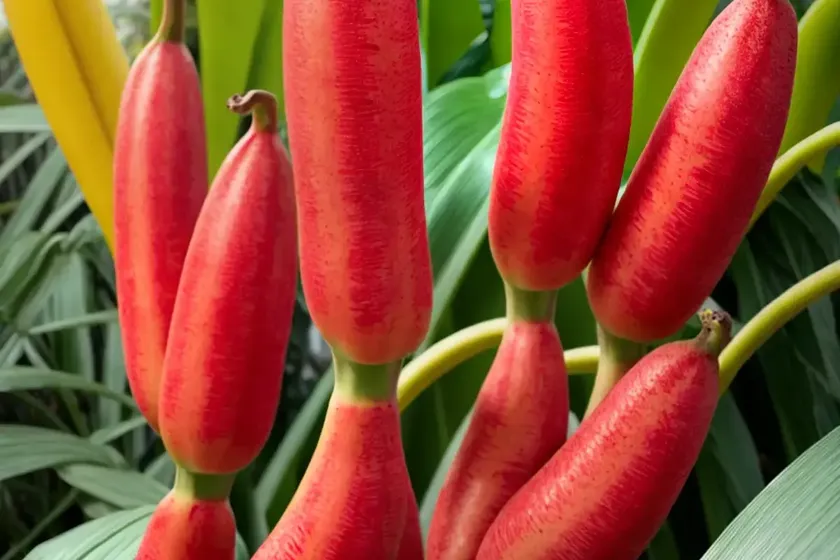
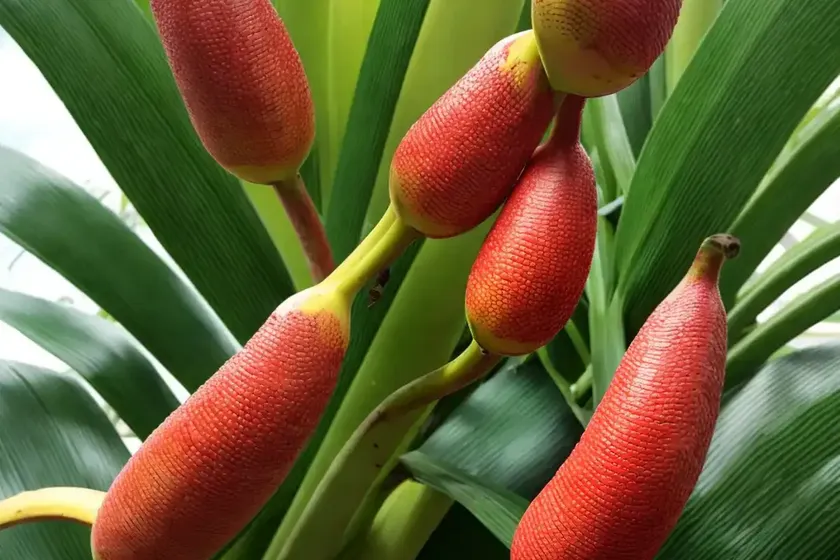
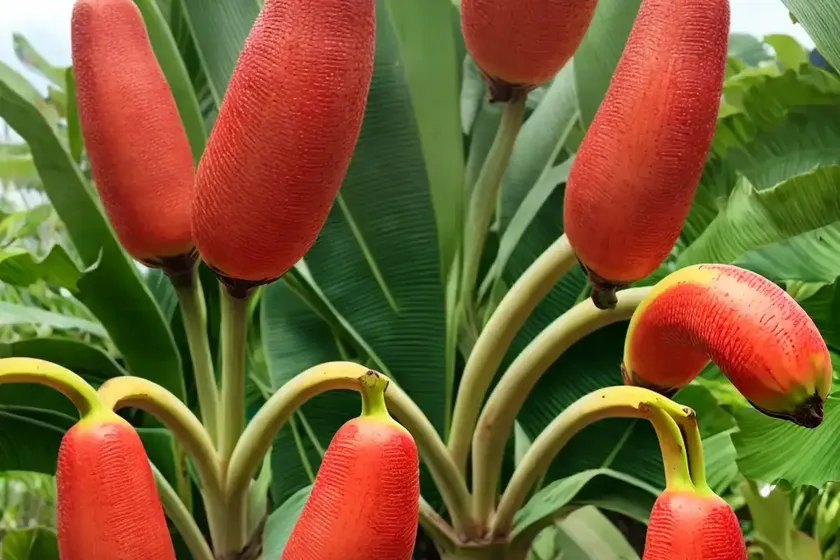
In the world of lush green foliage and vibrant blooms, the Scarlet Banana (Musa Coccinea) stands as a stunning specimen with its vibrant red inflorescence and decorative foliage. This tropical species has captured the fascination of horticulturists, botanists, and plant enthusiasts alike, and for good reason. In this comprehensive guide, we will delve into every aspect of the Scarlet Banana, from its cultivation and care to its unique features and uses.
What is the Scarlet Banana (Musa Coccinea)?
The Scarlet Banana, scientifically known as Musa Coccinea, is a tropical flowering plant belonging to the Musaceae family. Unlike the familiar edible bananas, Musa Coccinea is primarily cultivated for its ornamental value, showcasing deep green leaves and striking scarlet inflorescence. Native to Southeast Asia and Indonesia, this species thrives in warm and humid climates, adding a touch of exotic elegance to botanical gardens, landscapes, and indoor spaces.
Key Takeaways: Scarlet Banana (Musa Coccinea)
Before we embark on our journey into the world of Scarlet Bananas, let’s explore some key takeaways about this captivating plant.
- Plant Name: Musa Coccinea, commonly known as Scarlet Banana
- Family: Musaceae
- Native Habitat: Southeast Asia, Indonesia
- Primary Use: Ornamental
- Distinct Feature: Striking scarlet inflorescence
- Growth Habits: Tropical, fast-growing
- Cultural Requirements: Warmth, humidity, well-drained soil
- Popular Uses: Landscaping, container gardening, indoor decoration
Now that we have a brief overview, let’s dive deeper into the various facets of the Scarlet Banana, from its cultural needs to its fascinating uses and benefits.
Cultivation and Care
1. Water
Scarlet bananas thrive in consistently moist soil. In their natural habitat, they are accustomed to ample rainfall and high humidity, making their water requirements relatively high. When growing Scarlet Bananas, it’s crucial to ensure that the soil is evenly moist, especially during the active growing season.
2. Sunlight
Being native to tropical regions, Musa Coccinea thrives in bright, indirect sunlight. While it can tolerate some direct sun, especially during the morning hours, it prefers dappled sunlight or partial shade to prevent leaf scorching. When growing Scarlet Bananas indoors, placing them near a well-lit window or providing them with supplemental grow lights can ensure healthy and robust growth.
3. Fertilizer
For optimal growth, Scarlet Bananas benefit from regular feeding with a balanced, water-soluble fertilizer. During the growing season, a monthly application of a complete liquid fertilizer can provide the necessary nutrients for vigorous foliage and bloom production. It’s essential to follow the manufacturer’s instructions regarding the concentration and frequency of fertilization to avoid nutrient imbalances.
4. Soil
The ideal soil for growing Scarlet Bananas is well-draining and rich in organic matter. A fertile potting mix that retains moisture without becoming waterlogged is suitable for container-grown plants. In outdoor settings, incorporating compost or well-rotted manure can enhance the soil structure and fertility, promoting healthy root development and overall plant vigor.
5. Pruning
Pruning is not a frequent task with Scarlet Bananas, as they naturally shed older leaves to make space for new growth. However, removing spent flower stalks and damaged foliage can contribute to a tidier appearance and prevent the risk of disease. When performing pruning tasks, it’s important to use clean, sharp tools to minimize the risk of injury to the plant.
Propagation
Scarlet Bananas can be propagated through division or seeds. Division is the preferred method for maintaining the true characteristics of the parent plant. During the process of division, it’s important to ensure that each division has a good portion of rhizome and healthy roots to support its growth. When propagating from seeds, it’s important to note that the resulting plants may not possess the exact characteristics of the parent, as they may exhibit genetic variation.
Container Popularity
The compact size and decorative appeal of Scarlet Bananas make them popular choices for container gardening. Whether grown outdoors on patios and decks or indoors as houseplants, Scarlet Bananas add a touch of tropical elegance to any setting. When selecting a container, choose one with adequate drainage holes to prevent waterlogging, and use a well-draining potting mix to provide the necessary support and moisture retention for the plant.
Common Diseases and Pests
Disease Diagnosis
When caring for Scarlet Bananas, it’s important to be vigilant for signs of diseases such as leaf spot, fungal infections, and bacterial diseases. Yellowing or browning of leaves, abnormal spots or lesions, and stunted growth can signal potential health issues in the plant. Swift intervention, including proper sanitation, targeted treatments, and environmental modifications, can help prevent the spread of diseases and restore the plant’s vitality.
Common Pests
Scarlet Bananas may be vulnerable to pest infestations, including aphids, spider mites, and thrips. These tiny pests can cause damage to the foliage, leading to distorted growth and reduced vitality. Implementing integrated pest management strategies, such as regular monitoring, physical removal of pests, and the judicious use of horticultural oils or insecticidal soaps, can help mitigate pest pressures without harming beneficial organisms or the environment.
Botanist’s Tips
As a plant enthusiast and botanist, I offer the following tips for growing Scarlet Bananas successfully:
- Warmth and Humidity: Maintain a warm and humid environment, whether indoors or outdoors, to mimic the plant’s native habitat.
- Regular Monitoring: Keep a close eye on the plant for any signs of stress, disease, or pest infestations, and take prompt action when necessary.
- Nutrient Support: Provide the plant with a balanced and consistent supply of nutrients, ensuring that it receives the essential elements for robust growth and blooming.
- Pruning Care: Practice diligent pruning practices, removing spent flowers and damaged foliage to maintain the plant’s health and appearance.
Fun Facts
To add a touch of fascination to your Scarlet Banana journey, here are some fun facts about this captivating plant:
- In addition to its decorative value, Scarlet Bananas have historical significance in traditional medicine and cultural rituals in their native regions.
- The vibrant scarlet inflorescence serves as a visually stunning focal point, attracting pollinators and admirers alike.
- Scarlet Bananas exhibit a fascinating growth habit, with their large, paddle-shaped leaves unfurling in a spectacular manner.
Links to External Resources
To expand your knowledge and appreciation of Scarlet Bananas, consider exploring the following external resources:
- Royal Horticultural Society: Musa Coccinea
- University of Florida IFAS Extension: Musa (Banana and Plantain) Cultural Practices in Florida
Conclusion
In the realm of ornamental plants, the Scarlet Banana (Musa Coccinea) stands as an exquisite example of nature’s beauty and diversity. From its lush foliage to its vibrant blooms, this tropical gem possesses a captivating allure that enriches botanical landscapes and indoor spaces. By understanding and embracing the cultural requirements and unique features of the Scarlet Banana, we can cultivate and appreciate this stunning species, adding a touch of tropical elegance to our surroundings. As we continue to explore the wonders of the botanical world, let the Scarlet Banana inspire us with its vibrant colors and timeless grace.
With this comprehensive guide, you now have a deeper understanding of the Scarlet Banana (Musa Coccinea) and the essential knowledge to cultivate, care for, and appreciate this remarkable tropical plant. Whether you’re a seasoned horticulturist, a budding plant enthusiast, or someone seeking to enhance their indoor or outdoor spaces with exotic beauty, the Scarlet Banana offers an extraordinary botanical journey filled with vibrancy, elegance, and tropical allure.


