Scarlet Avens (Geum Coccineum)
Scarlet Avens (Geum coccineum) is a stunning herbaceous perennial plant that belongs to the rose family, Rosaceae. Commonly known for its vibrant, fiery.
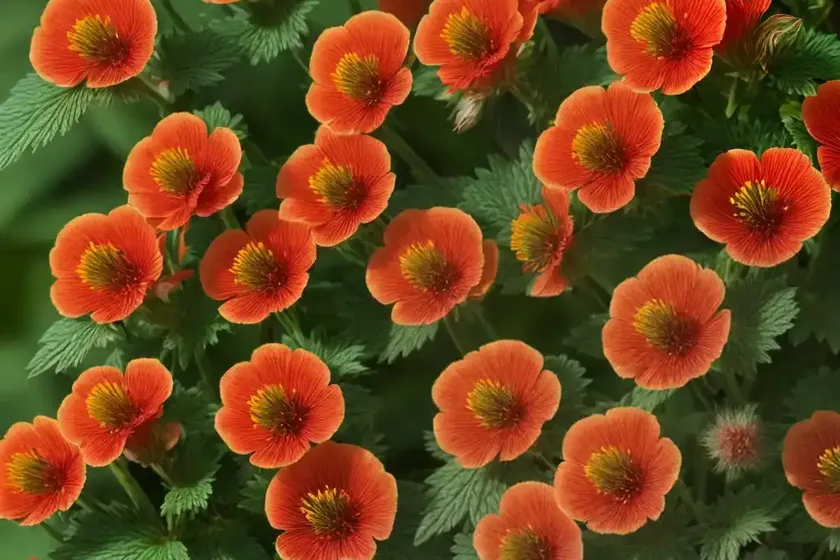
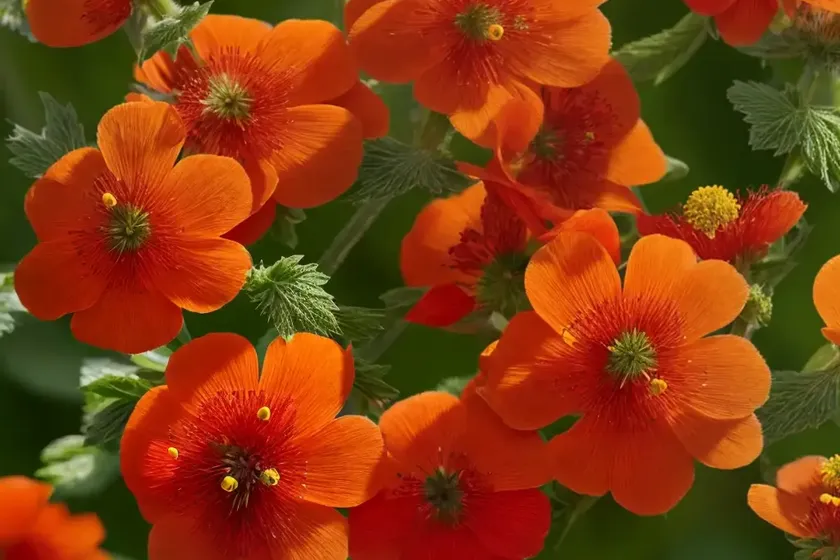

Scarlet Avens (Geum coccineum) is a stunning herbaceous perennial plant that belongs to the rose family, Rosaceae. Commonly known for its vibrant, fiery red flowers, Scarlet Avens is native to various regions of Europe and Asia, where it thrives in a range of habitats from alpine meadows to woodlands. This versatile and visually striking plant has gained popularity among gardeners and landscaping enthusiasts due to its outstanding ornamental qualities.
In this comprehensive guide, we will delve into the various aspects of Scarlet Avens, including its culture, uses, propagation, common diseases and pests, as well as essential tips for nurturing this charming plant. Whether you are a beginner enthusiast or a seasoned gardener, this article aims to provide valuable insights into the world of Geum coccineum, commonly known as Scarlet Avens.
Key Takeaways – Scarlet Avens (Geum coccineum)
Before we dive into the specific details of nurturing Scarlet Avens, let’s explore some key takeaways which will be covered in this guide:
- Culture: Understanding the optimal conditions for growing Scarlet Avens.
- Uses: Exploring the versatile applications of Geum coccineum.
- Water: Discovering the water requirements for maintaining Scarlet Avens health.
- Sunlight: Understanding the sunlight preferences of this perennial plant.
- Fertilizer: Identifying the suitable fertilization practices for Scarlet Avens.
- Soil: Exploring the ideal soil conditions for planting Geum coccineum.
- Pruning: Learning about the essential tips for pruning Scarlet Avens.
- Propagation: Exploring the methods for propagating this stunning plant.
- Container Popularity: Understanding its potential as a container plant.
- Common Diseases: Identifying prevalent diseases that may affect Scarlet Avens.
- Pests: Understanding the common pests that can pose a threat to Geum coccineum.
- Botanist’s Tips: Gaining valuable insights and tips from botanists for nurturing this plant.
- Fun Facts: Discovering interesting and lesser-known facts about Scarlet Avens.
- External Resources: Providing links to external resources for further exploration.
Now, let’s embark on a detailed exploration into the world of Scarlet Avens, addressing each of these key takeaways to gain a holistic understanding of this captivating plant.
Culture
Uses
Scarlet Avens (Geum coccineum) has garnered attention worldwide due to its multifaceted uses, ranging from ornamental purposes to potential medicinal properties. Let’s delve into the diverse applications of this beautiful plant:
- Ornamental Plant: The vibrant and visually captivating flowers of Scarlet Avens make it a popular choice for ornamental landscaping, where it adds a splash of color to gardens, borders, and naturalistic plantings.
- Cut Flowers: The long stems and striking flowers make Scarlet Avens an excellent choice for cut flower arrangements, adding an elegant and vibrant touch to floral displays.
- Wildlife Habitat: The nectar-rich blooms of Geum coccineum attract pollinators such as bees, butterflies, and hummingbirds, enhancing its value as a wildlife-friendly plant.
- Medicinal Properties: Though not as extensively researched as some other medicinal plants, certain species within the Geum genus have been traditionally utilized for their potential medicinal properties. Further exploration into this aspect can provide valuable insights into its herbal and medicinal applications.
- Companion Plant: Scarlet Avens can be strategically planted alongside other flowers and plants to enhance the overall aesthetic appeal of gardens, establishing itself as an excellent companion plant.
The diverse uses of Scarlet Avens underscore its significance in both ornamental horticulture and potential ecological contributions, making it a valuable addition to any garden or landscape.
Water
As with most plants, understanding the water requirements is crucial for maintaining the health and vitality of Scarlet Avens. While relatively adaptable, providing appropriate moisture levels is essential for optimal growth and flowering. Here are some essential considerations regarding the water requirements for Geum coccineum:
- Moderate Watering: Scarlet Avens generally thrives with moderate watering, and it is essential to ensure that the soil does not become waterlogged. Adequate drainage is crucial to prevent waterlogged conditions, which can be detrimental to the plant’s health.
- Established Plants: Once established, Scarlet Avens displays a degree of drought tolerance. However, consistent watering is recommended during periods of prolonged dryness, particularly in regions with hot and arid climates.
- Moisture Retention: Utilizing mulch around the base of the plant can aid in moisture retention and regulate soil temperature, especially during periods of fluctuating weather conditions.
- Avoiding Water Stress: Paying close attention to the moisture levels in the soil is crucial, as prolonged periods of water stress can negatively impact the growth and flowering performance of Scarlet Avens.
By maintaining a balanced approach to watering, enthusiasts can ensure the healthy development of Geum coccineum, contributing to vibrant blooms and overall plant vigor.
Sunlight
Adequate exposure to sunlight is essential for the growth and flowering of Scarlet Avens. Understanding its sunlight preferences is integral to its successful cultivation. Here are some essential insights into the sunlight requirements for Geum coccineum:
- Full Sun to Partial Shade: Scarlet Avens thrives in locations with full sun to partial shade. Optimal exposure to sunlight is crucial for promoting prolific flowering and vigorous growth.
- Shade Tolerance: While preferring ample sunlight, Geum coccineum exhibits a degree of tolerance to partial shade, making it adaptable to various garden settings with diverse light conditions.
- Morning Sun and Afternoon Shade: In regions with intense sun exposure, providing morning sunlight and afternoon shade can be beneficial. This can protect the plant from excessive heat stress during the hottest parts of the day.
Understanding the sunlight preferences of Scarlet Avens enables enthusiasts to strategically position and cultivate this perennial plant within their garden or landscape, maximizing its potential for robust growth and abundant flowering.
Fertilizer
Appropriate fertilization practices can significantly influence the growth, blooming, and overall vitality of Scarlet Avens. Understanding the ideal approach to fertilizing Geum coccineum is crucial for nurturing a healthy and vibrant plant. Here are some essential considerations regarding the fertilization of Scarlet Avens:
- Balanced Fertilizer: Applying a balanced, all-purpose fertilizer in the early spring can provide the necessary nutrients for vigorous growth, healthy foliage, and bountiful flowering.
- Avoid Overfertilization: While Scarlet Avens can benefit from fertilizer application, it is essential to avoid overfertilization, which can potentially lead to excessive foliage growth at the expense of flowering.
- Organic Amendments: Incorporating organic compost or well-rotted manure into the soil can enhance its fertility, providing a natural and nutrient-rich foundation for Scarlet Avens to thrive.
- Seasonal Application: Implementing a fertilization schedule that aligns with the plant’s growth stages can optimize its nutrient uptake and utilization, contributing to overall health and vitality.
Navigating the realm of fertilization for Scarlet Avens enables enthusiasts to implement targeted and effective strategies, promoting robust growth and prolific flowering.
Soil
The soil serves as the foundation for the growth and development of Scarlet Avens, influencing its overall health and flowering performance. Understanding the soil preferences and requirements of Geum coccineum is essential for creating an optimal growing environment. Here are some essential insights into the soil conditions for Scarlet Avens:
- Well-Draining Soil: Scarlet Avens thrives in well-draining soil, as it prevents waterlogging and helps maintain a healthy root environment. Amending heavy or compacted soil with organic matter can improve its drainage and structure.
- pH Level: Geum coccineum prefers slightly acidic to neutral soil pH, ranging from 6.0 to 7.0. Conducting a soil test can provide valuable insights into the existing pH levels, enabling enthusiasts to make necessary adjustments if required.
- Moisture Retention: While necessitating well-draining soil, ensuring adequate moisture retention is essential, especially during dry periods. Incorporating organic mulch can aid in moisture regulation and promote a consistent soil environment.
- Soil Composition: A loamy, fertile soil with good aeration and moderate fertility is ideal for Scarlet Avens, providing an optimal foundation for vigorous growth and abundant flowering.
By comprehensively addressing the soil requirements of Geum coccineum, enthusiasts can create a conducive growing environment that supports its overall health and vitality.
Pruning
Pruning plays a significant role in shaping the growth habit, promoting flowering, and maintaining the overall appearance of Scarlet Avens. Understanding the essential tips for pruning this perennial plant is crucial for its successful cultivation. Here are some key considerations for the pruning of Geum coccineum:
- Deadheading: Regularly deadheading spent flowers can prolong the blooming period and encourage the production of new flower buds, contributing to an extended and vibrant display of blooms.
- Spring Pruning: Conducting light pruning in the early spring, removing any damaged or dead stems, can stimulate new growth and promote a compact and tidy appearance for the upcoming growing season.
- Thinning Out: Periodically thinning out overcrowded or excessively dense growth can improve air circulation and light penetration, reducing the risk of disease and promoting overall plant vigor.
- Post-Blooming Pruning: Once the flowering period concludes, conducting a light pruning session can help maintain the plant’s form and prevent self-seeding, if desired.
By incorporating these essential pruning practices, enthusiasts can effectively manage the growth and appearance of Scarlet Avens, contributing to a healthy and aesthetically pleasing plant.
Propagation
The ability to propagate Scarlet Avens through various methods opens up opportunities for expanding its presence within a garden or landscape. Understanding the propagation techniques for Geum coccineum provides enthusiasts with the knowledge to multiply this captivating plant. Here are some common methods for propagating Scarlet Avens:
- Division: Dividing established clumps of Scarlet Avens in the early spring or early fall can be a straightforward and effective method for propagation. Each division should contain healthy roots and growth points, promoting successful establishment.
- Seed Propagation: Collecting and sowing seeds from mature Scarlet Avens plants can yield new generations of this perennial. Sowing seeds in suitable growing conditions can lead to the germination and growth of new plants, offering a cost-effective propagation method.
Understanding these propagation techniques offers enthusiasts the opportunity to expand their Scarlet Avens population, creating beautiful displays and enhancing the overall appeal of their garden or landscape.
Container Popularity
Scarlet Avens exhibits attributes that make it well-suited for container cultivation, offering flexibility and versatility in various gardening and landscaping scenarios. Whether used individually or as part of mixed container arrangements, understanding its potential as a container plant is essential. Here are some key factors to consider regarding the container popularity of Geum coccineum:
- Container Selection: Choosing appropriately sized containers with adequate drainage is essential for cultivating Scarlet Avens. Selecting containers with a depth and width that accommodate the plant’s root system is crucial for its establishment and growth.
- Growing Medium: Utilizing a well-draining potting mix tailored for perennial plants can provide the necessary foundation for Scarlet Avens to thrive within a container environment.
- Placement: Positioning containers in locations that align with the sunlight preferences of Scarlet Avens is crucial, ensuring the availability of optimal growing conditions.
- Maintenance: Regular monitoring of soil moisture, fertilization, and watering practices is essential for maintaining the health and vigor of Scarlet Avens within containers.
By recognizing the potential of Scarlet Avens as a container plant, enthusiasts can incorporate this stunning perennial into various settings, including patios, balconies, and urban gardens, expanding the scope of its ornamental contributions.
Common Diseases
As with any plant, Scarlet Avens is susceptible to certain diseases that can affect its health and appearance. Being aware of common diseases and their potential impact enables enthusiasts to implement preventive measures and timely interventions. Here are some prevalent diseases that may affect Scarlet Avens:
- Powdery Mildew (Podosphaera sp.): A fungal disease that manifests as a powdery, white coating on the leaves and stems, powdery mildew can compromise the overall vigor and aesthetics of Scarlet Avens.
- Leaf Spot (Cercospora sp.): Characterized by the development of small, dark spots on the leaves, leaf spot can lead to leaf yellowing and premature defoliation if left unchecked.
- Root Rot (Phytophthora sp. and Pythium sp.): Excessive soil moisture and poor drainage can contribute to the development of root rot, leading to wilting, decline, and potential plant death if not addressed promptly.
Vigilant monitoring, proper cultural practices, and prompt intervention can help mitigate the impact of these common diseases, maintaining the health and beauty of Scarlet Avens within garden and landscape settings.
Disease Diagnosis
Timely identification and diagnosis of potential diseases are essential for implementing targeted management strategies. Understanding the symptoms and causal agents of common diseases can aid in accurate disease diagnosis. Here are some key aspects to consider when diagnosing diseases in Scarlet Avens:
- Symptom Recognition: Observing the foliage, stems, and overall growth patterns for any unusual signs such as discoloration, spots, or abnormal growth can provide crucial insights for disease diagnosis.
- Pathogen Identification: Understanding the potential causal agents of diseases, such as fungi or bacteria, can facilitate precise disease diagnosis, enabling the implementation of suitable management measures.
- Environmental Factors: Recognizing the influence of environmental conditions, such as excessive moisture or poor air circulation, on disease development is essential for comprehensive disease diagnosis.
By honing the skills to diagnose potential diseases in Scarlet Avens, enthusiasts can effectively address disease challenges and uphold the plant’s health and vitality within garden and landscape settings.
Common Pests
Scarlet Avens is susceptible to certain pests that can pose a threat to its growth and overall well-being. Identifying common pests and understanding their characteristics and behaviors is essential for implementing effective pest management strategies. Here are some common pests that may affect Scarlet Avens:
- Aphids (Aphidoidea): These small, sap-sucking insects can congregate on the undersides of leaves, causing leaf distortion, yellowing, and the potential spread of viral diseases.
- Slugs and Snails (Gastropoda): The feeding activity of slugs and snails can result in irregular holes and damage to the foliage and flowers of Scarlet Avens, impacting its aesthetic appeal.
- Spider Mites (Tetranychidae): These tiny arachnids can infest the foliage, causing stippling, discoloration, and potential leaf drop if populations are left unchecked.
Implementing preventive measures and targeted interventions, such as natural predators or eco-friendly pest control methods, can help manage and mitigate the impact of common pests on the health and appearance of Scarlet Avens.
Botanist’s Tips
Drawing upon the expertise of botanists and horticultural specialists can provide valuable insights and recommendations for nurturing Scarlet Avens. Here are some botanist’s tips for cultivating Geum coccineum:
- Site Selection: Choosing a well-drained, sunny location with fertile soil promotes the vigorous growth and abundant flowering of Scarlet Avens.
- Regular Monitoring: Periodically inspecting the plant for signs of disease, pests, or any cultural deficiencies enables timely intervention and proactive management.
- Adequate Watering: Striking a balance between maintaining soil moisture and avoiding waterlogged conditions is crucial for the health and vitality of Scarlet Avens.
- Pollinator Support: Celebrating and promoting the pollinator-friendly nature of Geum coccineum by strategically incorporating it within wildlife-friendly gardens and habitats.
By embracing these botanist’s tips, enthusiasts can leverage expert knowledge to enhance their approach to cultivating Scarlet Avens, fostering its overall success within garden and landscape settings.
Fun Facts
Amidst the practical insights and care guidelines, it’s always enriching to explore the intriguing and captivating aspects of Scarlet Avens. Here are some fun facts about Geum coccineum:
- Historical Significance: Scarlet Avens has been celebrated for centuries, with historical references to its ornamental and potential medicinal uses across various regions and cultures.
- Ecological Contributions: The nectar-rich flowers of Geum coccineum play a vital role in supporting pollinators, contributing to the biodiversity and ecological balance within naturalistic plantings and wildlife habitats.
- Cultural Symbolism: In some traditions, Scarlet Avens is associated with symbolism and folklore, evoking themes of love, passion, and strength, adding emotional depth to its ornamental presence.
- Global Adaptation: While native to certain regions of Europe and Asia, Scarlet Avens has been embraced by enthusiasts and horticulturists worldwide, showcasing its adaptability and widespread popularity.
Exploring the fun facts associated with Scarlet Avens enriches our appreciation for this remarkable plant, adding depth and context to its significance within gardens and landscapes.
Links to External Resources
As the journey of discovering Scarlet Avens continues, exploring additional resources can provide valuable insights and perspectives. Here are some external resources for further exploration:
- Royal Horticultural Society – Geum coccineum
- Missouri Botanical Garden – Scarlet Avens
- American Society for the Prevention of Cruelty to Animals – Toxic and Non-Toxic Plants: Scarlet Avens
- University of Wisconsin-Madison Extension – Scarlet Avens: A Pollinator-Friendly Plant
Exploring these external resources offers enthusiasts an opportunity to delve deeper into the world of Scarlet Avens, garnering diverse perspectives and expert insights for nurturing this captivating plant.
In conclusion, Scarlet Avens (Geum coccineum) stands as a captivating and versatile herbaceous perennial, showcasing its vibrant flowers, potential applications, and ecological contributions within garden and landscape settings. By delving into its culture, uses, watering, sunlight preferences, fertilization practices, soil requirements, propagation methods, and essential care guidelines, enthusiasts can cultivate Scarlet Avens with confidence, celebrating its ornamental charm and ecological significance. As our exploration reaches its conclusion, we are left with an enduring appreciation for the beauty and resilience of Geum coccineum, enhancing the tapestry of nature within our surroundings.


