Satin Pothos (Scindapsus Pictus)
Plants have a unique way of adding vibrancy, beauty, and tranquility to any environment. One such plant that effortlessly combines elegance with.
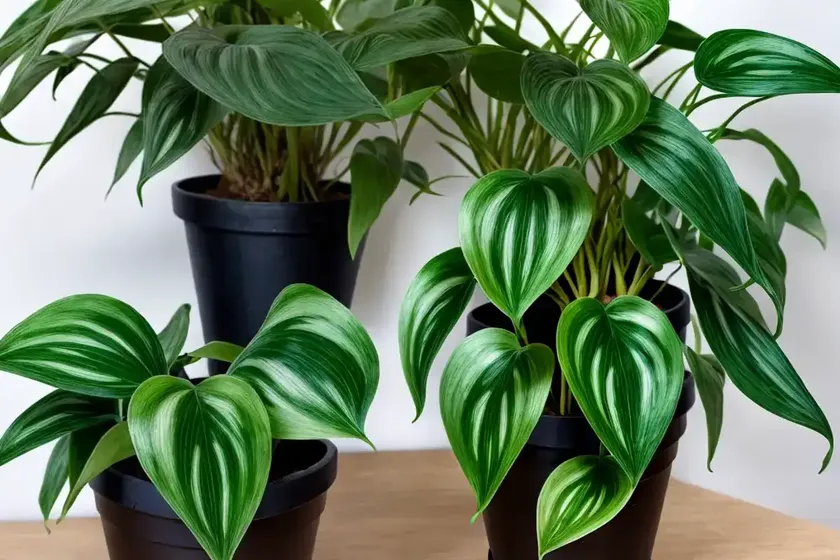
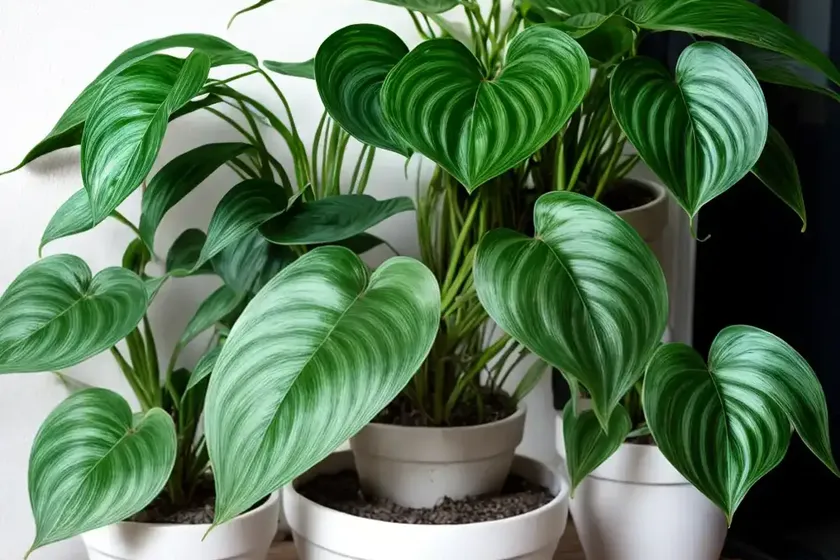
Plants have a unique way of adding vibrancy, beauty, and tranquility to any environment. One such plant that effortlessly combines elegance with low-maintenance care is the Satin Pothos, scientifically known as Scindapsus pictus. This stunning trailing vine has made its mark in the world of indoor gardening, captivating enthusiasts with its striking foliage and ease of cultivation.
In this comprehensive guide, we will delve into the captivating world of Satin Pothos, exploring its culture, uses, care requirements, and much more. By the end of this article, you will be well-equipped to embark on your Satin Pothos journey, whether you are a seasoned plant enthusiast or just beginning to discover the wonders of indoor greenery.
What is Satin Pothos (Scindapsus pictus)?
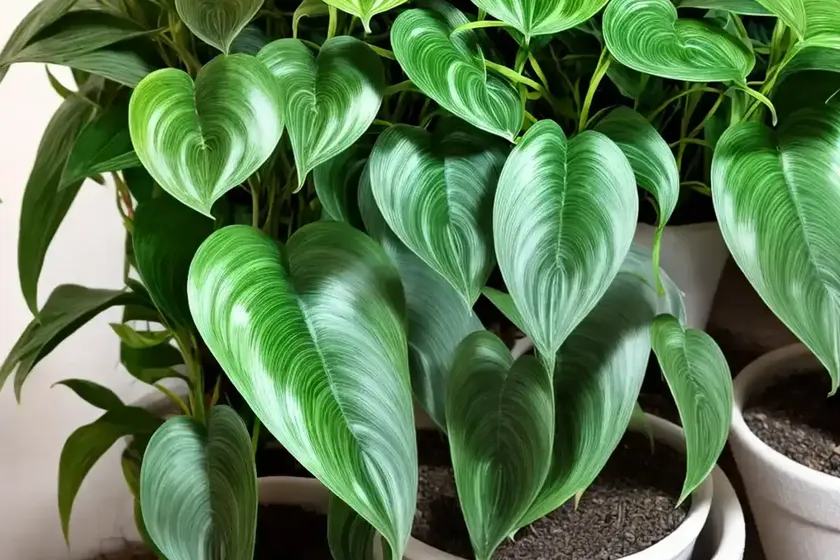
Satin Pothos, also known as Silver Vine and Silk Pothos, is a member of the Araceae family and is native to Southeast Asia. Its mesmerizing foliage features heart-shaped leaves adorned with silvery-gray markings, creating a captivating contrast against the vibrant green backdrop. Unlike true Pothos plants (Epipremnum aureum), Satin Pothos is not a true Pothos but is often referred to as such due to its similar growth habit and ease of care.
Key Takeaways – Satin Pothos (Scindapsus pictus)
Before we delve into the detailed care guide for Satin Pothos, let’s highlight some key takeaways about this fascinating plant:
- Common Name: Satin Pothos, Silver Vine, Silk Pothos
- Botanical Name: Scindapsus pictus
- Family: Araceae
- Native Habitat: Southeast Asia
- Foliage: Heart-shaped leaves with silvery-gray markings
- Growth Habit: Trailing vine
Now that we have introduced the captivating Satin Pothos, let’s explore its cultural preferences, uses, and how to care for this enchanting plant.
Culture
Understanding the cultural preferences of Satin Pothos is essential for creating an environment in which it can thrive. From its water and sunlight requirements to its preferred soil type, incorporating the right cultural elements is crucial for the well-being of this stunning plant.
Uses
Satin Pothos is celebrated not only for its visual appeal but also for its diverse uses. Here are some common applications of this enchanting plant:
- Indoor Decor: Satin Pothos serves as an excellent choice for indoor décor, adding a touch of elegance to living spaces, offices, and commercial settings.
- Air Purification: Like many other houseplants, Satin Pothos contributes to air purification by removing toxins such as formaldehyde from the surrounding environment.
- Trailing Plant: With its trailing vine habit, Satin Pothos is often used in hanging baskets, where its lush foliage cascades gracefully, adding a dynamic visual element to any space.
With its versatility and ornamental appeal, Satin Pothos has become a beloved choice for both seasoned plant enthusiasts and novices alike.
Water
Proper watering is paramount for the health and vitality of Satin Pothos. While it is important not to overwater, ensuring that the plant receives adequate moisture is essential for promoting robust growth.
- Frequency: Water Satin Pothos when the top inch of the soil feels dry to the touch. Allow excess water to drain from the bottom of the pot to prevent waterlogging.
- Water Quality: Use room-temperature water to avoid shocking the plant. Rainwater or filtered water is preferable if your tap water contains high levels of chemicals or minerals.
- Signs of Overwatering: Wilting, yellowing leaves, or waterlogged soil are indicators of overwatering. Adjust the watering frequency accordingly to prevent root rot.
By adhering to a consistent watering routine and paying attention to the plant’s signals, you can maintain optimal moisture levels for your Satin Pothos.
Sunlight
Proper sunlight exposure is essential for ensuring the vibrant foliage of Satin Pothos. Understanding its light requirements can help you strategically place the plant within your indoor space for optimal growth.
- Light Requirements: Satin Pothos thrives in bright, indirect light. Avoid exposing it to direct sunlight, which can scorch the leaves.
- Low Light Tolerance: While it prefers bright conditions, Satin Pothos can tolerate lower light levels, making it suitable for areas with limited natural light.
- Leaf Orientation: Rotate the plant periodically to promote even growth and prevent the foliage from leaning toward one direction in search of light.
By providing the right balance of light, you can ensure that your Satin Pothos maintains its vibrant foliage and healthy growth.
Fertilizer
Feeding your Satin Pothos with the appropriate nutrients supports its overall well-being and encourages lush, vigorous growth. Understanding the fertilization requirements of this plant is crucial for maintaining its ornamental appeal.
- Frequency: Fertilize Satin Pothos every 4-6 weeks during the growing season (spring and summer) to provide it with essential nutrients.
- Dilution: Use a balanced, water-soluble fertilizer diluted to half the recommended strength to prevent fertilizer burn.
- Application Method: Apply the diluted fertilizer to the moist soil, ensuring that it does not come into direct contact with the foliage to avoid any potential damage.
With a carefully planned fertilization schedule, you can support the growth and vitality of your Satin Pothos, promoting lush foliage and a flourishing appearance.
Soil
Choosing the right soil type is crucial for providing Satin Pothos with a well-aerated and nutrient-rich growing medium. Understanding its soil preferences can help you create an environment conducive to its growth and development.
- Well-Draining Mix: Use a well-draining potting mix that retains moisture without becoming waterlogged. A mixture of peat moss, perlite, and pine bark is ideal for Satin Pothos.
- Aerated Roots: Aeration is essential for the roots of Satin Pothos. Avoid compacted soil that impedes airflow and water drainage.
- Repotting: As the plant grows, consider repotting it into a slightly larger container with fresh potting mix to provide ample room for root expansion.
By selecting the right soil composition and ensuring proper aeration, you can create an optimal growing environment for your Satin Pothos.
Pruning
Pruning is a beneficial practice for maintaining the shape and health of Satin Pothos. Knowing how and when to prune your plant can help you prevent leggy growth and maintain its compact, lush appearance.
- Regular Maintenance: Trim any leggy or overgrown stems to encourage bushier growth and a fuller appearance.
- Propagation: Utilize the pruned cuttings for propagation, allowing you to expand your Satin Pothos collection or share the joy of this stunning plant with others.
- Sanitation: Use clean, sharp scissors or pruning shears to prevent damage to the plant and minimize the risk of introducing diseases.
By incorporating regular pruning into your Satin Pothos care routine, you can promote a well-groomed and visually appealing plant.
Propagation
Propagating Satin Pothos is a rewarding process that allows you to expand your plant collection or share the beauty of this vine with others. Understanding the various propagation methods and techniques is essential for successful reproduction.
- Water Propagation: Place the cuttings in a container of water, ensuring that at least one or two nodes are submerged. Change the water regularly to prevent stagnation and root rot.
- Soil Propagation: Insert the cuttings into a well-draining potting mix, ensuring that the nodes are in contact with the soil. Maintain consistent moisture levels to facilitate root development.
- Division: Divide mature Satin Pothos plants to create new individuals, each with their own root system. This method is particularly effective for plants that have outgrown their containers.
By exploring different propagation methods, you can propagate Satin Pothos with confidence, adding to the lush greenery in your indoor space or gifting new plants to friends and family.
Container
Choosing the right container for Satin Pothos is essential for providing ample space for root growth and promoting overall plant health. Consider the following factors when selecting a suitable container for your plant.
- Drainage Holes: Ensure that the container has drainage holes to prevent water from accumulating at the bottom, which can lead to root rot.
- Size: Select a container that accommodates the current size of the plant while allowing room for future growth. A slightly larger pot may be suitable for repotting as the plant matures.
- Material: Choose a breathable and lightweight container, such as a plastic or ceramic pot, to facilitate air circulation and prevent overwatering.
By carefully considering the container for your Satin Pothos, you can create an optimal growing environment, supporting the well-being and vitality of the plant.
Popularity
Satin Pothos has garnered significant popularity among plant enthusiasts and interior decorators due to its striking foliage and low-maintenance care requirements. Whether displayed as a standalone specimen or incorporated into mixed plant arrangements, the elegance and adaptability of Satin Pothos make it a beloved choice for a wide range of settings.
Common Diseases
While Satin Pothos is relatively resilient, it is susceptible to certain diseases that can impact its overall health and appearance. Recognizing the symptoms of common diseases is essential for implementing timely interventions to protect your plant.
- Root Rot: Overwatering or prolonged exposure to waterlogged soil can lead to root rot, causing the plant to wilt and display a decline in overall vigor. Adjust the watering routine and address any drainage issues promptly to prevent root rot.
- Leaf Spot: Fungal infections may manifest as dark, water-soaked lesions on the foliage. Improve air circulation and avoid overhead watering to minimize the risk of leaf spot diseases.
By remaining attentive to the health of your Satin Pothos and addressing any signs of disease promptly, you can safeguard its well-being and longevity.
Disease Diagnosis
Diagnosing diseases affecting Satin Pothos involves closely examining the symptoms and implementing targeted measures to address the underlying issues. Here are some diagnostic pointers for common diseases:
- Visual Inspection: Carefully examine the foliage, stems, and soil for any signs of discoloration, lesions, or wilting.
- Moisture Management: Evaluate the plant’s watering regimen and the moisture levels in the soil, as many diseases are linked to improper watering practices.
- Cultural Conditions: Consider the overall cultural environment, including light exposure, humidity levels, and air circulation, as these factors can influence disease development.
By conducting a thorough assessment and identifying potential disease triggers, you can take proactive steps to restore your Satin Pothos to optimal health.
Common Pests
Despite its resilience, Satin Pothos may occasionally become host to common pests that can compromise its vitality. Monitoring the plant for signs of pest infestation and implementing preventive measures is crucial for protecting its well-being.
- Spider Mites: These tiny arachnids thrive in dry, warm conditions and may cause stippling and webbing on the foliage. Increase humidity and periodically mist the plant to discourage spider mite infestations.
- Mealybugs: Soft-bodied insects that congregate on the undersides of leaves and stems. Use a gentle soap solution or horticultural oil to control mealybug populations and protect the plant from damage.
By closely observing your Satin Pothos and promptly addressing any signs of pest activity, you can maintain a pest-free environment and ensure the plant’s unimpeded growth.
Botanist’s Tips
To further enrich your experience with Satin Pothos, consider the following expert tips and insights to elevate your care practices and appreciation for this captivating plant.
- Humidity Enhancement: Increase humidity levels around Satin Pothos by using a humidifier or placing the plant on a pebble tray filled with water. This helps replicate its native tropical environment and promotes lush growth.
- Regular Pruning: Periodically prune Satin Pothos to remove any yellowed or damaged foliage, promoting a tidy appearance and encouraging new growth.
- Temperature Considerations: Maintain a stable temperature range of 60-85°F (15-29°C) for Satin Pothos, avoiding sudden fluctuations that can stress the plant.
By incorporating these botanical insights into your Satin Pothos care routine, you can cultivate a deeper understanding of the plant and further enhance its well-being in your indoor space.
Fun Facts
Exploring the fascinating aspects of Satin Pothos can deepen your appreciation for this enchanting plant. Here are a few fun facts that highlight the unique characteristics and allure of Satin Pothos:
- Variegated Foliage: Satin Pothos showcases striking variegation, with silvery-gray patterns that create a captivating contrast against the lush green leaves.
- Air-Purifying Qualities: As an indoor plant, Satin Pothos contributes to air purification by removing harmful toxins, promoting a healthier indoor environment.
- Trailing Elegance: The cascading habit of Satin Pothos makes it an ideal choice for hanging baskets or elevated displays, adding a touch of natural beauty to any space.
With these intriguing tidbits, you can deepen your connection with Satin Pothos and share its remarkable attributes with fellow plant enthusiasts.
Links to External Resources
To further expand your knowledge and appreciation for Satin Pothos, consider exploring the following external resources and references:
- The Plant List – Scindapsus pictus
- Royal Horticultural Society – Scindapsus pictus
- University of Florida IFAS Extension – Pothos and Scindapsus
By delving into these external resources, you can gain valuable insights and expert perspectives on the cultivation and care of Satin Pothos. Expand your knowledge and continue to nurture your passion for indoor gardening and plant care.
With its captivating foliage and low-maintenance nature, Satin Pothos has become a cherished addition to indoor spaces around the world. By providing the right cultural conditions, recognizing potential challenges, and embracing the unique qualities of this remarkable plant, you can cultivate a thriving and visually captivating display in your home or workspace.
As you embark on your Satin Pothos journey, may the enchanting beauty and enduring resilience of this plant bring joy and inspiration to your indoor oasis.
Satin Pothos care | Scindapsus pictus plant | Satin Pothos propagation | How to grow Satin Pothos | Scindapsus pictus varieties | Satin Pothos indoor plants | Scindapsus pictus care tips | Satin Pothos watering guide | Scindapsus pictus light requirements | Satin Pothos plant care tips | Scindapsus pictus soil requirements | Satin Pothos pruning techniques | Scindapsus pictus pest control | Satin Pothos fertilizing methods | Scindapsus pictus trailing plant | Satin Pothos hanging plant | Scindapsus pictus indoor gardening | Satin Pothos trailing vine | Scindapsus pictus air purification benefits | Satin Pothos unique leaf patterns | Scindapsus pictus plant decor ideas | Satin Pothos in low light conditions | Scindapsus pictus humidity requirements | Satin Pothos plant problems | Scindapsus pictus plant propagation tips | Satin Pothos temperature preferences | Scindapsus pictus repotting guide | Satin Pothos toxicity levels | Scindapsus pictus pet-friendly plant | Satin Pothos leaf curling causes | Scindapsus pictus variegated varieties | Satin Pothos common diseases | Scindapsus pictus plant maintenance | Satin Pothos in hanging baskets | Scindapsus pictus natural habitat | Satin Pothos soil mix recommendations | Scindapsus pictus leaf propagation | Satin Pothos trailing vine care | Scindapsus pictus water requirements | Satin Pothos sun exposure needs | Scindapsus pictus leaf care | Satin Pothos growth habits | Scindapsus pictus mature size | Satin Pothos decorative planters | Scindapsus pictus potting methods | Satin Pothos trailing houseplant | Scindapsus pictus leaf variegation patterns | Satin Pothos indoor plant décor | Scindapsus pictus common problems | Satin Pothos hanging plant care