Elephant Ear ‘junior Improved’ (Caladium Candidum ‘junior Improved’)
The Elephant Ear ‘Junior Improved’ (Caladium candidum ‘Junior Improved’) is a stunning ornamental plant known for its large, heart-shaped leaves that.
What is Elephant Ear ‘Junior Improved’ (Caladium Candidum ‘Junior Improved’)?
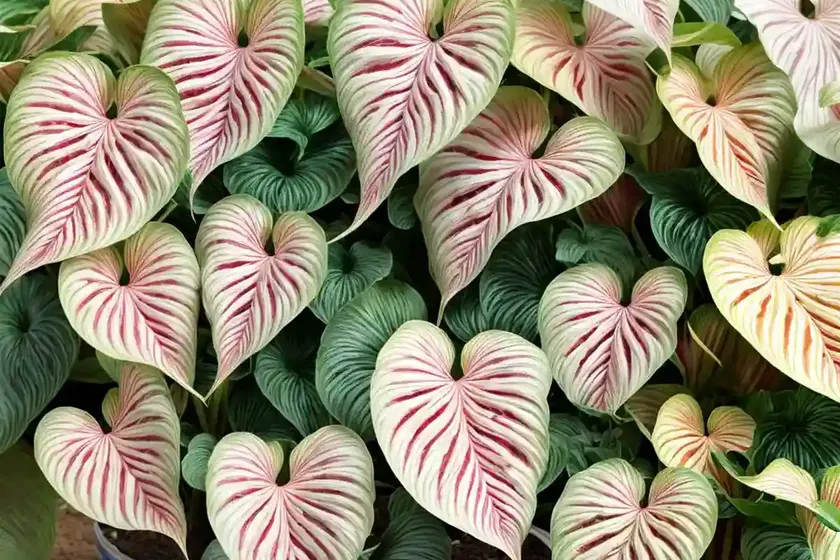
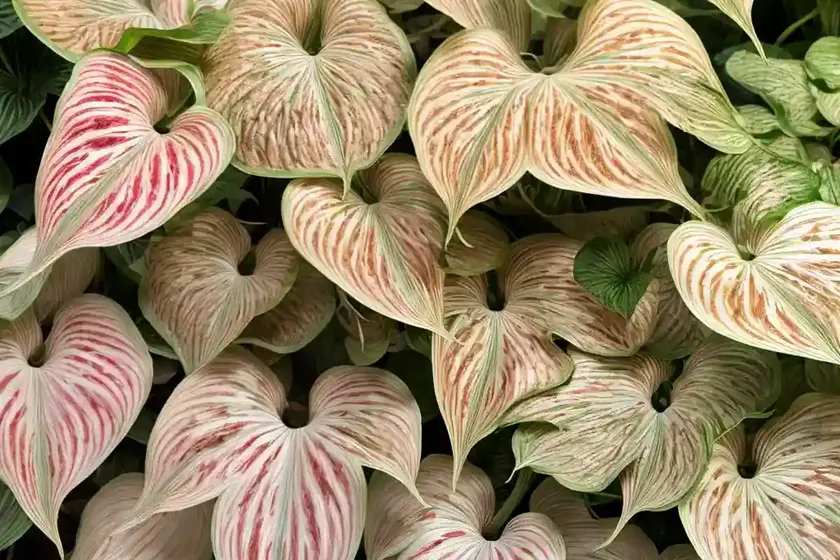
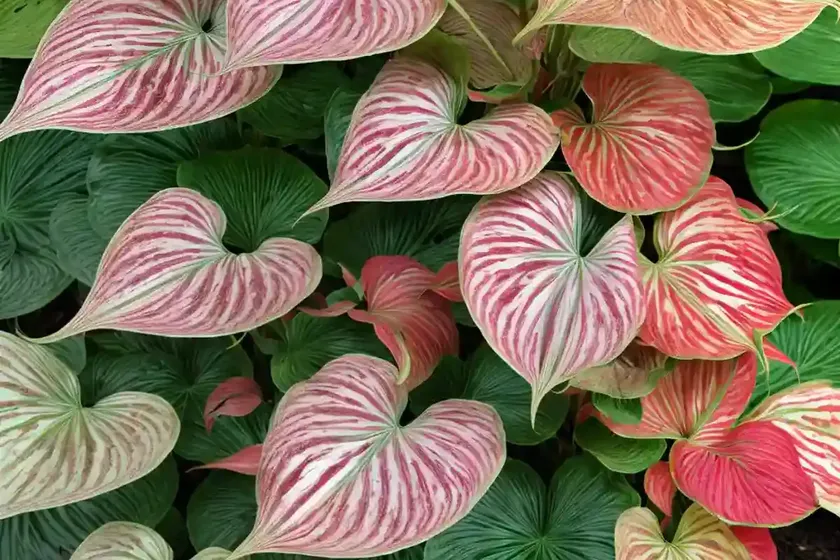
The Elephant Ear ‘Junior Improved’ (Caladium candidum ‘Junior Improved’) is a stunning ornamental plant known for its large, heart-shaped leaves that resemble the ears of an elephant, hence the name. This tropical plant belongs to the Araceae family and is native to South America and the Caribbean. With its striking foliage and easy maintenance, it has become a popular choice for both indoor and outdoor gardens.
Plant Characteristics
- Botanical Name: Caladium Candidum ‘Junior Improved’
- Common Name: Elephant Ear ‘Junior Improved’
- Family: Araceae
- Origin: South America, Caribbean
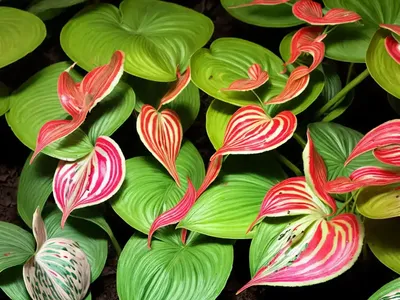
- Foliage: Large, heart-shaped leaves in various shades of green, pink, and white
- Height: Typically grows between 18-24 inches tall
- Growth Habit: Clumping, spreading
Key Takeaways – Elephant Ear ‘Junior Improved’ (Caladium Candidum ‘Junior Improved’)
- Stunning, heart-shaped foliage in various shades of green, pink, and white
- Easy to maintain and suitable for both indoor and outdoor settings
- Thrives in warm, humid climates
- Popular for its ornamental appeal and tropical aesthetics
Culture
Uses
The Elephant Ear ‘Junior Improved’ is primarily valued for its ornamental foliage, making it a popular choice for landscaping, gardens, and indoor decor. Its vibrant, oversized leaves add a tropical touch to any setting, creating a lush and exotic atmosphere.
Water
Proper watering is crucial for the health and vitality of Elephant Ear ‘Junior Improved.’ It thrives in moist, well-draining soil and requires regular watering to maintain adequate moisture levels. However, it’s essential to avoid overwatering, as excessive moisture can lead to root rot and other issues. During the growing season, it’s recommended to keep the soil consistently moist but not waterlogged. In winter, when the plant is dormant, watering should be reduced but not completely withheld.
Sunlight
This plant thrives in partial to full shade, making it an ideal choice for locations with limited direct sunlight. While it can tolerate some morning sun, it should be protected from intense afternoon sun, which can scorch its delicate leaves. When grown indoors, placing the Elephant Ear ‘Junior Improved’ near a bright, indirect light source is ideal for its growth and leaf coloration.
Fertilizer
Fertilizing the Elephant Ear ‘Junior Improved’ is essential for supporting its lush foliage and overall growth. A balanced, water-soluble fertilizer can be applied every 4-6 weeks during the growing season to provide the necessary nutrients for healthy development. It’s important to follow the recommended dosage and avoid over-fertilization, which can lead to salt buildup and potential damage to the plant.
Soil
Well-draining, fertile soil is crucial for the Elephant Ear ‘Junior Improved.’ A mix of loamy soil with good organic content provides an ideal growing medium, ensuring adequate drainage and nutrient availability. A slightly acidic to neutral soil pH range is preferred, typically between 5.5 to 6.5. When grown in containers, using a high-quality potting mix that retains moisture without becoming waterlogged is recommended.
Pruning
Pruning is not generally required for the Elephant Ear ‘Junior Improved,’ as the focus is primarily on maintaining its stunning foliage. However, regular removal of any yellowing or damaged leaves can help improve the overall aesthetic appeal and promote a tidy appearance. Additionally, removing spent flowers can redirect the plant’s energy towards foliage growth and maintenance.
Propagation
The Elephant Ear ‘Junior Improved’ can be propagated through division, which involves separating the rhizomes to create new plants. This can be done during the plant’s dormant period by carefully dividing the rhizomes and ensuring each new section has viable roots and shoots. It’s important to handle the rhizomes gently to prevent damage and to plant the divisions at the appropriate depth in well-prepared soil.
Container Popularity
The Elephant Ear ‘Junior Improved’ is well-suited for container gardening, allowing it to thrive in a controlled environment and making it a versatile addition to patios, decks, and indoor spaces. Its striking foliage and compact size make it an ideal choice for ornamental container displays, bringing a touch of tropical elegance to any setting.
Common Diseases
The Elephant Ear ‘Junior Improved’ is susceptible to certain diseases, particularly when exposed to unfavorable growing conditions or environmental stress. Understanding common diseases and their potential impact is crucial for maintaining the plant’s health and vitality.
Disease Diagnosis
Root Rot: Overwatering or poorly drained soil can lead to root rot in Elephant Ear ‘Junior Improved.’ Symptoms include wilting, yellowing leaves, and a foul odor from the soil. To prevent root rot, it’s important to maintain proper soil moisture and ensure adequate drainage.
Leaf Spot: Fungal infections can cause unsightly leaf spots on the foliage of the Elephant Ear ‘Junior Improved.’ These spots may have dark centers and can lead to leaf yellowing and deterioration. Proper air circulation and avoiding overhead watering can help prevent leaf spot diseases.
Common Pests
Various pests can pose a threat to the Elephant Ear ‘Junior Improved,’ potentially impacting its overall health and appearance. Identifying and addressing pest issues promptly is essential for preserving the plant’s ornamental value.
Aphids: These small, soft-bodied insects can cluster on the undersides of leaves, draining the plant’s sap and causing distortion of new growth. Regular monitoring and using insecticidal soap can effectively control aphid infestations.
Spider Mites: These tiny pests can cause visible stippling on the leaves and create fine webbing in severe infestations. Keeping the foliage clean and adequately humid can help deter spider mite damage.
Botanist’s Tips
- Provide consistent moisture without overwatering to maintain optimal growth and foliage quality.
- Avoid exposing the plant to direct afternoon sun, as it can cause leaf scorching.
- Monitor for pests and diseases regularly, and take appropriate measures to address any issues promptly.
- Choose a suitable container with adequate drainage for optimal growth and display of the Elephant Ear ‘Junior Improved.’
Fun Facts
- The Elephant Ear ‘Junior Improved’ is known for its striking foliage and vibrant leaf coloration, making it a popular choice for tropical-themed gardens and landscapes.
- The plant’s large, heart-shaped leaves add a bold and dramatic element to any indoor or outdoor setting.
- While the Elephant Ear ‘Junior Improved’ is native to tropical regions, it can be successfully grown in other climates with proper care and maintenance.
Links to External Resources
Plant Name: “Elephant Ear ‘Junior Improved’ (Caladium Candidum ‘Junior Improved’)”