Pearls And Jade Pothos (Epipremnum Aureum ‘Pearls And Jade’)
Plants are living organisms belonging to the kingdom Plantae, which includes a vast variety of species, ranging from tiny mosses to towering sequoia trees..
What is a Plant?
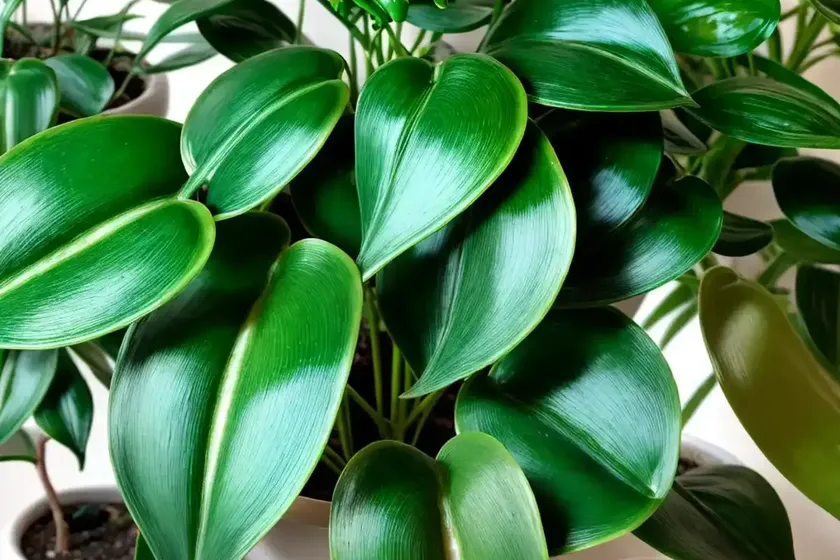
Plants are living organisms belonging to the kingdom Plantae, which includes a vast variety of species, ranging from tiny mosses to towering sequoia trees. They are crucial to life on Earth, as they play a fundamental role in the ecosystem by producing oxygen, providing food, and creating habitats for other organisms.
Plants are also valuable for their aesthetic and psychological benefits, as they bring beauty and calmness to our surroundings. In this article, we will focus on a specific plant species known as “Pearls and Jade Pothos” or Epipremnum aureum ‘Pearls and Jade’. We will delve into its characteristics, care requirements, and the many reasons why it has become one of the most popular houseplants.
Pearls and Jade Pothos (Epipremnum aureum ‘Pearls and Jade’)
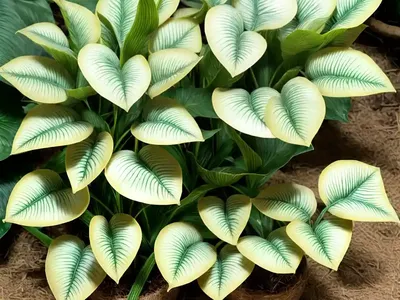
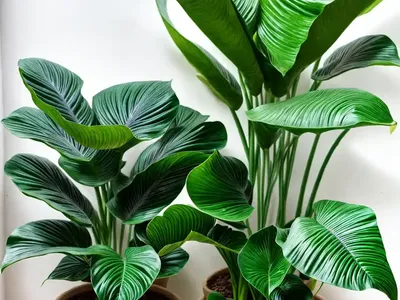
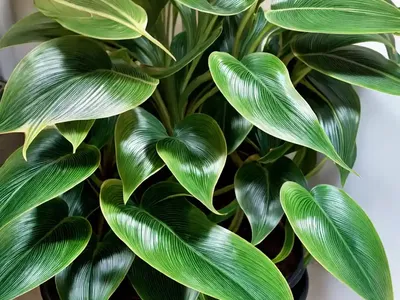
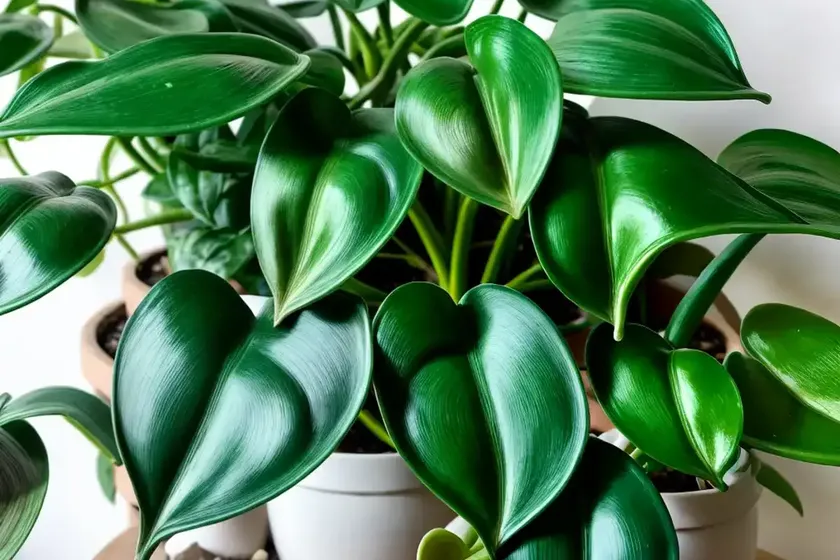
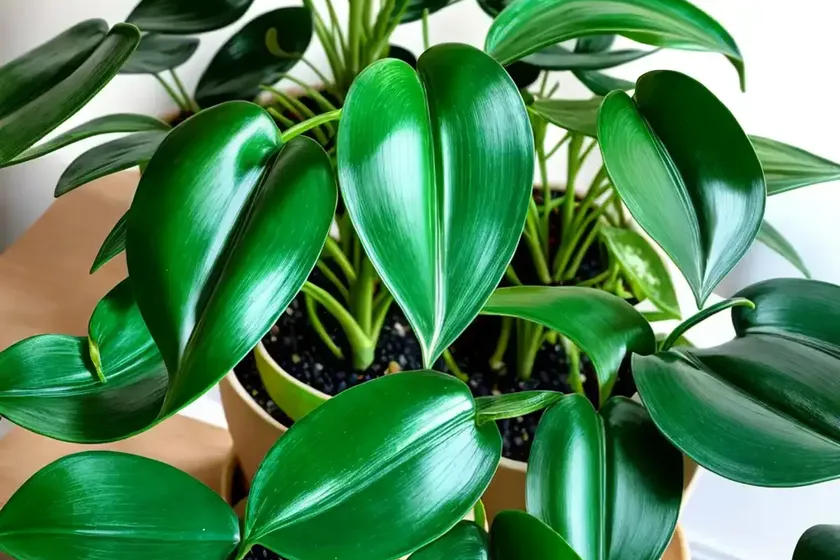
The Pearls and Jade Pothos, scientifically known as Epipremnum aureum ‘Pearls and Jade’, is a stunning cultivar of the Epipremnum aureum plant. The Pothos plant, often referred to as Devil’s Ivy, is highly favored for its low maintenance and exceptional adaptability, making it an ideal choice for both beginner and experienced plant enthusiasts.
This variegated plant, with its lush green leaves streaked with shades of creamy white and silver, adds a touch of elegance to any indoor space. Whether cascading from a hanging basket or adorning a high shelf, the Pearls and Jade Pothos captivates with its enchanting foliage and easy-going nature.
Key Takeaways – Pearls and Jade Pothos (Epipremnum aureum ‘Pearls and Jade’)
Before we dive into the specifics of caring for the Pearls and Jade Pothos, let’s summarize the key points that we will be exploring in this article:
- Culture
- Uses
- Water
- Sunlight
- Fertilizer
- Soil
- Pruning
- Propagation
- Container
- Popularity
- Common Diseases
- Disease Diagnosis
- Common Pests
- Botanist’s Tips
- Fun Facts
- Links to External Resources
Now, let’s explore these aspects in detail to understand how to best care for this enchanting plant.
Culture
The Pearls and Jade Pothos, like its counterparts in the Epipremnum aureum family, thrives in indoor environments and is relatively undemanding. Its cultural requirements are quite straightforward, making it an excellent choice for individuals with busy lifestyles or those who are new to plant care.
Uses
The Pearls and Jade Pothos is not only valued for its aesthetic appeal but also for its air-purifying properties. This vining plant is often utilized to enhance interiors, whether in homes, offices, or public spaces. Furthermore, its ability to remove toxins from the air adds a practical dimension to its ornamental use, promoting healthier indoor environments.
Water
One of the essential aspects of caring for Pearls and Jade Pothos is providing the right amount of water. Overwatering can lead to root rot, while underwatering can cause the leaves to wilt and dry out. Finding the right balance is key to maintaining the plant’s health and vigor.
-
Watering Frequency: Water the Pothos when the top inch of the soil feels dry to the touch. Proper drainage is crucial to prevent waterlogging.
-
Watering Technique: Water thoroughly but ensure that excess water can drain from the pot. Empty the saucer beneath the pot after watering to avoid water accumulation.
-
Water Quality: Use room-temperature water to avoid shocking the plant’s roots, and consider using filtered water if your tap water contains high levels of chlorine or fluoride.
Sunlight
In its natural habitat, the Pothos plant thrives under the dappled light of the forest canopy, and it exhibits similar preferences when grown indoors.
-
Light Requirements: Place the Pearls and Jade Pothos in a location with bright, indirect light. Avoid direct sunlight, as it can scorch the leaves.
-
Low-Light Tolerance: This plant can survive in low-light conditions, but its growth may slow down. It’s best to provide adequate light for optimal growth.
Fertilizer
Proper nutrition is vital for the Pearls and Jade Pothos to maintain its variegated foliage and vigorous growth. Applying a balanced liquid fertilizer ensures that the plant receives essential nutrients for its overall health and development.
-
Fertilizing Schedule: Feed the Pearls and Jade Pothos with a diluted, balanced liquid fertilizer every 4-6 weeks during the growing season (spring and summer).
-
Fertilizer Type: Choose a well-balanced, water-soluble fertilizer designed for houseplants. Avoid over-fertilization, as it can cause salt build-up in the soil.
Soil
The right soil composition is crucial for the Pearls and Jade Pothos to thrive. Well-draining, nutrient-rich soil provides a stable foundation for the plant’s root system and promotes healthy growth.
-
Soil Mix: Use a well-draining potting mix rich in organic matter to ensure proper aeration and moisture retention.
-
Perlite or Vermiculite: Adding perlite or vermiculite to the soil mix improves drainage and prevents compaction.
-
Repotting: Repot the Pearls and Jade Pothos every 2-3 years to refresh the soil and provide ample space for root growth.
Pruning
Regular maintenance, including pruning, is essential to keep the Pearls and Jade Pothos looking attractive and vigorous. Pruning also helps to control the plant’s size and shape, making it a versatile decorative element in any setting.
-
Pruning Technique: Use clean, sharp scissors or pruning shears to trim unruly vines and remove any yellow or damaged leaves.
-
Propagation: The trimmings from pruning can be propagated to create new plants, providing an opportunity to expand your Pothos collection or share the joy of growing plants with others.
Propagation
The ability to propagate easily is one of the remarkable characteristics of the Pearls and Jade Pothos. Whether through water propagation or directly planting cuttings in soil, this plant readily produces new roots, allowing for effortless propagation.
-
Water Propagation: Place cuttings in a jar of water, ensuring that at least one node is submerged. Change the water regularly and wait for roots to develop before potting the cuttings.
-
Soil Propagation: Insert cuttings with at least one node into moist potting mix and keep the soil consistently moist. Roots will develop over time, and new growth will emerge.
Container
Selecting an appropriate container is crucial for the Pearls and Jade Pothos to thrive. An ideal pot provides ample space for root development, proper drainage, and aesthetic appeal.
-
Container Size: Choose a container that is one size larger than the plant’s current pot to allow for continued growth.
-
Drainage Holes: Ensure that the container has drainage holes to prevent waterlogging, which can lead to root rot.
-
Decorative Options: Consider decorative pots or hanging baskets that complement the plant’s lush foliage and trailing habit.
Popularity
The Pearls and Jade Pothos has gained immense popularity among plant enthusiasts and interior decorators due to its attractive appearance, low maintenance requirements, and air-purifying capabilities. Its graceful vines adorned with variegated leaves make it a sought-after addition to homes, offices, and commercial spaces.
Common Diseases
While the Pearls and Jade Pothos is resilient, it is susceptible to certain diseases that can impact its overall health if not promptly addressed.
-
Root Rot: Overwatering and poorly draining soil can lead to root rot, characterized by wilting leaves and a foul odor emanating from the soil.
-
Leaf Spot: This fungal disease manifests as dark, water-soaked spots on the leaves, often caused by excessive moisture and poor air circulation.
-
Preventive Measures: Proper watering and adequate air circulation can help prevent these diseases. Additionally, using sterile potting mix and containers can reduce the risk of soil-borne pathogens.
Disease Diagnosis
Diagnosing plant diseases can be challenging, but it is essential for implementing effective treatment strategies. Here are some pointers to identify common diseases that can affect the Pearls and Jade Pothos:
-
Visual Symptoms: Look for changes in leaf color, spots or lesions on the foliage, wilting, and unusual growth patterns.
-
Soil Examination: Check the soil for excessive moisture, foul odors, and signs of decay, which may indicate root rot or other soil-borne diseases.
-
Consultation: If you are unsure about the nature of a disease affecting your plant, seek advice from local plant experts, botanists, or horticulturists.
Common Pests
Pests can pose a threat to the health and appearance of the Pearls and Jade Pothos. Vigilance and prompt action are crucial in preventing pest infestations from causing significant damage to the plant.
Mealybugs
Mealybugs are small, soft-bodied insects that feed on plant sap, causing stunted growth and yellowing of leaves. They are often found in the leaf axils and on the undersides of leaves.
- Control Measures: Use a cotton swab dipped in rubbing alcohol to remove individual mealybugs, and treat the plant with neem oil or insecticidal soap for more severe infestations.
Spider Mites
Spider mites are tiny arachnids that spin fine webs on the undersides of leaves and cause stippling, yellowing, and premature leaf drop.
- Control Measures: Increase humidity around the plant by misting or using a humidifier, and use insecticidal soap or neem oil to control spider mite populations.
Preventive Measures
Regularly inspecting the Pearls and Jade Pothos for early signs of pest infestations and maintaining a clean growing environment can significantly reduce the likelihood of severe pest problems.
Botanist’s Tips
As a plant scientist with expertise in the care of Epipremnum aureum and its cultivars, I advocate for the following tips to ensure the health and vitality of the Pearls and Jade Pothos:
-
Observation: Take the time to observe your plant regularly to catch any signs of stress, disease, or pests early on.
-
Consistency: Maintain a consistent watering and fertilizing schedule to provide a stable environment for the plant.
-
Growth Support: Offer a small trellis or moss pole for the Pearls and Jade Pothos to climb on, encouraging upward growth and showcasing its trailing nature.
-
Sharing: Share your passion for plants and the joy of growing with others by propagating and gifting Pearls and Jade Pothos cuttings.
Fun Facts
- The Pearls and Jade Pothos, like other varieties of Epipremnum aureum, is often regarded as a symbol of good luck and prosperity, especially in Asian cultures.
- This plant is an excellent choice for novice plant owners, as it is forgiving of occasional neglect and can thrive in a variety of indoor conditions.
- The Pearls and Jade Pothos can be creatively incorporated into interior decor, whether as a trailing accent on shelves, a tabletop centerpiece, or a lush addition to a living wall arrangement.
Links to External Resources
To further enrich your knowledge on plant care and explore a wide range of gardening topics, I highly recommend exploring the following external resources:
- The Spruce – Houseplant Care
- Royal Horticultural Society – Gardening Advice
- Reddit Indoor Gardening Community
- American Horticultural Society
By incorporating insights from these resources and staying informed about the latest trends in indoor gardening, you can enhance your plant care skills and create thriving green spaces in your home or workplace.
In conclusion, the Pearls and Jade Pothos, with its charming variegated foliage and undemanding nature, has solidified its position as a beloved houseplant. Its adaptability, air-purifying qualities, and aesthetic appeal make it a sought-after addition to indoor spaces around the world. By providing it with the right cultural conditions, promptly addressing any issues, and sharing its beauty with others, you can fully appreciate the charm and resilience of this delightful vining plant.
Remember, the journey of plant care is an ongoing learning experience, and the joy it brings is immeasurable. Whether you are a seasoned plant enthusiast or a newcomer to the world of indoor gardening, the Pearls and Jade Pothos is sure to captivate you with its elegance and vitality.
Happy gardening!