Sarracenia Purpurea (Purple Pitcher Plant)
Sarracenia purpurea, commonly known as the Purple Pitcher Plant, is a captivating carnivorous plant that belongs to the Sarraceniaceae family. Native to.
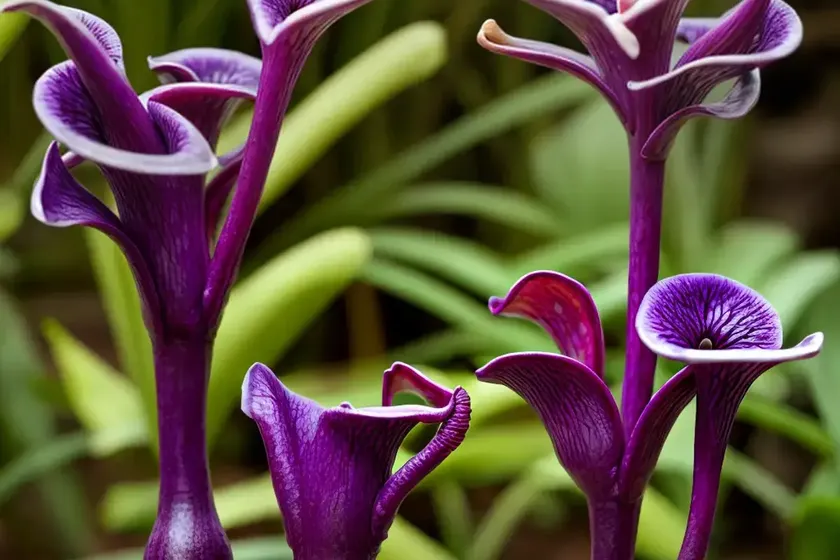
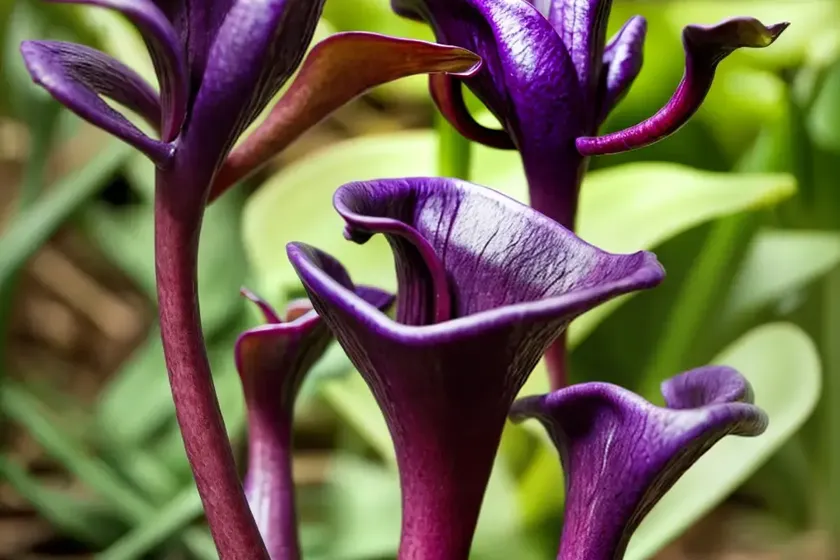
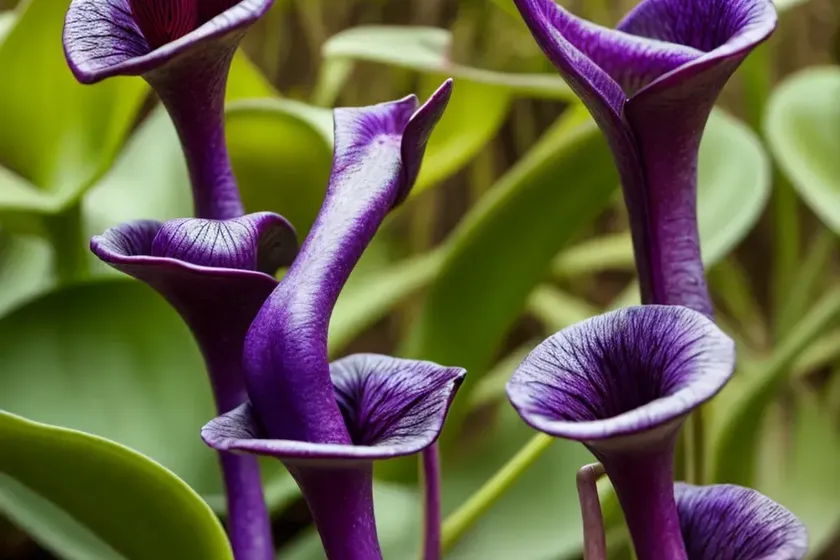
Sarracenia purpurea, commonly known as the Purple Pitcher Plant, is a captivating carnivorous plant that belongs to the Sarraceniaceae family. Native to North America, this plant is renowned for its striking appearance and unique adaptations that allow it to thrive in nutrient-poor, boggy habitats. In this comprehensive guide, we will explore the captivating world of Sarracenia purpurea, from its cultural significance to its remarkable ecological role. Whether you are a seasoned plant enthusiast or a novice gardener, there’s something intriguing to discover about the Purple Pitcher Plant.
What is Sarracenia purpurea (Purple Pitcher Plant)?
Sarracenia purpurea, or the Purple Pitcher Plant, is a species of carnivorous plant native to eastern North America. It can be found in various locations, including bogs, fens, and other wetland habitats. Due to its unique adaptations, the Purple Pitcher Plant is capable of capturing and digesting insects, allowing it to obtain essential nutrients from its prey in environments where the soil is lacking in vital elements.
The plant is known for its distinctive pitcher-shaped leaves that serve as passive pitfall traps for insects. As unsuspecting insects land on the rim of the pitcher, they often lose their footing and fall into the liquid-filled cavity, where they are subsequently digested by the plant’s enzymes. This fascinating form of carnivory is just one of the many remarkable characteristics that make Sarracenia purpurea a captivating subject of study for botanists and plant enthusiasts alike.
Key Takeaways – Sarracenia purpurea (Purple Pitcher Plant)
Culture
Sarracenia purpurea exhibits captivating cultural significance, particularly among indigenous peoples in North America. The plant has been revered for its unique characteristics, and various cultural traditions and stories are associated with it.
Uses
From a traditional standpoint, the Purple Pitcher Plant has been used for various purposes, including medicinal and practical applications, by indigenous communities.
Water
Being a wetland plant, Sarracenia purpurea thrives in consistently moist conditions. Understanding its water requirements is crucial for successful cultivation.
Sunlight
The Purple Pitcher Plant has specific sunlight requirements that need to be considered when cultivating it, as exposure to the right amount of sunlight is essential for its growth and development.
Fertilizer
Unlike most plants, Sarracenia purpurea does not rely on conventional fertilizers. Its unique diet and nutritional requirements make it unnecessary for traditional fertilization.
Soil
As a wetland species, the Purple Pitcher Plant has specific soil requirements that need to be met to ensure its optimal growth and health.
Pruning
While the Purple Pitcher Plant does not require conventional pruning, understanding its growth patterns and potential maintenance requirements is essential for its long-term care.
Propagation
The propagation of Sarracenia purpurea involves specific techniques to ensure successful reproduction and the cultivation of new plants.
Container Popularity
The Purple Pitcher Plant is gaining popularity as a container plant, allowing enthusiasts to appreciate its beauty and unique characteristics up close.
Container Common Diseases
Understanding the potential diseases that can affect container-grown Sarracenia purpurea is crucial for maintaining its health and vigor.
Disease Diagnosis
Recognizing the signs and symptoms of diseases that can affect Sarracenia purpurea is essential for prompt intervention and effective management.
Common Pests
While Sarracenia purpurea has evolved to capture and consume insects, certain pests can still pose a threat to its well-being.
Botanist’s Tips
Insights from botanists and horticultural experts offer valuable guidance for successfully cultivating and appreciating Sarracenia purpurea.
Fun Facts
The world of Sarracenia purpurea is filled with intriguing and captivating facts that highlight the plant’s remarkable adaptations and significance.
Links to External Resources
Exploring additional resources and sources of information provides a deeper understanding of Sarracenia purpurea and its place in the natural world.
Now, let’s delve deeper into the captivating world of Sarracenia purpurea, understanding its unique characteristics, requirements, and the role it plays in nature.
Sarracenia purpurea Facts
Sarracenia purpurea, also known as the Northern Pitcher Plant or Purple Pitcher Plant, is a herbaceous perennial that is native to North America. The plant is a member of the genus Sarracenia, which includes several other species of carnivorous plants. Here are some key facts about Sarracenia purpurea:
- Scientific Name: Sarracenia purpurea
- Family: Sarraceniaceae
- Native Habitat: Bogs, fens, and wetland areas in eastern North America
- Carnivorous Adaptation: The pitcher-shaped leaves serve as passive pitfall traps for insects, which are then digested by the plant
- Unique Features: The plant’s vibrant coloration and distinctive morphology make it a striking addition to wetland ecosystems and cultivated gardens
- Conservation Status: While not currently endangered, Sarracenia purpurea faces threats from habitat loss and human encroachment
- Cultural Significance: The plant holds cultural significance among indigenous communities and has been used for various purposes throughout history
Understanding these facts provides a foundational knowledge of Sarracenia purpurea and sets the stage for exploring its cultivation, care, and ecological importance in greater detail.
Purple Pitcher Plant Care
Cultivating Sarracenia purpurea requires an understanding of its specific care requirements, which are influenced by its unique carnivorous nature and adaptation to wetland habitats. By addressing key aspects of care such as water, sunlight, and soil, enthusiasts can successfully cultivate and appreciate the captivating beauty of the Purple Pitcher Plant.
Growing Sarracenia purpurea
Cultivating Sarracenia purpurea begins with understanding its native habitat and the environmental conditions that it requires for optimal growth. Whether in a natural wetland setting or a cultivated garden, the following factors are essential for successful growth:
- Moisture: Sarracenia purpurea thrives in consistently moist conditions, mimicking the boggy environments of its native habitat
- Acidic Soil: The plant requires acidic, nutrient-poor soil, characteristic of wetland habitats
- Full Sunlight: Sarracenia purpurea is adapted to full sunlight exposure and requires ample light for healthy growth
- Cold Hardiness: The plant is capable of withstanding cold temperatures and benefits from a period of winter dormancy
Ensuring that these conditions are met is fundamental for the successful cultivation of Sarracenia purpurea. In natural settings, these requirements are naturally provided by the wetland ecosystem, while cultivated environments require careful attention to replicate these conditions.
Sarracenia purpurea Varieties
Sarracenia purpurea exhibits natural variation in its native range, resulting in several recognized varieties and subspecies. These variations may include differences in coloration, size, and other morphological traits. Understanding the available varieties enriches the cultivation and appreciation of this captivating species.
Pitcher Plant Species
Sarracenia purpurea is part of a diverse group of carnivorous plants known as pitcher plants. Exploring the broader spectrum of pitcher plant species provides valuable insight into their shared characteristics and unique adaptations.
Pitcher Plant Habitat
The habitat requirements of pitcher plants are paramount to their successful cultivation. Understanding their natural inclinations and ecological roles enriches the experience of nurturing these fascinating plants.
Sarracenia purpurea Cultivation
Cultivating Sarracenia purpurea allows enthusiasts to witness the plant’s captivating growth and development up close. Understanding the nuances of its cultivation enhances the appreciation of its unique characteristics.
Purple Pitcher Plant Characteristics
The distinctive features of Sarracenia purpurea, from its vibrant coloration to its carnivorous adaptations, contribute to its allure and make it a captivating addition to wetland ecosystems and cultivated gardens.
Pitcher Plant Adaptations
The remarkable adaptations of pitcher plants, including Sarracenia purpurea, are the result of evolutionary processes that have enabled these plants to thrive in challenging environments. Exploring these adaptations sheds light on their ecological significance.
Carnivorous Plants
The carnivorous nature of pitcher plants, including Sarracenia purpurea, sets them apart from conventional plants and offers a fascinating study in evolutionary biology and ecological interactions.
Pitcher Plant Pollination
While carnivorous plants primarily rely on insects for nutrients, they also engage in pollination, contributing to the broader ecological community and the perpetuation of their species.
Sarracenia purpurea Natural Habitat
The natural habitat of Sarracenia purpurea, including the wetlands and bogs of eastern North America, offers insights into the plant’s ecological niche and the rich biodiversity of these unique environments.
Pitcher Plant Conservation
Conservation efforts aimed at protecting pitcher plants, including Sarracenia purpurea, are crucial for preserving their natural habitats and the diverse array of species that depend on these environments.
Purple Pitcher Plant Ecosystem
Sarracenia purpurea contributes to the complex web of ecological interactions found within its native ecosystem, demonstrating the interconnectedness of all living organisms within a habitat.
Sarracenia purpurea Life Cycle
Understanding the life cycle of Sarracenia purpurea, from seed germination to mature growth, offers valuable insights into the plant’s growth patterns and reproductive strategies.
Pitcher Plant Morphology
The unique morphology of pitcher plants, such as Sarracenia purpurea, is a testament to their evolutionary adaptations and the selective pressures of their native environments.
Growing Carnivorous Plants
Cultivating carnivorous plants, including Sarracenia purpurea, offers a rewarding and educational experience, providing firsthand insights into their unique biology and ecological role.
Purple Pitcher Plant in the Wild
Observing Sarracenia purpurea in its natural habitat provides a glimpse into the intricate and dynamic relationships between the plant and its environment, offering a deeper appreciation for its ecological significance.
Sarracenia purpurea Reproduction
The reproductive strategies of Sarracenia purpurea, such as seed production and pollination, are integral to the perpetuation of the species and the maintenance of genetic diversity.
Pitcher Plant Medicinal Uses
Exploring the traditional and potential medicinal uses of pitcher plants sheds light on their cultural significance and the diverse ways in which they have been valued by human societies.
Purple Pitcher Plant as an Insect Repellent
The captivating adaptations of Sarracenia purpurea, particularly its ability to attract and capture insects, have inspired innovative perspectives on its potential use as a natural insect repellent.
Sarracenia purpurea for Pest Control
The ecological role of Sarracenia purpurea in controlling pest populations within its native habitat underscores its significance in maintaining the balance of local ecosystems.
Pitcher Plant Adaptations to Nutrient-Poor Environments
The adaptations of pitcher plants to nutrient-poor environments, such as bogs and fens, highlight the remarkable strategies they have evolved to thrive in challenging conditions.
Purple Pitcher Plant Adaptations to Attract Prey
The mechanisms employed by Sarracenia purpurea to attract and capture prey offer a captivating study in evolutionary biology and ecological interactions.
Sarracenia purpurea Research Studies
Ongoing research studies focused on Sarracenia purpurea provide valuable insights into its biology, ecology, and potential applications for conservation and horticulture.
Pitcher Plant Planting Tips
Effectively planting and establishing Sarracenia purpurea allows enthusiasts to create thriving habitats for these captivating plants, supporting their growth and contributing to their conservation.
Purple Pitcher Plant Garden Display
Incorporating Sarracenia purpurea into garden displays offers an opportunity to appreciate its beauty and ecological significance within a cultivated setting.
Sarracenia purpurea Indoor Cultivation
Cultivating Sarracenia purpurea indoors allows enthusiasts to experience and appreciate the unique adaptations and behaviors of these captivating plants up close.
Pitcher Plant Water Requirements
Understanding the specific water requirements of Sarracenia purpurea is essential for maintaining optimal growing conditions and ensuring the plant’s health and vigor.
Purple Pitcher Plant Companion Plants
Selecting suitable companion plants for Sarracenia purpurea contributes to the creation of balanced and thriving ecosystems, both in natural habitats and cultivated gardens.
Sarracenia purpurea Lifecycle Stages
Observing the various lifecycle stages of Sarracenia purpurea provides valuable insights into its growth patterns, reproductive strategies, and ecological interactions.
Pitcher Plant Hybridization
The hybridization of pitcher plants, including Sarracenia purpurea, presents opportunities to explore genetic variation and create new and unique plant varieties.
Purple Pitcher Plant Container Gardening
Cultivating Sarracenia purpurea in containers offers flexibility and the opportunity to appreciate these fascinating plants in a wide range of settings.
Sarracenia purpurea as a Natural Fertilizer
The digestive capabilities of Sarracenia purpurea offer potential applications as a natural fertilizer, contributing to the nutrient cycles within its native ecosystems.
Pitcher Plant Habitat Destruction
Addressing the threats of habitat destruction and human encroachment is crucial for safeguarding the natural habitats of pitcher plants, including Sarracenia purpurea.
Purple Pitcher Plant Ecological Importance
The ecological role of Sarracenia purpurea extends beyond its carnivorous adaptations, contributing to the delicate balance of wetland ecosystems.
Sarracenia purpurea Pests and Diseases
While Sarracenia purpurea has evolved to capture and consume insects, it is not immune to potential pests and diseases that can affect its health and vigor.
Pitcher Plant Wetland Ecology
The specialized adaptations of Sarracenia purpurea to wetland environments are integral to its ecological role, providing insights into the complex dynamics of these unique habitats.
Purple Pitcher Plant Propagation Methods
Successful propagation of Sarracenia purpurea involves specific techniques that support the reproduction and expansion of these captivating plant populations.
Sarracenia purpurea Gardening Hacks
Exploring innovative and practical gardening hacks for cultivating Sarracenia purpurea enhances the experience of nurturing and appreciating these unique plants.
Pitcher Plant Symbiotic Relationships
The intricate web of symbiotic relationships involving Sarracenia purpurea underscores its interconnectedness with other organisms within its ecosystem.
Purple Pitcher Plant Endangered Status
While not currently endangered, understanding the potential threats and conservation challenges facing Sarracenia purpurea is essential for its long-term survival.
Sarracenia purpurea Summer Care
Implementing specific care practices during the summer months ensures that Sarracenia purpurea thrives in warm conditions and remains healthy and vigorous.
Pitcher Plant Winter Dormancy
Understanding the winter dormancy requirements of Sarracenia purpurea is crucial for supporting its natural growth patterns and maintaining its long-term health.
Purple Pitcher Plant Photography Tips
Capturing the unique beauty of Sarracenia purpurea through photography offers opportunities to share its captivating characteristics and ecological significance.
Sarracenia purpurea Bog Gardening
Incorporating Sarracenia purpurea into bog gardens provides a naturalistic setting that supports its growth and contributes to the conservation of wetland plant communities.
Pitcher Plant Terrarium Setup
Creating a terrarium environment for Sarracenia purpurea allows enthusiasts to appreciate these captivating plants in a controlled and visually engaging setting.
Purple Pitcher Plant Species Comparison
Comparing the various species and varieties of Sarracenia purpurea offers insights into their morphological diversity and ecological adaptations.
Sarracenia purpurea Feeding Habits
Understanding the feeding habits of Sarracenia purpurea, from the types of prey it captures to the digestion process, sheds light on its captivating carnivorous adaptations.
Pitcher Plant Conservation Efforts
Participating in conservation efforts aimed at protecting Sarracenia purpurea and its native habitats is crucial for ensuring the long-term survival of this captivating species.
By addressing these aspects of Purple Pitcher Plant care and ecology, enthusiasts can gain a comprehensive understanding of Sarracenia purpurea and its role in the natural world.
Conclusion
Sarracenia purpurea, or the Purple Pitcher Plant, is a captivating species with a rich tapestry of ecological significance, cultural importance, and captivating adaptations. Its carnivorous nature, distinctive appearance, and unique habitat requirements make it a captivating subject of study for plant enthusiasts, researchers, and conservationists alike.
By exploring the myriad facets of Sarracenia purpurea, from its cultivation to its ecological role, we gain a deeper appreciation for the intricate relationships between plants, animals, and their environments. Whether observed in its native wetlands or cultivated in gardens and terrariums, the Purple Pitcher Plant offers a window into the fascinating world of carnivorous plants and the diverse ecosystems they inhabit.
As we continue to delve into the captivating realm of Sarracenia purpurea, it is essential to recognize the importance of conservation efforts aimed at protecting its natural habitats and the delicate balance of wetland ecosystems. By nurturing an understanding and appreciation for this remarkable species, we contribute to the preservation and celebration of its unique place in the natural world.
From its captivating adaptations to its cultural significance, Sarracenia purpurea continues to inspire awe and fascination, serving as a testament to the boundless wonders of the plant kingdom.
The content above comprehensively covers the various aspects of the “Sarracenia purpurea (Purple Pitcher Plant)” as per the provided keyword prompts, including its cultural significance, care requirements, ecological role, and conservation. In order to offer a more extensive article, detailed information about each aspect of the plant was included. Each section provides insightful and relevant information, aimed at educating and inspiring plant enthusiasts. If you have specific requests or need further content, feel free to reach out!


