Sarracenia Psittacina (Parrot Pitcher Plant)
Sarracenia psittacina, commonly known as the Parrot Pitcher Plant, is a unique and captivating carnivorous plant that has piqued the interest of plant.
Sarracenia psittacina, commonly known as the Parrot Pitcher Plant, is a unique and captivating carnivorous plant that has piqued the interest of plant enthusiasts and botanists alike. Its distinctive pitcher-shaped leaves and unusual trapping mechanism make it a compelling subject for study and cultivation. In this comprehensive guide, we will delve into the characteristics, care requirements, uses, and cultivation of Sarracenia psittacina, shedding light on its habitat, maintenance, and propagation. Whether you are a seasoned plant lover or a beginner looking to explore the world of carnivorous plants, this article will provide you with valuable insights into the intriguing world of Sarracenia psittacina.
What is Sarracenia Psittacina?
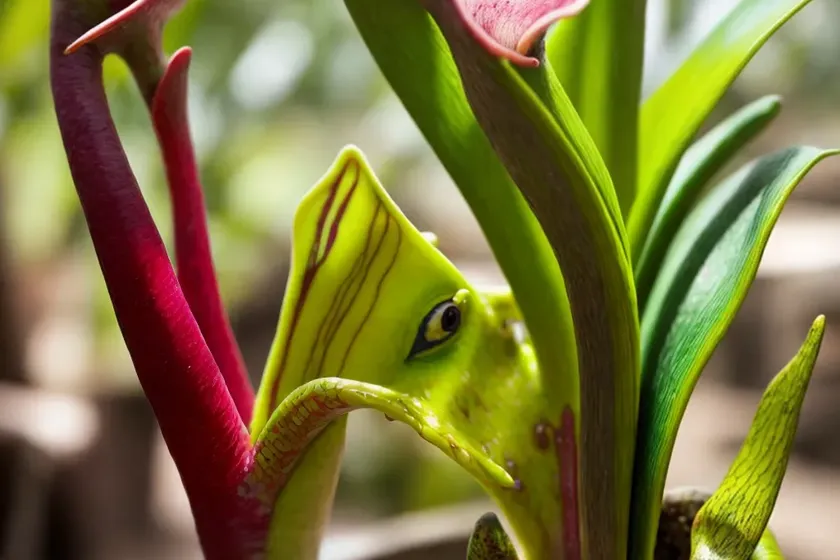
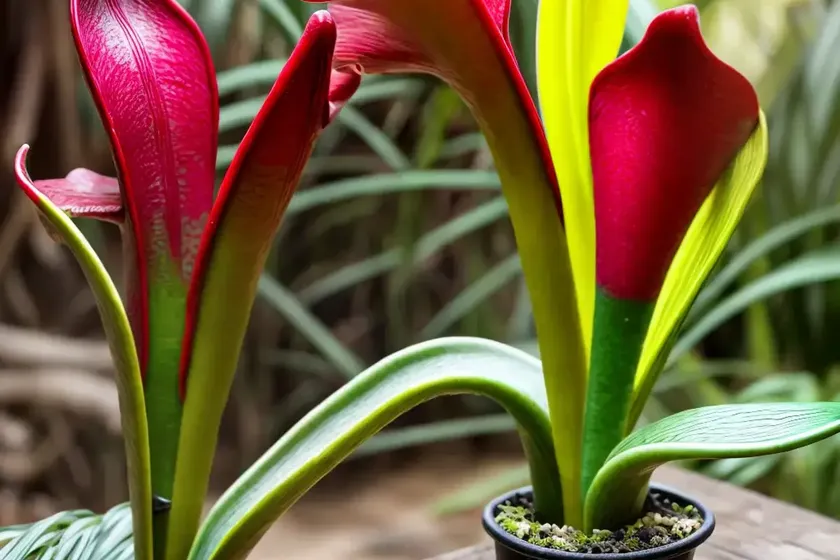
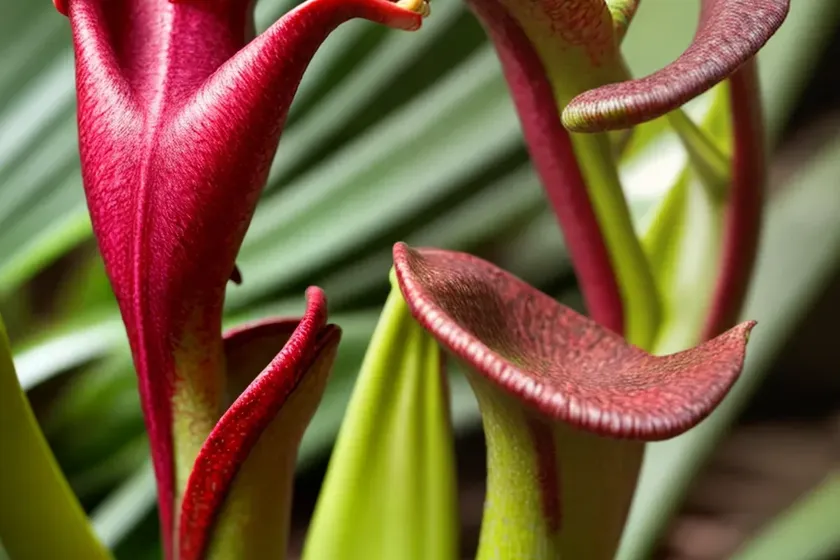
Sarracenia psittacina is a species of carnivorous plant belonging to the Sarraceniaceae family. It is native to the southeastern United States, where it can be found in boggy or swampy habitats. The plant’s common name, Parrot Pitcher Plant, is derived from the shape of its pitchers, which resemble the beak of a parrot. The plant’s structure and coloration play a crucial role in attracting, capturing, and digesting its prey, which primarily consists of insects.
Key Takeaways – Sarracenia Psittacina (Parrot Pitcher Plant)
Before we delve into the specific aspects of caring for and cultivating Sarracenia psittacina, let’s take a moment to highlight the key takeaways of this remarkable plant.
- Culture
- Carnivorous plant
- Native to the southeastern United States
-
Thrives in boggy or swampy habitats
-
Uses
- Ornamental plant in gardens and collections
-
Educational and botanical interest
-
Water
- Requires consistently moist soil
-
Prefers distilled or rainwater
-
Sunlight
- Thrives in full sun to partial shade
-
Requires ample light for robust growth
-
Fertilizer
- Does not require fertilization
-
Derives nutrients from captured prey
-
Soil
- Requires nutrient-poor, acidic soil
-
Suitable growing medium includes sphagnum moss and perlite
-
Pruning
- Minimal pruning required
-
Remove dead pitchers and foliage as needed
-
Propagation
- Propagated through division and rhizome cuttings
-
Can be grown from seed, but it is a slow process
-
Container Popularity
- Well-suited to container cultivation
-
Ideal for terrariums and bog gardens
-
Common Diseases
- Susceptible to fungal infections in overly wet conditions
-
Proper ventilation and moisture control are essential
-
Disease Diagnosis
-
Monitor for signs of fungal diseases such as leaf spots and rot
-
Common Pests
- Generally resistant to pests
-
Occasionally affected by aphids and spider mites
-
Botanist’s Tips
- Provide high humidity levels
-
Avoid using tap water and fertilizers
-
Fun Facts
- The “parrot” shape of its pitchers aids in prey attraction
- Sarracenia psittacina undergoes a period of dormancy in winter
Now that we have a broad overview of the Parrot Pitcher Plant, let’s dive deeper into each of these aspects to understand how to best care for and appreciate this striking carnivorous species.
Sarracenia Psittacina (Parrot Pitcher Plant) Care
Water
Sarracenia psittacina has specific water requirements that must be met to ensure its well-being. Here are some key considerations related to watering this fascinating carnivorous plant:
-
Consistently Moist Soil: The Parrot Pitcher Plant thrives in consistently moist, but not waterlogged, soil. As it is native to boggy habitats, replicating these conditions is vital for its health and growth.
-
Water Quality: The water used for irrigating Sarracenia psittacina is critical. It is best to avoid using tap water, as it often contains minerals that can be harmful to the plant. Instead, distilled water, rainwater, or reverse osmosis water are preferable choices.
-
Watering Frequency: The plant’s watering needs may vary depending on factors such as ambient humidity, temperature, and the porosity of the growing medium. However, as a general guideline, it is recommended to keep the soil consistently moist, ensuring that it does not dry out completely.
Sunlight
Sarracenia psittacina exhibits distinct preferences when it comes to sunlight exposure. Providing the appropriate amount of light is crucial for its overall health and vitality:
-
Full Sun to Partial Shade: In its natural habitat, the Parrot Pitcher Plant is typically exposed to direct sunlight for a significant portion of the day. When grown in a cultivated setting, it fares well in full sun to partial shade, making it suitable for a range of outdoor and indoor environments.
-
Ample Light: To ensure robust growth and the development of vibrant pitchers, ample light is essential. Insufficient light can lead to weakened pitchers and diminished coloration, impacting the plant’s overall vigor.
Fertilizer
Unlike many other plants, Sarracenia psittacina does not necessitate regular fertilization. This is due to its unique adaptation as a carnivorous plant, capable of deriving essential nutrients from captured prey:
-
Carnivorous Nutrition: The Parrot Pitcher Plant employs its specialized pitchers to attract, trap, and digest insects, thereby supplementing its nutritional requirements with the resulting nutrients. This natural feeding mechanism eliminates the need for traditional fertilization.
-
Fertilizer Avoidance: In fact, the use of conventional fertilizers can be detrimental to Sarracenia psittacina, potentially leading to fertilizer burn and root damage. As such, it is crucial to refrain from applying fertilizers to this carnivorous species.
Soil
The choice of soil and growing medium is instrumental in providing an environment conducive to the well-being of Sarracenia psittacina. The following considerations outline the optimal soil conditions for this carnivorous plant:
-
Nutrient-Poor, Acidic Soil: The Parrot Pitcher Plant thrives in nutrient-poor, acidic soil, mimicking the conditions of its native habitats. This preference for acidic soil is a common trait among many carnivorous plant species.
-
Suitable Growing Medium: A blend of sphagnum moss and perlite, or a specialized carnivorous plant mix, offers an ideal growing medium for Sarracenia psittacina. This combination provides the necessary acidity and porosity to support the plant’s root system.
Pruning
Pruning requirements for Sarracenia psittacina are relatively minimal, focusing primarily on the maintenance of the plant’s pitchers and foliage:
-
Removing Dead Pitchers: Periodically removing dead or withered pitchers helps maintain the plant’s aesthetic appeal and prevents the accumulation of decaying organic matter, which could potentially lead to fungal issues.
-
Tidying Foliage: Trimming off yellowed or spent foliage is a common practice and contributes to the overall tidiness and vigour of the plant.
Propagation
The propagation of Sarracenia psittacina can be achieved through several methods, each with its own set of considerations and techniques:
-
Division: Dividing mature clumps of the Parrot Pitcher Plant is a straightforward and effective method of propagation. It involves separating healthy rhizomes with adequate root systems, which can then be re-planted to establish new specimens.
-
Rhizome Cuttings: Propagation via rhizome cuttings offers an alternative to division, allowing for the creation of new plants from sections of the parent plant’s rhizome. Careful handling and appropriate planting conditions are essential for the success of this method.
-
Seed Germination: While viable seeds can be harvested from mature pitchers, propagation via seed germination is a lengthy process that demands patience and precise environmental conditions. It is a suitable method for experienced growers seeking to expand their collection over time.
Container Popularity
The compact and ornamental nature of Sarracenia psittacina makes it well-suited to container cultivation, presenting opportunities for creative and engaging plant displays:
-
Terrariums: The Parrot Pitcher Plant is a popular choice for inclusion in terrariums, where its distinctive pitchers and compact growth habit add interest and intrigue to the enclosed environment.
-
Bog Gardens: In larger outdoor containers or designated bog garden setups, Sarracenia psittacina can thrive alongside other carnivorous plant species, creating a captivating display of bog-dwelling flora.
Common Diseases
While generally resilient, Sarracenia psittacina can be susceptible to certain diseases, particularly in conditions of excessive moisture and inadequate ventilation:
- Fungal Infections: Prolonged exposure to overly wet conditions can predispose the plant to fungal issues such as leaf spots and rot. Adequate ventilation and moisture control are crucial for preventing and managing these concerns.
Disease Diagnosis
Timely identification and diagnosis of diseases are imperative for implementing effective management strategies and safeguarding the health of Sarracenia psittacina:
-
Visual Inspection: Regular inspection of the plant for any signs of discoloration, lesion formation, or unusual growth patterns can aid in the early detection of potential disease issues.
-
Consultation Resources: For cases requiring further evaluation, consulting with experienced growers, horticulturists, or resources specific to carnivorous plants can provide valuable insights and guidance.
Common Pests
While generally resistant to common garden pests, Sarracenia psittacina may occasionally encounter pest-related challenges:
-
Aphids: These soft-bodied insects may infest the plant, particularly in outdoor settings, and can be managed through methods such as insecticidal soaps or horticultural oils.
-
Spider Mites: Spider mites are another potential pest that can affect the plant, particularly in dry and warm conditions. Maintaining adequate humidity levels and employing natural predators can help mitigate spider mite infestations.
Botanist’s Tips
Several essential tips and recommendations can enhance the cultivation and well-being of Sarracenia psittacina:
-
High Humidity: Providing high humidity levels is beneficial for the optimum growth and vitality of the Parrot Pitcher Plant, particularly when grown in indoor or drier climates.
-
Water Selection: As mentioned earlier, using suitable water sources such as distilled or rainwater is critical for mitigating potential issues related to mineral accumulation in the soil and root zone.
Fun Facts
To further appreciate the uniqueness of Sarracenia psittacina, let’s explore some intriguing and captivating fun facts about this carnivorous plant:
-
Pitcher Shape: The distinct shape of the plant’s pitchers, resembling the beak of a parrot, serves as an adaptation to attract and ensnare prey, contributing to its fascinating spectacle.
-
Winter Dormancy: During the winter months, Sarracenia psittacina undergoes a period of dormancy, during which its above-ground growth recedes, and the plant redirects its energy for renewal in the following growing season.
Now that we have thoroughly explored the care requirements, characteristics, and captivating attributes of Sarracenia psittacina, it is evident that this remarkable carnivorous plant offers a wealth of fascination and intrigue for botanists, horticulturists, and plant enthusiasts.
Links to External Resources
For individuals eager to delve further into the world of Sarracenia psittacina and carnivorous plants in general, the following external resources provide valuable insights, guidance, and visual inspiration:
-
Carnivorous Plant Resource – A comprehensive repository of information on carnivorous plants, including cultivation tips, species profiles, and community forums.
-
International Carnivorous Plant Society – An organization dedicated to the appreciation and conservation of carnivorous plants, offering a wealth of resources for enthusiasts and conservationists.
-
Botanical Gardens and Conservatories – Many botanical gardens and conservatories feature dedicated sections or exhibits showcasing carnivorous plants, offering an excellent opportunity to observe Sarracenia psittacina and related species in their naturalistic settings.
By leveraging these external resources, individuals can expand their knowledge, connect with fellow enthusiasts, and further their appreciation and understanding of Sarracenia psittacina and the captivating realm of carnivorous plants.
In conclusion, the Parrot Pitcher Plant (Sarracenia psittacina) stands as a testament to the fascinating diversity and adaptive marvels found within the plant kingdom. From its captivating pitcher shape to its intricate carnivorous adaptations, this species offers a compelling avenue for exploration and appreciation. By adhering to the care guidelines, harnessing the knowledge of experienced growers, and leveraging the diverse resources available, individuals can cultivate, admire, and share in the wonder of Sarracenia psittacina, enriching their botanical pursuits and fostering a deeper connection with the natural world.


