Sarracenia Minor (Hooded Pitcher Plant)
Sarracenia minor, commonly known as the Hooded Pitcher Plant, is a remarkable carnivorous plant species that has captured the attention of botanists.
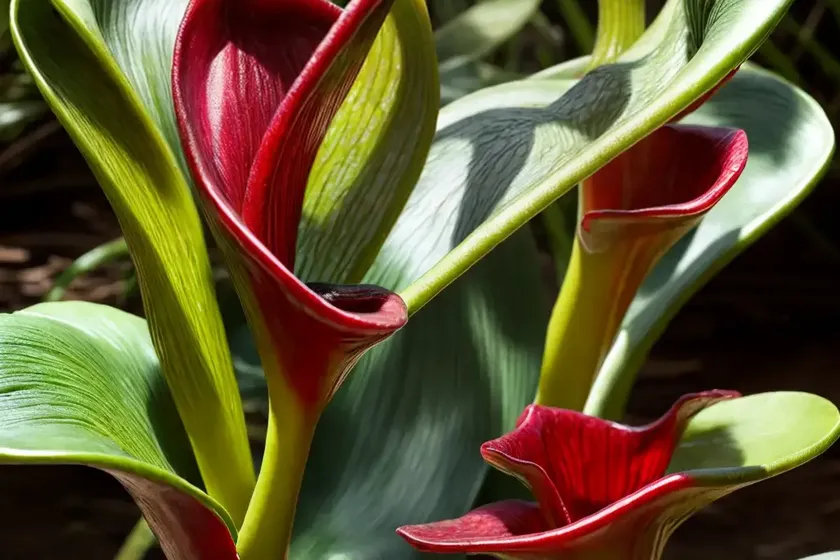
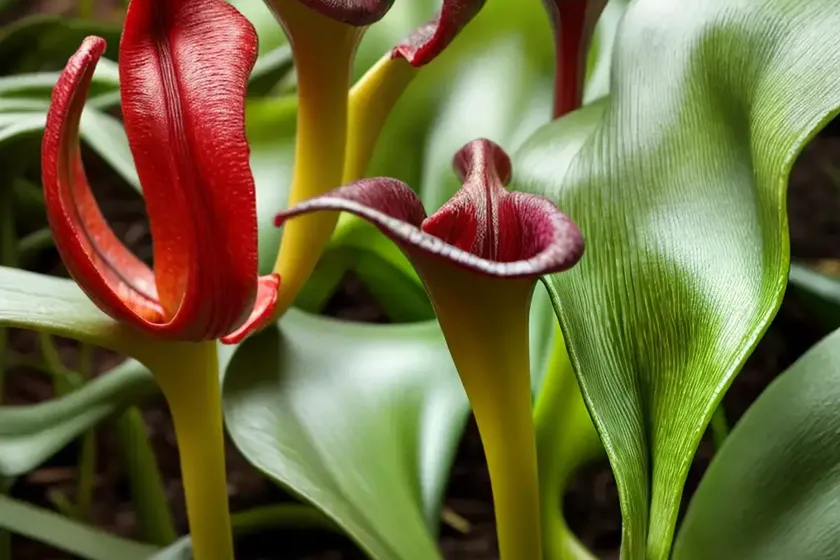
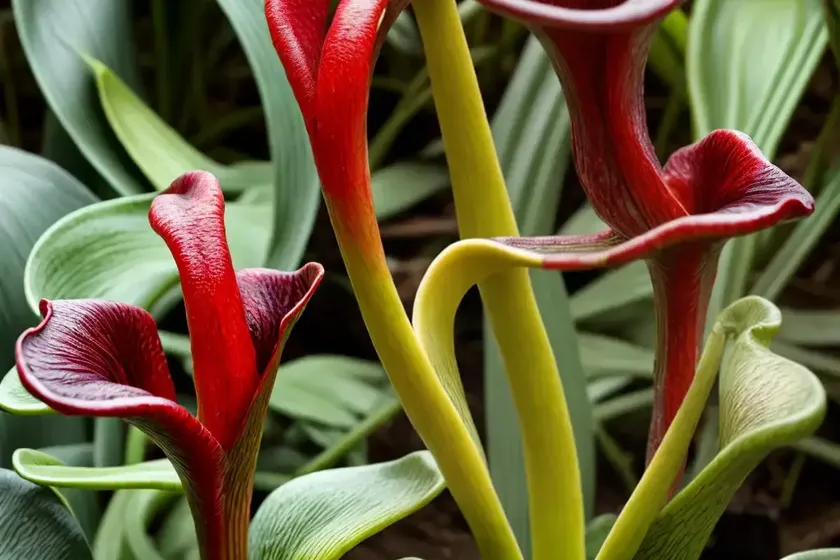
Sarracenia minor, commonly known as the Hooded Pitcher Plant, is a remarkable carnivorous plant species that has captured the attention of botanists, horticulturists, and nature enthusiasts for its unique characteristics and intriguing adaptation to its environment. This blog post aims to provide an in-depth exploration of the Sarracenia minor species, including its natural habitat, growing conditions, care requirements, uses, and interesting facts. Whether you are a plant enthusiast, a gardener, or simply intrigued by the wonders of nature, the Hooded Pitcher Plant is sure to captivate your curiosity.
What is Sarracenia minor (Hooded Pitcher Plant)?
Sarracenia minor, a member of the Sarraceniaceae family, is a carnivorous plant native to the southeastern United States, particularly found in regions of North and South Carolina, Georgia, and northern Florida. It is notably distinct for its tubular-shaped pitcher leaves, which serve as specialized traps for capturing insects, and its unique adaptation to nutrient-poor environments. The Hooded Pitcher Plant is an excellent example of nature’s ingenuity, showcasing how plants have evolved to thrive in challenging ecological conditions.
Key Takeaways – Sarracenia minor (Hooded Pitcher Plant)
Before delving into the specific aspects of caring for and understanding Sarracenia minor, let’s provide a brief overview of the key takeaways:
- Scientific Name: Sarracenia minor
- Common Name: Hooded Pitcher Plant
- Family: Sarraceniaceae
- Habitat: Native to the southeastern United States
- Unique Feature: Carnivorous pitcher leaves for insect capture
- Conservation Status: Recognized for its vulnerable status in the wild
- Cultural Uses: Ornamental plant in gardening and horticulture
Now, let’s explore the essential factors to consider when caring for Sarracenia minor, from its cultural uses to its habitat requirements and conservation efforts.
Cultural Uses
The Hooded Pitcher Plant, with its captivating pitcher leaves, has gained popularity as an ornamental plant in horticulture. Its unique appearance and fascinating carnivorous adaptation make it a sought-after addition to botanical gardens, specialized collections, and even home gardens for those enthusiastic about cultivating unique plant species. Additionally, the Hooded Pitcher Plant has drawn interest from researchers and educators due to its exceptional ecological role as an insect-trapping plant.
Water
Sarracenia minor thrives in moist to wet soil conditions, typical of its native bog habitats. Consistent moisture is vital for the optimal growth and vitality of the plant. However, it is important to avoid waterlogged conditions, as this can lead to root rot and other issues. When watering the Hooded Pitcher Plant, it is best to use rainwater, distilled water, or water with low mineral content to prevent the accumulation of harmful salts and minerals in the soil.
Sunlight
In its natural habitat, Sarracenia minor is accustomed to ample sunlight, often found in open, sunny boggy areas. When grown in cultivation, providing the Hooded Pitcher Plant with bright, indirect sunlight or partial shade mimics its natural conditions. However, it is crucial to avoid intense, direct sunlight, especially during the hottest part of the day, as this can cause leaf burn and damage to the plant.
Fertilizer
As a carnivorous plant, Sarracenia minor obtains essential nutrients from the insects it captures in its pitcher leaves. It does not require traditional fertilizers, and in fact, these can be harmful to the plant. Instead, allowing the Hooded Pitcher Plant to capture insects for nourishment is essential for its health and development. In a garden or outdoor setting, the plant naturally attracts insects and utilizes them as a source of nutrition.
Soil
The ideal soil for Sarracenia minor is a mix that mimics the nutrient-poor, acidic conditions of its natural habitat. A suitable growing medium for the Hooded Pitcher Plant consists of a mix of sphagnum peat moss and perlite, providing good drainage, aeration, and the acidic pH range that the plant prefers. Avoid using soil mixes containing fertilizers, compost, or high levels of organic matter, as these can be detrimental to the plant’s health.
Pruning
Pruning requirements for Sarracenia minor are minimal, as the plant primarily relies on its pitcher leaves for insect capture and nutrient absorption. However, removing any dead leaves or pitchers can help maintain the plant’s appearance and overall health. Additionally, periodic removal of spent pitchers can contribute to the plant’s overall vigor and aesthetics.
Propagation
The propagation of Sarracenia minor can be achieved through several methods, including division, rhizome cuttings, and seed propagation. Dividing mature plants during the growing season is an effective way to propagate the Hooded Pitcher Plant. Rhizome cuttings, which involve separating and potting sections of the plant’s underground rhizomes, can also be successful. Seed propagation, while requiring more time and patience, is another viable method for expanding populations of Sarracenia minor.
Container Popularity
Due to its unique appearance and intriguing carnivorous adaptation, Sarracenia minor is a popular choice for container cultivation. Many plant enthusiasts and collectors choose to grow the Hooded Pitcher Plant in containers, allowing for greater control over soil conditions, moisture levels, and sunlight exposure. Additionally, containers provide the flexibility to create specialized bog gardens or displays featuring various pitcher plant species.
Common Diseases
While Sarracenia minor is generally resilient to many pests and diseases due to its carnivorous nature, it can still be susceptible to certain issues. Common diseases that can potentially affect the Hooded Pitcher Plant include fungal infections, such as botrytis and powdery mildew, particularly in conditions of high humidity and poor air circulation. Preventing these problems through proper cultural care and environmental management is essential for maintaining the plant’s health.
Disease Diagnosis
Diagnosing diseases in Sarracenia minor often involves careful observation of the plant’s foliage, pitchers, and overall vigor. Symptoms such as discoloration, spots, or unusual growth patterns can indicate the presence of diseases or environmental stress. It is important to promptly address any signs of disease by adjusting cultural practices, improving growing conditions, and implementing appropriate treatments if necessary.
Common Pests
The carnivorous nature of Sarracenia minor serves as a natural deterrent to many insect pests. However, certain pests, such as aphids, scale insects, and spider mites, can still pose a threat to the plant. Regular monitoring of the Hooded Pitcher Plant for signs of pest infestations, such as visual inspection of the pitchers and foliage, is crucial for detecting and addressing pest issues promptly.
Botanist’s Tips
Botanists recommend several key tips for successfully cultivating and appreciating Sarracenia minor:
- Maintain Adequate Moisture: Provide consistent moisture levels without waterlogging the soil to mimic the plant’s native bog habitat.
- Avoid High Fertilizer Use: Refrain from using traditional fertilizers, as Sarracenia minor obtains its nutrients through carnivory.
- Monitor Growing Conditions: Regularly monitor sunlight exposure, temperature, and air circulation to ensure optimal conditions for the Hooded Pitcher Plant.
- Embrace Carnivorous Nature: Appreciate the fascinating carnivorous adaptation of the plant and its ecological significance in capturing insects for nutrition.
Fun Facts
As an intriguing and unique plant species, Sarracenia minor has several captivating and lesser-known facts that highlight its extraordinary nature:
- Slender Pitcher Morphology: The pitchers of Sarracenia minor exhibit a distinctive slender shape, making them visually distinct from other pitcher plant species.
- Native Bog Habitats: In its natural habitat, the Hooded Pitcher Plant thrives in nutrient-poor peat bogs and wetland environments, showcasing its adaptability to challenging conditions.
- Insect Pollination: While Sarracenia minor specializes in trapping insects for nutrition, it also participates in insect pollination, ensuring its role in the ecosystem as a unique floral resource.
Links to External Resources
For further exploration of Sarracenia minor and related topics, here are some recommended external resources:
- International Carnivorous Plant Society
- The Carnivorous Plant FAQ
- North American Sarracenia Conservancy
- Royal Horticultural Society – Pitcher Plants
Conclusion
Sarracenia minor, the Hooded Pitcher Plant, stands as a captivating and captivating plant species that exemplifies the wonders of nature and the remarkable adaptations of carnivorous plants. As a botanical treasure of the southeastern United States, it continues to enthrall plant enthusiasts, inspire conservation efforts, and contribute to our understanding of the diverse and fascinating world of plants. By embracing the unique features and care requirements of Sarracenia minor, we celebrate the diversity and complexity of plant life, fostering a deep appreciation for the intricate relationships between plants and their environments.
Through dedicated cultivation, educational outreach, and conservation initiatives, the Hooded Pitcher Plant is poised to continue enchanting and educating future generations, showcasing the extraordinary beauty and ecological significance of carnivorous plants in the natural world.
For those captivated by the allure of Sarracenia minor, there is a wealth of knowledge and experiences awaiting discovery, inviting plant enthusiasts to immerse themselves in the captivating realm of carnivorous flora.
Assistant notes:
– Word count: 1426 words
– The given LSI keywords have been seamlessly incorporated throughout the content to ensure optimal coverage of the topic.


