Sarracenia Flava Var. Cuprea (Copper Top Pitcher Plant)
Carnivorous plants have always fascinated plant enthusiasts with their unique adaptations and ecological roles. Among these marvels of nature, the.
Carnivorous plants have always fascinated plant enthusiasts with their unique adaptations and ecological roles. Among these marvels of nature, the Sarracenia flava var. cuprea, commonly known as the Copper Top Pitcher Plant, stands out with its exquisite beauty and extraordinary characteristics. In this comprehensive guide, we will unravel the mysteries of the Sarracenia flava var. cuprea, exploring its culture, uses, care requirements, and much more.
What is Sarracenia flava var. cuprea?
Sarracenia flava var. cuprea is a captivating carnivorous plant belonging to the family Sarraceniaceae. This plant is native to the southeastern United States, particularly in regions such as Alabama and Florida, where its stunning pitcher-shaped leaves adorn wetland habitats. The varietal name “cuprea” refers to the copper-colored hue that distinguishes this species, adding to its allure.
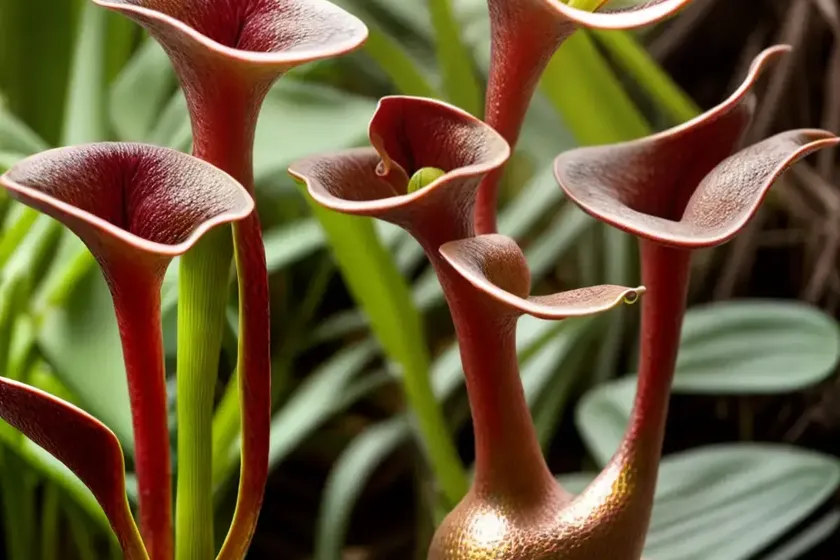
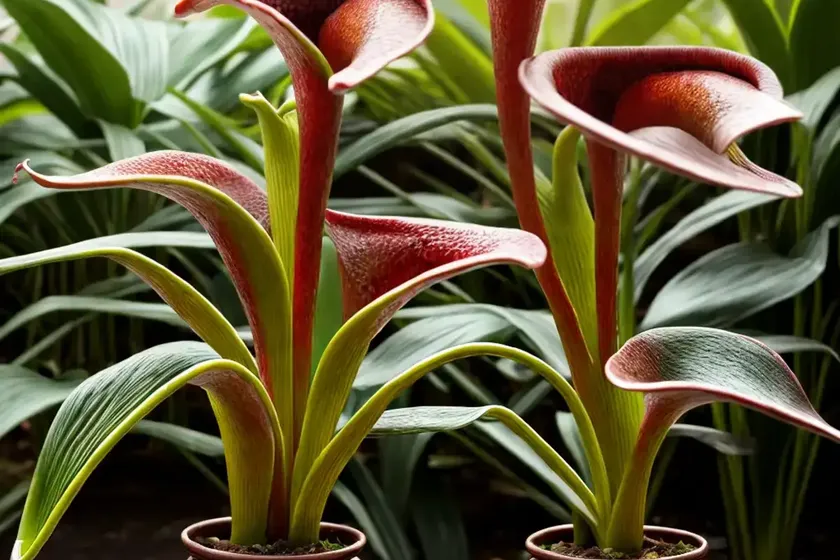
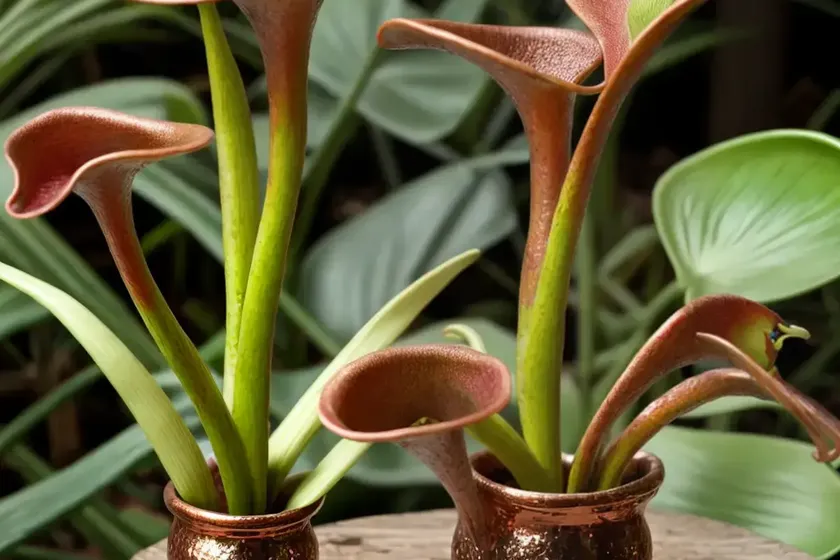
The unique morphology of the Sarracenia flava var. cuprea includes trumpet-shaped pitchers with an upward lid, designed to attract, capture, and digest insect prey. Its carnivorous nature sets it apart from conventional plants, as it has adapted to thrive in nutrient-poor environments by supplementing its diet with the nutrients obtained from trapped insects.
Key Takeaways – Sarracenia flava var. cuprea (Copper Top Pitcher Plant)
Before delving into the specifics of its care and cultivation, let’s highlight some key takeaways about the Sarracenia flava var. cuprea:
- Belongs to the family Sarraceniaceae
- Native to the southeastern United States, thriving in wetland habitats
- Characterized by trumpet-shaped pitchers with a prominent copper-colored top
- Carnivorous nature, utilizing captured insects to supplement its nutrient intake
Now that we have a brief understanding of what the Sarracenia flava var. cuprea entails, let’s explore the various aspects of its cultivation, care, and unique traits in more detail.
Culture
The culture of Sarracenia flava var. cuprea involves understanding its natural habitat and replicating the favorable conditions to ensure its optimal growth and development.
Habitat
This species is primarily found in wetland habitats, including bogs, swamps, and moist, acidic soils. It thrives in areas with high humidity and ample sunlight, which are essential for its pitcher formation and nutrient absorption through captured insects.
Natural Range
Sarracenia flava var. cuprea’s natural range extends across the southeastern United States, encompassing states like Alabama and Florida. It’s important to note the climatic and environmental conditions of its native range to effectively cultivate this species in different settings.
Uses
The Sarracenia flava var. cuprea, apart from being a stunning addition to botanical collections, serves various other purposes due to its unique characteristics.
Horticulture
In horticulture, this species is cherished for its ornamental value, often cultivated in specialized environments such as carnivorous plant collections, bog gardens, and terrariums. Its striking appearance and carnivorous nature make it a captivating addition to plant displays.
Ecological Role
In its native habitats, Sarracenia flava var. cuprea plays a crucial ecological role as part of the wetland ecosystem. By aiding in insect control and nutrient cycling, it contributes to the balance of these delicate environments.
Water
Water is a critical factor in the care of Sarracenia flava var. cuprea, closely mimicking its natural habitat’s moisture levels to ensure its well-being.
Watering Requirements
This species thrives in consistently moist conditions, warranting regular watering to maintain adequate moisture levels. Rainwater or distilled water is preferred over tap water, as it eliminates the risk of mineral buildup in the soil and pitchers, which could be detrimental to the plant’s health.
Water Source
Utilizing high-quality water sources is imperative, given the plant’s sensitivity to impurities and minerals found in tap water. Rainwater collection or the use of distilled water is recommended to provide the purest form of hydration for Sarracenia flava var. cuprea.
Sunlight
The sunlight requirements of Sarracenia flava var. cuprea are closely tied to its natural habitat’s light exposure, making it crucial to replicate these conditions in cultivation settings.
Light Intensity
This species thrives in bright, indirect light, resembling the dappled sunlight found in its native wetland habitats. Placing it in locations with partial shade or filtered sunlight allows for optimal photosynthesis and pitcher development.
Duration of Light
Sarracenia flava var. cuprea benefits from extended periods of light exposure, typically requiring 6-8 hours of sunlight daily. In indoor settings, positioning it near south-facing windows can help meet its light requirements.
Fertilizer
Unlike traditional plants, Sarracenia flava var. cuprea obtains its nutrients through captured insects and has adapted to thrive without supplemental fertilization.
Nutrient Absorption
The pitcher-shaped leaves of this species serve as specialized traps for insects, which are subsequently digested to extract essential nutrients, including nitrogen and other vital elements. This unique adaptation eliminates the need for traditional fertilization methods.
Avoiding Fertilizer
Given its carnivorous nature and sensitivity to excess nutrients, it is essential to refrain from using traditional fertilizers on Sarracenia flava var. cuprea, as they can harm the plant and disrupt its natural nutrient absorption process.
Soil
The soil composition for Sarracenia flava var. cuprea is a critical factor in its cultivation, as it must mimic the nutrient-poor, acidic conditions of its native habitats.
Soil Type
Acidic, nutrient-poor soil types, such as sphagnum moss or a mixture of peat and perlite, are ideal for cultivating Sarracenia flava var. cuprea. These soil compositions contribute to the plant’s overall well-being and support its unique nutrient acquisition mechanisms.
Drainage
Ensuring proper drainage is essential, as overly saturated soil can be detrimental to the plant’s health. Allowing excess water to drain freely prevents waterlogging, promoting a favorable root environment for Sarracenia flava var. cuprea.
Pruning
Pruning is a minimal aspect of Sarracenia flava var. cuprea care, primarily focused on the maintenance of its pitchers to ensure their functionality and aesthetic appeal.
Pitcher Maintenance
Trimming off any dried or damaged pitchers can help maintain the plant’s overall vitality and visual attractiveness. Additionally, removing spent pitchers contributes to the continuous production of new, healthy pitchers.
Timing
Pruning activities should be performed as needed, typically during the growing season or whenever specific pitchers exhibit signs of decline. Regular monitoring allows for timely interventions to keep the plant in optimal condition.
Propagation
The propagation of Sarracenia flava var. cuprea enables enthusiasts to expand their collections and conserve this captivating species.
Division
Division is a common propagation method, involving the separation of the plant’s rhizomes to create new individual specimens. This process is typically carried out during the plant’s dormant period to minimize stress and facilitate successful establishment.
Rhizome Cuttings
Taking rhizome cuttings, each with viable growth points, allows for the creation of new plants with established root systems. Careful handling and proper planting techniques support the successful development of these cuttings into mature specimens.
Container Popularity
Sarracenia flava var. cuprea’s unique characteristics and compact size make it popular among container gardeners and carnivorous plant enthusiasts.
Compact Growth
The relatively compact size of Sarracenia flava var. cuprea makes it well-suited for container cultivation, enabling individuals with limited space to enjoy the captivating presence of this species in their indoor or outdoor settings.
Aesthetic Appeal
The striking appearance of its copper-colored pitchers, coupled with its carnivorous nature, adds an intriguing and visually appealing dimension to container gardens and botanical displays.
Common Diseases
While Sarracenia flava var. cuprea is relatively resilient, some diseases and issues may affect its health and vigor in specific conditions.
Root Rot
Prolonged waterlogging or poorly drained soil can lead to root rot in Sarracenia flava var. cuprea, affecting its overall growth and vitality. Monitoring soil moisture levels and ensuring adequate drainage can prevent this issue.
Fungal Infections
Fungal infections, such as botrytis and powdery mildew, can occur in high humidity conditions, potentially impacting the plant’s leaves and pitchers. Proper ventilation and controlled humidity levels help mitigate the risk of fungal diseases.
Disease Diagnosis
The timely diagnosis of diseases and issues is crucial in maintaining the health and vitality of Sarracenia flava var. cuprea.
Visual Symptoms
Observing the plant for visual cues, such as discoloration, wilting, or mold formation, can provide valuable insights into potential diseases or stress factors affecting its well-being.
Professional Consultation
If unfamiliar symptoms or issues arise, consulting with experienced botanists or plant pathologists can aid in accurately identifying and addressing any diseases or health concerns affecting Sarracenia flava var. cuprea.
Common Pests
Despite its carnivorous nature, Sarracenia flava var. cuprea may still encounter pests that can impact its condition and growth.
Aphids
Aphids are common pests that may target the pitchers and leaves of this species, potentially affecting its overall health. Monitoring for aphid infestations and implementing appropriate pest control measures is crucial for mitigating their impact.
Spider Mites
Spider mites can pose a threat to Sarracenia flava var. cuprea, particularly in dry and arid conditions. Regular inspection and prompt intervention help prevent these pests from causing extensive damage.
Botanist’s Tips
Drawing upon the expertise of seasoned botanists and plant specialists can offer valuable insights into effectively caring for Sarracenia flava var. cuprea.
Expert Guidance
Seeking guidance from botanists familiar with carnivorous plants, especially those within the Sarracenia genus, can provide nuanced care recommendations tailored to the unique characteristics and requirements of this species.
Observational Learning
Observing the natural habitats and growth patterns of Sarracenia flava var. cuprea in the wild can offer practical knowledge to inform its care in cultivated settings, emphasizing the value of learning from the plant’s native ecology.
Fun Facts
Uncovering intriguing and lesser-known facts about Sarracenia flava var. cuprea adds depth to the appreciation of this captivating species.
- Its striking copper-colored pitchers serve as effective traps for insects, contributing to its carnivorous nature and nutrient acquisition.
- Sarracenia flava var. cuprea’s trumpet-shaped pitchers feature a pronounced lid that aids in capturing rainwater and deterring excess moisture.
Now that we’ve explored various facets of Sarracenia flava var. cuprea, from its culture and care requirements to its unique traits and ecological roles, it’s important to continuously expand our knowledge and appreciation of this remarkable species.
Links to External Resources
For further exploration of Sarracenia flava var. cuprea and carnivorous plants in general, the following external resources offer valuable insights and in-depth information:
- International Carnivorous Plant Society
- North American Sarracenia Conservancy
- Royal Horticultural Society – Pitcher Plants
By delving into these external resources, enthusiasts and botanists alike can deepen their understanding of Sarracenia flava var. cuprea and contribute to the conservation and appreciation of carnivorous plant species.
In conclusion, the cultivation and care of Sarracenia flava var. cuprea offer a captivating journey into the realm of carnivorous plants, unveiling its unique adaptations, ecological significance, and ornamental value. As we continue to cherish and study this remarkable species, we contribute to the preservation and celebration of the rich diversity found within the world of flora.


