Sansevieria Moonshine (Sansevieria Moonshine)
Sansevieria Moonshine, also known as Snake Plant or Mother-in-Law’s Tongue, is a popular indoor plant due to its low maintenance and air-purifying.
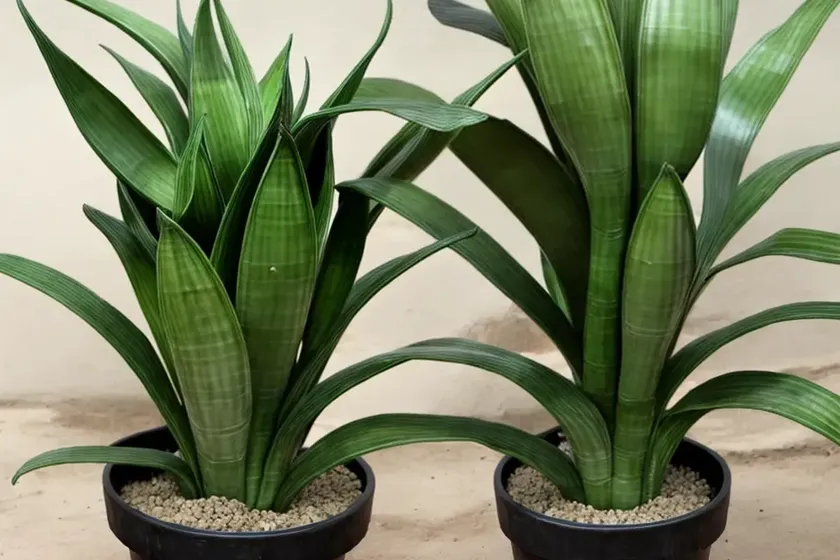
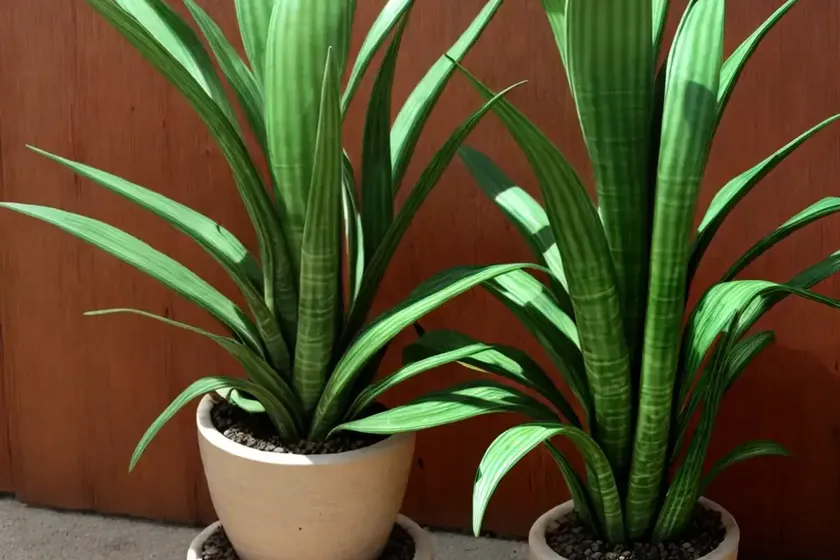
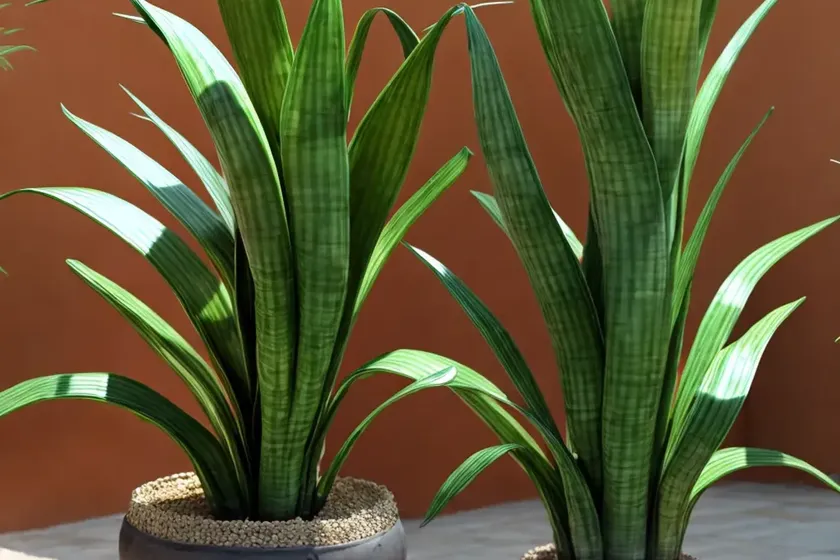
Sansevieria Moonshine, also known as Snake Plant or Mother-in-Law’s Tongue, is a popular indoor plant due to its low maintenance and air-purifying properties. In this comprehensive guide, we will explore the various aspects of this stunning plant, including its culture, uses, care requirements, propagation methods, and common diseases and pests, along with botanist’s tips and fun facts.
What Is Sansevieria Moonshine?
Sansevieria Moonshine is a stunning succulent plant with silvery-green, upright leaves that gracefully point upwards. This plant is a cultivar of the Sansevieria species, known for its tolerance to a variety of growing conditions and minimal care requirements. Its distinctive foliage and air-purifying capabilities make it a popular choice for both seasoned and novice plant enthusiasts.
Key Takeaways
Before delving into the details of caring for Sansevieria Moonshine, let’s briefly outline the key takeaways that will be discussed in this guide:
- Culture: Understanding the natural habitat and growth tendencies of Sansevieria Moonshine.
- Uses: Exploring the functional and aesthetic uses of the plant.
- Water: Learning about the optimal watering practices for this succulent.
- Sunlight: Understanding its light requirements for healthy growth.
- Fertilizer: Identifying the appropriate feeding regimen for Sansevieria Moonshine.
- Soil: Discussing the ideal soil composition for this plant.
- Pruning: Addressing the necessity and techniques for pruning Sansevieria Moonshine.
- Propagation: Exploring the methods of creating new plants from existing ones.
- Container: Selecting suitable pots and containers for optimal growth.
- Popularity: Understanding why Sansevieria Moonshine is a sought-after plant.
- Common Diseases: Identifying potential health issues and their solutions.
- Common Pests: Addressing prevalent pest problems and management strategies.
- Botanist’s Tips: Insights and recommendations from botanical experts.
- Fun Facts: Discovering intriguing and lesser-known aspects of this plant.
- External Resources: Accessing additional information and expertise beyond this guide.
Now, let’s delve into the intricacies of caring for and nurturing Sansevieria Moonshine.
Culture
Understanding the natural habitat and cultural requirements of a plant is crucial for ensuring its optimal growth and well-being. Sansevieria Moonshine is native to tropical regions of Africa and thrives in arid environments. Here are some essential cultural considerations for this plant:
- Origin: Sansevieria Moonshine is a cultivar of the Sansevieria genus, which belongs to the Asparagaceae family. Its origin can be traced back to regions in Africa, including Nigeria and the Congo.
- Habitat: In its natural habitat, Sansevieria Moonshine grows in dry, rocky terrain and is well-adapted to arid conditions. It is often found in savannas and other semi-arid regions.
- Growth Habit: The plant exhibits a clumping growth habit, with its leaves emerging from a central base and gradually arching upward. Its upright foliage forms an elegant rosette, adding a touch of sophistication to any space.
Uses
Sansevieria Moonshine is valued for a variety of functional and aesthetic purposes, making it a versatile addition to indoor and outdoor settings. Here are some common uses of this striking plant:
- Air Purification: Like other members of the Sansevieria family, Sansevieria Moonshine is an exceptional air purifier, capable of removing toxins such as formaldehyde, benzene, and trichloroethylene from the air.
- Décor: Its distinct, silvery-green leaves make Sansevieria Moonshine an attractive ornamental plant, lending a contemporary and stylish touch to interior spaces.
- Feng Shui: In Feng Shui, the vertical shape and upward growth of Sansevieria Moonshine are believed to promote positive energy, making it a popular choice for balancing and harmonizing spaces.
- Gifts: Due to its resilience and symbolism of good fortune and prosperity, Sansevieria Moonshine is often given as a gift for housewarmings, birthdays, and other celebratory occasions.
Water
Proper watering is essential for maintaining the health and vigor of Sansevieria Moonshine. As a succulent plant, it has specific water requirements that contribute to its overall well-being. Consider the following guidelines for watering your Sansevieria Moonshine:
- Moderation is Key: Sansevieria Moonshine is susceptible to root rot if overwatered. Therefore, it is crucial to allow the soil to dry out between waterings. Typically, watering once every 2-4 weeks is sufficient, but this frequency may vary based on environmental conditions.
- Watering Technique: When watering your plant, drench the soil thoroughly and allow any excess water to drain from the pot. Avoid letting the plant sit in standing water, as this can lead to root rot and other physiological issues.
- Winter Watering: During the winter months when the plant’s growth slows down, reduce the frequency of watering to prevent waterlogging the soil.
It’s important to remember that the specific watering needs of Sansevieria Moonshine depend on factors such as the ambient humidity, temperature, and the composition of the growing medium. Always check the moisture levels of the soil before reaching for the watering can.
Sunlight
Sansevieria Moonshine exhibits a moderate to high tolerance for a wide range of light conditions, making it adaptable to various indoor environments. Here’s what you need to know about providing suitable sunlight for your Sansevieria Moonshine:
- Indoor Light: This plant thrives in bright, indirect light but can also tolerate low light conditions. It is best to place it near a window that receives ample natural light, but direct sunlight should be filtered to prevent leaf scorching.
- Outdoor Light: If grown outdoors, Sansevieria Moonshine performs well in partial shade to full sun, making it a versatile choice for patio gardens and landscapes.
Ensuring that your plant receives adequate light is crucial for promoting healthy growth and maintaining its striking foliage coloration. However, it’s important to avoid placing Sansevieria Moonshine in intense, direct sunlight for prolonged periods, as this can cause leaf damage.
Fertilizer
While Sansevieria Moonshine is relatively low-maintenance, providing appropriate nutrients can enhance its growth and vibrancy. Here are some key considerations for fertilizing your Sansevieria Moonshine:
- Frequency: During the active growing season, which typically extends from spring to early fall, feed your plant with a balanced, diluted fertilizer solution once every 4-6 weeks.
- Dilution: To prevent fertilizer burn, dilute the fertilizer to half or a quarter of the recommended strength, as Sansevieria Moonshine is not heavy feeder.
- Winter Feeding: In the winter months, when the plant’s growth slows down, reduce or suspend fertilization to align with its natural growth cycle.
When selecting a fertilizer for your Sansevieria Moonshine, opt for a well-balanced, water-soluble formula designed for indoor plants. Always follow the manufacturer’s instructions and avoid over-fertilizing, as this can lead to nutrient toxicity and potential damage to the plant.
Soil
Choosing the right growing medium is crucial for the overall health and vitality of Sansevieria Moonshine. Here are some important considerations for selecting and preparing the ideal soil for this plant:
- Well-Draining Mix: Sansevieria Moonshine requires a well-draining, porous soil mix that prevents waterlogging and facilitates air circulation around the roots.
- Soil Components: A combination of potting soil, coarse sand, and perlite or vermiculite provides an excellent blend for Sansevieria Moonshine. This mix offers both moisture retention and adequate drainage, promoting healthy root growth.
- Matching pH: The soil pH for Sansevieria Moonshine should ideally be slightly acidic to neutral, ranging between 6.0 and 7.0. Testing the pH of the soil can help ensure an optimal growing environment for the plant.
Maintaining proper soil conditions is essential for preventing root rot and other moisture-related issues. Periodically inspect the soil for compaction and adjust the growing medium as needed to ensure the plant’s well-being.
Pruning
Pruning is a beneficial practice for maintaining the appearance and health of Sansevieria Moonshine. While this plant generally requires minimal pruning, occasionally removing spent or discolored leaves can promote new growth and tidiness. Here are some tips for pruning your Sansevieria Moonshine:
- Pruning Tools: Use clean, sharp scissors or pruning shears to trim unhealthy or damaged leaves. Disinfect the tools before and after use to prevent the spread of pathogens.
- Symptom-Based Pruning: Trim yellowing, withered, or blemished leaves at their base to encourage fresh foliage growth. Always remove dead or decaying plant material promptly to prevent potential disease spread.
- Aesthetic Pruning: If desired, you can selectively prune the outer leaves to maintain a compact, tidy appearance. However, avoid removing too many healthy leaves, as this can stress the plant.
Regularly inspect your Sansevieria Moonshine for any signs of leaf damage, pest infestations, or disease, and address any issues through appropriate pruning techniques.
Propagation
Expanding your collection of Sansevieria Moonshine or sharing its beauty with friends and family is possible through propagation. The following methods can be utilized for propagating this plant:
- Rhizome Division: Sansevieria Moonshine can be propagated through rhizome division, a process that involves separating the rhizomes or underground stems with at least one leaf attached and replanting them in a new container. This method is best performed during the spring or summer when the plant is actively growing.
- Leaf Cuttings: Another propagation method involves taking leaf cuttings from healthy, mature leaves and allowing the cut ends to callus for a few days before planting them in a well-draining potting mix. Leaf cuttings typically root and develop into new plants within a few weeks to a couple of months.
Propagation allows you to create new plants while rejuvenating the parent plant. Ensure that the new cuttings or divisions are planted in suitable growing conditions and provided with proper care to facilitate successful establishment.
Container
Selecting the right container for Sansevieria Moonshine is essential for promoting healthy growth and stability. Consider the following factors when choosing a container for your plant:
- Size: Choose a container that provides ample room for the plant’s rhizomes to spread and sustain its upright growth habit. It’s essential to avoid an excessively large or oversized container, as this can lead to soil moisture retention and potential root rot.
- Drainage: Opt for a container with drainage holes at the bottom to prevent water from accumulating in the soil. Adequate drainage is crucial for preventing waterlogged conditions that can compromise the plant’s health.
- Material: Containers made of materials such as terracotta, ceramic, or plastic are suitable for Sansevieria Moonshine. Each material offers unique benefits in terms of moisture retention, insulation, and aesthetic appeal.
- Upgrading: As the plant grows, it may need to be repotted into a slightly larger container to accommodate its expanding root system. Repotting is typically recommended every 2-3 years or as needed.
Proper container selection and maintenance are essential for creating an optimal growing environment for Sansevieria Moonshine. Regularly inspect the container for signs of wear, drainage obstruction, or root congestion and make adjustments as necessary.
Popularity
Sansevieria Moonshine has garnered significant popularity among plant enthusiasts and interior decorators due to its unique characteristics and adaptability. Some key factors contributing to its appeal include:
- Low Maintenance: Sansevieria Moonshine’s resilience and minimal care requirements make it a hassle-free option for busy individuals or those new to plant care.
- Air-Purifying Qualities: Its ability to purify indoor air by removing harmful toxins enhances its appeal as a functional and health-promoting plant.
- Aesthetic Value: The striking appearance of Sansevieria Moonshine, characterized by its silvery-green, upright leaves, makes it a captivating addition to contemporary and modern spaces.
- Symbolism: In various cultures, Sansevieria Moonshine is associated with positive symbolism, including good fortune, resilience, and prosperity, further adding to its allure.
As the demand for low-maintenance, visually appealing plants continues to grow, Sansevieria Moonshine remains a sought-after choice for enhancing indoor environments.
Common Diseases
While Sansevieria Moonshine is generally resilient against pests and diseases, it can be susceptible to certain health issues under unfavorable conditions. Understanding these common diseases and their remedies is essential for safeguarding the plant’s well-being. Some prevalent diseases that may affect Sansevieria Moonshine include:
- Root Rot: Overwatering or poorly-draining soil can lead to root rot, characterized by mushy, discolored roots and wilted foliage. To address this issue, reduce watering frequency, improve soil drainage, and consider repotting the plant in a well-draining mix.
- Leaf Spot: Fungal pathogens can cause dark, water-soaked lesions on the leaves, often leading to leaf yellowing and defoliation. To manage leaf spot, ensure proper ventilation around the plant, avoid overhead watering, and apply fungicidal treatments if necessary.
Regularly inspect your Sansevieria Moonshine for any signs of disease, and promptly implement appropriate measures to prevent the spread of pathogens and promote recovery.
Disease Diagnosis
Diagnosing and addressing diseases in Sansevieria Moonshine involves careful observation, proactive management, and timely intervention. Here are some diagnostic tips and strategies for managing diseases in this plant:
- Symptom Recognition: Learn to recognize common symptoms of diseases, such as leaf discoloration, wilting, and abnormal growth patterns, which can indicate underlying health issues.
- Holistic Assessment: Consider the plant’s overall growing conditions, including light exposure, watering practices, and humidity levels, to identify potential stressors or risk factors for disease development.
- Isolation and Treatment: If a disease is suspected, consider isolating the affected plant to prevent further spread and applying targeted treatments, such as fungicides or soil drenches, under the guidance of a plant care expert.
In cases of severe or persistent disease issues, consulting with a professional horticulturist or plant pathologist can provide valuable insights and tailored solutions for restoring the plant’s health.
Common Pests
While Sansevieria Moonshine is relatively resistant to pest infestations, certain insects and mites can occasionally pose a threat to its well-being. Understanding these common pests and implementing effective control measures is essential for preserving the plant’s vitality. Some pests that may affect Sansevieria Moonshine include:
- Spider Mites: These tiny arachnids can cause stippling, webbing, and general decline in plant health. Regularly inspect the undersides of leaves for mite activity and use horticultural oils or insecticidal soaps to manage infestations.
- Mealybugs: Mealybugs are soft-bodied insects that feed on plant sap, leading to stunted growth and honeydew secretion. Control mealybug populations by physically removing them from the plant and applying natural or chemical insecticides if needed.
Vigilance and prompt action are crucial for preventing pest populations from reaching damaging levels. Regularly monitoring the plant for signs of pest activity and implementing integrated pest management strategies can help maintain its health and vigor.
Botanist’s Tips
Drawing insights from botanical experts and horticulturists can provide invaluable guidance for successfully caring for Sansevieria Moonshine. Here are some tips from botanists to enhance the cultivation and maintenance of this plant:
- Adequate Drainage: Ensure that the plant’s container has sufficient drainage holes to prevent waterlogging, as excessive moisture can lead to root rot and other moisture-related issues.
- Balanced Light: Strive to provide a balanced light environment for Sansevieria Moonshine, avoiding prolonged exposure to intense, direct sunlight and extremely low light conditions.
- Minimal Watering: Emphasize the importance of allowing the soil to dry out between waterings, especially during the plant’s dormancy period in the winter.
- Regular Inspection: Encourage plant caregivers to regularly inspect the foliage, soil, and container for any signs of pests, diseases, or environmental stressors, taking proactive measures as needed.
Incorporating these tips into your plant care routine can contribute to the long-term health and vibrancy of Sansevieria Moonshine.
Fun Facts
Uncover intriguing and fascinating aspects of Sansevieria Moonshine with these fun facts about the plant:
- NASA Connection: Sansevieria Moonshine is one of the plants featured in NASA’s Clean Air Study, highlighting its exceptional air-purifying capabilities and suitability for enhancing indoor air quality.
- Edible Flowers: While primarily grown as an ornamental plant, certain Sansevieria species produce edible flowers and rhizomes in their natural habitats, serving as a food source in some cultures.
- Long Lifespan: Sansevieria Moonshine is renowned for its longevity, often thriving and maintaining its ornamental appeal for many years under proper care.
- Mythological Ties: In certain traditions and folklore, Sansevieria species are associated with protective and cleansing properties, making them symbolic in spiritual and superstitious practices.
These fun facts add depth and character to the remarkable attributes of Sansevieria Moonshine, unveiling the plant’s significance beyond its ornamental value.
Links to External Resources
For additional information and insights on Sansevieria Moonshine, consider exploring the following external resources:
- Royal Horticultural Society (RHS) – Sansevieria Moonshine Care Guide
- University of Florida IFAS Extension – Snake Plant (Sansevieria trifasciata) Care and Growing Guide
- Gardening Know How – Sansevieria Moonshine: Caring for Moonshine Snake Plant
These reputable sources provide in-depth care guides, cultivation tips, and expert recommendations for cultivating and nurturing Sansevieria Moonshine, offering valuable insights for plant enthusiasts and horticulturalists alike.
In conclusion, Sansevieria Moonshine is a captivating and resilient plant that enhances both indoor and outdoor environments with its striking foliage and air-purifying properties. By following the guidelines and recommendations outlined in this comprehensive guide, plant enthusiasts can cultivate and care for Sansevieria Moonshine with confidence, ensuring its continued health, vigor, and ornamental appeal.