Sansevieria Cylindrica (Sansevieria Cylindrica)
In the world of indoor plants, Sansevieria cylindrica is a staple. Known for its striking cylindrical leaves and remarkable adaptability, this plant has.
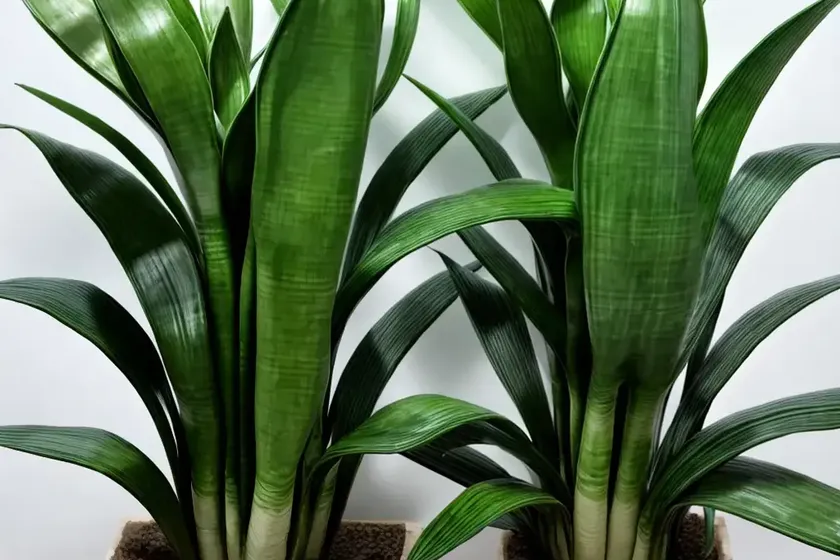
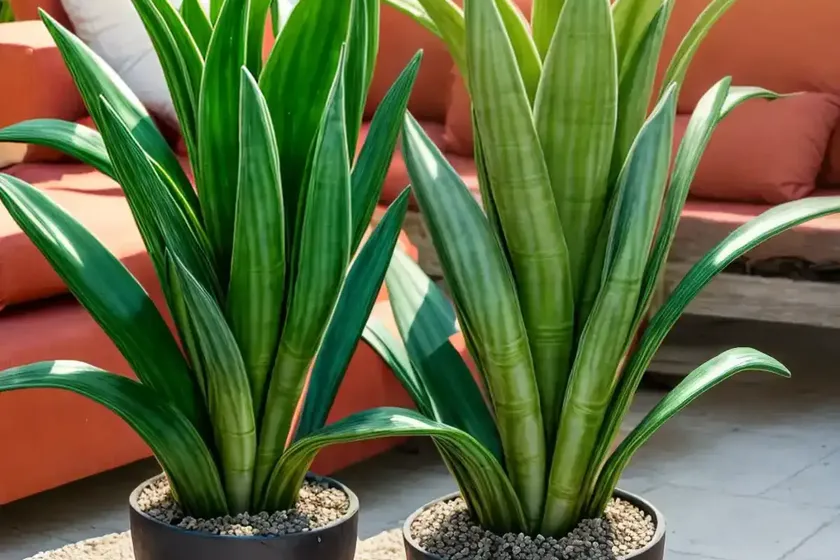
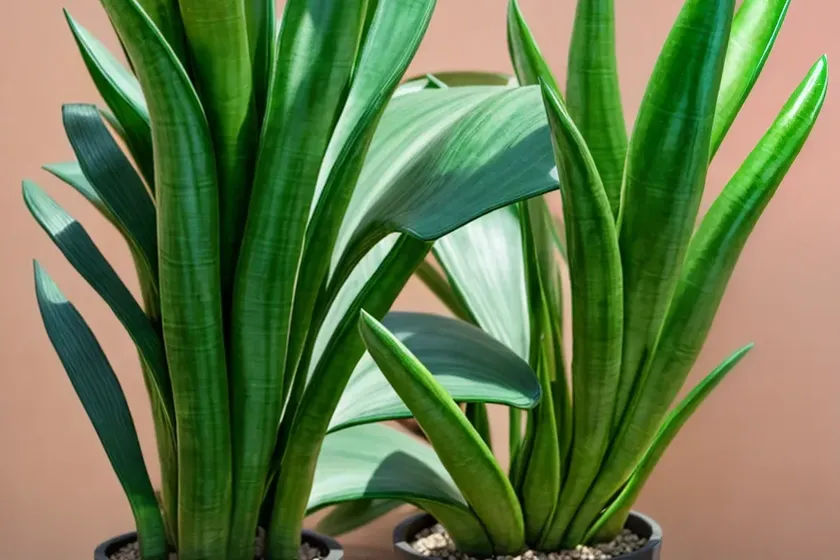
In the world of indoor plants, Sansevieria cylindrica is a staple. Known for its striking cylindrical leaves and remarkable adaptability, this plant has gained popularity among plant enthusiasts and interior decorators. In this comprehensive guide, we will delve into the intricacies of Sansevieria cylindrica, exploring its cultural requirements, uses, propagation, common diseases, and much more.
What is Sansevieria Cylindrica (Sansevieria cylindrica)?
Sansevieria cylindrica, also known as cylindrical snake plant, is a species of flowering plant in the family Asparagaceae. It is native to Angola and is characterized by its long, cylindrical, vertically growing leaves that can reach up to several feet in height. The plant is well-regarded for its air-purifying qualities and low maintenance requirements, making it a popular choice for both indoor and outdoor settings.
Key Takeaways – Sansevieria Cylindrica (Sansevieria cylindrica)
Before we delve into the specifics of Sansevieria cylindrica care, it’s essential to highlight some key takeaways about this plant:
- Sansevieria cylindrica is known for its striking cylindrical leaves and is often referred to as the cylindrical snake plant.
- It is a low-maintenance plant, making it ideal for beginners and individuals with a busy lifestyle.
- This plant is revered for its air-purifying abilities, helping to improve indoor air quality.
- Sansevieria cylindrica can be propagated through various methods, making it an excellent choice for those interested in plant propagation.
- The plant is adaptable to a variety of light conditions and is well-suited for different environments.
Now that we have an overview of this unique plant let’s dive into the specific aspects of caring for Sansevieria cylindrica.
Culture
Sansevieria cylindrica is a versatile plant that can thrive in a variety of cultural settings. Whether placed indoors or outdoors, this plant is relatively low-maintenance, making it an ideal choice for both experienced and novice plant enthusiasts.
Uses
The uses of Sansevieria cylindrica extend beyond its aesthetic appeal. This plant offers several practical benefits, including:
- Air Purification: Sansevieria cylindrica is known for its air-purifying qualities, making it an excellent addition to indoor spaces.
- Decorative Purposes: The unique appearance of the cylindrical snake plant makes it a popular choice for interior decoration, adding a touch of elegance to any setting.
- Low-Maintenance Greenery: Due to its minimal care requirements, Sansevieria cylindrica is favored by individuals seeking low-maintenance plant options for their homes or offices.
Water
Proper watering is crucial for the health of Sansevieria cylindrica. As with most succulent plants, overwatering can lead to root rot, while underwatering can cause the leaves to become shriveled and dry. Finding the right balance is key to maintaining a healthy plant.
Sansevieria cylindrica requires infrequent watering, and the soil should be allowed to dry out between waterings. During the growing season, which typically spans spring and summer, the plant may require more frequent watering, while in the dormant winter months, watering should be reduced.
Sansevieria Cylindrica Watering Tips:
- Water sparingly and allow the soil to dry out between waterings.
- Use a well-draining potting mix to prevent waterlogging.
- Adjust watering frequency based on the plant’s growth stage and environmental conditions.
Sunlight
Sansevieria cylindrica is renowned for its ability to tolerate a wide range of light conditions, making it suitable for various indoor environments. While the plant can adapt to low light, it thrives in bright, indirect light. Direct sunlight should be avoided, as it can scorch the leaves.
Sansevieria Cylindrica Light Requirements:
- Place the plant in bright, indirect light for optimal growth.
- Avoid direct sunlight, as it can cause damage to the leaves.
- Sansevieria cylindrica can tolerate low light conditions, but its growth may slow down.
Fertilizer
Fertilizing Sansevieria cylindrica is not an intricate process, as this plant is not particularly demanding when it comes to nutrient requirements. A balanced, all-purpose fertilizer can be applied during the growing season to support the plant’s growth.
Sansevieria Cylindrica Fertilizing Tips:
- Use a balanced, all-purpose fertilizer diluted to half strength.
- Fertilize sparingly, typically once a month during the growing season.
- Avoid over-fertilization, as it can lead to salt buildup in the soil.
Soil
The choice of soil is crucial for the successful cultivation of Sansevieria cylindrica. A well-draining potting mix is essential to prevent waterlogging, which can be detrimental to the plant’s health.
Best Soil for Sansevieria Cylindrica:
- Use a well-draining cactus or succulent potting mix to promote healthy root growth.
- Incorporate perlite or coarse sand to enhance the soil’s drainage capabilities.
- Avoid heavy, moisture-retentive soils, as they can lead to root rot.
Pruning
Pruning Sansevieria cylindrica is minimal, as the plant has a natural tendency to maintain its shape and height. However, occasional pruning may be necessary to remove discolored or damaged leaves, promoting overall plant health and aesthetics.
Sansevieria Cylindrica Pruning Tips:
- Use clean, sharp scissors or pruning shears to trim discolored or damaged leaves.
- Remove any withered or yellowing leaves to maintain the plant’s vitality.
- Prune with care, ensuring not to damage the healthy growth of the plant.
Propagation
Sansevieria cylindrica can be propagated through various methods, including leaf cuttings, division, and rhizome division. This plant’s propensity for propagation makes it an attractive choice for individuals interested in expanding their plant collection.
Sansevieria Cylindrica Propagation Methods:
- Leaf Cuttings: Propagate new plants by rooting leaf cuttings in a well-draining propagation medium.
- Division: Divide the rhizomes of mature plants to create new individual specimens.
- Rhizome Division: Separate and plant the rhizomes of an established plant to encourage new growth.
Container Popularity
Sansevieria cylindrica is often cultivated in containers, making it a popular choice for indoor plant enthusiasts. The cylindrical shape of its leaves adds a distinctive touch to any container, serving as a captivating centerpiece or accent plant.
Sansevieria Cylindrica Container Common Uses:
- Indoor Plant Décor: Enhance indoor spaces with the striking appearance of Sansevieria cylindrica planted in decorative containers.
- Office Greenery: Add a touch of greenery to office settings by showcasing Sansevieria cylindrica in stylish containers.
- Centerpiece Planting: Utilize the unique shape and form of the plant to create visually captivating container arrangements.
Common Diseases
While Sansevieria cylindrica is relatively resistant to pests and diseases, it is not entirely immune. Understanding the common diseases that can affect this plant is essential in maintaining its health and ensuring proper care.
Sansevieria Cylindrica Disease Diagnosis:
- Root Rot: Caused by overwatering and waterlogged soil, leading to root decay and plant decline.
- Leaf Spot: Fungal infection resulting in dark, water-soaked spots on the leaves, often due to excessive moisture.
- Mealybugs and Spider Mites: Common pests that can infest Sansevieria cylindrica, leading to damage and decline if left unchecked.
Common Pests
Sansevieria cylindrica is relatively resistant to pests, but it can still fall victim to infestations by common houseplant pests, including mealybugs, spider mites, and scales.
Sansevieria Cylindrica Pest Control:
- Inspect the plant regularly for signs of pest infestation, including webbing, discoloration, and visible insects.
- Treat infestations promptly using natural or commercial insecticidal soaps, ensuring thorough coverage of the affected areas.
- Isolate affected plants to prevent the spread of pests to other nearby specimens.
Botanist’s Tips
Botanists and plant enthusiasts have discovered a plethora of tips and tricks for cultivating and caring for Sansevieria cylindrica. These insights can help maximize the plant’s growth and health.
Sansevieria Cylindrica Care and Maintenance:
- Allow the soil to dry out between waterings to prevent root rot and promote healthy root development.
- Provide indirect sunlight to encourage robust growth while avoiding the risk of leaf scorching.
- Utilize propagation methods to expand your plant collection and share the beauty of Sansevieria cylindrica with others.
Fun Facts
Uncover fascinating and little-known facts about Sansevieria cylindrica. These insights provide a deeper understanding of the plant’s characteristics and unique attributes.
Sansevieria Cylindrica Fun Facts:
- Sansevieria cylindrica is also known by the common names African spear, cylindrical snake plant, and spear sansevieria.
- The plant’s cylindrical leaves can grow to impressive heights, making it a captivating centerpiece in any indoor space.
- Sansevieria cylindrica is revered for its air-purifying abilities, helping to improve the quality of indoor air.
Links to External Resources
For further information on Sansevieria cylindrica care, propagation, and cultivation, consider exploring the following external resources:
- The Ultimate Guide to Sansevieria Cylindrica Care by The Spruce
- Sansevieria Cylindrica: Caring for the African Spear Plant by Houseplant Central
- Growing Sansevierias by the University of Florida IFAS Extension
In conclusion, Sansevieria cylindrica, with its unique cylindrical leaves and adaptable nature, has secured a position of prominence in the realm of indoor plants. Whether used for air purification, decorative purposes, or simply as a low-maintenance green companion, this plant offers an array of benefits to plant enthusiasts. With proper care and attention to its specific cultural requirements, Sansevieria cylindrica can thrive and adorn indoor spaces with its captivating presence.
As we continue to explore the vast and diverse world of plants, the allure of Sansevieria cylindrica serves as a testament to the enduring charm and appeal of nature’s botanical wonders.
References
- https://www.thespruce.com/sansevieria-cylindrica-sansevieria-4179848
- https://houseplantcentral.com/sansevieria-cylindrica/
- https://edis.ifas.ufl.edu/publication/fp334