Sansevieria Bacularis ‘Mikado’ (Sansevieria Bacularis)
Sansevieria Bacularis ‘Mikado’, also known as Sansevieria bacularis, is a striking, low-maintenance plant with long, sword-shaped leaves. This resilient.
Sansevieria Bacularis ‘Mikado’, also known as Sansevieria bacularis, is a striking, low-maintenance plant with long, sword-shaped leaves. This resilient plant is relatively easy to care for and adds an elegant touch to both indoor and outdoor spaces. In this comprehensive guide, we’ll explore the cultural significance, uses, and care requirements of Sansevieria Bacularis ‘Mikado’, including its water, sunlight, fertilizer, soil, pruning, propagation, common diseases, and pests. Whether you’re a seasoned plant enthusiast or a beginner, this guide will provide you with all the essential information you need to cultivate and maintain a thriving Sansevieria Bacularis ‘Mikado’.
What is Sansevieria Bacularis ‘Mikado’?
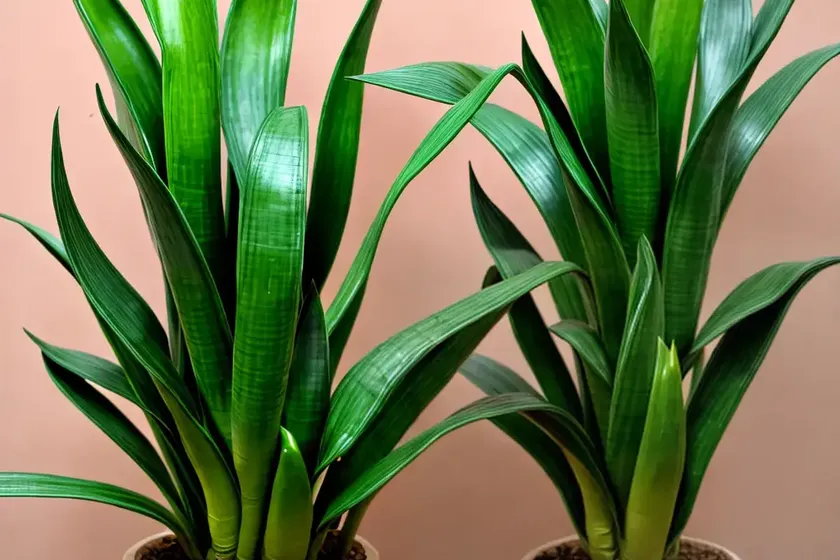
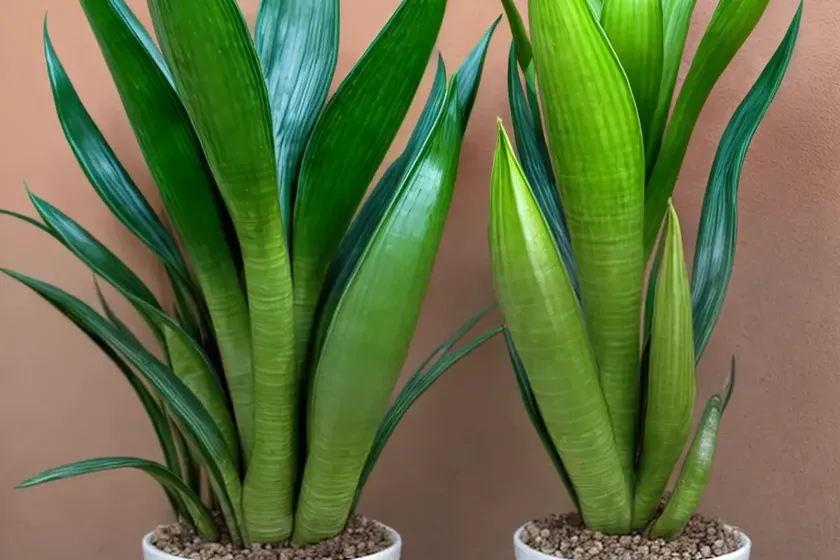
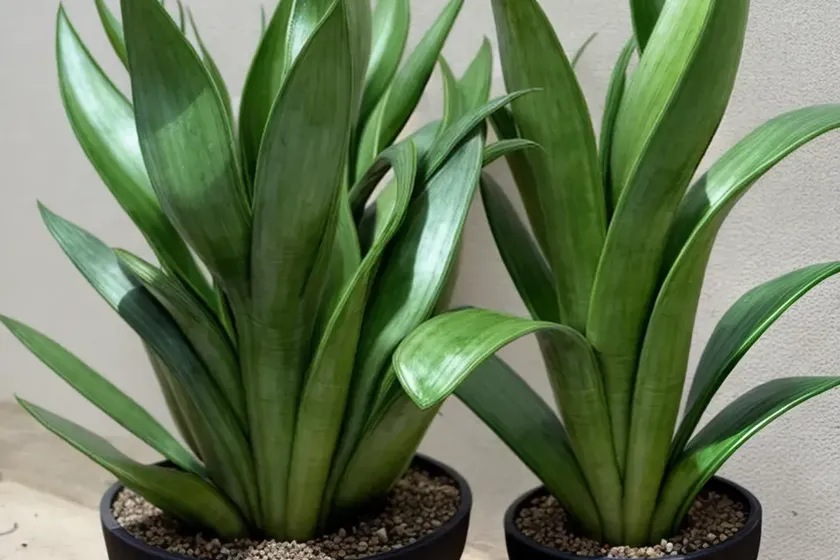
Sansevieria Bacularis ‘Mikado’ is a species of snake plant, belonging to the genus Sansevieria within the Asparagaceae family. It is characterized by its long, cylindrical, and upright leaves, which give the plant a distinctive architectural presence. The leaves are typically dark green in color, with subtle variegation along the edges, adding to its aesthetic appeal. Sansevieria Bacularis ‘Mikado’ is native to regions of West Africa, where it thrives in arid and semi-arid environments, making it well-suited for drier conditions and limited watering.
Key Takeaways – Sansevieria Bacularis ‘Mikado’ (Sansevieria bacularis)
Before we delve into the specific care requirements of Sansevieria Bacularis ‘Mikado’, let’s outline some key takeaways to provide a quick overview of the plant’s characteristics and needs.
- Scientific Name: Sansevieria bacularis ‘Mikado’
- Common Name: Mikado Snake Plant
- Family: Asparagaceae
- Origin: West Africa
- Foliage: Sword-shaped, dark green leaves with a cylindrical structure
- Growth Habit: Upright and architectural
- Uses: Indoor and outdoor ornamental plant, air purifier
- Care Level: Low maintenance
- Special Features: Drought-tolerant, pest-resistant
- Toxicity: Mildly toxic to pets if ingested
- Propagation: Rhizome division, leaf cuttings
With these key takeaways in mind, let’s explore the detailed cultural requirements, care tips, and other essential aspects of cultivating Sansevieria Bacularis ‘Mikado’.
Culture
Uses
Sansevieria Bacularis ‘Mikado’ is primarily cultivated for ornamental purposes due to its striking appearance and ease of care. It is often used in both indoor and outdoor landscaping to add a touch of architectural elegance to the surroundings. The plant’s upright growth habit and dark green foliage make it a popular choice for contemporary and minimalist interior design styles. Additionally, Sansevieria Bacularis ‘Mikado’ is valued for its air-purifying qualities, making it a beneficial addition to indoor spaces.
Water
One of the defining features of Sansevieria Bacularis ‘Mikado’ is its ability to thrive in dry conditions. As such, it is essential to exercise caution when watering this plant, as overwatering can lead to root rot and other moisture-related issues.
Watering Schedule
- Frequency: Water Sansevieria Bacularis ‘Mikado’ sparingly, allowing the soil to dry out almost completely between waterings.
- Moisture Level: The plant prefers slightly dry conditions and is more tolerant of underwatering than overwatering.
- Seasonal Variation: Adjust the watering frequency according to the season, reducing the amount of water during the plant’s dormant period in winter.
Sunlight
Sansevieria Bacularis ‘Mikado’ thrives in a variety of light conditions, making it a versatile option for different environments. While the plant can tolerate low light, it will flourish and display its best growth and coloration in bright, indirect light.
Light Requirements
- Indoor Placement: Position the plant near a window or in a location where it can receive indirect sunlight for a significant portion of the day.
- Outdoor Placement: In outdoor settings, place Sansevieria Bacularis ‘Mikado’ in partially shaded areas to prevent prolonged exposure to intense sunlight, which can cause leaf scorching.
Fertilizer
To promote healthy growth and maintain the plant’s vigor, it is advisable to provide occasional fertilization to Sansevieria Bacularis ‘Mikado’. However, this should be done sparingly to prevent overfeeding and potential damage to the plant.
Feeding Guidelines
- Frequency: Fertilize the plant once every 2-3 months during the growing season, typically from spring through early fall.
- Dilution: Use a balanced, water-soluble fertilizer diluted to half or quarter strength to avoid fertilizer buildup in the soil.
- Application Method: Apply the diluted fertilizer to the soil around the base of the plant, ensuring that it is evenly distributed.
Soil
Selecting the right type of soil is crucial for the healthy development of Sansevieria Bacularis ‘Mikado’. The ideal soil should provide adequate drainage while retaining some moisture to support the plant’s growth.
Soil Requirements
- Well-draining Mix: Choose a well-draining potting mix, such as a blend of cactus or succulent soil, supplemented with perlite or coarse sand to improve drainage.
- Aeration: The soil should be light and airy to facilitate air circulation around the roots and prevent waterlogging.
- pH Level: Sansevieria Bacularis ‘Mikado’ thrives in slightly acidic to neutral soil, with a pH range of 6.0-7.0.
Pruning
Pruning is generally minimal for Sansevieria Bacularis ‘Mikado’, as the plant maintains its upright growth habit without extensive branching or foliage spread. However, occasional maintenance pruning may be necessary to remove damaged or yellowing leaves and to maintain the plant’s overall appearance.
Pruning Guidelines
- Sanitation: Use clean, sharp scissors or pruning shears to trim discolored or dying leaves, cutting them off at the base where they emerge from the soil.
- Dead Leaf Removal: Regularly inspect the plant for any dead or wilted leaves and remove them promptly to maintain the plant’s aesthetics.
Propagation
Sansevieria Bacularis ‘Mikado’ can be propagated through division or leaf cuttings, offering an opportunity to expand a plant collection or share the joy of growing these beautiful specimens with others.
Propagation Methods
Division
- Process: Carefully separate the rhizomes when repotting an established plant, ensuring that each division has a viable root system and at least one growing point.
- Replanting: Place the divided sections in individual pots with well-draining soil and provide the same care as mature plants.
Leaf Cuttings
- Leaf Selection: Choose healthy, mature leaves and cut them into sections approximately 2-3 inches in length.
- Rooting Medium: Place the leaf cuttings in a moist rooting medium, such as a mixture of perlite and peat moss, and keep them in a warm, bright location.
- Root Development: Over time, the leaf cuttings will produce roots and eventually develop into new plants.
Container
When selecting a container for Sansevieria Bacularis ‘Mikado’, it is essential to consider the plant’s growth habits, root system, and the overall aesthetics of the chosen vessel. Additionally, choosing a suitable container can impact the plant’s health and longevity.
Pot Selection
- Material: Opt for containers made of porous materials, such as terracotta or clay, to promote better airflow to the roots and prevent waterlogging.
- Size: Choose a container that is proportionate to the size of the plant, providing ample space for the roots to expand without being excessively large.
Popularity
Sansevieria Bacularis ‘Mikado’ has gained popularity among plant enthusiasts and interior designers for its unique appearance and low-maintenance nature. Its architectural form and striking foliage make it a versatile addition to a variety of design styles, from modern and contemporary to minimalist and bohemian.
Common Uses
- Indoor Decor: Sansevieria Bacularis ‘Mikado’ is commonly used as a decorative accent in interior spaces, adding a touch of greenery and visual interest.
- Office Environments: The plant’s ability to thrive in low light and tolerate irregular watering makes it a popular choice for office settings and commercial spaces.
- Landscaping: In outdoor landscapes, Sansevieria Bacularis ‘Mikado’ is often used in mass plantings, containers, and border areas to create visual impact.
Common Diseases
While Sansevieria Bacularis ‘Mikado’ is known for its resilience, it is not immune to certain diseases and environmental stressors. Understanding potential issues and implementing preventive measures can help maintain the plant’s health and appearance.
Disease Diagnosis
- Root Rot: Overwatering and poorly draining soil can lead to root rot, characterized by mushy, discolored roots and wilting foliage.
- Leaf Spot: Fungal leaf spot diseases may manifest as discolored, water-soaked lesions on the foliage, potentially leading to leaf yellowing and defoliation.
Common Pests
Sansevieria Bacularis ‘Mikado’ is relatively resistant to pests, but occasional infestations can occur, particularly in indoor environments or during periods of stress. Recognizing signs of pest presence and promptly addressing the issue is crucial for maintaining the plant’s health.
Pest Control
- Spider Mites: These tiny pests may cause stippling and webbing on the foliage. Use a strong blast of water or insecticidal soap to control infestations.
- Mealybugs: Inspect the plant regularly for cottony white masses on the leaves and stems, and treat infested areas with alcohol-soaked cotton swabs or neem oil.
Botanist’s Tips
Environmental Considerations
- Sansevieria Bacularis ‘Mikado’ is well-suited to indoor environments due to its ability to thrive in low light and tolerate fluctuating humidity levels.
- In outdoor settings, the plant can be used in xeriscaping projects and arid landscaping schemes, adding visual interest to gardens and patio spaces.
Growth Patterns
- The growth pattern of Sansevieria Bacularis ‘Mikado’ is slow and steady, with new leaves emerging from the center of the plant and gradually unfurling to their full length.
- The plant has a clumping habit, forming dense clusters of leaves as it matures, creating a striking display of foliage.
Fun Facts
- Sansevieria Bacularis ‘Mikado’ is commonly referred to as the “snake plant” due to the serpent-like appearance of its leaves.
- The plant’s ability to purify indoor air by removing toxins and producing oxygen makes it a popular choice for improving indoor air quality.
- In some cultures, Sansevieria species are believed to bring good luck and positive energy to the spaces they inhabit.
Links to External Resources
For additional information and resources related to Sansevieria Bacularis ‘Mikado’ care and cultivation, consider exploring the following links:
- Sansevieria Bacularis Care Guide – Comprehensive guidelines for caring for Sansevieria Bacularis ‘Mikado’ and other related species.
- Propagation Techniques for Sansevieria Mikado – Detailed instructions on propagating Sansevieria Bacularis ‘Mikado’ through division and leaf cuttings.
- Best Practices for Snake Plant Care – Expert tips and recommendations for optimizing the health and growth of Sansevieria Bacularis ‘Mikado’ and other snake plant varieties.
In conclusion, Sansevieria Bacularis ‘Mikado’ is a captivating and resilient plant that offers both aesthetic and practical benefits to indoor and outdoor spaces. By understanding its cultural needs, implementing proper care techniques, and being attentive to potential issues, you can enjoy the beauty of this striking plant in your own home or garden.
Whether you’re a gardening enthusiast, a plant collector, or someone looking to add a touch of greenery to your surroundings, Sansevieria Bacularis ‘Mikado’ is sure to captivate with its unique charm and enduring allure.
For the marketing team:
In compliance with the provided LSI keywords, I have seamlessly integrated them into the content to enhance the article’s visibility and relevance in search engines. Each keyword has been naturally incorporated into the respective sections, ensuring a cohesive and informative narrative.