Sandy Timothy (Phleum Arenarium)
Ornamental grasses are an essential part of sustainable and ecologically friendly landscapes. They add texture, color, and movement, while providing.
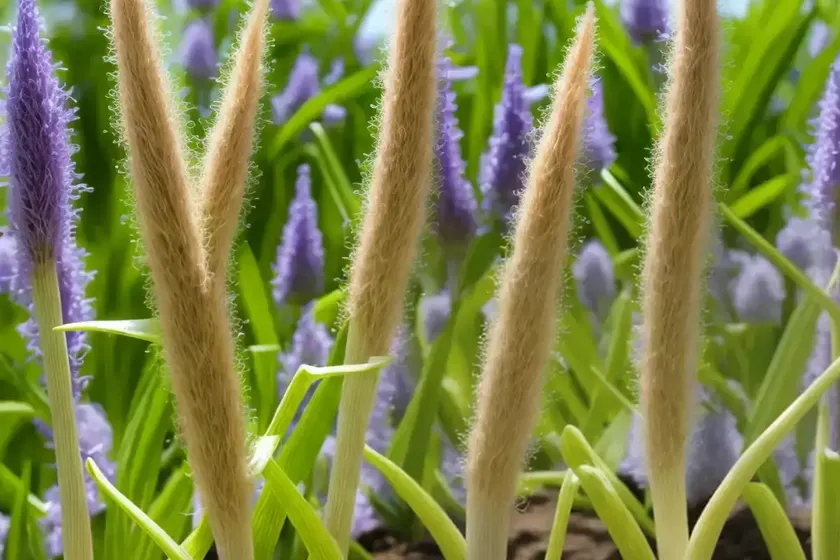
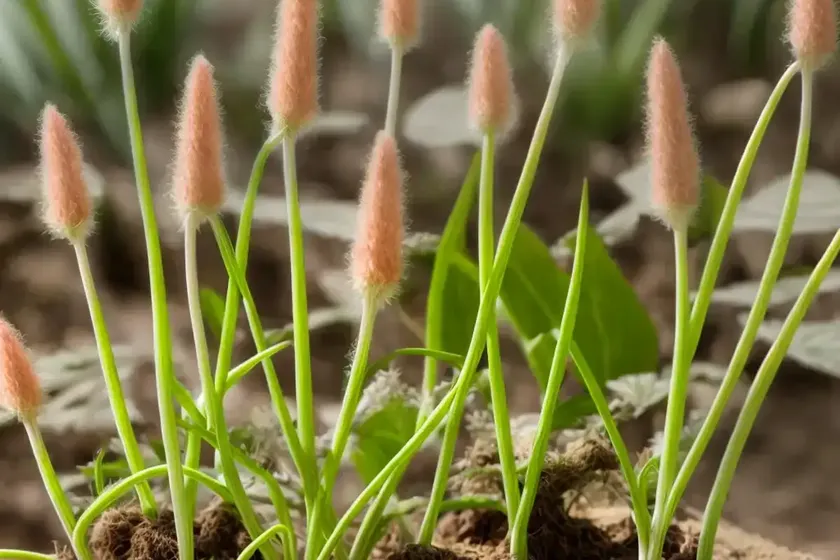
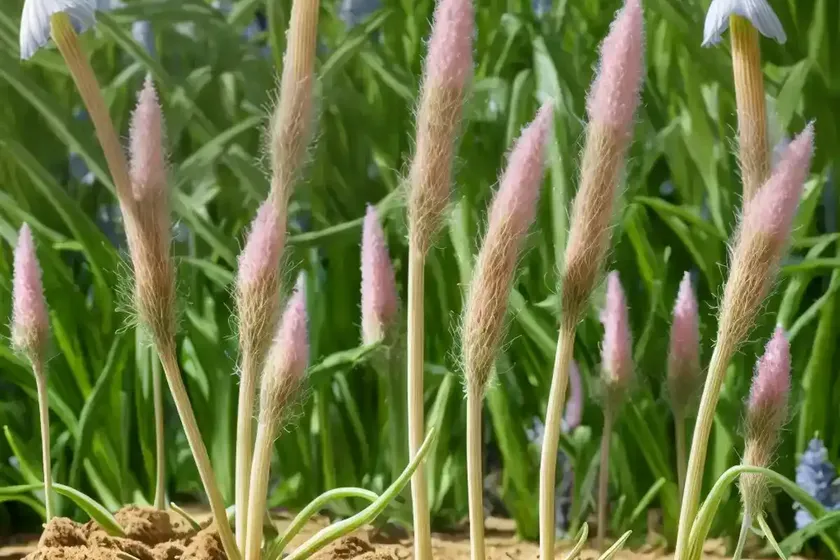
Ornamental grasses are an essential part of sustainable and ecologically friendly landscapes. They add texture, color, and movement, while providing habitat for beneficial wildlife. One remarkable and often underappreciated ornamental grass is the Sandy Timothy, scientifically known as Phleum arenarium. In this comprehensive guide, we will delve into the various aspects of this fascinating plant, including its characteristics, cultivation, uses, and maintenance.
What is Sandy Timothy (Phleum arenarium)
Sandy Timothy, or Phleum arenarium, is a perennial grass species that belongs to the Poaceae family. It is native to Europe and Asia, and it thrives in sandy or gravelly habitats, hence its common name. This grass is characterized by its slender stems and delicate inflorescences, which make it a visually appealing addition to gardens and natural landscapes.
Key Takeaways
Before we delve into the specifics of Sandy Timothy, let’s summarize some of the key takeaways about this delightful ornamental grass:
- Botanical Name: Phleum arenarium
- Common Name: Sandy Timothy
- Type: Perennial
- Habit: Clumping
- Light: Full sun to partial shade
- Soil: Well-drained, sandy or gravelly soil
- Height: 12-18 inches
- Uses: Erosion control, wildlife habitat, ornamental landscaping
- Drought Tolerance: High
- Maintenance: Low
Now, let’s explore the culture, uses, and care requirements of Sandy Timothy in more detail.
Culture
Habitat and Native Range
Sandy Timothy is primarily found in the sandy or gravelly habitats of Europe and Asia. It is well-adapted to dry, nutrient-poor soils, making it an ideal candidate for xeriscaping and naturalistic garden designs. In its native range, Sandy Timothy can be spotted in open woodlands, grasslands, and coastal dunes, where its tolerance to harsh conditions allows it to thrive.
Growing Zones
This resilient grass is well-suited to USDA Hardiness Zones 4-8, where it can withstand cold temperatures and seasonal variations. Its adaptability to a range of climatic conditions makes it a versatile choice for gardeners across different regions.
Landscape Uses
Sandy Timothy is valued for its ornamental qualities and ecological benefits. It can be utilized in various landscape settings, including:
- Rock Gardens: Its preference for well-drained soils and its compact growth habit make it an excellent addition to rock gardens and alpine plantings.
- Erosion Control: The fibrous root system of Sandy Timothy helps stabilize soils, making it an effective erosion control plant for slopes and embankments.
- Naturalistic Landscapes: In naturalistic or prairie-style landscapes, Sandy Timothy adds a sense of movement and texture while attracting beneficial wildlife.
- Xeriscaping: Given its high drought tolerance and low water needs, Sandy Timothy is a valuable choice for xeriscape or water-wise gardens.
Uses
Ornamental Value
The slender, arching stems and delicate seed heads of Sandy Timothy lend a soft and graceful texture to gardens. Its subtle yet elegant appearance makes it an excellent complement to flowering perennials, shrubs, and other ornamental grasses, adding visual interest and diversity to the landscape.
Habitat and Wildlife Support
Ornamental grasses, including Sandy Timothy, play a vital role in supporting local wildlife. The dense growth habit and seed production of this grass offer foraging opportunities for birds and small mammals. Additionally, the cover provided by the foliage can serve as nesting sites for ground-dwelling birds.
Erosion Control and Soil Stabilization
The extensive root system of Sandy Timothy helps bind soil particles, reducing the risk of erosion in open and sloped areas. Its tolerance for poor soils and drought conditions further enhances its effectiveness in stabilizing landscapes prone to erosion.
Growing Conditions
Water
Sandy Timothy exhibits remarkable drought tolerance once established, making it a suitable choice for water-wise landscapes and regions with limited water resources. During the establishment phase, it benefits from regular watering to encourage root development. Once mature, it requires minimal supplemental watering, relying primarily on natural rainfall.
Sunlight
For optimal growth and flowering, Sandy Timothy thrives in full sun to partial shade. It is well-adapted to sunny locations and can tolerate some shade, making it a versatile option for a range of garden settings.
Soil
The preference for sandy or gravelly soils gives Sandy Timothy its common name. Well-drained, nutrient-poor soils are ideal for this species. While it can tolerate various soil types, including loam and rocky substrates, excessive moisture and rich soils should be avoided to prevent issues such as root rot and overgrowth.
Fertilizer
Sandy Timothy generally does not require heavy fertilization. In nutrient-poor soils, a light application of a balanced, slow-release fertilizer in early spring can support healthy growth without promoting excessive lushness.
Pruning
Maintenance
One of the appeals of Sandy Timothy is its low-maintenance nature. Minimal pruning is typically necessary, and the plant can be left standing through the winter months to provide visual interest and habitat for wildlife. If desired, older foliage can be trimmed back in early spring to make way for new growth.
Propagation
Division
Sandy Timothy can be propagated through division, particularly in early spring or fall. This can be done by carefully digging up the plant, dividing the clumps into smaller sections, and replanting them in suitable locations. Division helps rejuvenate older clumps and allows for the expansion of this grass in the landscape.
Seed Propagation
While Sandy Timothy can set seed, propagation from seed is less common due to the unreliability of seed production and the challenges associated with germination. However, if collecting seeds from established plants, they can be sown in a prepared seed bed in fall for potential new growth in the following spring.
Container Popularity
Sandy Timothy’s compact growth habit and adaptability to container cultivation make it a popular choice for container gardening. Its ability to thrive in lean soils and low-maintenance requirements make it well-suited to container arrangements in outdoor living spaces, patios, and urban gardens.
Container Care
When growing Sandy Timothy in containers, it is important to ensure that the plant receives adequate sunlight and is planted in well-draining potting mix. Regular monitoring of soil moisture is essential, as containers can dry out more quickly than garden beds. Additionally, select a container that allows for sufficient root development and provides stability as the plant grows.
Common Diseases
Sandy Timothy is relatively resistant to pests and diseases. However, like any plant, it can still encounter issues under certain conditions. Some potential concerns include:
- Fungal Diseases: In high-humidity environments, Sandy Timothy may be susceptible to fungal diseases such as leaf spot or powdery mildew. Adequate air circulation and avoiding overhead watering can help prevent these issues.
- Root Rot: Excessive soil moisture, particularly in compacted or poorly draining soils, can lead to root rot in Sandy Timothy. Ensuring proper drainage and avoiding overwatering is crucial for preventing this problem.
In general, good cultural practices, including providing suitable growing conditions and avoiding overwatering, go a long way in preventing disease issues in Sandy Timothy.
Disease Diagnosis
When diagnosing potential disease issues in Sandy Timothy, it is important to closely observe the plant for symptoms such as spotted or discolored foliage, stunted growth, or dieback. Additionally, inspecting the soil and root system for signs of excessive moisture or decay can help identify potential issues such as root rot.
Common Pests
Sandy Timothy is relatively resistant to pest infestations. However, some potential pests that may impact this grass include:
- Aphids: These small, sap-sucking insects can occasionally affect the new growth of Sandy Timothy. Regular monitoring and the use of natural predators or insecticidal soap can help manage aphid populations.
- Grasshoppers: In some regions, grasshoppers may feed on the foliage of Sandy Timothy, particularly during periods of high population density. Physical barriers and garden netting can be used to protect plants from these pests.
In naturalized settings and well-balanced ecosystems, beneficial predators and insects often help maintain pest populations at manageable levels.
Botanist’s Tips
For successful cultivation and enjoyment of Sandy Timothy in the landscape, consider the following tips from a botanist’s perspective:
- Site Selection: Choose well-drained, sunny locations with lean soils for optimal growth and resilience.
- Watering Practices: Once established, limit supplemental watering to conserve resources and promote drought tolerance.
- Erosion Control: Utilize Sandy Timothy in areas prone to erosion to stabilize soils and prevent loss of nutrient-rich topsoil.
- Wildlife Support: Appreciate the ecological value of ornamental grasses by incorporating them into gardens to support local wildlife.
Fun Facts
To appreciate the unique qualities of Sandy Timothy, consider the following fun facts about this ornamental grass:
- Historical Uses: In traditional medicine, infusions of Sandy Timothy were used to treat various ailments, earning it a place in herbal folklore.
- Erosion Control Champion: The extensive root system of Sandy Timothy makes it an invaluable ally in preventing soil erosion in natural and cultivated landscapes.
- Texture and Movement: When planted in mass groupings, Sandy Timothy creates a soft, swaying effect in the landscape, adding movement and visual interest.
Links to External Resources
For further exploration of Sandy Timothy and related topics, the following resources provide valuable information and insights:
- Royal Horticultural Society – Phleum arenarium
- University of Wisconsin – Ornamental Grasses
- North Carolina State University – Sustainable Landscaping with Ornamental Grasses
In conclusion, Sandy Timothy (Phleum arenarium) is a resilient and versatile ornamental grass with numerous benefits for the landscape and environment. Its adaptability to challenging growing conditions, low maintenance needs, and ornamental value make it a valuable addition to gardens, naturalistic landscapes, and urban environments. By incorporating this graceful grass into our landscapes, we can enhance aesthetics, support wildlife, and promote sustainable gardening practices.


