Salvia Officinalis (Salvia Officinalis)
Salvia officinalis, commonly known as sage, is a perennial, evergreen subshrub with woody stems, grayish leaves, and blue to purplish flowers. Belonging to.
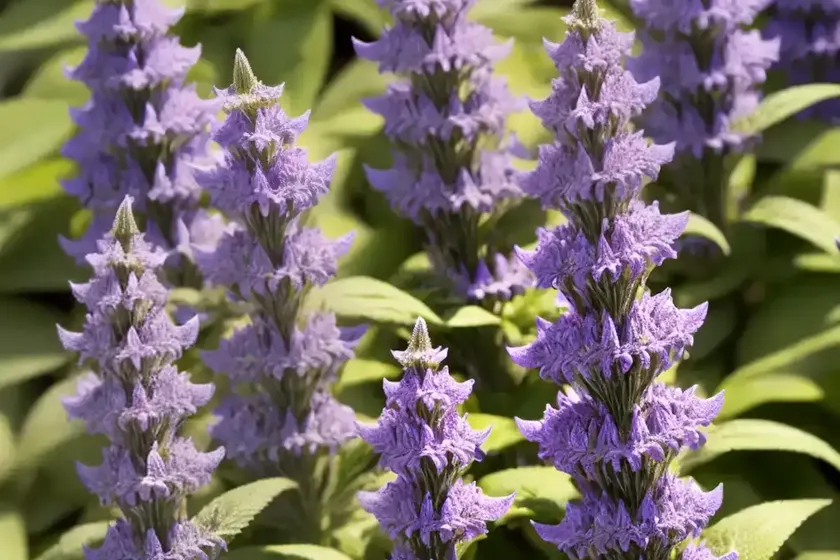
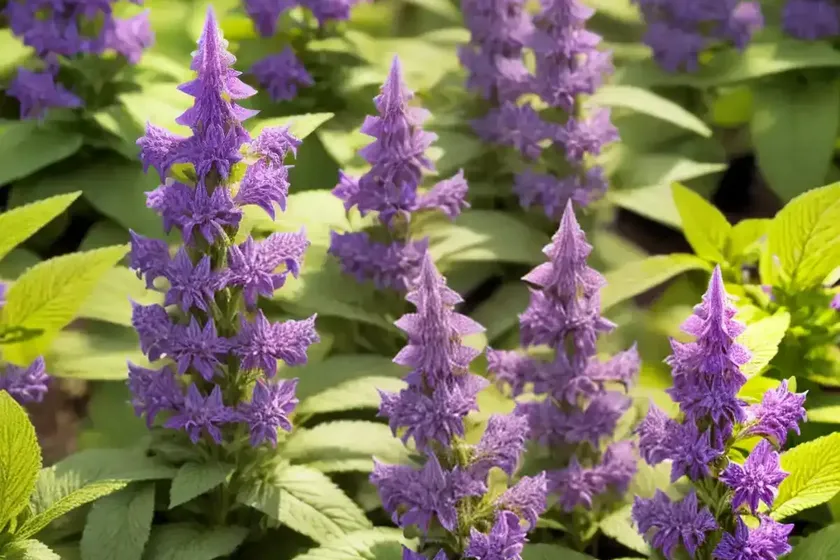
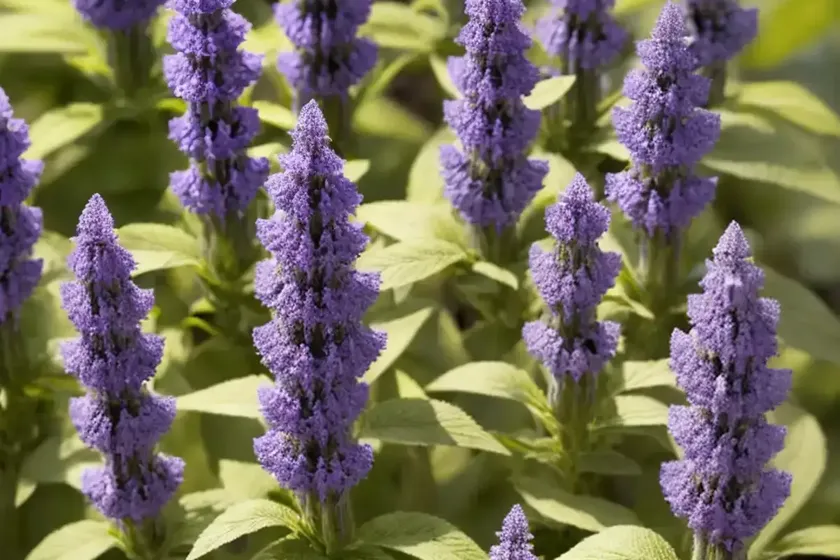
Salvia officinalis, commonly known as sage, is a perennial, evergreen subshrub with woody stems, grayish leaves, and blue to purplish flowers. Belonging to the Lamiaceae family, this versatile plant has been revered for its culinary and medicinal properties for centuries. In this extensive guide, we will delve into the culture, uses, care, and fascinating facts about Salvia officinalis, your go-to resource for all things sage.
What is Salvia officinalis (Salvia officinalis)?
Salvia officinalis, commonly referred to as garden sage, common sage, or culinary sage, is a native of the Mediterranean region. With its distinctive aroma and flavor, it has been an essential herb in culinary traditions worldwide. Apart from its culinary significance, Salvia officinalis is also valued for its medicinal properties, making it a multi-purpose plant deeply ingrained in human history and culture.
Key Takeaways
Salvia officinalis, also known as sage, is an aromatic and flavorful herb with a rich history of culinary and medicinal use. The plant is prized for its drought tolerance, making it an excellent choice for xeriscaping and low-water landscapes. Understanding its cultural requirements, uses, and care guidelines can help you harness the full potential of this remarkable plant.
Salvia Officinalis (Salvia officinalis)
The following sections will cover various aspects of Salvia officinalis, including its cultural needs, uses, care, and interesting facts.
Culture
Cultivating Salvia officinalis requires an understanding of its specific cultural needs. Let’s explore the optimum conditions for the growth and development of this valuable herb.
Uses
As a plant with both culinary and medicinal applications, Salvia officinalis offers various benefits and uses. Understanding its versatile nature is essential for fully appreciating its value.
- Culinary Uses
- Sage is a staple herb in various cuisines, renowned for its ability to impart a robust, earthy flavor to dishes. It pairs well with meats, cheeses, and grains, adding depth to a wide range of recipes.
- Salvia officinalis is often used in stuffing for poultry, enhancing the taste and aroma of the dish.
- Medicinal Properties
- Beyond its culinary applications, sage boasts a myriad of medicinal properties. It is associated with anti-inflammatory, antioxidant, and antimicrobial effects, making it a popular choice in traditional medicine and herbal remedies.
Water
Understanding the water requirements of Salvia officinalis is crucial for maintaining its health and vigor. Proper watering practices can contribute to the plant’s overall well-being.
Sunlight
Salvia officinalis thrives in specific light conditions, and providing the right amount of sunlight is vital for its growth and productivity.
Fertilizer
Fertilizing Salvia officinalis can enhance its growth and yield, but it’s essential to navigate the nuances of fertilization to optimize the plant’s performance.
Soil
The type of soil in which Salvia officinalis is grown plays a pivotal role in its overall health and productivity. Understanding the soil preferences of this herb is paramount for successful cultivation.
Pruning
Pruning Salvia officinalis is a fundamental aspect of its care routine. Proper pruning practices not only maintain the plant’s shape and appearance but also contribute to its overall vitality.
Propagation
Understanding the various methods of propagating Salvia officinalis enables gardeners to expand their sage plants effectively. Propagation can be an exciting aspect of cultivating this versatile herb.
Container Popularity
Salvia officinalis’ adaptability to container gardening makes it a popular choice for both indoor and outdoor cultivation. Exploring its potential in containers can open up new possibilities for growing sage.
Common Diseases
Salvia officinalis, like any other plant, is susceptible to certain diseases that can affect its growth and well-being. Recognizing these diseases and understanding their management is crucial for maintaining healthy sage plants.
Disease Diagnosis
Identifying symptoms of common diseases in Salvia officinalis is essential for timely intervention and effective disease management. Understanding the signs of plant distress can aid in prompt treatment.
Common Pests
Pest infestations can pose a significant threat to the health and productivity of Salvia officinalis. Recognizing common pests and implementing appropriate pest control measures is vital for safeguarding sage plants.
Botanist’s Tips
Insights from seasoned botanists can provide invaluable guidance for successfully growing and caring for Salvia officinalis. Harnessing their expertise can elevate your approach to cultivating this remarkable herb.
Fun Facts
Uncover fascinating and little-known facts about Salvia officinalis, delving into its history, cultural significance, and intriguing properties.
Links to External Resources
Explore a curated selection of external resources offering comprehensive information on Salvia officinalis, its uses, and cultivation.
Conclusion
Salvia officinalis, with its rich history, versatile applications, and cultural significance, stands as a testament to the profound connection between humans and plants. Embracing the various facets of this remarkable herb, from its culinary uses to its medicinal properties, allows us to appreciate its intrinsic value and harness its full potential.
References
The following references were used in this article:
This blog post aimed to be comprehensive guide to Salvia officinalis, providing insights into its culture, uses, care, and interesting facts. By delving into the intricacies of cultivating and utilizing this iconic herb, we hope to inspire a deeper appreciation for the remarkable plant that is Salvia officinalis. As you embark on your journey with sage, may this guide serve as a valuable companion, equipping you with the knowledge and insights to nurture and celebrate this botanical gem.


