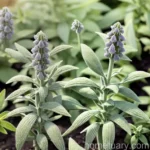
Salvia officinalis ‘Purpurascens’ (Purple Sage): A Fascinating Herb
Plants have been an integral part of human civilizations for centuries, serving a multitude of purposes ranging from culinary and medicinal uses to ornamental and aromatic applications. Among the diverse array of plants, Salvia officinalis ‘Purpurascens’ stands out as a remarkable herb renowned for its rich history, diverse uses, and stunning visual appeal. In this extensive exploration, we will delve deeply into the world of Salvia officinalis ‘Purpurascens’ — also known as Purple Sage — uncovering its cultural importance, growing conditions, uses, as well as its place in traditional and modern applications.
What is Salvia officinalis ‘Purpurascens’ (Purple Sage)?
Salvia officinalis ‘Purpurascens’ is a distinctive cultivar of the traditional culinary herb, Salvia officinalis, commonly known as Sage. As its name suggests, this variety is characterized by striking purple-tinged leaves, setting it apart from its counterparts. The plant belongs to the Lamiaceae family and is native to the Mediterranean region, where it has been cultivated and utilized for centuries. With its vibrant foliage and aromatic properties, Purple Sage has garnered significant attention not only in horticulture but also in traditional medicine and culinary arts.
Key Takeaways – Salvia officinalis ‘Purpurascens’ (Purple Sage)
Before we delve into the details of Salvia officinalis ‘Purpurascens’ , let’s take a glance at the overarching highlights that will be covered in this comprehensive guide:
- Culture
- Uses
- Water
- Sunlight
- Fertilizer
- Soil
- Pruning
- Propagation
- Container Popularity
- Common Diseases
- Disease Diagnosis
- Common Pests
- Botanist’s Tips
- Fun Facts
- Links to External Resources
Now that we have outlined the general outline of the discussions, let’s dive into the intricate details of this captivating herb.
Culture
Understanding the cultural requirements of Salvia officinalis ‘Purpurascens is pivotal for its successful growth and development. This section will elucidate the various aspects related to its cultural needs, ensuring that gardening enthusiasts can create an optimal environment for this distinctive plant to thrive.
Water
Like most herbs, Purple Sage prefers well-draining soil and moderate watering. It is essential to strike a balance, as the plant cannot withstand waterlogged conditions. During the initial stages of growth, regular watering is crucial for establishment. As the plant matures, it develops a degree of drought tolerance, making it suitable for regions with drier climates. However, it is important to monitor the moisture levels and water the plant when the top inch of the soil feels dry.
Sunlight
Salvia officinalis ‘Purpurascens’ flourishes in full sunlight, displaying its best foliage coloration and aromatic oils when provided with at least six hours of direct sunlight per day. In regions with excessively hot summers, the plant can benefit from some afternoon shade to prevent stress and sunburn.
Fertilizer
Purple Sage is not particularly demanding when it comes to fertilization. A modest application of a balanced, slow-release fertilizer in the spring, coupled with organic amendments such as compost, is generally sufficient to support healthy growth and prolific foliage. Over-fertilization should be avoided, as it may lead to excessive leaf growth at the expense of essential oils and flavor concentration.
Soil
The ideal soil for Salvia officinalis ‘Purpurascens’ is well-draining and slightly alkaline, with a pH range between 6.0 and 7.0. Sandy loam or loamy soils are preferable, as they offer good drainage while retaining adequate moisture for the plant’s needs.
Pruning
Regular pruning is beneficial for promoting compact growth and stimulating the production of flavorful foliage. Pruning can be conducted throughout the growing season, with a more significant trim at the beginning of spring to encourage new growth. It is prudent to refrain from cutting into the woody stems, as this may impede the plant’s capacity for rejuvenation.
Propagation
Salvia officinalis ‘Purpurascens’ can be propagated through a variety of methods, including division, cuttings, and seed sowing. Each technique offers its own set of advantages and challenges, offering flexibility in choosing the most suitable approach based on the resources and preferences of the grower.
Container Popularity
The compact nature and aesthetic allure of Purple Sage make it an excellent candidate for container cultivation. Whether on a sunny balcony or a well-lit kitchen windowsill, the plant thrives in containers, offering a convenient option for urban gardeners or individuals seeking to showcase its beauty in a confined space.
Uses
The multifaceted uses of Salvia officinalis ‘Purpurascens’ span various domains, encompassing culinary, medicinal, aromatic, and ornamental applications. Each facet contributes to the plant’s intrinsic value and cultural significance, making it a versatile and cherished herb across different traditions and lifestyles.
Culinary
In culinary endeavors, Purple Sage adds a unique depth of flavor and visual appeal to a myriad of dishes. The purple-tinged leaves not only contribute an intriguing hue but also impart a nuanced sage flavor that pairs well with meats, vegetables, and cheeses. From seasoning roasts to flavoring soups and stews, the culinary uses of Purple Sage are diverse, reflecting its esteemed status in gastronomy.
Medicinal
Salvia officinalis ‘Purpurascens’ is renowned for its medicinal properties, offering a spectrum of health benefits that have been treasured since ancient times. From its anti-inflammatory and antioxidant attributes to its antimicrobial and digestive properties, the herb has earned a place in traditional herbal remedies and modern alternative medicine practices. Furthermore, the essential oils extracted from the plant are utilized in aromatherapy and topical applications, further expanding its therapeutic relevance.
Aromatic
The aromatic allure of Purple Sage extends beyond its use in culinary and medicinal realms. The fragrant oils released by the leaves make it a prized addition to potpourris, sachets, and aromatic bouquets, infusing living spaces with a pleasant and calming ambiance.
Ornamental
Beyond its utilitarian uses, Salvia officinalis ‘Purpurascens’ serves as an exquisite ornamental plant, adding a touch of elegance and charm to gardens, borders, and container arrangements. The juxtaposition of its purple foliage against green companions or vibrant flowers creates captivating visual compositions, enhancing the overall aesthetics of the landscape.
Common Diseases and Pest Management
As with any plant, Salvia officinalis ‘Purpurascens’ is susceptible to certain diseases and pest infestations that can impede its growth and vitality. Understanding these potential challenges and adopting proactive measures is crucial for maintaining the plant’s well-being.
Common Diseases
The most prevalent diseases that can affect Purple Sage include powdery mildew, root rot, and leaf spot diseases. These ailments are often associated with excessive moisture and poor air circulation, underlining the need for vigilant monitoring and appropriate cultural practices to mitigate their impact.
Disease Diagnosis
Early diagnosis of diseases is essential for implementing timely interventions. Visual examination of the foliage for any signs of discoloration, wilting, or abnormal growth can provide insights into potential diseases affecting the plant. Additionally, consulting with local horticultural experts and utilizing diagnostic resources can aid in accurately identifying and addressing specific diseases.
Common Pests
Among the pests that pose a threat to Salvia officinalis ‘Purpurascens’, aphids, spider mites, and whiteflies are frequently encountered. These sap-sucking insects can debilitate the plant by draining its resources and transmitting diseases. Implementing organic pest control methods such as insecticidal soaps, neem oil, and predatory beneficial insects can help manage pest populations while safeguarding the plant’s ecological balance.
Botanist’s Tips
Drawing from the expertise of botanists and horticulturalists, here are some invaluable tips for cultivating and caring for Salvia officinalis ‘Purpurascens’:
- Companion Planting: Pairing Purple Sage with companion plants such as thyme, lavender, and rosemary can enhance its growth, deter pests, and complement its ornamental appeal.
- Harvesting: To maintain the plant’s vigor and flavor, regular harvesting of the leaves is recommended, particularly before flowering, when the essential oil concentration is at its peak.
- Overwintering: In regions with harsh winters, providing a protective mulch layer and situating the plant in a sheltered location can aid in overwintering and ensuring its resurgence in the following season.
Fun Facts
Unearthing the intriguing aspects of Salvia officinalis ‘Purpurascens’ reveals a tapestry of captivating facts that enrich our appreciation for this extraordinary herb:
- Cultural Symbolism: In various cultures and folklore, Sage is regarded as a symbol of wisdom, longevity, and purification, attributing a deeper significance to its presence in traditions and rituals.
- Aromatic Legacy: The distinctive aroma of Sage has been historically associated with cleansing and purifying properties, leading to its prevalent use in ritualistic practices and ceremonial settings.
- Herbal Heritage: Since ancient times, Sage has been revered as a sacred herb and was believed to possess mystical qualities, illustrating the profound cultural and spiritual connection associated with this botanical treasure.
Links to External Resources
For those seeking further insight and resources on Salvia officinalis ‘Purpurascens’, the following links offer valuable information and perspectives:
- Royal Horticultural Society – Growing Sage
- National Center for Home Food Preservation – Sage Varieties
- Plants For A Future – Salvia officinalis
In conclusion, Salvia officinalis ‘Purpurascens’ stands as a testament to the profound intertwining of horticulture, culture, and human history. Its diverse uses, resilient nature, and aesthetic allure demonstrate the profound impact that a single plant can have across different aspects of human life. By understanding and cherishing this remarkable herb, we not only enrich our surroundings but also honor the ancestral wisdom that has valued and preserved these botanical treasures across generations. Whether in a culinary creation, a healing remedy, or simply as a source of visual delight, Purple Sage continues to fascinate and inspire, perpetuating its legacy as an indispensable botanical gem.