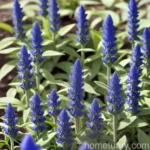
Salvia nemorosa ‘Ostfriesland’ (Sage) – A Comprehensive Guide
Introduction
Plants are an essential part of our environment, providing oxygen, food, and habitat to various species of animals and insects. One of the fascinating aspects of plants is their diversity, with each species having unique characteristics and requirements for growth. In this comprehensive guide, we will delve into the intricate details of Salvia nemorosa ‘Ostfriesland’ commonly known as Sage, exploring its culture, uses, maintenance, and more. This guide is designed to provide gardening enthusiasts, plant lovers, and anyone interested in plant science with a detailed understanding of the remarkable Salvia nemorosa ‘Ostfriesland.
What is Salvia nemorosa ‘Ostfriesland’?
Salvia nemorosa ‘Ostfriesland’ is a perennial flowering plant that belongs to the Lamiaceae family. It is native to Europe and is known for its striking appearance and aromatic foliage. This plant is a popular choice for gardeners and landscapers due to its attractive flowers and ease of cultivation. The specific epithet ‘Ostfriesland’ refers to the region in Germany where this cultivar was first introduced, and it has since become a beloved addition to gardens worldwide.
Key Takeaways – Salvia nemorosa ‘Ostfriesland’ (Sage)
Before we delve into the specifics of cultivating and caring for Salvia nemorosa ‘Ostfriesland, let’s explore some key takeaways about this remarkable plant:
- Scientific Name: Salvia nemorosa ‘Ostfriesland’
- Common Name: Sage ‘Ostfriesland’
- Plant Type: Perennial
- Hardiness Zone: 4 – 8
- Mature Height: 18 – 24 inches
- Mature Spread: 18 – 24 inches
- Sunlight: Full sun to partial shade
- Soil: Well-draining, fertile soil
- Water: Moderately drought-tolerant
- Common Uses: Borders, mass plantings, pollinator gardens
Now that we have a general understanding of Salvia nemorosa ‘Ostfriesland, let’s delve into the specific aspects of its culture, maintenance, uses, and more.
Culture
Water
Salvia nemorosa ‘Ostfriesland’ is a relatively drought-tolerant plant once established. During the initial stages of growth and in periods of prolonged drought, it is essential to provide regular watering to ensure proper establishment and healthy growth. However, it is crucial to avoid overwatering, as this can lead to root rot and other moisture-related issues. A general guideline is to water deeply but infrequently, allowing the soil to dry out between watering sessions. In regions experiencing heavy rainfall, Salvia nemorosa ‘Ostfriesland may not require additional watering except during extended dry periods.
Sunlight
Sage ‘Ostfriesland’ thrives in full sun to partial shade. When grown in full sun, it tends to exhibit more compact growth and prolific flowering. However, it can also tolerate some shade, making it a versatile choice for various garden settings. It is essential to provide adequate sunlight to ensure the plant’s vigor and abundant blooming during the growing season.
Fertilizer
Salvia nemorosa ‘Ostfriesland does not have excessive fertilizer requirements. However, applying a balanced, slow-release fertilizer in early spring can support healthy growth and flowering. It is advisable to avoid high-nitrogen fertilizers, as they can promote excessive foliage growth at the expense of flowers. A layer of organic mulch around the base of the plant can also provide a steady supply of nutrients as it decomposes.
Soil
The ideal soil for Salvia nemorosa ‘Ostfriesland is well-draining with a moderate level of fertility. It thrives in various soil types, including loamy, sandy, or clay soils, as long as they offer good drainage. Amending heavy clay soils with organic matter can improve drainage and create a more hospitable environment for the plant’s roots. It is crucial to avoid waterlogged conditions, as they can lead to root rot and other moisture-related issues.
Maintenance
Pruning
Pruning plays a crucial role in maintaining the compact and attractive appearance of Salvia nemorosa ‘Ostfriesland. Regular deadheading of spent flowers not only encourages continuous blooming but also prevents the plant from setting seeds, redirecting its energy into vegetative growth and new flower production. In late fall or early spring, cutting back the entire plant to a few inches above the ground can rejuvenate its growth and promote a bushier habit. This practice also helps to remove any winter-damaged or unsightly foliage, preparing the plant for the upcoming growing season.
Propagation
S. nemorosa ‘Ostfriesland’ can be propagated through division or stem cuttings. Division is typically performed in early spring as new growth emerges. It involves carefully digging up the plant and separating the root clumps into smaller sections, each containing healthy roots and shoots. These divisions can then be replanted in suitable locations, where they will establish and grow into new plants. Stem cuttings can be taken from healthy, non-flowering shoots in late spring or early summer. These cuttings can be rooted in a well-draining growing medium and kept in a warm, bright environment until they develop roots.
Uses
Landscape
Salvia nemorosa ‘Ostfriesland is a versatile plant with various landscape applications. Its compact growth habit and upright form make it suitable for borders, mass plantings, and mixed perennial beds. The vibrant purple flowers add a striking visual element to garden designs and can be paired with complementary or contrasting plants for dramatic effect. S. nemorosa ‘Ostfriesland‘ also attracts pollinators such as bees and butterflies, making it an excellent choice for wildlife gardens and pollinator-friendly landscapes.
Container Gardening
Due to its moderate size and attractive appearance, Salvia nemorosa ‘Ostfriesland is well-suited for container gardening. When grown in containers, it can be placed on patios, decks, or balconies, bringing its beauty and fragrance to outdoor living spaces. Container-grown S. nemorosa ‘Ostfriesland’ can also be moved to different locations to create focal points or fill gaps in garden displays, adding versatility to its uses in ornamental horticulture.
Popularity
Salvia nemorosa ‘Ostfriesland has gained popularity among gardeners, landscapers, and plant enthusiasts for several reasons. Its long-lasting, vibrant flowers, ease of cultivation, and adaptability to various growing conditions make it a desirable addition to gardens and landscapes. Its ability to attract pollinators and beneficial insects further adds to its appeal, especially in ecologically conscious gardening practices. Additionally, its moderate size makes it suitable for both small and large garden spaces, allowing a wide range of gardeners to incorporate it into their designs.
Common Diseases
Disease Diagnosis
While Salvia nemorosa ‘Ostfriesland is generally resistant to most pests and diseases, it can occasionally encounter issues such as powdery mildew and root rot. Powdery mildew is characterized by the appearance of white, powdery spots on the foliage, typically in humid or poorly ventilated conditions. Root rot, on the other hand, manifests as wilting, yellowing, or browning of the leaves, often accompanied by a foul odor from the soil. Prompt diagnosis and intervention are crucial in managing these issues to prevent their spread and impact on the plant’s health.
Common Pests
Pest Control
Salvia nemorosa ‘Ostfriesland is relatively resistant to most pests, particularly due to its aromatic foliage and the presence of compounds that deter many common insect pests. However, it may occasionally encounter damage from pests such as aphids, spider mites, and whiteflies. Monitoring the plant regularly for signs of pest infestations, such as distorted growth, stippled leaves, or the presence of insects, can help in early intervention. In cases of mild infestations, physical removal of the pests by spraying with a strong stream of water or wiping the leaves can be effective. For more severe infestations, horticultural oils or insecticidal soaps tailored to the specific pests can be used, following the manufacturer’s instructions for application and safety.
Botanist’s Tips
Growing Tips
- Well-Drained Soil: Ensure that Salvia nemorosa ‘Ostfriesland is planted in soil with good drainage to prevent waterlogging, which can compromise its root health.
- Deadheading: Regularly remove spent flowers to prolong the blooming period and maintain the plant’s vigor.
- Sunlight: Provide ample sunlight for robust growth and profuse flowering, particularly in regions with cooler summers.
- Overwintering: In regions with harsh winters, apply a layer of mulch to protect the plant’s roots and crowns from freezing temperatures.
Fun Facts
- The specific epithet “nemorosa” is derived from the Latin word “nemorosus,” meaning “wooded” or “full of trees,” reflecting the plant’s natural habitat preferences.
- Salvia nemorosa species have a long history of medicinal and culinary uses, with some traditional herbal remedies and culinary recipes incorporating its leaves and flowers.
Links to External Resources
For further information on Salvia nemorosa ‘Ostfriesland and related topics, you can explore the following resources:
- Royal Horticultural Society – Salvia nemorosa ‘Ostfriesland’
- Missouri Botanical Garden – Salvia nemorosa
- University of Maryland Extension – Growing Salvias in the Garden
In conclusion, Salvia nemorosa ‘Ostfriesland is a captivating perennial plant with a range of horticultural uses and benefits. Its vibrant flowers, aromatic foliage, and ecological contributions make it a valuable addition to diverse garden settings, from formal borders to wildlife-friendly landscapes. By understanding its cultural requirements, maintenance practices, and landscape uses, gardeners can fully appreciate the beauty and resilience of this remarkable plant.
With its striking appearance and aromatic foliage, Salvia nemorosa ‘Ostfriesland is a perennial flowering plant that has become a beloved addition to gardens worldwide. In this comprehensive guide, we explore the intricate details of its culture, maintenance, uses, and more, providing valuable insights for gardening enthusiasts and plant lovers. Whether it’s thriving in full sun, attracting pollinators, or gracing container gardens, Salvia nemorosa ‘Ostfriesland continues to enchant and inspire with its enduring beauty.