Salvia nemorosa ‘Crystal Blue’ (Sage): A Complete Guide
Introduction
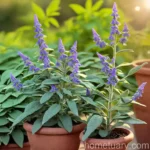
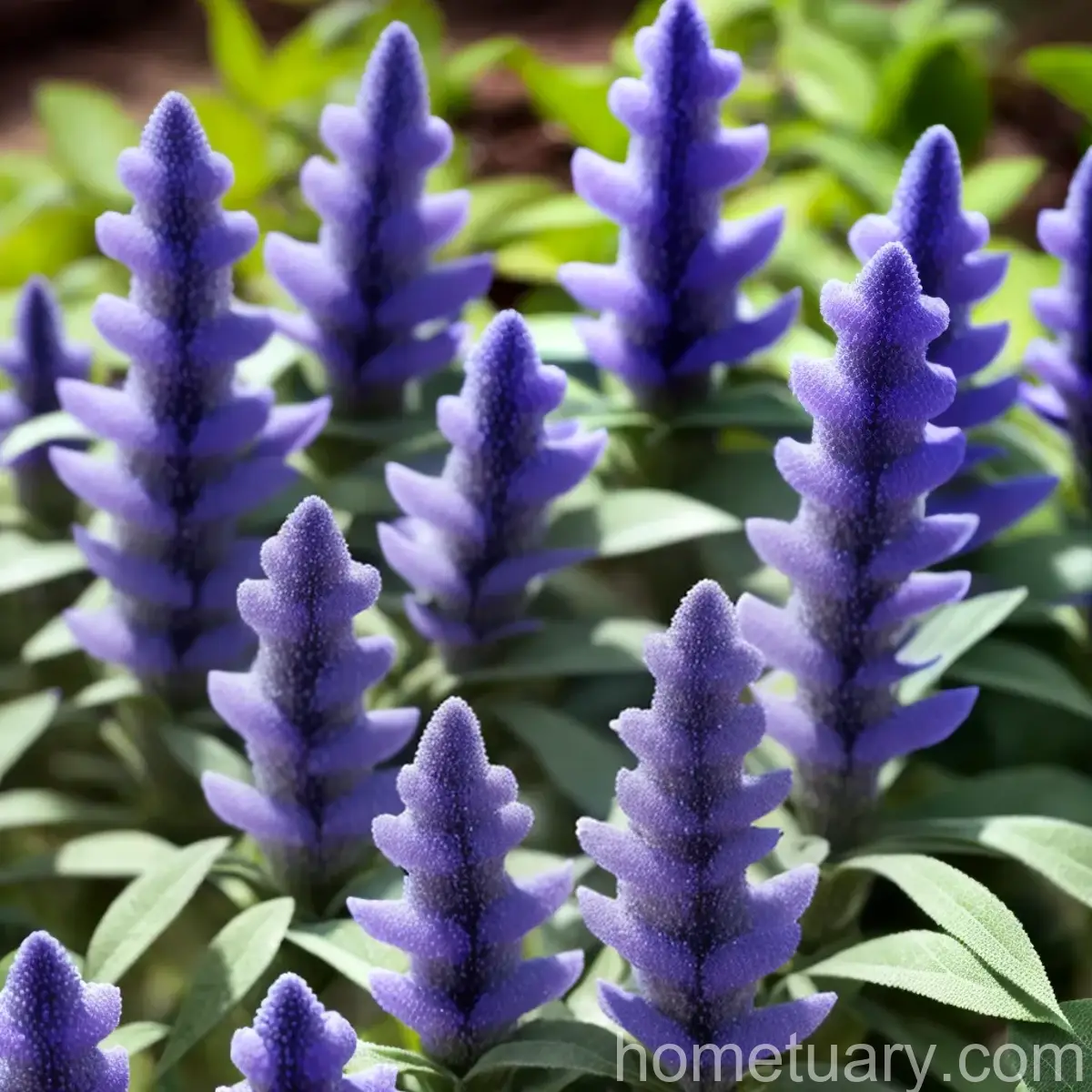
Salvia nemorosa ‘Crystal Blue’, commonly known as Sage, is a stunning ornamental herbaceous perennial that belongs to the Lamiaceae family. This beautiful plant is cherished for its long-lasting, showy, and aromatic flowers, as well as its exceptional drought tolerance and low maintenance requirements. Its delicate, crystal blue flowers and unique foliage color make it a delightful addition to gardens, container plantings, and various landscaping projects.
Salvia nemorosa ‘Crystal Blue’ is a versatile plant that thrives in a variety of growing conditions, making it an excellent choice for both novice and seasoned gardeners. In this comprehensive guide, we will delve into the various aspects of growing and caring for Salvia nemorosa ‘Crystal Blue’, including its cultural requirements, uses, propagation, common diseases and pests, and much more. So, let’s embark on a journey to explore the enchanting world of Salvia nemorosa ‘Crystal Blue’ and uncover the secrets of cultivating this captivating plant.
Key Takeaways – Salvia nemorosa ‘Crystal Blue’
Before delving into the intricacies of growing and caring for Salvia nemorosa ‘Crystal Blue’, let’s take a moment to highlight some key takeaways about this remarkable plant:
Salvia nemorosa ‘Crystal Blue’:
– Belongs to the Lamiaceae family.
– Showcases delicate, crystal blue flowers and unique foliage color.
– Possesses exceptional drought tolerance and low maintenance requirements.
– Thrives in a variety of growing conditions, making it a versatile plant for gardens and landscaping projects.
In the subsequent sections, we will explore the specific cultural requirements, uses, propagation methods, and potential challenges associated with cultivating Salvia nemorosa ‘Crystal Blue’.
Culture
Cultural practices play a pivotal role in the successful cultivation of Salvia nemorosa ‘Crystal Blue’. By understanding its specific requirements for water, sunlight, soil, and fertilizer, you can create an optimal environment for this stunning plant to thrive.
Water
When it comes to watering Salvia nemorosa ‘Crystal Blue’, it is crucial to strike a balance to avoid both waterlogged and parched conditions. Here are some essential water-related considerations for this plant:
- Establishment Phase: During the initial establishment phase after planting, it is important to provide regular watering to ensure that the plant’s root system develops effectively.
- Mature Plants: Once established, Salvia nemorosa ‘Crystal Blue’ exhibits remarkable drought tolerance and can withstand dry periods. However, during prolonged dry spells, supplemental watering can help maintain the plant’s vigor and encourage prolific blooming.
Sunlight
Salvia nemorosa ‘Crystal Blue’ thrives in sunny locations and exhibits its best growth and flowering performance when provided with ample sunlight. Here’s what you need to know about sunlight requirements for this plant:
- Full Sun: Ideally, Salvia nemorosa ‘Crystal Blue’ should be planted in a location that receives at least 6-8 hours of direct sunlight per day. In such conditions, the plant will produce an abundance of vibrant flowers and maintain a compact, robust growth habit.
- Partially Shaded Areas: While this plant prefers full sun, it can tolerate light to moderate shade, especially in regions with intense heat or during the peak of summer.
Fertilizer
Applying fertilizers at the appropriate time and in the right proportions can significantly enhance the growth and flowering of Salvia nemorosa ‘Crystal Blue’. Consider the following guidelines for fertilizing this plant:
- Balanced Fertilizer: Use a balanced, all-purpose fertilizer with equal N-P-K (nitrogen, phosphorus, and potassium) ratios or a formulation specifically designed for flowering perennials.
- Application Timing: Apply fertilizer in early spring as new growth emerges, and again in mid-summer to support the plant’s continuous flowering and overall vitality.
- Avoid Overfeeding: While fertilization is beneficial, it is important to avoid overfeeding, as excessive nitrogen can lead to vigorous foliage growth at the expense of flowers.
Soil
Salvia nemorosa ‘Crystal Blue’ thrives in well-draining soil with a moderate nutrient content. Here are some soil-related considerations for this plant:
- Well-Drained Soil: Ensure that the plant is grown in soil that provides good drainage, as prolonged waterlogging can lead to root rot and other issues.
- Soil Amendments: Incorporating organic matter such as compost or well-rotted manure into the soil can improve its structure and fertility, promoting healthy growth and blooming.
- Soil pH: Salvia nemorosa ‘Crystal Blue’ prefers a slightly alkaline to neutral soil pH (6.5-7.5), though it can tolerate a moderately acidic pH range as well.
Uses
Salvia nemorosa ‘Crystal Blue’ is prized for its versatility and can be incorporated into various garden settings, container plantings, and landscaping designs. Let’s explore the diverse uses of this captivating plant:
Garden Planting
In garden settings, Salvia nemorosa ‘Crystal Blue’ can be utilized in several impactful ways, including:
- Mixed Borders: Planting Salvia nemorosa ‘Crystal Blue’ as part of mixed borders or perennial beds adds a charming touch with its distinct flowers and foliage color.
- Pollinator Gardens: This plant is a magnet for pollinators, including bees, butterflies, and hummingbirds, making it an excellent choice for creating vibrant and wildlife-friendly pollinator gardens.
- Rock Gardens: The compact growth habit and showy blooms of Salvia nemorosa ‘Crystal Blue’ make it an ideal candidate for rock gardens, where it can thrive in well-drained, sunny crevices.
Container Plantings
Salvia nemorosa ‘Crystal Blue’ is well-suited for container gardening and can be used in various ways to enhance outdoor spaces:
- Patio Containers: Placing potted Salvia nemorosa ‘Crystal Blue’ on patios and decks adds a pop of color and fragrance, creating a delightful focal point within outdoor living areas.
- Mixed Container Gardens: Pairing this plant with other sun-loving perennials, ornamental grasses, or trailing annuals in mixed containers yields visually appealing and dynamic displays.
Landscaping Projects
When incorporated into broader landscaping projects, Salvia nemorosa ‘Crystal Blue’ offers numerous possibilities for creating visually stunning and ecologically beneficial landscapes:
- Mass Plantings: Planting en masse, particularly in large landscape beds or open areas, can create a striking visual impact with waves of blue flowers and attractive foliage.
- Edging and Borders: The low-growing and compact nature of Salvia nemorosa ‘Crystal Blue’ makes it an excellent choice for defining borders and edging along pathways or garden beds.
Pruning
Effective pruning practices are essential for maintaining the attractive appearance and health of Salvia nemorosa ‘Crystal Blue’. Proper pruning also encourages continuous blooming and prevents the plant from becoming excessively leggy. Here are some pruning guidelines for this plant:
- Deadheading: Regularly removing spent flowers through deadheading promotes new growth and stimulates the plant to produce additional blooms, extending the flowering period.
- Cutting Back: After the initial bloom cycle, a light shearing of the entire plant can encourage a second flush of flowers and maintain a compact, bushy form.
- Fall Cleanup: Once the growing season concludes, consider cutting back the spent foliage and stems in late fall to tidy up the plant and prepare it for the winter months.
Disease Diagnosis
While Salvia nemorosa ‘Crystal Blue’ is generally resilient, it can be susceptible to certain diseases under unfavorable growing conditions or during periods of environmental stress. Common diseases that may affect this plant include:
- Powdery Mildew: Manifests as a powdery, white coating on the foliage, particularly in humid or poorly ventilated conditions.
- Root Rot: A result of prolonged waterlogging, which can lead to the decay of the plant’s root system and subsequent wilting and decline.
- Botrytis Blight: This gray mold disease may affect the flowers and foliage, especially during periods of high humidity and persistent dampness.
Early detection of these issues, along with prompt intervention and appropriate cultural adjustments, can effectively mitigate the impact of diseases on Salvia nemorosa ‘Crystal Blue’.
Common Pests
In addition to diseases, certain pests may pose challenges to the health and vigor of Salvia nemorosa ‘Crystal Blue’. Vigilance and proactive pest management measures can help safeguard this plant against potential infestations. Common pests include:
- Aphids: These small, sap-sucking insects can cluster on the tender shoots and flower buds, leading to distorted growth and the transmission of viral diseases.
- Spider Mites: Under hot and dry conditions, spider mites may attack the plant, causing stippled, discolored foliage and reduced vigor.
- Whiteflies: These tiny, winged pests may congregate on the undersides of leaves, sucking sap and potentially transmitting plant viruses.
Implementing appropriate pest control strategies, such as regular inspections, mechanical removal, and the use of insecticidal soaps or horticultural oils, can effectively manage pest populations and minimize their impact on Salvia nemorosa ‘Crystal Blue’.
Propagation
Propagation methods for Salvia nemorosa ‘Crystal Blue’ encompass several techniques, allowing gardeners to multiply their plant stock and expand their garden displays. Let’s explore the primary propagation methods for this plant:
Division
Dividing established clumps of Salvia nemorosa ‘Crystal Blue’ is a straightforward and reliable method of propagation. Here’s how you can propagate this plant through division:
- Spring Division: In early spring, carefully lift the plant clump and use a sharp tool to divide it into smaller sections, ensuring that each division retains a portion of the root system and several healthy shoots.
- Replanting: After division, replant the divided sections in prepared soil at the appropriate spacing and water them thoroughly to facilitate establishment.
Stem Cuttings
Taking stem cuttings from healthy, actively growing plants is another effective way to propagate Salvia nemorosa ‘Crystal Blue’. The following steps outline the process of propagating this plant through stem cuttings:
- Selecting Cuttings: Choose healthy, non-flowering stem segments of approximately 4-6 inches in length, and remove the lower leaves to expose the nodes.
- Rooting Medium: Insert the cuttings into a well-draining rooting medium, such as a mix of perlite and peat, and keep the medium consistently moist.
- Root Development: Place the cuttings in a warm, bright location with indirect light and maintain high humidity to facilitate root development.
- Transplanting: Once roots have developed, transplant the rooted cuttings into individual containers or a prepared garden bed.
Container Popularity
The compact growth habit and ornamental appeal of Salvia nemorosa ‘Crystal Blue’ make it a popular choice for container gardening. Whether grown in standalone pots or combined with other plants in mixed container arrangements, this versatile plant offers numerous benefits and creative opportunities for container enthusiasts. Here are some reasons why Salvia nemorosa ‘Crystal Blue’ is a favorite for container gardening:
- Space-efficiency: Its compact size makes it well-suited for containers, allowing gardeners to cultivate this plant in smaller outdoor spaces, balconies, and patios.
- Visual Impact: The vibrant blue flowers and silvery foliage of Salvia nemorosa ‘Crystal Blue’ create striking focal points in containers and contribute to vibrant and eye-catching displays.
- Pollinator Attraction: Placing potted Salvia nemorosa ‘Crystal Blue’ on balconies or near outdoor seating areas can attract pollinators, adding natural charm to urban settings.
By planting Salvia nemorosa ‘Crystal Blue’ in containers, gardeners can enjoy its beauty up close while elevating the aesthetics of their outdoor living spaces.
Common Diseases
Cultivating Salvia nemorosa ‘Crystal Blue’ requires vigilance against potential diseases that may affect the plant’s health and appearance. Understanding common diseases and their prevention is crucial for maintaining the vitality of this stunning plant. Here are some common diseases that may impact Salvia nemorosa ‘Crystal Blue’, along with their potential prevention measures:
Powdery Mildew
Symptoms: The presence of a white, powdery coating on the foliage, primarily on the upper leaf surfaces, can indicate powdery mildew infection.
Prevention:
– Promote good air circulation by spacing plants adequately and avoiding overcrowding.
– Avoid overhead watering to minimize excess moisture on the foliage.
– Apply preventive fungicidal sprays, especially during periods of high humidity and conducive environmental conditions.
Root Rot
Symptoms: Yellowing, wilting, and eventual collapse of the plant may signal root rot, particularly in waterlogged or poorly drained soil.
Prevention:
– Ensure that the plant is grown in well-draining soil, and avoid overwatering to prevent waterlogging.
– Incorporate organic matter into the soil to improve its structure and drainage capabilities.
Botrytis Blight
Symptoms: The presence of grayish-brown fuzzy growth on flowers and foliage is indicative of botrytis blight, especially in humid conditions.
Prevention:
– Provide proper spacing and ventilation to reduce humidity around the plant.
– Remove and discard any affected plant parts to prevent the spread of the disease.
By implementing these preventive measures and promptly addressing any signs of disease, gardeners can safeguard Salvia nemorosa ‘Crystal Blue’ against common diseases and ensure its continued vigor and beauty.
Disease Diagnosis
Identifying and diagnosing diseases affecting Salvia nemorosa ‘Crystal Blue’ is essential for implementing timely and effective control measures. By familiarizing yourself with common diseases that may afflict this plant, you can promptly address any issues and minimize their impact. Let’s explore the process of diagnosing common diseases that may affect Salvia nemorosa ‘Crystal Blue:
Powdery Mildew
Symptoms: Look for the development of a white, powdery coating on the upper surfaces of the foliage. This characteristic powdery growth may spread to stems and flower buds as well.
Diagnosis: Inspect the plant for signs of powdery mildew, particularly during periods of warm, dry weather. Confirm the diagnosis by observing the typical white, powdery growth on the plant’s upper surfaces.
Root Rot
Symptoms: Wilted, yellowing foliage, along with stunted growth and a decline in overall plant vigor, may indicate root rot caused by waterlogging.
Diagnosis: Carefully examine the plant for symptoms of root rot, paying particular attention to the root zone and soil moisture levels. Confirm the diagnosis by assessing the plant’s overall health and the condition of its root system.
Botrytis Blight
Symptoms: Note the presence of grayish-brown fuzz or spots on the flowers and foliage, particularly during periods of high humidity and persistent dampness.
Diagnosis: Upon observing suspicious signs on the plant, thoroughly inspect the affected areas for the characteristic grayish-brown growth. Confirm the diagnosis by comparing the observed symptoms with known indicators of botrytis blight.
By identifying and diagnosing these common diseases, gardeners can take proactive measures to address the issues and prevent their escalation, thereby preserving the health and beauty of Salvia nemorosa ‘Crystal Blue’.
Botanist’s Tips
Glean valuable insights and practical tips from seasoned botanists to enhance your success in growing and caring for Salvia nemorosa ‘Crystal Blue’. Here are some expert recommendations and strategies for cultivating this captivating plant:
1. Soil and Drainage
Tip: “Ensure that the soil is well-draining and incorporate organic matter to improve its structure. Good soil drainage is crucial for preventing waterlogging and promoting healthy root development.”
2. Sunlight and Flowering
Tip: “Provide Salvia nemorosa ‘Crystal Blue’ with ample sunlight to maximize its blooming potential. In regions with intense heat, partial shade can offer relief while still supporting vigorous growth.”
3. Pruning and Deadheading
Tip: “Regular deadheading and occasional light pruning can prolong the flowering period and maintain the plant’s compact, bushy form. These practices also help promote the development of new blooms.”
4. Watering and Drought Tolerance
Tip: “During the establishment phase, provide consistent watering to aid the plant’s root establishment. Once established, the exceptional drought tolerance of Salvia nemorosa ‘Crystal Blue’ makes it well-suited for low-maintenance landscapes.”
5. Disease Prevention
Tip: “Implement preventive measures such as proper spacing, good air circulation, and selective fungicidal sprays to minimize the risk of powdery mildew and other common diseases.”
By incorporating these expert tips into your cultivation practices, you can optimize the growth, blooming, and overall health of Salvia nemorosa ‘Crystal Blue’, creating an enchanting and thriving garden display.
Fun Facts
Discover intriguing and little-known facts about Salvia nemorosa ‘Crystal Blue’ that highlight the plant’s unique characteristics and appeal. From its historical uses to its ecological significance, these fun facts shed light on the delightful aspects of this captivating plant:
-
Pollinator Magnet: Salvia nemorosa ‘Crystal Blue’ is a favorite among pollinators, including bees, butterflies, and hummingbirds, making it a valuable plant for supporting local pollinator populations and enhancing biodiversity.
-
Fragrance and Aromatherapy: The leaves of Salvia nemorosa ‘Crystal Blue’ possess a delightful and aromatic scent, making them a sought-after addition to fragrance gardens and creating opportunities for incorporating the plant into aromatherapy practices.
-
Historical Medicinal Uses: Throughout history, different species of Salvia have been renowned for their medicinal properties, with uses ranging from treating digestive issues to alleviating sore throats and respiratory ailments.
-
Low-Maintenance Champion: Salvia nemorosa ‘Crystal Blue’ is celebrated for its remarkable drought tolerance and low maintenance requirements, making it an excellent choice for water-wise landscapes and gardens with minimal upkeep.
By showcasing these engaging facts, you can deepen your appreciation for Salvia nemorosa ‘Crystal Blue’ and share the plant’s unique allure with fellow gardening enthusiasts.
Links to External Resources
To further expand your knowledge and resources for growing and caring for Salvia nemorosa ‘Crystal Blue’, explore the following external links offering valuable information, expert tips, and practical guidance:
- Royal Horticultural Society – Salvia nemorosa ‘Crystal Blue’: RHS – Salvia nemorosa ‘Crystal Blue’
- Missouri Botanical Garden – Salvia nemorosa ‘Crystal Blue’ Overview: Missouri Botanical Garden – Salvia nemorosa ‘Crystal Blue’
- University of Florida – Salvia nemorosa ‘Crystal Blue’ Fact Sheet: UF/IFAS Extension – Salvia nemorosa ‘Crystal Blue’
These trusted and authoritative resources offer a wealth of in-depth information, cultivation guidelines, and plant care recommendations for Salvia nemorosa ‘Crystal