Salvia involucrata ‘Bethellii’ (Rosy-Leaf Sage): A Comprehensive Guide
Salvia involucrata ‘Bethellii’, also known as Rosy-Leaf Sage, is a stunning perennial plant that belongs to the mint family, Lamiaceae. This beautiful plant is native to Mexico and Central America, where it thrives in the wild with its vivid magenta flowers and attractive foliage. In this comprehensive guide, we will delve into the various aspects of cultivating and caring for Salvia involucrata ‘Bethellii’, including its culture, uses, water and sunlight requirements, soil and fertilizer preferences, pruning techniques, propagation methods, pest and disease management, and much more.
What is Salvia involucrata ‘Bethellii’ (Rosy-Leaf Sage)?
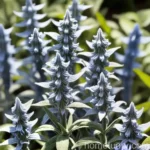
Salvia involucrata ‘Bethellii’ is a stunning herbaceous perennial known for its striking, long-lasting magenta-pink flowers and lush green foliage. This particular variety of Salvia involucrata is distinguished by its rosy-colored leaves, adding to its allure in garden landscapes. The plant typically reaches a height of 2 to 3 feet and spreads to about 3 feet, creating a picturesque display in gardens and landscapes.
The flowers of Salvia involucrata ‘Bethellii’ are held in dense whorls atop tall, erect stems, attracting an array of pollinators such as bees, butterflies, and hummingbirds. Additionally, the aromatic foliage of this plant further enhances its appeal, making it a sought-after addition to gardens and natural landscapes.
Key Takeaways – Salvia involucrata ‘Bethellii’ (Rosy-Leaf Sage)
Before we delve into the specifics of caring for Salvia involucrata ‘Bethellii’, let’s explore the key takeaways regarding this mesmerizing plant:
- Botanical Name: Salvia involucrata ‘Bethellii’
- Common Name: Rosy-Leaf Sage
- Plant Type: Herbaceous Perennial
- Mature Height: 2 to 3 feet
- Mature Spread: Approximately 3 feet
- Flower Color: Magenta-Pink
- Foliage: Rosy-Colored, Aromatic
- Attracts: Bees, Butterflies, Hummingbirds
- Native To: Mexico, Central America
- Uses: Ornamental, Pollinator Attractor
Now, let’s dive into the detailed care and cultivation requirements for Salvia involucrata ‘Bethellii’ in various aspects, from culture and uses to maintenance and propagation.
Culture
Cultivating Salvia involucrata ‘Bethellii’ involves understanding its preferences in terms of water, sunlight, soil, and more. Here’s a look at the cultural aspects of this beautiful plant:
Water
Salvia involucrata ‘Bethellii’ appreciates regular moisture, especially during the growing season. While it does not favor waterlogged conditions, it thrives in well-draining soil that retains moisture without becoming overly soggy. It is recommended to water deeply but infrequently, allowing the soil to dry out slightly between watering sessions. This method encourages the plant to develop a robust root system while preventing issues like root rot.
Sunlight
In terms of sunlight requirements, Salvia involucrata ‘Bethellii’ thrives in full sun to partial shade. However, to promote the best flowering and overall growth, providing it with at least 6 hours of direct sunlight per day is ideal. In regions with scorching summers, some afternoon shade can be beneficial to prevent the foliage from becoming stressed or scorched.
Soil
It thrives in fertile, well-draining soil with a slightly acidic to neutral pH. Amending the soil with organic matter such as compost or well-rotted manure can enhance its moisture-retention capabilities and overall fertility, promoting healthier growth and bountiful flowering.
Fertilizer
During the growing season, feeding Salvia involucrata ‘Bethellii’ with a balanced, slow-release fertilizer can provide the necessary nutrients for vigorous growth and prolific blooming. Opt for a fertilizer with a higher phosphorus content to encourage abundant flower production, and apply it according to the manufacturer’s instructions to avoid over-fertilization.
Uses
Salvia involucrata ‘Bethellii’ is primarily sought after for its ornamental qualities and its ability to attract an array of beneficial pollinators to the garden. Here’s a closer look at its uses:
-
Ornamental Use: The striking magenta-pink flowers and rosy-colored foliage make Salvia involucrata ‘Bethellii’ an enchanting addition to perennial borders, mixed herbaceous borders, cottage gardens, and naturalistic landscapes. Its persistent blooms and long flowering season further contribute to its ornamental value.
-
Pollinator Attraction: The nectar-rich flowers of Salvia involucrata ‘Bethellii’ are highly attractive to bees, butterflies, and hummingbirds, making it a valuable addition to wildlife gardens and habitats that aim to support pollinators.
-
Cut Flower: The vibrant flowers of Rosy-Leaf Sage can be harvested and used in cut flower arrangements, adding a pop of color and a touch of the natural world to indoor spaces.
-
Medicinal Uses: Historically, certain species within the Salvia genus have been used in traditional medicine for various purposes. While it’s essential to consult reliable sources and experts before using any plant for medicinal reasons, the potential medicinal uses of Salvia species are worth exploring further.
Pruning
Pruning plays a pivotal role in maintaining the health, vigor, and aesthetic appeal of Salvia involucrata ‘Bethellii’. Here are the essential guidelines for pruning this captivating plant:
-
Deadheading: Removing spent flowers promptly not only tidies up the plant’s appearance but also encourages the production of new blooms. Deadheading also prevents the plant from expending energy on seed production, redirecting its resources towards continued flowering.
-
Cutting Back: In regions with harsh winters, cutting back the foliage and stems of Salvia involucrata ‘Bethellii’ in late fall or early spring can help rejuvenate the plant and promote new growth. It also removes any winter-damaged or unsightly growth, preparing it for the upcoming growing season.
-
Thinning: Periodically thinning out congested growth and removing woody stems can help maintain an open, airy habit for the plant, improving air circulation and reducing the risk of disease.
Propagation
Propagating Salvia involucrata ‘Bethellii’ allows you to expand your collection of this captivating plant and share its beauty with others. Here are the primary methods for propagating Rosy-Leaf Sage:
-
Division: Dividing established clumps of Salvia involucrata ‘Bethellii’ is a straightforward method for propagation. By carefully dividing the root mass into smaller sections, each containing several stems and healthy roots, you can create new plants that will quickly establish themselves in their new location.
-
Softwood Cuttings: Taking softwood cuttings in spring or early summer can yield new plants with ease. Select healthy, non-flowering stems and cut them into 4-6 inch sections. Remove the lower leaves and insert the cuttings into a well-draining medium, keeping them consistently moist until they develop roots.
-
Seed Propagation: While Salvia involucrata ‘Bethellii’ does produce viable seeds, it’s important to note that the resulting plants may exhibit natural variation. To grow this plant from seeds, collect ripe seeds and sow them in a prepared seed-starting mix. Provide the right environmental conditions, such as warmth and consistent moisture, to support germination and seedling growth.
Container Popularity
In addition to being a gorgeous addition to garden beds and borders, Salvia involucrata ‘Bethellii’ also thrives in containers, offering a versatile way to incorporate its beauty onto patios, balconies, and other outdoor spaces. Here are a few important considerations for growing Rosy-Leaf Sage in containers:
-
Container Size: Select a container that provides ample room for the plant’s root system to develop and expand. A 12 to 16-inch diameter pot is generally sufficient for accommodating a single Salvia involucrata ‘Bethellii’ plant.
-
Drainage: Ensure that the chosen container has adequate drainage holes to prevent waterlogging, which can lead to root rot and other issues. Using a well-draining potting mix further enhances drainage and aeration for the roots.
-
Maintenance: Container-grown Salvia involucrata ‘Bethellii’ may require more frequent watering, especially during hot, dry periods. Regular monitoring of soil moisture and providing supplementary fertilization as needed can help sustain healthy growth and flowering.
-
Overwintering: In colder climates, container-grown Salvia involucrata ‘Bethellii’ may need protection during the winter months. Consider moving the containers to a sheltered location or providing insulation to safeguard the plants from frost.
Common Diseases
Despite being generally resilient, Rosy-Leaf Sage can be affected by a few common diseases under certain unfavorable conditions. Awareness of these diseases and implementing preventive measures can aid in maintaining the plant’s health and vigor. Here’s a look at potential diseases that may impact Salvia involucrata ‘Bethellii’:
Disease Diagnosis
-
Powdery Mildew: This fungal disease manifests as a powdery, white coating on the leaves, typically in response to high humidity and poor air circulation. To prevent powdery mildew, ensure proper spacing between plants, and provide adequate ventilation. Fungicidal sprays may be necessary in severe cases.
-
Root Rot: Overly wet, poorly-draining soil can lead to root rot, causing the plant to exhibit symptoms such as wilting, stunted growth, and yellowing of foliage. To prevent root rot, ensure that the soil is well-draining, and avoid overwatering. Additionally, planting Salvia involucrata ‘Bethellii’ in raised beds or mounds can further minimize the risk of excessive soil moisture.
-
Botrytis Blight: This fungal disease can affect the foliage and flowers of Rosy-Leaf Sage, causing browning, wilting, and decay of the affected tissue. To manage botrytis blight, maintain proper air circulation, avoid overhead watering, and promptly remove and discard any infected plant material.
-
Bacterial Leaf Spot: Characterized by small, water-soaked lesions on the leaves, bacterial leaf spot can affect the overall health and appearance of the plant. To minimize the risk of bacterial leaf spot, avoid overhead watering, and ensure that the foliage remains dry to reduce the spread of the disease.
Common Pests
In addition to being susceptible to certain diseases, Salvia involucrata ‘Bethellii’ may also encounter a few common pests that can impact its growth and appearance. Here are some pests to be mindful of when caring for Rosy-Leaf Sage:
-
Aphids: These small, sap-feeding insects can cluster on the tender young growth of Salvia involucrata ‘Bethellii’, causing distortion of foliage and potentially transmitting viral diseases. Encouraging natural predators such as ladybugs and lacewings is an effective method of controlling aphid infestations.
-
Spider Mites: Spider mites are tiny arachnids that can injure the foliage of Rosy-Leaf Sage, leading to stippled, discolored leaves and a weakened appearance. Regularly rinsing the foliage with a strong stream of water can help dislodge and reduce spider mite populations.
-
Whiteflies: These small, winged insects can congregate on the undersides of leaves, feeding on the plant’s sap and potentially transmitting plant viruses. Consistent monitoring and employing insecticidal soaps or horticultural oils can aid in managing whitefly infestations.
-
Snails and Slugs: Slugs and snails can feed on the tender foliage of Salvia involucrata ‘Bethellii’, leading to unsightly damage. Using physical barriers, such as copper tape or diatomaceous earth, or employing organic slug and snail baits can provide effective control.
Now that we’ve covered the potential diseases and pests that can affect Salvia involucrata ‘Bethellii’, let’s explore some tips from a botanist for optimal care and cultivation of this captivating plant.
Botanist’s Tips
Drawing from expertise and observations, here are some valuable tips from a botanist for successfully cultivating and caring for Salvia involucrata ‘Bethellii’:
-
Site Selection: When choosing a location for planting Rosy-Leaf Sage, prioritize well-draining soil, adequate sunlight, and good air circulation to promote healthy growth and flowering.
-
Mulching: Apply a layer of organic mulch around the base of the plant to conserve soil moisture, suppress weed growth, and insulate the roots. Avoid piling the mulch against the stems to prevent potential issues like stem rot.
-
Deadheading: Regularly removing spent flowers not only enhances the plant’s appearance but also promotes continuous blooming and prevents self-seeding in the garden.
-
Support: In regions with strong winds or heavy rainfall, providing support, such as stakes or cages, can help prevent the tall stems of Salvia involucrata ‘Bethellii’ from leaning or breaking.
-
Companion Planting: Pairing Rosy-Leaf Sage with companion plants that share similar cultural requirements and bloom harmoniously can create visually appealing combinations and maximize the garden’s ornamental impact.
-
Winter Protection: In colder climates, providing a layer of mulch or garden fabric over the root zone of Salvia involucrata ‘Bethellii’ can safeguard the plant from extreme temperature fluctuations and frost.
With these expert tips at hand, gardening enthusiasts can ensure that their Rosy-Leaf Sage thrives and flourishes in their landscape. Now, let’s delve into some fascinating and lesser-known facts about Salvia involucrata ‘Bethellii’.
Fun Facts
Salvia involucrata ‘Bethellii’ is not only visually striking and beneficial to pollinators but also harbors some intriguing aspects that contribute to its allure. Here are some captivating and fun facts about this enchanting plant:
-
Pollinator Paradise: Rosy-Leaf Sage is a magnet for bees, butterflies, and hummingbirds, creating a vibrant and dynamic ecosystem in the garden.
-
Aromatic Attributes: The foliage of Salvia involucrata ‘Bethellii’ emits a pleasant, aromatic fragrance when brushed against or crushed, adding sensory appeal to its ornamental value.
-
Long Blooming Season: This perennial plant is known for its extended flowering period, providing a constant source of vivid color in the garden from summer into fall.
-
Adaptable Growth: Despite its striking appearance, Rosy-Leaf Sage exhibits impressive adaptability to varying soil types and environmental conditions, manifesting a resilient and versatile nature.
-
Herbal Potential: Several species within the Salvia genus have been historically utilized in traditional herbal medicine, fostering potential value beyond their ornamental significance.
These captivating facts further highlight the multifaceted appeal of Salvia involucrata ‘Bethellii’ and underscore its desirability in garden landscapes and natural settings.
Links to External Resources
To further expand your knowledge and understanding of Salvia involucrata ‘Bethellii’ and related topics, here are some valuable external resources and references for additional reading:
- Royal Horticultural Society – Salvia involucrata ‘Bethellii’
- University of Florida IFAS Extension – Salvia spp.
- Missouri Botanical Garden – Salvia involucrata ‘Bethellii’
- Texas A&M AgriLife Extension – Salvias for Texas Landscapes
By exploring these reputable resources, you can gain comprehensive insights into the cultivation, uses, and diverse attributes of Salvia involucrata ‘Bethellii’, as well as other valuable information related to the broader topic of gardening and horticulture.
Conclusion
Salvia involucrata ‘Bethellii’, with its resplendent magenta-pink flowers, rosy-colored foliage, and attractive growth habits, stands as an enchanting addition to gardens, landscapes, and natural habitats. From its use in traditional medicine to its pivotal role as a pollinator attractor, this captivating plant holds numerous attributes that contribute to its desirability and impact in horticulture.
By understanding and applying the essential care guidelines detailed in this comprehensive guide, gardening enthusiasts can cultivate thriving and visually captivating displays of Salvia involucrata ‘Bethellii’ while fostering the ecological richness and beauty of their outdoor spaces. Whether incorporated into mixed herbaceous borders, container gardens, or wildlife habitats, Rosy-Leaf Sage holds the potential to elevate and enchant its surroundings, making it a valuable and rewarding addition to any horticultural endeavor.