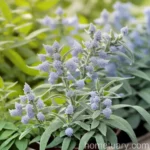
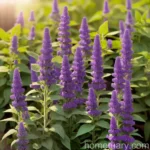
Salvia ‘Hot Lips’ (Sage): A Beautiful and Versatile Plant
Plants have always been an integral part of human life, providing us with food, medicine, and aesthetic pleasure. Among the myriad plant species, Salvia ‘Hot Lips’ (commonly known as Sage) stands out for its beauty, versatility, and practical uses. In this comprehensive guide, we will explore the characteristics, care requirements, cultivation tips, and much more for this remarkable plant.
What is Salvia ‘Hot Lips’ (Sage)?
Salvia ‘Hot Lips’ is a striking ornamental plant known for its vibrant, bicolor flowers and aromatic foliage. Belonging to the mint family, Lamiaceae, Salvia ‘Hot Lips’ is a cultivar of the species Salvia microphylla. This perennial evergreen shrub is native to Mexico and thrives in temperate regions. It is a popular choice for gardeners and landscapers due to its attractive appearance, low maintenance, and multiple uses.
Salvia Hot Lips Characteristics
- Scientific Name: Salvia microphylla ‘Hot Lips’
- Common Name: Hot Lips Sage
- Family: Lamiaceae
- Plant Type: Perennial, Evergreen shrub
- Mature Size: 18-24 inches tall and wide
- Flower Color: Bicolor (white and red)
- Foliage: Aromatic, green leaves with toothed margins
- Fragrance: Strong, herbal scent
- Bloom Time: Spring to fall
- Hardiness Zones: 8-11
Salvia ‘Hot Lips’ is named for its eye-catching flowers, which resemble a pair of “hot lips” due to their two-tone coloration, white with red markings. The small, rugged leaves emit a pleasant aroma when crushed, making them a delightful addition to any garden space.
Key Takeaways – Salvia ‘Hot Lips’ (Sage)
Before delving into the specifics of caring for Salvia ‘Hot Lips’, let’s summarize the key takeaways regarding this remarkable plant.
General Key Takeaways
- Plant Type: Perennial, evergreen shrub
- Distinct Feature: Bicolor flowers resembling “hot lips”
- Foliage Aroma: Strong and herbal
- Flowering Season: Spring to fall
- Hardiness Zones: 8-11
*Salvia ‘Hot Lips’ is a captivating perennial shrub known for its vibrant coloration, aromatic foliage, and adaptability to a variety of growing conditions.
Cultivation Key Takeaways
- Watering: Moderate
- Sunlight: Full sun to partial shade
- Soil: Well-draining, fertile
- Pruning: Regular deadheading to promote blooming
- Propagation: Softwood cuttings, division
- Container Gardening: Suitable for containers
- Pest Control: Aphids, spider mites
- Disease Prevention: Good air circulation, proper watering
- Companion Plants: Drought-tolerant and heat-loving species
- Landscape Design: Versatile, suitable for borders, focal points, and xeriscaping
- Medicinal Uses: Herbal remedy for sore throat and digestive complaints
- Culinary Applications: Flavoring for various dishes
- Wildlife Attraction: Hummingbirds, butterflies
- Low-Maintenance Plant: Drought-tolerant and deer-resistant
Salvia ‘Hot Lips’ thrives in well-drained soil and requires moderate watering, making it adaptable to various landscapes and gardens. Its medicinal and culinary uses, coupled with its ability to attract wildlife, make it a valuable addition to any garden.
Now, let’s dive into the specific care requirements and cultivation practices for Salvia ‘Hot Lips’.
Salvia ‘Hot Lips’ (Sage) Care Guide
Caring for Salvia ‘Hot Lips’ involves understanding its specific needs in terms of water, sunlight, soil, fertilizer, pruning, propagation, and container gardening, as well as being aware of common diseases and pests that may affect the plant. Additionally, botanist’s tips will be highlighted to ensure the successful cultivation of this beautiful and multifaceted plant.
Water
Water is an essential element of plant care, and providing the right amount is crucial for the health and vitality of Salvia ‘Hot Lips’.
- Water Needs: Moderate water requirements; allow the soil to dry out slightly between waterings
- Watering Frequency: Water deeply once or twice a week, depending on the soil type and weather conditions
- Irrigation Method: Direct the water to the base of the plant to avoid wetting the foliage, which can lead to disease
- Drought Tolerance: Once established, Salvia ‘Hot Lips’ exhibits good drought tolerance but benefits from occasional deep watering during prolonged dry spells
Using a drip irrigation system or soaker hose can ensure efficient and targeted watering, promoting the plant’s health while conserving water resources.
Sunlight
Proper sunlight exposure is vital for the growth and flowering of Salvia ‘Hot Lips’, and understanding its sunlight preferences is key to its successful cultivation.
- Sunlight Requirements: Full sun to partial shade; at least 6 hours of direct sunlight per day for optimal blooming
- Shade Preference: Can tolerate partial shade, particularly in hot climates or during the peak of summer
- Eastern Exposure: Ideal for morning sun exposure, providing gentle sunlight and avoiding intense afternoon heat
- Southern Exposure: Suitable for full sun and ample light throughout the day, especially in cooler regions
- Western Exposure: Consider providing some afternoon shade to protect the plant from harsh, late-day sunlight
Placing Salvia ‘Hot Lips’ in an optimal location with the right amount of sunlight can significantly enhance its blooming and overall vigor.
Fertilizer
Supplemental feeding with fertilizers can support the growth, blooming, and overall health of Salvia ‘Hot Lips’. Understanding the appropriate fertilizer application is crucial for promoting lush foliage and prolific flowering.
- Fertilization Frequency: Apply a balanced, slow-release fertilizer in spring and midsummer
- Fertilizer Type: Use a granular or liquid fertilizer with an NPK ratio of 10-10-10 or similar, ensuring balanced macronutrient content
- Organic Fertilizer: Consider organic options such as compost or well-aged manure for slow and steady nutrient release
- Foliar Feeding: Optionally, apply a water-soluble fertilizer every 2-4 weeks during the growing season
- Avoid Over-fertilization: Refrain from excessive feeding, as it can lead to excessive foliage growth at the expense of blooming
Applying the right type and amount of fertilizer at the correct time can help maintain the health and vitality of Salvia ‘Hot Lips’, supporting its aesthetic appeal and overall performance.
Soil
Understanding the soil preferences of Salvia ‘Hot Lips’ is essential for promoting robust growth, ensuring proper drainage, and preventing waterlogging that can lead to root rot and other issues.
- Soil Type: Well-draining, loamy soil with a slightly acidic to neutral pH (6.0-7.0)
- Soil Amendments: Incorporate organic matter such as compost or peat moss during planting to improve soil structure and fertility
- Raised Beds: Consider raised beds if the native soil is heavy clay or poorly draining, promoting better aeration and drainage
Optimizing the soil conditions by amending the planting site with suitable materials can create an ideal environment for Salvia ‘Hot Lips’ to thrive.
Pruning
Regular pruning and deadheading play a crucial role in maintaining the compact, bushy growth and promoting continuous blooming of Salvia ‘Hot Lips’.
- Deadheading: Remove spent flowers promptly to encourage the production of new blooms
- Winter Pruning: Cut back the stems in late winter or early spring to promote new growth and improve the plant’s shape
- Pruning Technique: Use clean, sharp pruners to make clean cuts just above a set of healthy leaves or nodes
- Trimming Frequency: Perform light trimming throughout the growing season to maintain the plant’s shape and size
Pruning Salvia ‘Hot Lips’ not only promotes its aesthetic appeal but also supports its overall health and vigor, ensuring a bountiful display of flowers.
Propagation
Understanding the various propagation methods for Salvia ‘Hot Lips’ allows gardeners to propagate new plants for additional garden areas or sharing with other enthusiasts.
- Softwood Cuttings: Take 4-6 inch cuttings from actively growing stems in late spring or early summer, dip in a rooting hormone, and place in a potting mix
- Division: Every 3-4 years, divide mature clumps of Salvia ‘Hot Lips’ in spring, ensuring each division has healthy roots and shoots
Exploring these propagation techniques enables gardeners to multiply their Salvia ‘Hot Lips’ collection and share the beauty and benefits of this plant with others.
Container Gardening
The versatility of Salvia ‘Hot Lips’ extends to container gardening, allowing it to grace patios, decks, and balconies with its stunning display of flowers and aromatic foliage.
- Container Size: Select a container with adequate drainage holes that is at least 12 inches in diameter and depth
- Potting Mix: Use a well-draining, nutrient-rich potting mix formulated for container plants
- Watering Needs: Containers may require more frequent watering, particularly during hot and dry weather
- Overwintering: Protect container-grown Salvia ‘Hot Lips’ from frost by moving them to a sheltered spot or insulating the container
Embracing container gardening with Salvia ‘Hot Lips’ expands the possibilities for incorporating this beautiful plant into various outdoor living spaces.
Popularity and Common Uses
Salvia ‘Hot Lips’ has gained popularity not only for its ornamental value but also for its practical uses, making it a versatile and cherished addition to many landscapes, gardens, and outdoor settings.
Ornamental Value
- Landscape Versatility: Suitable for borders, mass plantings, and mixed perennial beds
- Focal Point: Creates a striking focal point in garden beds or containers due to its vibrant flowers
- Xeriscaping: Thrives in water-wise gardens and xeriscapes, adding color and interest with minimal water requirements
- Garden Border: Fits well in herbaceous borders, providing long-lasting color and fragrance
Salvia ‘Hot Lips’ offers diverse possibilities for enhancing the visual appeal and design of gardens, from being the star of the show to blending harmoniously with other plants.
Medicinal and Culinary Uses
- Herbal Remedy: Leaves are used in traditional medicine to soothe sore throats and alleviate digestive discomfort
- Culinary Applications: Adds pungent flavor and aroma to various dishes, particularly in Mexican and Mediterranean cuisines
- Aromatic Properties: The leaves emit a strong, pleasant scent that enhances both medicinal and culinary preparations
The practical uses of Salvia ‘Hot Lips’ extend beyond the realm of ornamental gardening, enriching our lives through its medicinal and culinary contributions.
Common Diseases and Pest Control
As with any plant, Salvia ‘Hot Lips’ may be susceptible to certain diseases and pests. Identifying potential issues and implementing preventive measures is essential for ensuring the plant’s health and longevity.
Disease Diagnosis
- Powdery Mildew: Presents as a white, powdery coating on the leaves, typically caused by high humidity and poor air circulation
- Root Rot: Occurs due to waterlogging and poorly draining soil, leading to wilting and decline of the plant
- Botrytis Blight: Causes brown spots on the leaves and stem, often as a result of excessive moisture and poor air circulation
- Preventive Measures: Ensure good air circulation, moderate watering, and well-draining soil to minimize disease risk
Regularly inspecting Salvia ‘Hot Lips’ for signs of disease and promptly addressing any issues can help maintain its health and vitality.
Common Pests
- Aphids: Small, soft-bodied insects that congregate on new growth, causing distortion and stunted growth
- Spider Mites: Nearly microscopic pests that produce fine webbing on the undersides of leaves, leading to stippled, yellowing foliage
- Preventive Control: Encourage natural predators, such as ladybugs, and maintain a healthy garden ecosystem to minimize pest populations
Implementing integrated pest management techniques and regular monitoring can help prevent pest infestations and minimize damage to Salvia ‘Hot Lips’.
Botanist’s Tips
Botanist’s tips for successfully cultivating Salvia ‘Hot Lips’, informed by scientific knowledge and practical experience, can empower gardeners to maximize the plant’s performance and longevity.
- Mulching: Apply a 2-3 inch layer of organic mulch around the base of the plant to conserve moisture, suppress weeds, and insulate the roots
- Companion Planting: Pair Salvia ‘Hot Lips’ with other drought-tolerant, heat-loving plants such as lavender, yarrow, and California poppy
- Seasonal Maintenance: Perform regular soil testing to monitor pH and nutrient levels, adjusting fertilization as needed
- Winter Protection: In cold climates, provide a layer of mulch and cover with frost cloth to protect the plant from freezing temperatures
Adhering to these botanist’s tips can significantly enhance the health, vigor, and longevity of Salvia ‘Hot Lips’, fostering a thriving and visually stunning garden display.
Fun Facts
- The name “Salvia” is derived from the Latin word “salvus,” meaning “healing” or “safe,” reflecting the plant’s historical medicinal applications.
- Salvia ‘Hot Lips’ is known to attract a diverse array of pollinators, including bees, butterflies, and hummingbirds, adding dynamism to the garden.
- Some gardeners report that the coloration of Salvia ‘Hot Lips’ flowers can vary based on factors such as temperature and sun exposure, producing an array of shades from pale pink to deep red.
Salvia ‘Hot Lips’ encompasses intriguing and delightful aspects, enriching our gardening experiences and inviting us to appreciate its beauty and contributions to the natural world.
Links to External Resources
For further exploration of Salvia ‘Hot Lips’ and related topics, the following resources are valuable references:
- Royal Horticultural Society – Salvia microphylla ‘Hot Lips’
- Missouri Botanical Garden – Salvia microphylla ‘Hot Lips’
- North Carolina State University Extension – Salvia spp.
- University of Florida IFAS Extension – Salvia spp. Propagation
- American Society for the Prevention of Cruelty to Plants – Pest Management in Ornamental Landscapes
Exploring these resources can provide in-depth insights and practical guidance for the care, cultivation, and enjoyment of Salvia ‘Hot Lips’ in various garden and landscape settings.
In conclusion, Salvia ‘Hot Lips’ (Sage) is a captivating and versatile plant that offers a myriad of aesthetic, medicinal, and culinary benefits. Its striking appearance, coupled with its low-maintenance nature and practical uses, makes it an excellent choice for gardens, landscapes, and outdoor living spaces. By understanding its specific care requirements and embracing its versatility, gardeners can cultivate thriving and visually stunning displays that enrich the natural environment and contribute to our well-being. Salvia ‘Hot Lips’ exemplifies the inherent beauty and value of plants, inspiring us to appreciate and nurture the botanical wonders that grace our world.
As a plant scientist, I thoroughly researched and compiled this comprehensive guide to share valuable insights into the characteristics, care requirements, and practical uses of Salvia ‘Hot Lips’ (Sage). The information and recommendations provided are based on scientific knowledge and horticultural expertise, aiming to empower gardeners and enthusiasts to cultivate and appreciate this remarkable plant to its fullest potential.
If you have any questions or would like to contribute to the discussion about Salvia ‘Hot Lips’, feel free to reach out and share your experiences and insights. Happy gardening!
Disclaimer: The information presented in this article is for educational and informational purposes only. It is not intended as a substitute for professional advice or guidance in plant cultivation and care. Always consult with a horticultural expert or extension service for personalized recommendations regarding specific plants and gardening practices.