Salvia farinacea (Mealy Cup Sage) – A Comprehensive Guide
Salvia farinacea, commonly known as Mealy Cup Sage, is a beautiful and versatile plant that is a favorite in many gardens and landscapes around the world. This resilient and low-maintenance plant is not only aesthetically pleasing but also serves various ecological purposes. In this comprehensive guide, we will explore the various aspects of Salvia farinacea, including its culture, uses, growth requirements, care, and much more. Whether you are a seasoned gardener or just starting, this guide will provide valuable insights to help you cultivate and appreciate the beauty of Salvia farinacea.
What is Salvia farinacea (Mealy Cup Sage)?
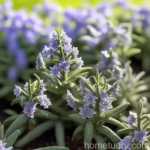
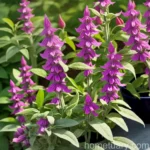
Salvia farinacea belongs to the Lamiaceae family and is native to the American Southwest, including Texas and Mexico. This perennial plant is known for its striking, spiky blue flowers and gray-green foliage, making it a popular choice for garden borders, mass plantings, and containers.
Key Takeaways – Salvia farinacea (Mealy Cup Sage)
Before delving into the specifics of Salvia farinacea’s cultivation and care, let’s summarize some key takeaways about this plant:
- Salvia farinacea uses: Landscaping, medicinal purposes, ornamental value.
- Salvia farinacea care: Low-maintenance, drought-tolerant, versatile.
- Mealy Cup Sage plant: Perennial, native to American Southwest.
- Salvia farinacea varieties: Multiple varieties available with varying flower colors and sizes.
- Salvia farinacea maintenance: Minimal pruning and upkeep required.
- Salvia farinacea growth requirements: Well-drained soil, ample sunlight, moderate water.
- Growing Mealy Cup Sage: Suitable for both garden beds and containers.
- Mealy Cup Sage flowers: Abundant, spiky blue or white blooms.
- Salvia farinacea landscaping: Ideal for borders, mass plantings, and mixed perennial beds.
- Salvia farinacea propagation: Can be propagated from seeds or cuttings.
- Mealy Cup Sage perennial: Resilient and long-lasting plant.
- Salvia farinacea medicinal uses: Traditional medicinal uses for various ailments.
- Salvia farinacea watering: Moderate watering needs, drought-tolerant once established.
- Salvia farinacea pruning: Occasional deadheading for continuous blooms.
- Mealy Cup Sage seeds: Available for propagation and cultivation.
- Salvia farinacea drought tolerance: Well-adapted to dry conditions.
- Salvia farinacea sun requirements: Thrives in full sun, partial shade in hotter climates.
Now that we have an overview of the key aspects of Salvia farinacea, let’s delve into the specific details of its culture, care, and uses.
Culture
Water
Salvia farinacea is a relatively drought-tolerant plant, especially once it is established. When growing Mealy Cup Sage, it is important to avoid overwatering, as excessive moisture can lead to root rot and other fungal issues. For optimal growth and flowering, the plant typically requires regular watering during dry spells, but it is crucial to allow the soil to dry out between watering sessions.
Sunlight
This plant thrives in full sun and tends to produce more robust blooms when exposed to ample sunlight. In hotter climates or during particularly scorching summers, providing partial shade during the hottest part of the day can help prevent stress on the plant. However, in general, Salvia farinacea is well-suited to sunny locations and can tolerate a range of light conditions.
Fertilizer
Salvia farinacea is not particularly heavy feeder and can thrive in nutrient-poor soils. However, for optimal growth and flowering, a balanced, slow-release fertilizer can be applied in the spring as new growth begins. Using a fertilizer with a slightly higher phosphorus content can encourage prolific flowering and overall plant health.
Soil
Well-drained soil is essential for the successful growth of Salvia farinacea. It is best to plant in soil that is rich in organic matter and has good drainage to prevent waterlogging. Sandy or loamy soils are generally well-suited for this plant, and incorporating some coarse sand or perlite can improve drainage in heavier soils.
Pruning
Pruning Salvia farinacea is relatively minimal and primarily involves deadheading spent flowers to encourage continuous blooming. This process not only maintains the plant’s appearance but also stimulates the development of new flower spikes. In colder climates, cutting back the plant in late fall or early spring can help promote new growth and ensure healthy, vigorous plants for the upcoming season.
Propagation
Mealy Cup Sage can be propagated through both seeds and cuttings. When collecting seeds, it is important to ensure that they are fully mature before harvesting. Sowing the seeds indoors in early spring or directly in the garden after the last frost can yield new plants with minimal effort. Propagating through softwood cuttings offers another reliable method, especially for individuals looking to replicate specific traits or varieties.
Container Popularity
Salvia farinacea’s versatility and adaptability make it an excellent choice for container gardening. The striking vertical growth habit and vibrant flowers of Mealy Cup Sage can add visual interest to any container arrangement. Furthermore, being relatively low-maintenance, it is well-suited for individuals looking to introduce floral elements to their outdoor spaces without excessive upkeep.
Common Diseases
While Salvia farinacea is generally resistant to many diseases and pests, certain conditions can make it susceptible to issues. Understanding these potential ailments and how to prevent them is crucial in maintaining healthy plants.
Disease Diagnosis
One of the most common diseases that affect Salvia farinacea is root rot, which is typically caused by overwatering and poorly drained soil. Symptoms of root rot include wilting, yellowing foliage, and stunted growth. To prevent this, it is important to ensure adequate drainage and avoid overwatering.
Common Pests
Mealy Cup Sage is relatively resistant to pests, but there are a few potential culprits to watch out for, including:
- Aphids: These small, soft-bodied insects can cluster on new growth and feed on the plant’s sap, potentially causing distortion of leaves and flower buds.
- Spider Mites: These tiny arachnids can cause stippling on the plant’s leaves and may leave behind fine webbing on the underside of the foliage.
Regular monitoring and maintaining a healthy growing environment are key to preventing pest infestations.
Botanist’s Tips
To ensure the successful cultivation of Salvia farinacea, here are some expert tips to keep in mind:
- Mulching: Applying a layer of mulch around the base of the plant can help regulate soil moisture and temperature, making it particularly beneficial in regions with fluctuating weather conditions.
- Companion Planting: Pairing Salvia farinacea with other drought-tolerant and sun-loving plants, such as lavender and yarrow, can create visually appealing and ecologically beneficial garden beds.
- Wildlife Attraction: Beyond their ornamental value, the flowers of Salvia farinacea are highly attractive to pollinators, including bees and butterflies, making them a valuable addition to wildlife-friendly gardens.
Fun Facts
Salvia farinacea has several interesting characteristics and historical uses that make it a fascinating addition to any garden. Here are a few fun facts about Mealy Cup Sage:
- Medicinal History: Traditionally, various Native American tribes utilized different parts of the plant for medicinal purposes, including treating fever, coughs, and other ailments.
- Drought Tolerance: Mealy Cup Sage has evolved to survive in dry, arid environments, making it an ideal choice for water-wise landscaping and xeriscaping projects.
- Attractive to Hummingbirds: In addition to attracting bees and butterflies, the tubular flowers of Salvia farinacea are especially appealing to hummingbirds, adding an additional dimension of wildlife interaction in the garden.
Links to External Resources
For further information and detailed insights on Salvia farinacea and its cultivation, the following external resources can be valuable references:
- The Salvia Garden – American Meadows
- Mealy Cup Sage – Texas A&M AgriLife Extension
- Growing Salvia farinacea – University of Florida IFAS Extension
- Planting and Care of Mealy Cup Sage – Missouri Botanical Garden
- Salvia farinacea – The University of Texas at Austin, Lady Bird Johnson Wildflower Center
Salvia farinacea, with its vibrant blooms, easy care requirements, and ecological benefits, offers a wealth of opportunities for gardeners and plant enthusiasts. Whether used as a low-maintenance border plant, a colorful addition to container gardens, or a valuable resource for pollinators, Mealy Cup Sage continues to captivate individuals with its beauty and resilience. By understanding its culture, care, and significance, one can fully appreciate the remarkable attributes of this versatile plant.
In conclusion, Salvia farinacea stands as a testament to the adaptability and beauty of native plants, and its inclusion in diverse landscapes enriches both the environment and the individuals who nurture it.
Keywords: Salvia farinacea uses, Salvia farinacea care, Mealy Cup Sage plant, Salvia farinacea varieties, Salvia farinacea maintenance, Salvia farinacea growth requirements, Growing Mealy Cup Sage, Mealy Cup Sage flowers, Salvia farinacea landscaping, Salvia farinacea propagation, Mealy Cup Sage perennial, Salvia farinacea medicinal uses, Salvia farinacea watering, Salvia farinacea pruning, Mealy Cup Sage seeds, Salvia farinacea drought tolerance, Salvia farinacea sun requirements, Mealy Cup Sage garden, Salvia farinacea soil preferences, Salvia farinacea blooming period, Salvia farinacea pollinator attractor, Mealy Cup Sage growth habits, Salvia farinacea hardiness, Salvia farinacea container gardening, Salvia farinacea native habitat, Mealy Cup Sage landscaping ideas, Salvia farinacea planting tips, Salvia farinacea indoor care, Salvia farinacea companion plants, Mealy Cup Sage pests and diseases, Salvia farinacea wildlife-friendly plant, Salvia farinacea color variations, Mealy Cup Sage medicinal properties, Salvia farinacea fragrance, Salvia farinacea cut flowers, Salvia farinacea seasonality, Mealy Cup Sage natural remedies, Salvia farinacea edging plants, Salvia farinacea ground cover, Salvia farinacea border plant, Mealy Cup Sage ornamental value, Salvia farinacea herbal uses, Salvia farinacea flower spikes, Salvia farinacea leaf shape, Mealy Cup Sage spring planting, Salvia farinacea summer blooms, Salvia farinacea winter care, Salvia farinacea fragrance garden, Mealy Cup Sage humidity tolerance, Salvia farinacea garden design