The Fascinating World of Salvia Coccinea ‘Summer Jewel Lavender’ (Scarlet Sage): A Comprehensive Guide
Introduction
Plants play a crucial role in our daily lives, offering us beauty, food, and even medicinal benefits. Within the vast array of plant species, Salvia coccinea ‘Summer Jewel Lavender’ or commonly known as Scarlet Sage stands out as an extraordinary specimen. In this comprehensive guide, we’ll delve into the captivating realm of Salvia coccinea ‘Summer Jewel Lavender’ – exploring its culture, uses, care requirements, and more. We’ll also uncover fun facts, potential health benefits, and practical tips for growing and maintaining this exquisite plant.
Key Takeaways – Salvia Coccinea ‘Summer Jewel Lavender’ (Scarlet Sage)
Before diving into the specifics, let’s briefly highlight some key takeaways about Salvia coccinea ‘Summer Jewel Lavender’ to set the stage for our detailed exploration.
- Plant Name: Salvia coccinea ‘Summer Jewel Lavender’ (Scarlet Sage)
- Other Common Names: Scarlet Sage ‘Summer Jewel Lavender’
- Cultivar of: Salvia coccinea
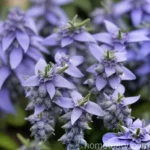
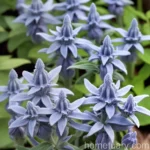
- Color: Lavender
- Growth Habit: Perennial
- Blooming Period: Summer
- Uses: Ornamental, Pollinator-attracting
- Key Features: Vibrant lavender-colored flowers, drought-tolerant
Cultivation
Water
Proper watering is crucial for the health and vigor of Salvia coccinea ‘Summer Jewel Lavender. This plant requires moderate watering, provided the soil is well-draining. It is essential to avoid overwatering, as this can lead to root rot and other related issues. During the growing season, water the plant when the top inch of soil feels dry to the touch. However, during the dormant winter months, reduce watering frequency to prevent standing water around the roots.
Sunlight
Salvia coccinea ‘Summer Jewel Lavender’ flourishes in full sunlight, making it an ideal choice for gardens and landscapes with ample sun exposure. This plant requires at least 6-8 hours of direct sunlight daily to promote healthy growth and prolific flowering. When selecting a planting location, ensure it receives the required sunlight to support the robust development of Salvia coccinea ‘Summer Jewel Lavender.
Fertilizer
Proper fertilization plays a vital role in enhancing the growth and blooming potential of Salvia coccinea ‘Summer Jewel Lavender. Use a balanced, all-purpose fertilizer to promote healthy foliage and abundant flowers. Apply the fertilizer in early spring as new growth emerges, following the manufacturer’s recommended dosage and application method. Avoid excessive fertilization, as this can lead to an imbalance in growth and flowering.
Soil
Well-draining, fertile soil is essential for cultivating thriving Salvia coccinea ‘Summer Jewel Lavender plants. The soil should have good drainage properties to prevent waterlogging and root rot. A loamy soil type with adequate organic matter content is often preferred. Regularly amend the soil with organic compost or well-rotted manure to maintain its fertility and structure, providing an ideal environment for robust growth.
Pruning
Regular pruning is beneficial for Salvia coccinea ‘Summer Jewel Lavender, promoting bushier growth and stimulating additional flowering. In early spring, remove any dead or damaged growth from the previous season. Additionally, pinch back the growing tips of the plant to encourage lateral branching and a more compact form. Deadheading spent flowers throughout the blooming period can also prolong the flowering season, ensuring a continuous display of vibrant blooms.
Propagation
Salvia coccinea ‘Summer Jewel Lavender can be propagated through various methods, including seed propagation and cuttings.
Seed Propagation
- Seed Collection: Collect mature seeds from the plant once the flower spikes have dried and the seeds appear ripe.
- Seed Starting: Sow the seeds indoors in early spring, approximately 6-8 weeks before the last frost date.
- Soil and Watering: Plant the seeds in well-draining seed starting mix and maintain adequate moisture levels for germination.
- Transplanting: Once the seedlings have developed several sets of true leaves, they can be transplanted into individual pots or directly into the garden after the danger of frost has passed.
Cuttings
- Cutting Preparation: Take 4-6 inch stem cuttings from healthy, actively growing Salvia coccinea ‘Summer Jewel Lavender plants.
- Rooting Medium: Dip the cut ends in a rooting hormone and plant them in a well-draining rooting medium, such as perlite or a mix of peat and perlite.
- Rooting Process: Provide bottom heat and maintain adequate moisture levels to encourage the development of roots.
Container Popularity
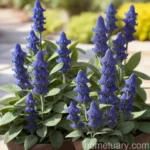
The enchanting beauty and adaptability of Salvia coccinea ‘Summer Jewel Lavender make it a popular choice for container gardening. The plant’s compact growth habit and stunning blooms make it an excellent addition to containers and patio gardens. When selecting a container for Salvia coccinea ‘Summer Jewel Lavender, opt for a well-draining pot that allows the roots to breathe and prevents waterlogging. Regular watering and fertilization are essential when growing Salvia coccinea ‘Summer Jewel Lavender in containers to ensure healthy and continuous flowering.
Common Diseases
While generally resilient, Salvia coccinea ‘Summer Jewel Lavender can be susceptible to certain diseases, particularly those related to overly wet conditions and poor air circulation. Some common diseases that may affect this plant include:
- Powdery Mildew: A fungal disease that manifests as a powdery white coating on the foliage, affecting overall plant health and vigour.
- Root Rot: Caused by overwatering and waterlogged soil, leading to the rotting of the plant’s root system.
- Leaf Spot: Characterized by the presence of dark spots or lesions on the leaves, often caused by fungal pathogens.
Disease Diagnosis
When observing symptoms of disease or stress in Salvia coccinea ‘Summer Jewel Lavender, prompt diagnosis is crucial for effective management and treatment.
Powdery Mildew Diagnosis
- Symptoms: Look for the presence of a powdery white coating on the upper and lower leaf surfaces.
- Inspection: Examine the affected plant parts for signs of stunted growth and distorted leaves.
- Environmental Conditions: Evaluate the environmental factors, such as high humidity and limited air circulation, that may favour powdery mildew development.
- Control Measures: Implement cultural practices and, if necessary, fungicidal treatments to manage and prevent powdery mildew.
Root Rot Diagnosis
- Root Inspection: Gently excavate the soil around the base of the plant to inspect the roots for discoloration, mushiness, or a foul odour.
- Soil Moisture Assessment: Evaluate the soil moisture levels and drainage to identify waterlogged conditions contributing to root rot.
- Rectification: Improve the soil drainage, adjust watering practices, and consider the use of fungicidal treatments if root rot is identified.
Leaf Spot Diagnosis
- Leaf Examination: Examine the leaves for the presence of dark spots, lesions, or discoloured areas.
- Cultural Analysis: Review the plant’s cultural practices, including watering methods and spacing, to identify potential contributors to leaf spot development.
- Treatment Strategies: Adopt proper sanitation practices, adjust irrigation, and optionally apply fungicidal treatments to manage and prevent leaf spot.
Common Pests
Salvia coccinea ‘Summer Jewel Lavender may encounter certain insect pests that can impact its growth and overall vitality. Vigilance and timely intervention are key to managing pest infestations effectively.
Aphids
Aphids are small, sap-sucking insects that can cluster on the growing tips and undersides of leaves, causing stunted growth and deformities in the affected plant parts. Regularly inspect the plant for aphid infestations and employ preventive measures such as insecticidal soaps or horticultural oils to manage their presence.
Spider Mites
Spider mites are tiny arachnids that feed on the plant’s sap, leading to stippled or discoloured foliage and the formation of fine webbing. Introduce natural predators, such as predatory mites, to control spider mite populations and maintain a healthy balance in the garden ecosystem.
Whiteflies
Whiteflies are small, winged insects that congregate on the undersides of leaves and can cause yellowing, wilting, and premature leaf drop. Implement insecticidal treatments and enhance natural predatory insect populations to manage and deter whitefly infestations.
Botanist’s Tips
To ensure the successful cultivation and maintenance of Salvia coccinea ‘Summer Jewel Lavender, consider the following expert tips and recommendations:
- Selecting Planting Location: Choose a well-drained, sunny location for planting to provide optimal growing conditions for Salvia coccinea ‘Summer Jewel Lavender.
- Adequate Watering: Avoid overwatering to prevent root rot, while ensuring the plant receives sufficient moisture during the active growing season.
- Regular Pruning: Engage in regular pruning and deadheading to promote bushier growth and prolong the blooming period.
- Pest Monitoring: Regularly monitor the plant for signs of pest infestations and employ timely interventions to manage pest populations effectively.
Fun Facts
Uncover some intriguing and fun facts about Salvia coccinea ‘Summer Jewel Lavender that showcase its unique characteristics and appeal:
- Pollinator Magnet: Salvia coccinea ‘Summer Jewel Lavender is a magnet for pollinators, including bees, butterflies, and hummingbirds, contributing to a thriving garden ecosystem.
- Medicinal Uses: Some traditional medicinal uses have been associated with certain species of Salvia, demonstrating potential health benefits beyond their ornamental value.
- Drought Tolerance: Salvia coccinea ‘Summer Jewel Lavender exhibits remarkable drought tolerance, making it a suitable choice for water-wise landscapes and regions with limited water resources.
Links to External Resources
To expand your knowledge and explore further details about Salvia coccinea ‘Summer Jewel Lavender, consider referring to the following external resources for additional insights:
- University of Florida – IFAS Extension: Salvia coccinea
- Missouri Botanical Garden: Salvia coccinea
- The Spruce: Scarlet Sage (Salvia coccinea)
By leveraging these external resources, you can gain a comprehensive understanding of the growth habits, care requirements, and potential applications of Salvia coccinea ‘Summer Jewel Lavender in various settings.
In conclusion, Salvia coccinea ‘Summer Jewel Lavender or Scarlet Sage stands as a captivating plant species with remarkable beauty, adaptability, and potential benefits. By embracing the insights and recommendations outlined in this comprehensive guide, you can confidently cultivate and cherish the vibrant blooms and alluring foliage of this remarkable plant in your garden or landscape. Whether you’re a seasoned horticulturist or an enthusiastic beginner, the allure of Salvia coccinea ‘Summer Jewel Lavender invites you to embark on a journey of discovery and appreciation for the flora that enriches our lives.