Rosa ‘Ghislaine De Feligonde’ (Rambling Rose)
Rosa ‘Ghislaine de Feligonde’ is a delightful rambling rose known for its vigorous growth habit, breathtaking blooms, and lovely fragrance. Whether you are.

Rosa ‘Ghislaine de Feligonde’ is a delightful rambling rose known for its vigorous growth habit, breathtaking blooms, and lovely fragrance. Whether you are a beginner or an experienced gardener, this charming rose variety can be a wonderful addition to your garden. In this comprehensive guide, we will explore everything you need to know about cultivating and caring for Rosa ‘Ghislaine de Feligonde’. From its cultural requirements and uses to propagation techniques and common diseases, we will cover all aspects of growing and enjoying this beautiful rambling rose.
What is Rosa ‘Ghislaine de Feligonde’?
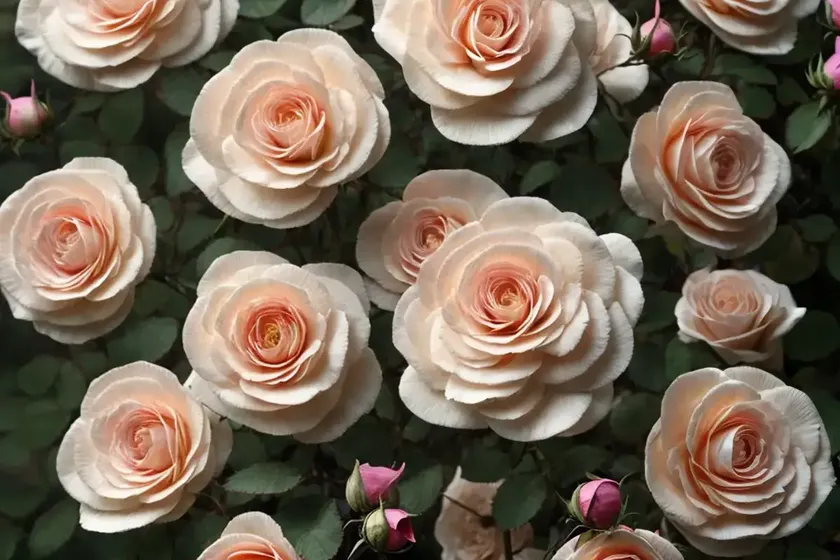
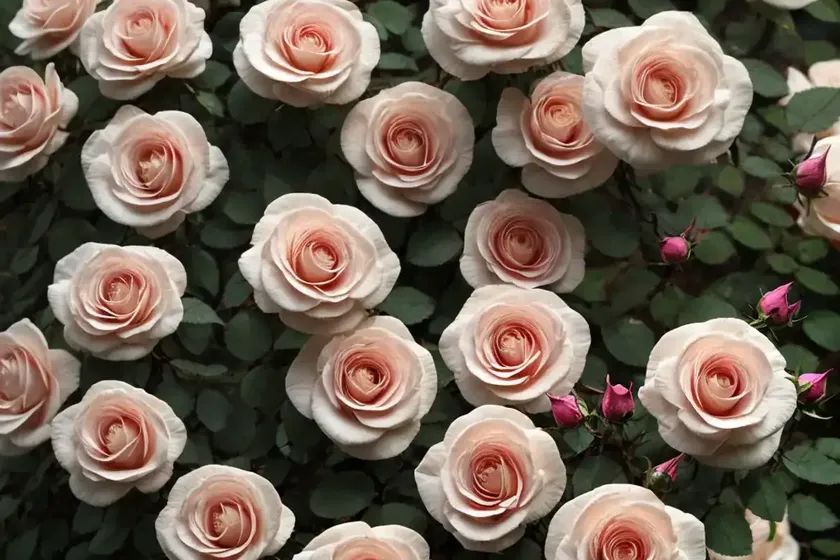
Rosa ‘Ghislaine de Feligonde’ is a vigorous rambling rose that belongs to the Rosaceae family. This charming rose variety is known for its long, arching canes and profuse clusters of small, apricot-yellow blooms. The flowers of Rosa ‘Ghislaine de Feligonde’ exude a delightful, sweet fragrance, adding an extra dimension of charm to its overall appeal.
This rose is a hybrid musk shrub created by French breeder Turbat in 1916. Its name honors the wife of a French parliamentarian at the time. The rose has received various awards for its exceptional qualities, including its disease resistance, making it a popular choice among gardeners worldwide.
Key Takeaways – Rosa ‘Ghislaine de Feligonde’
Before delving into the specific aspects of cultivating Rosa ‘Ghislaine de Feligonde’, let’s take a quick look at the key takeaways that will guide us through this comprehensive guide.
- Growth Habit: Vigorous and spreading, with long, arching canes.
- Flower Color: Small, apricot-yellow blooms in profuse clusters.
- Fragrance: Delightful, sweet fragrance.
- Disease Resistance: Well-known for its excellent disease resistance.
- Awards: Recognized and awarded for its exceptional qualities.
Now that we have a basic understanding of Rosa ‘Ghislaine de Feligonde’, let’s explore the essential cultural requirements for successfully growing and enjoying this lovely rambling rose.
Culture
Cultivating Rosa ‘Ghislaine de Feligonde’ successfully requires a good understanding of its specific cultural needs. From the soil and water requirements to sunlight preferences, proper care is essential for the optimal growth and blooming of this charming rose variety.
Uses
The beautiful and vigorous nature of Rosa ‘Ghislaine de Feligonde’ makes it a versatile plant with several potential uses in the garden. Here are some common uses of this rambling rose:
- Climbing: Its long, arching canes make it suitable for climbing on fences, trellises, and walls.
- Ground Cover: The spreading growth habit can be trained to provide ground cover in suitable locations.
- Mixed Borders: Adds a touch of elegance and fragrance to mixed borders and cottage gardens.
- Cut Flowers: The fragrant blooms are ideal for cut flower arrangements, adding a beautiful touch indoors.
Water
Similar to many rose varieties, Rosa ‘Ghislaine de Feligonde’ benefits from regular watering, especially during the growing season and dry periods. Adequate moisture is essential for the plant’s overall health and blooming performance.
- Watering Schedule: Water deeply and thoroughly, ensuring that the soil around the roots is consistently moist but not waterlogged.
- Frequency: Depending on the climate and local conditions, aim to water the plant 2-3 times per week, adjusting as needed based on weather and soil moisture levels.
Sunlight
Proper sunlight is crucial for the growth and blooming of Rosa ‘Ghislaine de Feligonde’. As a sun-loving plant, it thrives in locations with ample sunlight and warmth.
- Sun Requirements: Plant in a location with full sun exposure, providing at least 6-8 hours of direct sunlight each day for optimal growth and blooming.
- Shade Tolerance: While it prefers full sun, the plant can tolerate partial shade, especially in regions with intense afternoon sunlight.
Fertilizer
To support the vigorous growth and abundant blooming of Rosa ‘Ghislaine de Feligonde’, proper fertilization is essential. A balanced approach to fertilizing will ensure that the plant receives the necessary nutrients for healthy development.
- Fertilizer Type: Use a balanced, slow-release fertilizer specifically formulated for roses or flowering plants.
- Application Schedule: Apply fertilizer in early spring as new growth emerges and again in mid-summer to support continuous flowering.
- Quantity: Follow the manufacturer’s recommendations for the appropriate quantity based on the size and age of the plant.
Soil
The right soil conditions play a vital role in the successful cultivation of Rosa ‘Ghislaine de Feligonde’. Providing a suitable growing medium will contribute to the overall health and vigor of the plant.
- Well-Draining Soil: Plant in well-draining, loamy soil that provides good aeration and moisture retention without becoming waterlogged.
- Soil Amendments: Incorporate organic matter such as compost or well-rotted manure into the soil to enhance its fertility and structure.
Pruning
Pruning is an important aspect of maintaining the health, shape, and blooming performance of Rosa ‘Ghislaine de Feligonde’. Proper pruning techniques will ensure that the plant continues to thrive year after year.
- Pruning Time: Prune in late winter or early spring before the new growth begins.
- Pruning Objectives: Remove dead, damaged, or crossing branches to maintain an open, airy framework and encourage new growth and blooming.
- Tools: Use clean, sharp pruning shears to make precise cuts without causing unnecessary damage to the plant.
Propagation
For gardeners interested in propagating Rosa ‘Ghislaine de Feligonde’ to expand their collection or share with others, several proven propagation methods can be employed.
- Propagation Methods: Propagate through stem cuttings, layering, or grafting, selecting healthy and disease-free plant material for the best results.
- Timing: Spring or early summer is generally the best time for propagating roses, taking advantage of the plant’s active growth period.
Container Popularity
While Rosa ‘Ghislaine de Feligonde’ is often grown as a climbing rose in garden landscapes, it also exhibits popularity as a container plant, offering an opportunity for urban and space-constrained gardeners to enjoy its beauty.
- Container Size: Select a large, sturdy container with sufficient depth and room for the plant’s root system to spread and grow.
- Support Structure: Provide a stable trellis or support structure within the container to guide the plant’s climbing growth.
- Soil Mix: Use a well-draining, nutrient-rich potting mix suitable for roses and outdoor container plants.
Now that we have explored the essential cultural aspects of cultivating Rosa ‘Ghislaine de Feligonde’, let’s delve into the plant’s disease resistance, common pests, and essential tips for successful care.
Common Diseases
Rosa ‘Ghislaine de Feligonde’ is well-regarded for its excellent disease resistance, although it is not completely immune to certain common rose diseases. Understanding these potential challenges and taking proactive measures can help maintain the plant’s health and vitality.
- Powdery Mildew: Keep an eye on the foliage for signs of powdery mildew, a common fungal disease that can impact roses. Provide adequate air circulation and consider fungicidal treatments if necessary.
- Black Spot: Regularly inspect the leaves for black spot, a fungal disease that can lead to defoliation and reduced blooming. Prune affected foliage and use preventive fungicidal sprays as needed.
- Rust: Prevent and manage rust, another fungal disease that can affect roses, by promptly removing and disposing of infected plant parts and using suitable fungicidal treatments.
Disease Diagnosis
Early detection and accurate diagnosis of potential diseases are essential for effective disease management. If you notice any abnormal symptoms or changes in the plant’s health, it’s important to take proactive steps to diagnose and address the issue promptly.
- Symptom Identification: Learn to identify common disease symptoms such as discolored or spotted foliage, unusual growths, and abnormal patterns in blooming.
- Resource Utilization: Consult reputable gardening resources, local extension services, and experienced rosarians to seek guidance and expertise in diagnosing potential diseases.
Common Pests
While Rosa ‘Ghislaine de Feligonde’ possesses good resistance to many common pests, it can still be susceptible to certain insect-related challenges that gardeners should be mindful of.
- Aphids: Keep an eye out for aphids, small insects that can congregate on new growth and flower buds, causing damage and potential deformities. Use insecticidal soaps or natural predators such as ladybugs for control.
- Spider Mites: Monitor for spider mite infestations, indicated by fine webbing and stippling on the foliage. Employ water sprays and targeted acaricides for mite management if necessary.
- Thrips: Be attentive to thrips, tiny insects that can cause discoloration and distortion of blooms and foliage. Utilize suitable insecticidal treatments to address thrip populations if detected.
Botanist’s Tips
To provide a comprehensive understanding of Rosa ‘Ghislaine de Feligonde’ and its cultivation, let’s explore some valuable tips and insights shared by experienced botanists and rose enthusiasts.
- Training and Support: When training the rambling growth of Rosa ‘Ghislaine de Feligonde’, ensure that the support structures, such as trellises or arches, are sturdy and able to accommodate the plant’s vigorous growth.
- Regular Monitoring: Regularly monitor the plant for any signs of disease, pests, or growth irregularities, addressing any issues promptly to maintain the plant’s health and vitality.
- Proactive Soil Care: Implement regular soil testing and amendment practices to ensure that the plant’s growing medium remains fertile, well-draining, and conducive to healthy growth.
Fun Facts
Before we wrap up this extensive guide to Rosa ‘Ghislaine de Feligonde’, let’s take a moment to explore some interesting and lesser-known facts about this delightful rambling rose variety.
- Historical Significance: Named after the wife of a French parliamentarian, Rosa ‘Ghislaine de Feligonde’ holds a special historical connection and has been cherished for many decades.
- Fragrant Blooms: The delightful fragrance of its small, apricot-yellow blooms adds an extra layer of charm to the overall appeal of Rosa ‘Ghislaine de Feligonde’.
Links to External Resources
To further enrich your knowledge and provide additional insights into cultivating and enjoying Rosa ‘Ghislaine de Feligonde’, the following links to external resources can serve as valuable references:
- Royal Horticultural Society – Growing Rambling Roses
- American Rose Society – Pruning Rambling Roses
- University of California Integrated Pest Management – Rose Pests
With the information and guidance provided in this comprehensive guide, you are equipped with essential knowledge to successfully cultivate and care for Rosa ‘Ghislaine de Feligonde’. Whether you are a novice gardener or an experienced rose enthusiast, the beauty and charm of this lovely rambling rose are sure to bring joy and elegance to your garden space. Happy gardening!
Last Updated: {{date time=”MMMM DD, YYYY”}}


