Salix Purpurea (Purple Willow)
As a plant scientist, I am excited to share valuable insights about the Salix purpurea, commonly known as the Purple Willow. This beautiful and versatile.


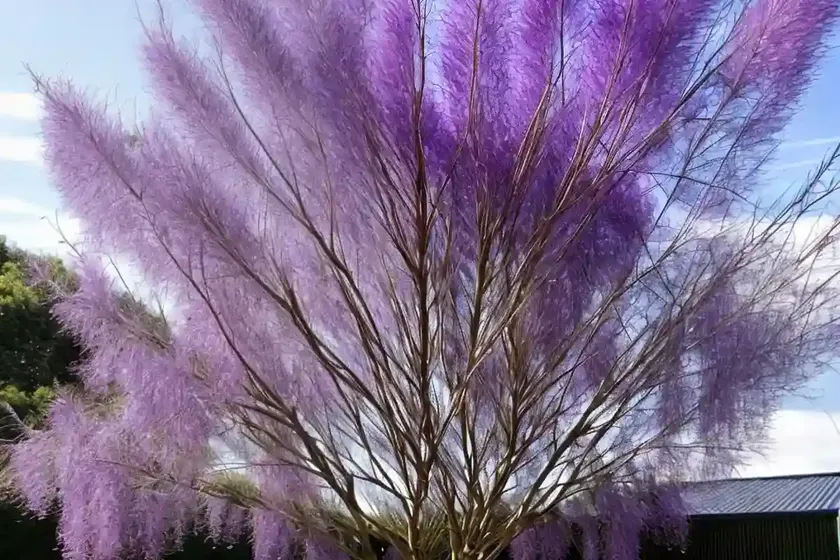
As a plant scientist, I am excited to share valuable insights about the Salix purpurea, commonly known as the Purple Willow. This beautiful and versatile plant holds numerous characteristics, uses, and benefits, making it an intriguing subject of study for botanists, horticulturists, and gardening enthusiasts.
In this comprehensive guide, we will delve into the various aspects of the Purple Willow, including its cultural requirements, uses, propagation, common diseases, and much more. Whether you are a professional landscaper, a gardening enthusiast, or simply intrigued by the wonders of nature, this guide will provide you with a deep understanding of Salix purpurea and its significance in horticulture, ecology, and folklore.
What is Salix purpurea (Purple Willow)
Salix purpurea, commonly known as the Purple Willow, belongs to the family Salicaceae and the genus Salix. It is a deciduous shrub or small tree that is native to Europe and Western Asia. The distinctive feature of the Purple Willow is its slender purple branches, giving it a unique and ornamental appearance. It is widely cultivated for its aesthetic appeal, ecological benefits, and diverse uses in landscaping and traditional practices.
Key Takeaways – Salix purpurea (Purple Willow)
Before we delve into the specific aspects of the Purple Willow, let’s take a quick glance at the key takeaways that we will explore in detail in the subsequent sections.
Culture
– The cultural requirements for growing and maintaining Salix purpurea.
Uses
– The versatile uses of the Purple Willow in various settings, including landscaping, traditional practices, and ecological applications.
Water
– Understanding the water requirements of Salix purpurea for optimal growth and health.
Sunlight
– The ideal sunlight conditions for cultivating Purple Willow and ensuring its vitality.
Fertilizer
– Guidelines for fertilizing the Purple Willow to support its growth and development.
Soil
– The preferred soil types and conditions for planting and nurturing Salix purpurea.
Pruning
– Techniques and best practices for pruning the Purple Willow to maintain its shape and vigor.
Propagation
– Methods for propagating Salix purpurea to expand its presence in gardens and natural settings.
Container Popularity
– The suitability of growing Purple Willow in containers for urban and space-limited environments.
Common Diseases
– Identification and management of common diseases that may affect Salix purpurea.
Disease Diagnosis
– The process of diagnosing diseases and addressing health issues in Purple Willow.
Common Pests
– Understanding the common pests that may pose a threat to the health of Salix purpurea.
Botanist’s Tips
– Valuable insights and tips from botanists for cultivating and caring for Purple Willow.
Fun Facts
– Intriguing and lesser-known facts about Salix purpurea that add to its appeal.
Links to External Resources
– Additional resources for further exploration of Salix purpurea and related topics.
Now, let’s embark on an enlightening journey to unravel the captivating world of Salix purpurea.
Culture
Cultivating Salix purpurea requires an understanding of its cultural requirements, including water, sunlight, fertilizer, soil, pruning, and propagation. By catering to these essential needs, one can ensure the healthy growth and vitality of the Purple Willow in diverse settings, from gardens and parks to urban landscapes.
Water
As a plant native to wetland habitats, Salix purpurea exhibits a preference for moist to wet soil conditions. Adequate moisture is essential for the optimal growth of Purple Willow, especially during its initial establishment and active growing seasons. However, it is crucial to avoid waterlogged conditions, which can lead to root rot and other detrimental effects. Regular watering, particularly during dry spells, is vital to sustain the vigor of Salix purpurea, especially in regions with limited rainfall.
Sunlight
Salix purpurea thrives in full sunlight, displaying its most vibrant colors and ensuring robust growth under such conditions. While it can tolerate partial shade, providing ample sunlight is key to unlocking the Purple Willow’s full ornamental potential. When selecting a planting location, prioritize areas that receive abundant sunlight throughout the day to facilitate the plant’s photosynthetic processes and overall well-being.
Fertilizer
In nutrient-deficient soils, the application of a balanced fertilizer can enhance the growth and vitality of Salix purpurea. A slow-release fertilizer formulated for woody plants can be applied in early spring to provide the necessary nutrients for the Purple Willow’s growth and development. It is essential to follow the recommended application rates and avoid excessive fertilization, which can lead to adverse effects on the plant and surrounding ecosystem.
Soil
The ideal soil for Salix purpurea is moist, well-draining, and rich in organic matter. It is well-adapted to various soil types, including loamy, sandy, and clay soils, as long as they offer adequate drainage to prevent waterlogging. Prior to planting, amending the soil with organic compost can improve its structure and fertility, creating a conducive environment for the Purple Willow to establish strong roots and thrive.
Pruning
Regular pruning is essential for maintaining the shape, size, and health of Salix purpurea. The Purple Willow’s natural tendency to produce numerous slender branches necessitates occasional pruning to prevent overcrowding and promote air circulation within the canopy. Pruning can be conducted during the plant’s dormant season, typically in late winter or early spring, to remove dead or damaged branches and shape the plant according to the desired aesthetic and structural goals.
Propagation
Salix purpurea can be propagated through various methods, including softwood cuttings and seed propagation. Softwood cuttings, taken from young, actively growing branches, can be rooted in a well-draining propagation medium to establish new plants. Additionally, Purple Willow seeds can be collected from mature catkins and sown in suitable growing conditions to produce seedlings for further cultivation. Both methods offer opportunities to expand the presence of Salix purpurea in diverse landscapes and horticultural settings.
Uses
The versatile uses of Salix purpurea extend beyond its ornamental value, encompassing its ecological contributions, traditional practices, and landscaping applications. Understanding the diverse roles of the Purple Willow sheds light on its significance and relevance in various contexts, from wildlife habitat conservation to herbal remedies.
Landscaping
Salix purpurea holds significant appeal in landscaping due to its striking purple branches, which add a unique and enchanting element to garden designs and natural settings. It is often utilized in mixed borders, wetland gardens, and streamside plantings to introduce visual interest and a touch of wild beauty. The weeping form of some Purple Willow varieties further enhances their ornamental value, creating graceful and picturesque focal points in landscapes.
Ecological Importance
In addition to its visual allure, Salix purpurea plays a crucial ecological role in promoting biodiversity and supporting wildlife habitats. The Purple Willow provides valuable food and shelter for various bird species and small mammals, contributing to the ecological balance of riparian and wetland ecosystems. Its adaptability to wet soils makes it an excellent choice for stabilizing riverbanks, controlling erosion, and enhancing the resilience of aquatic environments.
Herbal Remedies
The traditional uses of Salix purpurea in herbal remedies date back centuries, with various parts of the plant possessing medicinal properties. The bark of Purple Willow contains salicin, a compound that has been historically used for its pain-relieving and anti-inflammatory effects. While modern medicine has derived aspirin from salicin, traditional herbalists have utilized Purple Willow preparations to alleviate pain, reduce fevers, and address various health concerns.
Natural Dyes
The bark and young twigs of Salix purpurea have been utilized for producing natural dyes with shades of yellow, brown, and green. This historical practice demonstrates the versatility of the Purple Willow beyond its ornamental and ecological roles, highlighting its cultural and practical significance in traditional crafts and textile arts.
Wildlife Value
The abundant catkins of Purple Willow serve as an important food source for pollinators, such as bees and butterflies, during the spring season. As a magnet for various insect species, Salix purpurea contributes to the vibrancy of pollinator populations and supports the intricate web of ecological interactions within natural landscapes.
Common Diseases
While Salix purpurea is generally resilient and adaptable, it is susceptible to certain diseases that can impact its health and vitality. Recognizing and addressing these common diseases is essential for maintaining the vigor and visual appeal of Purple Willow in gardens, parks, and natural habitats.
Bacterial Blight (Pseudomonas syringae)
Bacterial blight is a prevalent disease that can affect Salix purpurea, causing symptoms such as wilting, leaf spots, and stem cankers. The bacterium Pseudomonas syringae is responsible for this disease, which can spread through contaminated water, tools, and plant debris. Pruning affected branches and promoting good air circulation can help manage bacterial blight, while avoiding overhead irrigation can reduce the risk of disease spread.
Willow Scab (Venturia saliciperda)
Willow scab, caused by the fungus Venturia saliciperda, manifests as dark, sunken lesions on the leaves of Salix purpurea, leading to defoliation and diminished plant vigor. To mitigate the impact of willow scab, prompt removal and disposal of infected leaves, and the application of fungicidal treatments during the early stages of the disease can aid in preventing its progression.
Canker Diseases
Canker diseases, including willow anthracnose and Botryosphaeria canker, can affect the branches and trunk of Salix purpurea, causing dieback and decline. These fungal diseases thrive in moist conditions and can spread rapidly under favorable environmental circumstances. Pruning diseased branches, promoting proper drainage, and maintaining overall plant health through cultural practices can contribute to the prevention and management of canker diseases.
Root Rot (Phytophthora spp.)
Excessive soil moisture and poor drainage can create favorable conditions for root rot pathogens, such as Phytophthora spp., to infect the roots of Salix purpurea. Symptoms of root rot include leaf wilting, stunted growth, and a general decline in plant health. Improving soil drainage, avoiding overwatering, and selecting disease-resistant cultivars are essential strategies for mitigating the impact of root rot on the Purple Willow.
Powdery Mildew (Erysiphe spp.)
Powdery mildew, characterized by the presence of white, powdery patches on the leaves and stems of Salix purpurea, can diminish the plant’s ornamental appeal and weaken its overall vigor. It thrives in humid and crowded conditions, making proper spacing and moderate fertilization crucial for reducing the risk of powdery mildew. Additionally, the application of fungicidal treatments can aid in controlling this fungal disease.
Disease Diagnosis
Accurately diagnosing diseases that affect Salix purpurea is a vital step in implementing effective management strategies and preserving the health of the Purple Willow in diverse growing environments. By understanding the symptoms and causal agents of common diseases, gardeners, horticulturists, and plant enthusiasts can take proactive measures to address disease concerns and prevent their spread.
Symptom Recognition
In diagnosing diseases of Salix purpurea, it is essential to recognize the characteristic symptoms associated with each condition. These can include leaf spots, cankers, wilting, defoliation, and general decline in plant vigor. By closely observing the plant and documenting the onset and progression of symptoms, one can gain insights into the potential disease issues affecting the Purple Willow.
Causal Agents
Identifying the causal agents responsible for specific diseases is key to formulating targeted management approaches. Whether bacterial, fungal, or environmental factors, understanding the underlying causes of disease provides the foundation for selecting appropriate control measures. Diagnostic tests, such as laboratory analysis of plant samples, can aid in confirming the presence of disease-causing pathogens and guiding the development of effective disease management strategies.
Integrated Disease Management
Integrated disease management approaches, combining cultural, biological, and chemical control methods, offer holistic solutions for addressing diseases in Salix purpurea. These strategies encompass practices such as proper sanitation, cultural adjustments to minimize disease pressure, the use of disease-resistant cultivars, and targeted applications of fungicides or bactericides when necessary. Implementing a comprehensive disease management plan tailored to the specific disease concerns of the Purple Willow can safeguard its health and vitality.
Common Pests
Salix purpurea, like many ornamental plants, can be susceptible to attacks from various pests that may compromise its growth and aesthetic appeal. Understanding the common pests that target the Purple Willow is essential for implementing effective pest management strategies and maintaining its health in gardens, natural habitats, and urban landscapes.
Aphids
Aphids are common pests that can infest the leaves and tender shoots of Salix purpurea, causing stunted growth and distortion of plant tissues. These small, sap-feeding insects can multiply rapidly under favorable conditions, potentially leading to significant damage. Natural predators, such as ladybugs and lacewings, can contribute to aphid control, while targeted applications of insecticidal soaps or horticultural oils offer additional management options.
Leaf Beetles
Leaf beetles, including species such as the willow leaf beetle (Plagiodera versicolora), can feed on the foliage of Salix purpurea, resulting in characteristic feeding damage and defoliation. Monitoring the presence of leaf beetles and their larvae, along with the use of physical barriers and insecticidal treatments, can aid in minimizing their impact on the Purple Willow. Additionally, the selection of resistant cultivars can contribute to reducing leaf beetle damage.
Willow Sawfly (Nematus ventralis)
The larvae of the willow sawfly feed on the leaves of Salix purpurea, creating skeletonized foliage and potentially causing substantial defoliation. Proper monitoring and timely interventions, such as the removal and destruction of sawfly larvae, handpicking, or targeted insecticidal treatments, can assist in managing the impact of this pest on the Purple Willow. Natural enemies, such as parasitic wasps, can also contribute to regulating sawfly populations in natural settings.
Scale Insects
Scale insects are another potential pest of Salix purpurea, appearing as small, immobile, and often inconspicuous pests on the stems and foliage of the plant. The presence of scales can lead to weakened plant vigor and the development of sooty mold, impacting the overall health and ornamental value of the Purple Willow. Implementing cultural practices, such as pruning and improving plant health, along with targeted applications of horticultural oils, can aid in controlling and managing scale insect populations.
Caterpillars
Various caterpillar species, such as the willow beauty moth (Peribatodes rhomboidaria) and the sallow kitten moth (Furcula furcula), can feed on the leaves of Salix purpurea, potentially causing damage and defoliation. By monitoring the presence of caterpillars and their feeding activities, gardeners and horticulturists can implement strategies such as handpicking, biological controls, and the use of insecticidal treatments to minimize their impact on the Purple Willow.
Botanist’s Tips
Drawing upon the expertise of botanists and horticulture professionals, we can glean valuable insights and tips for cultivating and caring for Salix purpurea to promote its optimal growth, resilience, and ornamental value. These recommendations offer practical guidance for enthusiasts and professionals seeking to enhance their knowledge and skills in cultivating the Purple Willow.
Selecting Suitable Varieties
When incorporating Salix purpurea into landscapes, it is advisable to select suitable varieties based on the specific environmental conditions and aesthetic goals of the planting site. Varieties with weeping habits, colorful foliage, and compact growth habits can offer diverse options for creating visually appealing and ecologically valuable plantings.
Designing with Purpose
Incorporating Salix purpurea into garden designs and landscape compositions can impart a sense of natural beauty and rhythm to outdoor spaces. By integrating the Purple Willow with complementary plant species and natural elements, such as water features and native grasses, one can create dynamic and harmonious landscapes that blend aesthetic appeal with ecological functionality.
Adapting to Wetland Environments
Salix purpurea’s natural affinity for wetland environments makes it an excellent choice for stabilizing and enhancing the ecological integrity of riparian areas and wetland gardens. When designing and planting in wetland settings, consider the ecological benefits and regulatory guidelines associated with incorporating Purple Willow for erosion control, wildlife habitat enhancement, and overall ecological restoration.
Promoting Wildlife Habitat
The biodiversity value of Salix purpurea as a wildlife-friendly plant underscores its potential for supporting diverse bird and insect species. To maximize its wildlife habitat benefits, consider planting Purple Willow near water features, bird feeding stations, or pollinator gardens to create vibrant and harmonious ecosystems that attract and sustain diverse wildlife populations.
Pruning for Structure and Aesthetics
Pruning Salix purpurea to maintain a balanced and visually appealing form is an essential aspect of cultivating this plant. Regular pruning, undertaken with an understanding of the natural growth habit and branching patterns of the Purple Willow, can help create attractive and healthy specimens that enhance the overall landscape and garden aesthetic.
Investing in Native Plantings
Incorporating native plant species, including Salix purpurea, into landscaping projects and naturalistic plantings can contribute to the preservation of regional biodiversity and the promotion of resilient and sustainable plant communities. By investing in native plantings, one can support local ecology, conserve genetic diversity, and celebrate the unique beauty of indigenous flora.
Conserving Water Resources
Salix purpurea’s adaptation to moist and wetland environments presents an opportunity for utilizing this plant in water conservation and management strategies. Planting Purple Willow along water bodies, drainage swales, and rain gardens can aid in filtering and retaining water, mitigating erosion, and enhancing the ecological functions of these vital environmental resources.
Embracing Multifunctional Landscapes
The diverse uses and attributes of Salix purpurea emphasize the potential for creating multifunctional landscapes that deliver aesthetic, ecological, and practical benefits. By embracing the concept of multifunctional landscapes, practitioners can design and manage outdoor spaces that cater to human needs while supporting biodiversity, water conservation, and environmental resilience.
Fun Facts
To further appreciate the uniqueness and cultural significance of Salix purpurea, let’s explore a collection of intriguing and lesser-known fun facts about the Purple Willow.
- The Purple Willow is renowned for its use in traditional basket weaving, with its flexible branches and slender stems offering valuable material for creating intricate and durable baskets, furniture, and crafts.
- In folklore and mythology, willow trees, including Salix purpurea, have been associated with themes of healing, divination, and protection, appearing in various cultural narratives and symbolic practices throughout history.
- The catkins of Salix purpurea serve as an early spring food source for bees, supporting their vital role as pollinators and contributing to the richness of seasonal nectar sources in natural environments.
- The bark of the Purple Willow contains pigments that can be utilized for producing natural dyes, offering a sustainable and eco-friendly resource for textile arts and historical dyeing practices.
- The spring flowering season of Salix purpurea is a captivating spectacle, as the plant adorns itself with an abundance of catkins, creating a charming and ephemeral display that heralds the arrival of the new growing season.
Conclusion
Salix purpurea, the Purple Willow


