Salix Lasiandra (Shining Willow)
Salix Lasiandra, commonly known as Shining Willow, is a beautiful and versatile plant that has gained popularity among gardeners, landscapers, and nature.
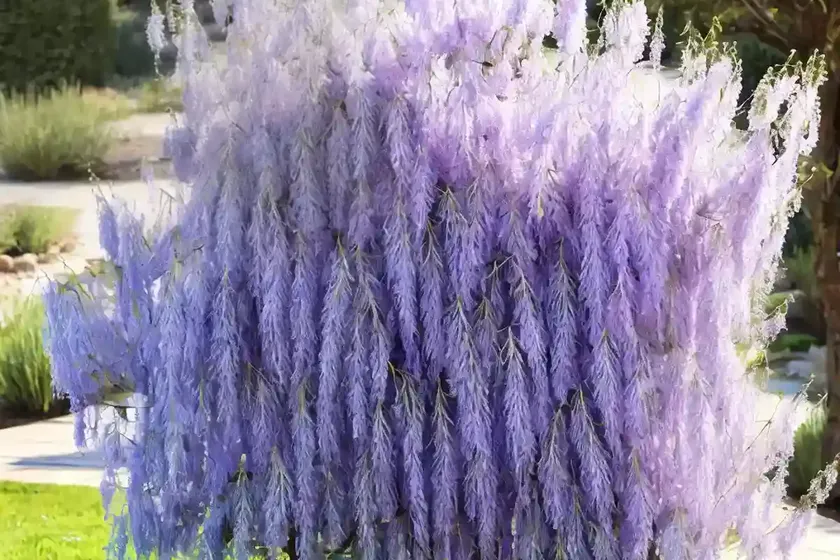
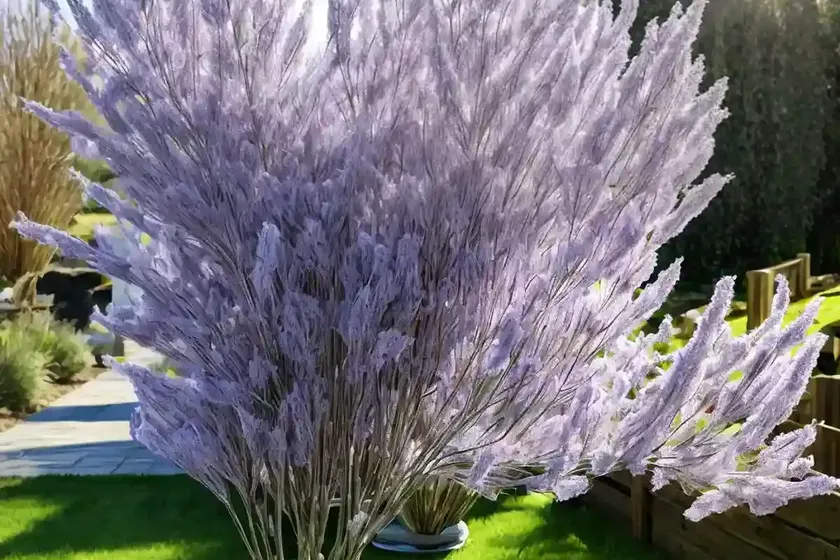
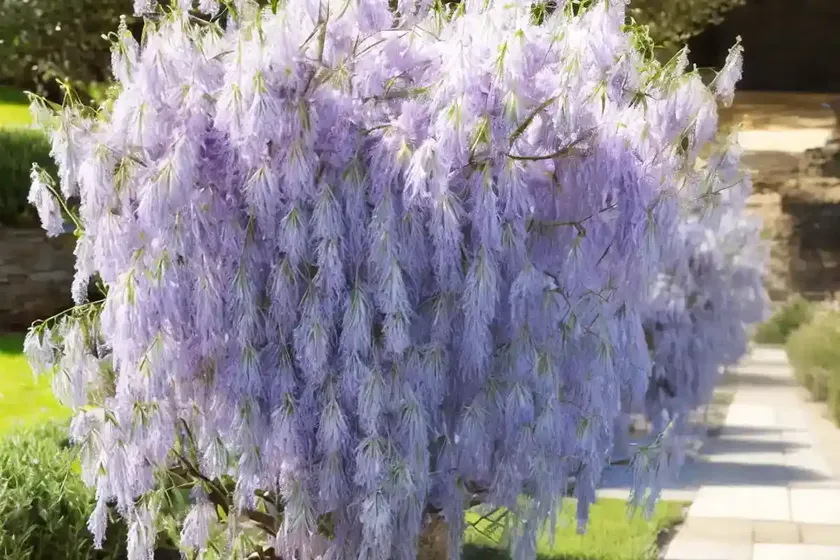
Salix Lasiandra, commonly known as Shining Willow, is a beautiful and versatile plant that has gained popularity among gardeners, landscapers, and nature enthusiasts. This plant boasts an array of characteristics, uses, and benefits, making it a valuable addition to any landscape or garden. In this comprehensive guide, we will explore the various aspects of Salix Lasiandra, including its culture, uses, care requirements, common diseases, and much more.
What is Salix Lasiandra (Shining Willow)?
Salix Lasiandra, or Shining Willow, belongs to the Salix genus within the Salicaceae family. This deciduous shrub or small tree is native to North America and can be found in various habitats, including stream banks, wetland margins, and bottomlands. It is characterized by its attractive foliage, vibrant colors, and graceful appearance, making it a sought-after plant for ornamental and landscaping purposes.
Key Takeaways – Salix Lasiandra (Shining Willow)
Before delving into specific aspects of Salix Lasiandra, let’s highlight some key takeaways about this plant:
- Common Name: Shining Willow
- Plant Family: Salicaceae
- Native Range: North America
- Growth Habit: Deciduous shrub or small tree
- Uses: Ornamental, landscaping, wildlife habitat
- Water Needs: Moderate to high
- Sunlight Requirements: Full sun to partial shade
- Soil Type: Moist, well-draining
- Pruning: Regular maintenance pruning to shape and control growth
- Common Diseases: Rust, leaf spot, canker
- Common Pests: Aphids, caterpillars, sawflies
- Propagation: From cuttings or seeds
Now that we have an overview of the key characteristics of Salix Lasiandra, let’s delve into the specifics of its culture, uses, care, and maintenance requirements.
Culture of Salix Lasiandra
Water
Being a plant that naturally occurs in moist habitats, Salix Lasiandra has moderate to high water needs. It thrives in consistently moist soil and should be watered regularly, especially during dry periods. Adequate watering is crucial, particularly during the establishment phase and in hot summer months, to ensure the plant’s health and vigor.
Sunlight
Shining Willow plants generally prefer full sun to partial shade. While they can tolerate some shade, providing ample sunlight encourages robust growth and vibrant foliage. When selecting a location for planting Salix Lasiandra, aim for an area that receives at least 6-8 hours of direct sunlight per day for optimal development.
Soil
The soil type plays a critical role in the cultivation of Salix Lasiandra. It thrives in moist, well-draining soils with a slightly acidic to neutral pH. Loamy and sandy soils are suitable, as long as they retain moisture without becoming waterlogged. Amending the soil with organic matter such as compost or peat moss can improve its moisture retention and overall quality, creating an ideal growing environment for the plant.
Fertilizer
Fertilizing Salix Lasiandra can help promote healthy growth and vibrant foliage. A balanced, slow-release fertilizer applied in spring as new growth emerges can provide the necessary nutrients for the plant’s development. A fertilizer with a formulation such as 10-10-10 or 20-20-20 can be suitable for Shining Willow. It’s essential to follow the manufacturer’s recommendations regarding application rates and timing to avoid overfertilization.
Pruning and Maintenance
Pruning is an essential aspect of Salix Lasiandra care, particularly for shaping the plant and controlling its growth. Regular pruning can help maintain its desired size and form, enhance air circulation, and remove dead or diseased branches. Pruning is typically conducted during the dormant season, before the onset of new growth in early spring. It’s important to use sharp, clean pruning tools to make precise cuts and minimize the risk of introducing diseases.
Propagation of Salix Lasiandra
Salix Lasiandra can be propagated through both softwood and hardwood cuttings. Softwood cuttings, taken from young, actively growing stems in late spring to early summer, can root relatively quickly under favorable conditions. Hardwood cuttings, harvested from mature stems in late fall to early winter, may take longer to root but can still be successful with proper care. Additionally, Shining Willow can also be propagated from seeds, although this method may take longer to yield mature plants.
Popularity of Salix Lasiandra in Container Gardening
Salix Lasiandra’s graceful appearance and vibrant foliage make it a captivating addition to container gardens and landscapes. Its adaptability to container culture allows gardeners to incorporate the plant into various settings, such as patios, balconies, and small urban spaces. When choosing a container for Shining Willow, opt for a sizeable, sturdy pot with drainage holes to facilitate proper water drainage and prevent root rot. Additionally, using a high-quality, well-draining potting mix and providing adequate water and sunlight are essential for maintaining the plant’s health and vigor in a container environment.
Common Diseases of Salix Lasiandra
As with any plant, Salix Lasiandra is susceptible to certain diseases that can impact its growth and overall health. Understanding common diseases and their symptoms can aid in timely intervention and management. Some of the prevalent diseases that may affect Shining Willow include:
- Rust: Characterized by yellow to orange spore masses on the undersides of leaves, rust can weaken the plant and disrupt its photosynthetic capacity.
- Leaf Spot: Leaf spot diseases, caused by various fungi, can lead to the formation of discolored spots on the foliage, compromising its aesthetic appeal and vitality.
- Canker: Canker diseases can result in the development of sunken, discolored lesions on stems and branches, potentially leading to dieback if left unaddressed.
Disease Diagnosis and Management
Prompt diagnosis and effective management strategies are crucial for mitigating the impact of diseases on Salix Lasiandra. When observing symptoms of disease, such as leaf discoloration, abnormal growth, or lesions, it’s important to examine the plant closely and, if necessary, seek assistance from a plant health expert or extension service. Implementing cultural practices that promote good air circulation, adequate watering, and proper sanitation can help reduce the risk of disease development. Additionally, using disease-resistant varieties and applying targeted fungicidal treatments as needed can aid in disease management and control.
Common Pests Affecting Shining Willow
In addition to diseases, various pests can pose a threat to Salix Lasiandra, potentially causing damage to its foliage, stems, and overall health. Some of the common pests that may affect Shining Willow include:
- Aphids: These small, sap-sucking insects, often found on the undersides of leaves, can cause distorted growth and excrete honeydew, leading to sooty mold development.
- Caterpillars: Certain caterpillar species can feed on the foliage of Salix Lasiandra, consuming significant portions of leaves and potentially impacting the plant’s ability to photosynthesize effectively.
- Sawflies: Sawfly larvae can defoliate the plant by feeding on its leaves, resulting in visible damage and reduced vigor.
Botanist’s Tips for Growing Salix Lasiandra
To ensure successful cultivation of Salix Lasiandra and promote its optimal growth and vigor, consider the following tips from botanists and horticulture experts:
- Select a well-draining planting site with ample sunlight for optimal growth and development.
- Pay attention to the plant’s water needs, ensuring consistent moisture without waterlogging the soil.
- Implement proper pruning practices to maintain the plant’s form, remove diseased or damaged branches, and encourage new growth.
- Monitor the plant regularly for signs of pests and diseases, addressing any issues promptly to prevent widespread damage.
- Provide adequate nutrition through balanced fertilizer applications to support the plant’s overall health and vitality.
Salix Lasiandra: Fun Facts and Intriguing Tidbits
As we explore the captivating world of Salix Lasiandra, let’s uncover some fun facts and intriguing tidbits about this remarkable plant:
- Native Habitat: Shining Willow is native to a diverse range of habitats, including stream banks, wetland margins, and bottomlands, showcasing its adaptability to varying environmental conditions.
- Wildlife Habitat: The plant serves as a valuable habitat and food source for diverse wildlife, including birds, insects, and small mammals, contributing to local ecosystem dynamics.
- Medicinal Uses: In traditional herbal medicine, various parts of Salix Lasiandra have been utilized for their potential medicinal properties, including as remedies for various ailments and conditions.
Links to External Resources
To further enrich your knowledge and appreciation of Salix Lasiandra, explore the following external resources dedicated to the plant:
- USDA Plants Database: Salix Lasiandra
- Missouri Botanical Garden: Shining Willow
- Royal Horticultural Society: Salix Lasiandra
Conclusion
Salix Lasiandra, or Shining Willow, stands as a remarkable and versatile plant with an array of characteristics, uses, and benefits. Whether it graces a landscape, container garden, or natural habitat, this plant captivates with its vibrant foliage, graceful appearance, and ecological significance. By understanding its culture, care requirements, uses, and ecological roles, we can truly appreciate the beauty and value of Salix Lasiandra in the natural world and horticultural settings.
As you embark on your journey with Salix Lasiandra, may this comprehensive guide serve as a valuable resource, enriching your experience with this remarkable plant and fostering a deeper appreciation for nature’s wonders.
Happy gardening and exploration with Shining Willow!


