Salix Integra ‘Hakuro-Nishiki’ (Dappled Willow)
Salix integra, commonly known as Dappled Willow, is a beautiful and versatile shrub that has gained popularity among both gardeners and landscapers. Its.

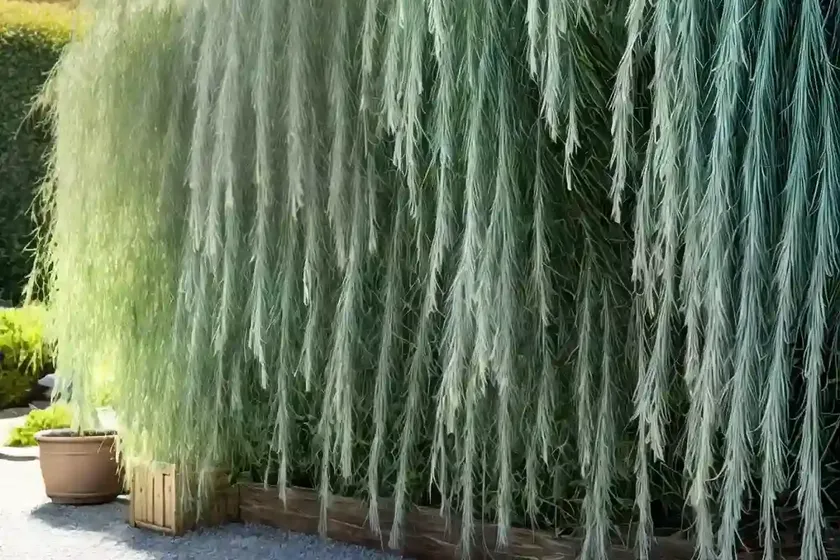
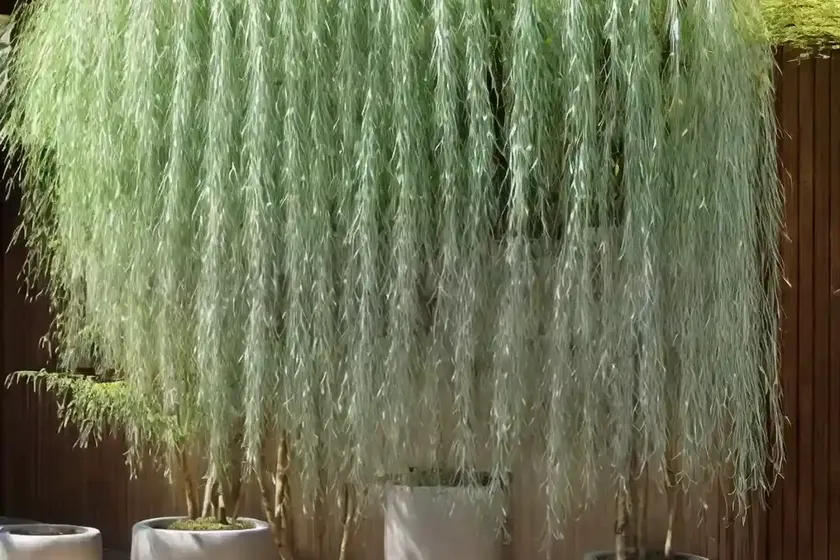
Salix integra, commonly known as Dappled Willow, is a beautiful and versatile shrub that has gained popularity among both gardeners and landscapers. Its attractive foliage, ease of care, and various uses make it a sought-after plant for many outdoor spaces. In this comprehensive guide, we will explore the key aspects of Salix integra ‘Hakuro-Nishiki’, including its culture, uses, care requirements, common diseases, pests, and much more. Whether you are a seasoned gardener or just starting out, this guide will provide valuable insights into cultivating and maintaining this stunning plant.
What is Salix integra ‘Hakuro-Nishiki’?
Salix integra ‘Hakuro-Nishiki’ is a deciduous shrub that belongs to the Salicaceae family. It is a popular ornamental plant valued for its variegated leaves and graceful, weeping habit. The leaves emerge pinkish in spring, mellowing to a soft, creamy white, and green variegation as they mature. Dappled Willow typically grows to a height of 6 to 10 feet with a spread of 4 to 6 feet, making it suitable for various garden settings, including informal hedges, borders, and containers.
Key Takeaways – Salix integra ‘Hakuro-Nishiki’
Culture
- Hardiness Zone: Suitable for hardiness zones 4 to 9.
- Growth Rate: Moderate to fast.
- Soil Preference: Well-drained, moist soil.
- Sunlight: Full sun to partial shade.
Uses
- Landscape: Ideal for borders, informal hedges, and mass plantings.
- Containers: Well-suited for container gardening.
- Decorative: Adds ornamental appeal to outdoor spaces.
Water
- Watering Requirements: Regular watering, especially during dry periods.
- Water Management: Proper drainage is essential.
Sunlight
- Sun Exposure: Prefers full sun to partial shade.
- Shade Tolerance: Moderate tolerance to shade.
Fertilizer
- Fertilization: Benefits from feeding in early spring.
Soil
- Soil Type: Well-drained, nutrient-rich soil.
- Soil pH: Tolerant of a range of pH levels.
Pruning
- Pruning Schedule: Best pruned in late winter to early spring.
- Pruning Techniques: Renewal pruning for shape and size control.
Propagation
- Propagation Methods: Easily propagated from hardwood cuttings or by division.
Container
- Container Care: Well-suited for container gardening.
- Size: Can be grown in large containers to accommodate its size.
Popularity
- Landscape Design: Widely used for its ornamental beauty in landscape design.
- Garden Uses: Adds visual interest to garden spaces.
Common Diseases
- Disease Resistance: Moderate resistance to common diseases.
- Common Issues: Watch for powdery mildew in humid conditions.
Disease Diagnosis
- Symptoms: Look for white powdery spots on leaves.
Common Pests
- Pest Management: Monitor for aphids and caterpillars.
- Pests Control: Natural predators can aid in pest control.
Botanist’s Tips
- Leaf Colors: Variegated leaves add visual appeal.
- Winter Care: Protect from harsh winter conditions.
- Foliage: Delicate and attractive foliage adds texture to landscapes.
Fun Facts
- Blooming Season: Produces catkins in early spring.
- Growth Habit: Graceful, weeping habit adds elegance to outdoor spaces.
- Decorative Features: Variegated foliage makes it a standout plant.
Links to External Resources
- University of Florida IFAS Extension – Dappled Willow
- Missouri Botanical Garden – Salix integra ‘Hakuro Nishiki’
Plant Name: “Salix integra ‘Hakuro-Nishiki’ (Dappled Willow)”
Salix integra ‘Hakuro-Nishiki’ Care
Best Conditions for Salix integra ‘Hakuro-Nishiki’
- Hardiness Zone: Suitable for hardiness zones 4 to 9.
- Sunlight: Prefers full sun to partial shade.
- Soil Preference: Well-drained, moist soil.
- Watering: Requires regular watering, especially during dry periods.
Growing Dappled Willow
- Growth Rate: Moderate to fast.
- Fertilization: Benefits from feeding in early spring.
- Pruning: Best pruned in late winter to early spring for shape and size control.
Salix integra ‘Hakuro-Nishiki’ Pruning
- Pruning Schedule: Best undertaken in late winter to early spring, before new growth appears.
- Pruning Techniques: Renewal pruning can be carried out for shape and size control.
Dappled Willow Tree
- Size: Typically grows to a height of 6 to 10 feet with a spread of 4 to 6 feet.
- Decorative Features: Attractive variegated foliage and weeping habit add visual interest.
Salix integra ‘Hakuro-Nishiki’ Varieties
- Cultivars: Various cultivars of Salix integra are available, each with unique characteristics and growth habits.
- Variegated Foliage: Varieties may differ in leaf color and variegation patterns.
How to Propagate Dappled Willow
- Propagation Methods: Easily propagated from hardwood cuttings or by division.
- Propagation Conditions: Warm, humid conditions are favorable for successful propagation.
Salix integra ‘Hakuro-Nishiki’ Landscape Uses
- Landscape Design: Adds ornamental appeal to borders, informal hedges, and mass plantings.
- Garden Uses: Defined by its decorative foliage and graceful growth habit.
Dappled Willow Shrub
- Shrub Characteristics: Deciduous shrub with a weeping growth habit.
- Ornamental Value: Adds visual appeal to outdoor spaces with its variegated leaves.
Salix integra ‘Hakuro-Nishiki’ Size
- Height and Spread: Typically grows to a height of 6 to 10 feet with a spread of 4 to 6 feet.
- Suitability: Suitable for various garden settings and container gardening.
Dappled Willow Care Tips
- Watering: Maintain regular watering, especially during dry spells.
- Winter Care: Provide protection from harsh winter conditions.
- Pruning: Regular pruning can help maintain desired shape and size.
Salix integra ‘Hakuro-Nishiki’ Hardiness Zone
- Suitable Zones: Thrives in hardiness zones 4 to 9.
- Adaptability: Can tolerate a range of environmental conditions within these zones.
Dappled Willow Planting Guide
- Planting Location: Choose a well-drained spot with sufficient sunlight.
- Soil Preference: Sandy loam or loam soil with good drainage is ideal.
Salix integra ‘Hakuro-Nishiki’ Foliage
- Leaf Colors: Variegated foliage transitions from pinkish in spring to creamy-white and green.
- Foliage Texture: Adds texture and visual interest to garden spaces.
Dappled Willow Pruning Techniques
- Pruning Methods: Renewal pruning can be employed to manage size and shape.
- Timing: Best undertaken in late winter to early spring.
Salix integra ‘Hakuro-Nishiki’ Cultivation
- Cultivation Requirements: Requires well-drained, moist soil and adequate sunlight.
- Growth Rate: Moderate to fast growth rate under favorable conditions.
Dappled Willow Disease Resistance
- Disease Susceptibility: Moderately resistant to common diseases.
- Powdery Mildew: Monitor for powdery mildew in humid conditions.
Salix integra ‘Hakuro-Nishiki’ Water Requirements
- Watering Needs: Regular watering is essential, especially during dry periods.
- Drainage: Ensure proper drainage to avoid waterlogged conditions.
Dappled Willow in Containers
- Container Gardening: Well-suited for growing in large containers.
- Container Care: Monitor watering and provide adequate space for root development.
Salix integra ‘Hakuro-Nishiki’ Growth Rate
- Moderate to Fast Growth: Under optimal conditions, Dappled Willow exhibits vigorous growth.
Dappled Willow Landscaping Ideas
- Ornamental Appeal: Adds visual interest to landscape designs.
- Variegated Foliage: Creates striking visual contrasts in garden settings.
Salix integra ‘Hakuro-Nishiki’ Winter Care
- Winter Protection: Shield from harsh winter conditions, especially in colder regions.
- Mulching: Apply a layer of mulch to protect roots from freezing temperatures.
Dappled Willow Planting Tips
- Planting Technique: Dig a hole twice the width of the root ball, and water thoroughly after planting.
- Spacing: Provide sufficient spacing for mature size and growth.
Salix integra ‘Hakuro-Nishiki’ Sun Exposure
- Sunlight Requirements: Prefers full sun to partial shade for optimal growth.
- Shade Tolerance: Moderately tolerant of shade conditions.
Dappled Willow Pests Control
- Pest Management: Monitor for aphids and caterpillars, encourage natural predators for control.
- Vigilance: Regularly inspect foliage for signs of pest infestation.
Salix integra ‘Hakuro-Nishiki’ Soil Preferences
- Soil Type: Well-drained, nutrient-rich soil is ideal.
- Soil pH: Tolerant of a range of pH levels within the soil.
Dappled Willow Companion Plants
- Complementary Plants: Pair with other shrubs and perennials for a harmonious garden display.
- Variegated Foliage: Select plants that complement the variegated foliage.
Salix integra ‘Hakuro-Nishiki’ Pruning Schedule
- Pruning Timing: Undertake pruning in late winter to early spring for best results.
- Renewal Pruning: Helps maintain the plant’s attractive form and size.
Dappled Willow Soil Drainage
- Drainage Requirement: Ensure well-drained soil to prevent waterlogging.
- Root Health: Proper drainage is essential for healthy root development.
Salix integra ‘Hakuro-Nishiki’ Common Issues
- Potential Problems: Monitor for powdery mildew and address promptly if identified.
- Vigilance: Regular observation can help detect any issues early.
Dappled Willow Propagation Methods
- Propagation Techniques: Easily propagated from hardwood cuttings or by division.
- Propagation Conditions: Provide warmth and humidity for successful propagation.
Salix integra ‘Hakuro-Nishiki’ Shade Tolerance
- Sunlight Preferences: Prefers full sun to partial shade for optimal growth.
- Tolerance: Moderately tolerant of shaded conditions.
Dappled Willow Decorative Features
- Leaf Colors: Variegated foliage with pinkish, white, and green hues.
- Weeping Habit: Graceful growth habit adds elegance to outdoor spaces.
Salix integra ‘Hakuro-Nishiki’ Root Development
- Root Growth: Ensure adequate space for root development, especially in containers.
- Soil Depth: Provide well-prepared soil to encourage healthy root establishment.
Dappled Willow Pruning Guidelines
- Pruning Tips: Use clean, sharp tools for precise pruning.
- Renewal Pruning: Recommended for maintaining plant size and form.
Salix integra ‘Hakuro-Nishiki’ Pest Management
- Pest Control: Monitor for pests such as aphids and caterpillars.
- Natural Predators: Encourage beneficial insects for natural pest control.
Dappled Willow Blooming Season
- Flowering Time: Produces catkins in early spring, adding seasonal interest.
- Seasonal Appeal: Blooms contribute to the plant’s overall ornamental value.
Salix integra ‘Hakuro-Nishiki’ Container Care
- Container Gardening: Well-suited for growing in large containers.
- Container Size: Select a container that accommodates the plant’s mature size.
Dappled Willow Growth Stages
- Life Cycle: Exhibits distinct growth stages from seedling to mature shrub.
- Vigorous Growth: Rapid growth during the establishment phase.
Salix integra ‘Hakuro-Nishiki’ Winter Hardiness
- Hardiness: Suitable for hardiness zones 4 to 9, with proper winter care.
- Protection: Shield from frost and extreme cold in colder regions.
Dappled Willow Exposed Location Survival Tip
- Exposure Management: Protect from harsh winds and excessive sun exposure.
- Adaptation: Can tolerate a range of environmental conditions, but may benefit from some shelter.
In conclusion, Salix integra ‘Hakuro-Nishiki’ (Dappled Willow) is a versatile and visually captivating shrub that can enhance the beauty of various outdoor settings. Its ornamental foliage, ease of care, and adaptability to different uses make it a valuable addition to gardens, landscapes, and container displays. When provided with the right conditions and proper maintenance, this plant can thrive and contribute to the aesthetic appeal of any environment.
Through this comprehensive guide, gardeners, landscapers, and plant enthusiasts can gain valuable insights into the culture, care, uses, and management of Salix integra ‘Hakuro-Nishiki’, ensuring its successful cultivation and enjoyment in outdoor spaces.
As always, careful attention to the specific needs of this plant, along with regular monitoring for pests and diseases, will contribute to the overall health and vigor of Salix integra ‘Hakuro-Nishiki’. With the right care and attention, this beautiful shrub can continue to grace gardens and landscapes with its elegant presence for years to come.
For those seeking further information on Salix integra ‘Hakuro-Nishiki’, the following external resources are recommended for additional insights and guidance:
- University of Florida IFAS Extension – Dappled Willow
- Missouri Botanical Garden – Salix integra ‘Hakuro Nishiki’
Thank you for joining us in exploring the fascinating world of Salix integra ‘Hakuro-Nishiki’ (Dappled Willow)!


