Salix Discolor (Pussy Willow)
Salix discolor, commonly known as Pussy Willow, is a charming and versatile plant that has captivated the hearts of many nature enthusiasts, gardeners, and.

Introduction
Salix discolor, commonly known as Pussy Willow, is a charming and versatile plant that has captivated the hearts of many nature enthusiasts, gardeners, and botanists. This plant belongs to the Salicaceae family and is native to North America. Its unique appearance, cultural significance, and various applications in horticulture make it an intriguing subject to explore. In this comprehensive guide, we will delve into the captivating world of Salix discolor, covering its culture, uses, care, and much more.
What is Salix discolor?
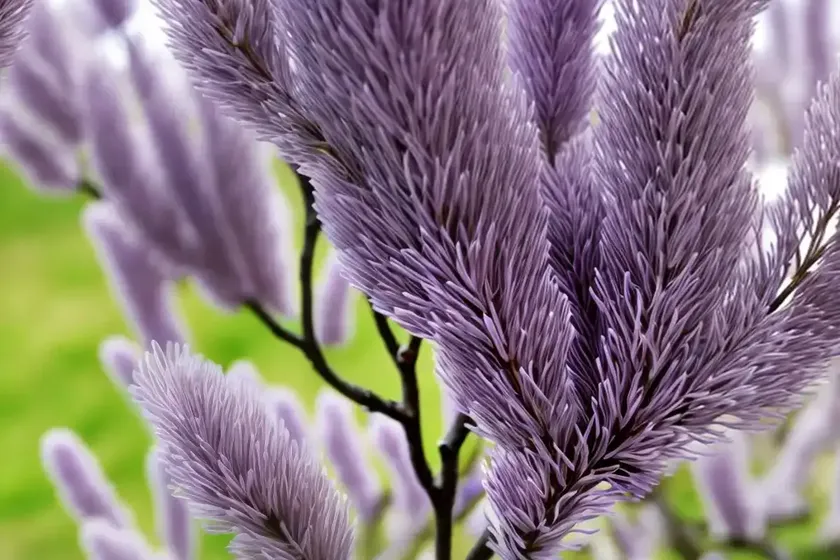
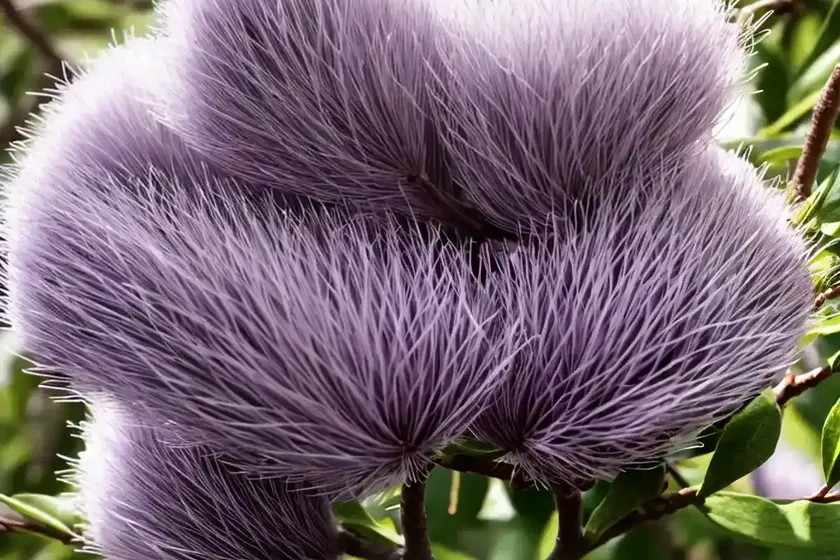
Salix discolor, also referred to as Pussy Willow, is a deciduous shrub or small tree that typically grows to a height of 15-20 feet. It is characterized by its slender, flexible branches and narrow, elongated leaves. One of the most distinctive features of this plant is its fuzzy, silver-gray catkins that emerge in early spring, creating a visually striking display. These catkins, which are covered in soft hairs, give the plant its endearing and evocative common name, “Pussy Willow.”
Salix discolor (Pussy Willow) at a Glance
- Scientific Name: Salix discolor
- Common Name: Pussy Willow
- Family: Salicaceae
- Native Range: North America
- Type: Deciduous shrub or small tree
- Height: 15-20 feet
Key Takeaways – Salix discolor (Pussy Willow)
Salix discolor, with its unique characteristics and versatile nature, offers a myriad of interesting features and potential uses. Here are the key takeaways about Pussy Willow:
-
Versatile and Adaptable: Salix discolor is a versatile plant that can thrive in various environmental conditions, making it suitable for a wide range of landscapes.
-
Cultural Symbolism: The fuzzy catkins of the Pussy Willow hold cultural and symbolic significance, often associated with spring, renewal, and new beginnings.
-
Horticultural Applications: This plant has multiple uses in horticulture, ranging from landscaping and garden design to floral arrangements and craft projects.
-
Wildlife Value: Salix discolor plays a crucial role in supporting wildlife, providing essential habitat, food, and nesting sites for various species.
-
Medicinal and Folkloric Uses: In addition to its ornamental value, Pussy Willow has historical uses in traditional medicine and holds a place in folklore and mythology.
-
Relatively Low Maintenance: While it benefits from proper care and attention, Salix discolor is generally easy to maintain and can be a rewarding addition to a garden or landscape.
Culture
Salix discolor thrives in a variety of environmental conditions, making it adaptable to different settings. Understanding the cultural requirements of this plant is essential for its successful growth and development.
Water
Pussy Willow generally prefers consistently moist soil, particularly in its early stages of growth. Adequate watering is crucial, especially during dry periods, to ensure the plant’s vigor and health. However, it is important to avoid waterlogged conditions, as excessive moisture can lead to root rot. Once established, Salix discolor exhibits moderate drought tolerance, but regular watering is still beneficial, especially during prolonged dry spells.
Sunlight
When it comes to sunlight, Pussy Willow exhibits a preference for full sun to partial shade. In full sun, the plant tends to produce more vigorous growth and an abundance of catkins. However, it can also thrive in partial shade, particularly in regions with hot summers, where some protection from intense midday sun can be beneficial. Finding the right balance of sunlight is key to promoting the health and flowering of Salix discolor.
Fertilizer
In terms of fertilization, Salix discolor has relatively modest nutritional requirements. A balanced, all-purpose fertilizer can be applied in early spring, before the onset of new growth. It is important to avoid excessive fertilization, especially with high-nitrogen formulations, as this can lead to excessive vegetative growth at the expense of flowering and overall plant health.
Soil
Pussy Willow grows best in moist, well-draining soil. It has a preference for slightly acidic to neutral soil pH, ranging from 5.5 to 7.5. Incorporating organic matter, such as compost or well-rotted manure, into the soil can help improve its structure and water retention capacity, creating an optimal growing environment for the plant.
Uses
Salix discolor boasts a wide array of uses, ranging from landscaping and garden design to medicinal applications and wildlife support. Understanding these various uses sheds light on the plant’s versatility and significance in different contexts.
Landscaping and Garden Design
Pussy Willow is a popular choice for landscaping and garden design, valued for its ornamental appeal and unique visual interest. Its early flowering catkins make it a welcome sight in spring, adding a touch of charm to garden beds, borders, and naturalized landscapes. Additionally, the slender, arching branches of Salix discolor contribute to its decorative value, offering an elegant and graceful silhouette.
Floral Arrangements and Craft Projects
The fuzzy catkins of Salix discolor are highly prized in the floral industry and are often used in floral arrangements and craft projects. Their soft, silvery appearance and tactile quality make them a favorite material for creating captivating arrangements, especially during the spring season. Whether used in bouquets, centerpieces, or decorative crafts, Pussy Willow catkins add a whimsical and enchanting element to floral designs and artistic endeavors.
Wildlife Support
In its natural habitat, Pussy Willow plays a critical role in supporting wildlife. The plant provides valuable habitat for various species of birds, insects, and small mammals. Additionally, the catkins of Salix discolor serve as an important early food source for bees and other pollinators, contributing to the vital ecological role of the plant.
Medicinal and Folkloric Uses
Beyond its ornamental and ecological value, Salix discolor has historical uses in traditional medicine and folklore. Various parts of the plant, including the bark and leaves, have been employed for their medicinal properties, with applications ranging from pain relief to fever reduction. Additionally, the Pussy Willow holds significance in folklore and mythology, often associated with themes of renewal, protection, and the awakening of nature in spring.
Pruning
Proper pruning is essential for maintaining the health, shape, and flowering potential of Salix discolor. Understanding the right techniques and timing for pruning is crucial for achieving desirable results while promoting the long-term vitality of the plant.
Pruning Timing
Pussy Willow is best pruned during the dormant season, typically in late winter or early spring before new growth emerges. This timing allows for the removal of older, unproductive wood and the shaping of the plant before the onset of new growth. Additionally, pruning during this period minimizes the risk of sap bleeding and reduces the impact on the plant’s overall vigor.
Pruning Techniques
When it comes to pruning Salix discolor, the primary goal is to maintain its natural form, remove dead or damaged wood, and encourage the development of new growth and flowering. Proper pruning techniques include:
- Removing Dead or Diseased Wood: Eliminate any dead, diseased, or damaged branches to promote overall plant health and vigor.
- Thinning Out the Canopy: Thin out congested areas of the canopy to improve air circulation and sunlight penetration, reducing the risk of disease and promoting vigorous growth.
Promoting Catkin Production
To encourage abundant catkin production, selective pruning can be employed to stimulate the formation of new growth and flowering. Removing a portion of older branches and encouraging the development of younger, more vigorous shoots can enhance the plant’s overall blooming potential, resulting in a more prolific display of catkins.
Propagation
Propagation of Salix discolor can be achieved through various methods, allowing for the expansion of its presence in gardens and landscapes. Understanding the techniques for propagating Pussy Willow enables gardeners and horticulturists to propagate new plants successfully.
Propagation from Cuttings
One of the most common and effective methods of propagating Salix discolor is through the use of hardwood cuttings. The process typically involves the following steps:
- Selecting Cuttings: Choose healthy, disease-free hardwood stems for the propagation process. Cuttings are typically taken during the dormant season.
- Preparing Cuttings: Cut the selected stems into sections, each containing multiple nodes. The cuttings should be approximately 8-12 inches in length.
- Treatment and Planting: Dip the cuttings in a rooting hormone to promote root development, then plant them in a well-draining growing medium. The cuttings are typically placed at a slight angle with only the uppermost buds exposed.
Propagation from Seed
While less commonly practiced, it is possible to propagate Salix discolor from seeds. The process involves harvesting mature seeds from the catkins and sowing them in a suitable growing medium. However, propagation from seed may result in some variability in the characteristics of the resulting plants, and it generally takes longer to establish new individuals compared to propagation from cuttings.
Container Popularity
Salix discolor can also be grown in containers, offering an opportunity to enjoy the beauty and charm of Pussy Willow in a confined space. Container cultivation allows for greater flexibility in positioning the plant and provides an option for gardeners with limited outdoor space to incorporate this captivating species into their gardening endeavors.
Container Requirements
When growing Salix discolor in containers, it is crucial to ensure that the plant’s needs for water, sunlight, and nutrients are adequately met. Selecting a spacious container with good drainage is essential to prevent waterlogging and promote healthy root development. Additionally, using a well-draining growing medium, enriched with organic matter, can support the growth and vitality of the plant in a container setting.
Considerations for Overwintering
In regions with cold winters, special consideration should be given to overwintering container-grown Salix discolor. Providing some form of winter protection, such as insulating the container or moving it to a sheltered location, can help safeguard the plant from the potentially harsh effects of winter weather. Careful monitoring of the plant’s moisture levels and overall health during the winter months is crucial to ensure its well-being.
Common Diseases
While Salix discolor is generally resilient, it is susceptible to certain diseases that can impact its growth and vitality. Understanding the common diseases that affect Pussy Willow enables proactive measures to be taken, minimizing the risk of disease and promoting the long-term health of the plant.
Common Diseases of Salix discolor
-
Canker Diseases: Various species of canker-causing fungi can infect the branches and trunk of Salix discolor, leading to the development of sunken, discolored lesions. Cankers can weaken the affected parts of the plant, potentially leading to dieback and reduced vigor.
-
Powdery Mildew: This fungal disease can manifest as a powdery white coating on the leaves and young shoots of Pussy Willow. While it is not typically fatal, powdery mildew can affect the plant’s overall appearance and vigor, particularly in severe cases.
-
Rust Diseases: Certain rust fungi can cause rust-colored pustules or lesions on the leaves of Salix discolor, leading to leaf distortion and potential defoliation. Rust diseases can weaken the plant and impact its aesthetic appeal.
Disease Management
Implementing preventive measures and prompt interventions can help manage and mitigate the impact of common diseases on Salix discolor. Key strategies for disease management include:
- Cultural Care: Providing optimal cultural conditions, including proper watering, adequate spacing, and balanced nutrition, can promote the plant’s overall vigor and resilience against diseases.
- Sanitation Practices: Removing and disposing of infected plant material, such as diseased leaves and branches, can help prevent the spread of diseases within the plant and to neighboring individuals.
- Fungicidal Treatments: In cases of severe or recurring fungal diseases, the application of appropriate fungicidal treatments may be necessary to control the spread of the pathogens and protect the plant’s health.
Disease Diagnosis
Accurately diagnosing diseases affecting Salix discolor is essential for implementing effective management strategies and safeguarding the overall well-being of the plant. Key steps in disease diagnosis include recognizing and assessing the symptoms, identifying potential causal agents, and determining appropriate courses of action.
Recognizing Symptoms
Observing the plant for abnormal symptoms, such as discolored lesions, distorted growth, or unusual coatings on leaves and stems, can provide initial clues to the presence of diseases. Close monitoring of changes in the plant’s appearance, as well as its growth and vigor, can help in the early detection of potential issues.
Identifying Causal Agents
Disease diagnosis often involves identifying the specific pathogens responsible for the observed symptoms. This may require the assistance of a plant pathologist or experienced professional who can conduct laboratory tests, such as fungal cultures or microscopic examinations, to determine the exact nature of the pathogens affecting the plant.
Implementing Remedial Actions
Once the specific diseases affecting Salix discolor have been identified, appropriate remedial actions can be implemented. These actions may include the adjustment of cultural practices, the application of targeted treatments, and the removal of severely affected plant parts to prevent the diseases from spreading.
Common Pests
Several pests can pose potential threats to Salix discolor, affecting its foliage, growth, and overall vitality. Understanding the common pests that may impact Pussy Willow enables proactive pest management and the preservation of the plant’s health.
Common Pests of Salix discolor
-
Aphids: These small, sap-feeding insects can cluster on the young shoots and leaves of Salix discolor, causing distortion of new growth and the secretion of honeydew. Severe aphid infestations can weaken the plant and promote the growth of sooty mold.
-
Willow Beetles: Various species of beetles, such as the willow leaf beetles, can feed on the foliage of Pussy Willow, resulting in the defoliation of affected branches and potential damage to the plant’s overall vigor.
-
Caterpillars: Certain caterpillar species, including the larvae of various moths, can consume the leaves of Salix discolor, leading to significant defoliation and potential stress on the plant.
Pest Management
To manage and control common pests affecting Salix discolor, an integrated pest management (IPM) approach can be applied. This approach combines multiple strategies to minimize pest populations while minimizing the use of chemical treatments:
- Biological Control: Encouraging natural predators and beneficial insects that prey on the pests can help maintain pest populations at tolerable levels.
- Cultural Practices: Promoting the overall health and resilience of the plant through proper care, including watering, fertilization, and pruning, can reduce the susceptibility of Salix discolor to pest infestations.
- Mechanical Control: Physical removal of pests, such as hand-picking aphids or caterpillars, can help manage localized infestations before they escalate.
Botanist’s Tips
Salix discolor, with its captivating appearance and versatile nature, presents a host of opportunities for exploration and enjoyment in different contexts. Here are some valuable tips for cultivating and appreciating this remarkable plant:
- Understanding Catkin Development: Exploring the unique process of catkin development in Salix discolor, from the formation of the fuzzy buds to their eventual expansion and flowering, can offer fascinating insights into the plant’s life cycle and seasonal changes.
- Exploring Cultivar Diversity: Discovering the diverse range of cultivars and varieties of Pussy Willow, each with its distinct characteristics and appearances, can enrich the experience of cultivating and admiring this charming plant.
- Engaging with Wildlife: Observing the interactions between Salix discolor and visiting wildlife, such as bees, butterflies, and birds, can provide a deeper appreciation for the plant’s ecological role and its importance as a resource for native fauna.
Fun Facts
Salix discolor is not only a visually captivating plant but also a species rich in history, folklore, and ecological significance. Here are some intriguing and delightful facts about Pussy Willow:
- The catkins of Salix discolor are often associated with the arrival of spring, symbolizing renewal, vitality, and the awakening of nature after the winter slumber.
- In some cultures, Pussy Willow branches are traditionally used as decorative elements during spring festivals and celebrations, signifying optimism, prosperity, and new beginnings.
- Wild species of Salix discolor, growing along riverbanks and wetland areas, play a critical role in stabilizing soil, preventing erosion, and maintaining the ecological balance of riparian ecosystems.
Links to External Resources
For further exploration of Salix discolor and related topics, the following external resources provide valuable information, insights, and perspectives:
- The Wildlife Trusts – Pussy Willow
- Royal Horticultural Society – Salix discolor
- USDA Forest Service – Salix discolor
Salix discolor (Pussy Willow) is a captivating and endearing plant that embodies beauty, resilience, and cultural significance. Its unique attributes, versatile uses, and ecological value make it a plant of immense interest and admiration, appealing to gardeners, naturalists, and enthusiasts alike. By delving into the fascinating world of Salix discolor, we gain a deeper appreciation for the intricate and wondrous tapestry of the natural world and the remarkable plant species that enrich it.


