Salix babylonica (Weeping Willow): A Plant of Unique Beauty and Cultural Significance
The Salix babylonica, commonly known as the Weeping Willow, is a striking and iconic tree that holds deep cultural and ecological significance. Known for its graceful, drooping branches and slender leaves, the Weeping Willow has captivated the imagination of people across various cultures for centuries. In this comprehensive guide, we will delve into the characteristics, cultivation, uses, and the cultural and ecological importance of Salix babylonica. Additionally, we will explore the practical tips for growing and caring for this magnificent tree, along with its role in landscapes and gardens.
What is Salix babylonica (Weeping Willow)?
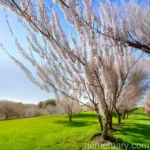
Salix babylonica, a species of willow native to northern China, is a medium to large-sized deciduous tree characterized by its distinctive weeping form. It belongs to the Salicaceae family, which includes other willow species and poplars. The Weeping Willow is often recognized for its cascading branches that sweep downward, creating an ethereal and picturesque silhouette.
Characteristics of Salix babylonica
- Leaves: The Weeping Willow bears long and narrow leaves, which are finely toothed and become a luscious, vibrant green in the summer months before turning a golden hue in the fall.
- Bark: The bark of Salix babylonica is grayish-brown and develops deep furrows as the tree matures.
- Flowers: In early spring, the tree produces catkins, which are cylindrical flower clusters that hang from the branches and release abundant pollen, attracting bees and other pollinators.
- Fruit: The tree’s fruit, known as capsules, contains numerous tiny seeds that are dispersed by the wind.
Weeping Willow Facts
- The scientific name, Salix babylonica, honors the Babylonian willows that grew along the Euphrates and Tigris rivers.
- Weeping Willows are renowned for their rapid growth; they can reach heights of 30 to 40 feet in just a few years.
Now that we have a brief understanding of what Salix babylonica is, let’s explore its multifaceted nature further.
Key Takeaways – Salix babylonica (Weeping Willow)
Culture
The Weeping Willow has deeply ingrained itself in the cultures, traditions, and folklore of various societies. Its depiction in literature, art, and poetry has made it a symbol of beauty, melancholy, and resilience.
Cultural Importance
- Folklore and Symbolism: In many cultures, the Weeping Willow is associated with mourning, grief, and eternal love. Its distinctive appearance, with its drooping branches and somber aesthetics, has inspired numerous legends and stories.
- Art and Literature: The tree’s emotive presence in poetry, paintings, and music has reinforced its status as a symbol of sorrow and healing. It has been celebrated as a muse for artists and a source of contemplation for writers.
Uses
Aside from its cultural significance, Salix babylonica serves several practical purposes, ranging from erosion control to medicinal applications.
Practical Uses
- Erosion Control: The Weeping Willow’s extensive root system helps stabilize soil along riverbanks and shorelines, making it an invaluable tool for preventing erosion.
- Medicinal Properties: Some traditional medicinal practices have utilized components of the Weeping Willow tree for their anti-inflammatory and pain-relieving properties.
Water
Water plays a critical role in the successful cultivation of Salix babylonica. The tree’s affinity for water lends itself to specific planting and care requirements.
Water Requirements
- Hydrophilic Nature: Weeping Willows thrive in moist to wet soil conditions and are well-suited for areas with high water tables.
- Watering Frequency: For young Weeping Willows, regular watering, especially during dry spells, is imperative to promote healthy growth and establishment.
Sunlight
Understanding the sunlight preferences of Salix babylonica is essential for determining the most suitable planting location.
Sunlight Needs
- Full Sun: Weeping Willows prefer full sun, which is defined as at least six hours of direct sunlight daily, to flourish and develop their characteristic weeping form.
Fertilizer
Applying the right type and amount of fertilizer is crucial to ensure the proper growth and vitality of Salix babylonica.
Fertilization
- Fertilizer Type: Using a balanced, slow-release fertilizer formulated for trees can provide the essential nutrients necessary for Weeping Willows to thrive.
- Application: Fertilize the tree in the early spring to support robust foliage and overall health.
Soil
The soil composition and quality profoundly impact the growth and well-being of Salix babylonica.
Soil Composition
- Moisture-Retentive Soil: Soil that retains moisture well, such as loamy or sandy soil, is ideal for supporting the Weeping Willow’s water needs.
- Acidic to Neutral pH: The tree thrives in soil with a pH range of 6.0 to 7.8, indicating a preference for slightly acidic to neutral conditions.
Pruning
Pruning is an integral part of maintaining the health and aesthetic appeal of Salix babylonica.
Pruning Practices
- Aesthetic Pruning: Trimming the lower branches and maintaining a balanced canopy shape can accentuate the Weeping Willow’s graceful form.
- Dead Wood Removal: Regularly removing dead or damaged branches helps prevent disease and promotes new growth.
Propagation
Understanding the methods for propagating Salix babylonica is essential for expanding its presence in various environments.
Propagation Techniques
- Cuttings: Propagating Weeping Willows from softwood or hardwood cuttings during the growing season can yield successful results.
- Water Propagation: Placing the cuttings in water until root development occurs is a simple and effective propagation method for the Weeping Willow.
Container Popularity
The striking appearance and manageable size of Salix babylonica make it an attractive choice for container gardening.
Container Cultivation
- Space-Saving Solution: Growing Weeping Willows in containers allows individuals with limited outdoor space to enjoy the tree’s beauty on patios and balconies.
- Versatile Decor Element: Weeping Willows in containers serve as captivating focal points in garden designs, whether placed solo or as part of a curated ensemble.
Common Diseases
Awareness of common diseases affecting Salix babylonica is crucial for preemptive measures and timely interventions.
Disease Protection
- Canker: Preventing wounds and injuries to the tree’s bark can help stave off cankers, which are fungal infections that cause extensive damage.
- Powdery Mildew: Adequate air circulation and moisture control can deter the development of powdery mildew on the tree’s foliage.
Disease Diagnosis
Recognizing the symptoms of diseases afflicting Salix babylonica is the first step towards effective management and control.
Symptom Identification
- Leaf Spots: The appearance of irregular discolored spots on the leaves may indicate the presence of fungal or bacterial diseases.
- Canker Formation: Observing sunken or discolored areas on the trunk and branches can signal the onset of canker infections.
Common Pests
Pest infestations can compromise the health and vitality of Salix babylonica, necessitating vigilant monitoring and appropriate countermeasures.
Pest Management
- Aphids: Regularly inspecting the tree for aphid colonies and initiating controlled insecticidal treatments can prevent detrimental effects on the foliage.
- Willow Sawflies: Identifying and removing sawfly larvae can safeguard the tree from severe defoliation caused by these pests.
Botanist’s Tips
Incorporating professional insights and best practices from botanists can enhance the successful cultivation of Salix babylonica.
Expert Guidelines
- Root Development: Encouraging the establishment of a strong root system through ample watering and suitable soil conditions lays the foundation for the tree’s long-term health.
- Pruning Timing: Performing routine pruning during the dormant season in late winter or early spring promotes rapid recovery and minimizes stress on the tree.
Fun Facts
Exploring lesser-known tidbits about Salix babylonica adds depth and fascination to its narrative.
Did You Know?
- The flexible and pliable nature of Weeping Willow wood has historically made it a preferred material for crafting baskets and other woven goods.
- Weeping Willows have inspired the titles of numerous poems, paintings, and songs, serving as enduring muses across artistic mediums.
Now that we have gained a comprehensive understanding of the essential aspects of Salix babylonica, it’s vital to provide additional insights into the tree’s biodiverse support, ecological role, and environmental significance.
Links to External Resources
To further expand your knowledge of Salix babylonica and its multifaceted attributes, the following resources offer valuable information and in-depth exploration:
- Royal Horticultural Society – Weeping Willow Tree Care
- USDA Forest Service – The Salix babylonica in Ecology and Culture
- The Morton Arboretum – Weeping Willow Species Profile
As we conclude this comprehensive guide, we hope to have provided a thorough and enlightening resource on Salix babylonica, the Weeping Willow. By understanding its characteristics, cultivation requirements, cultural significance, and ecological contributions, we can fully appreciate and responsibly steward this captivating tree. Whether gracing landscapes with its melancholic beauty or offering ecological benefits along waterways, the Weeping Willow stands as a timeless emblem of nature’s poetic allure and resilience.