Salad Burnet (Poterium Sanguisorba)
Plants have always been indispensable to human life. Not only do they provide us with food, but also with essential nutrients and medicinal properties..
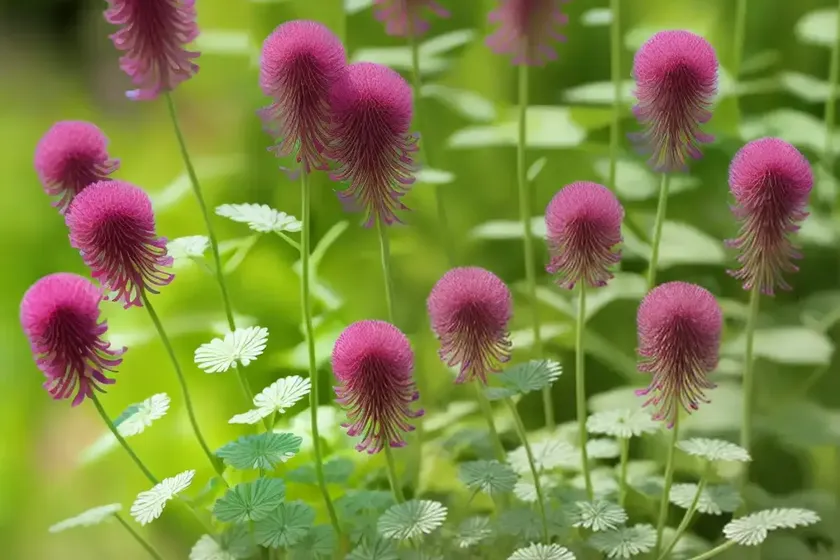
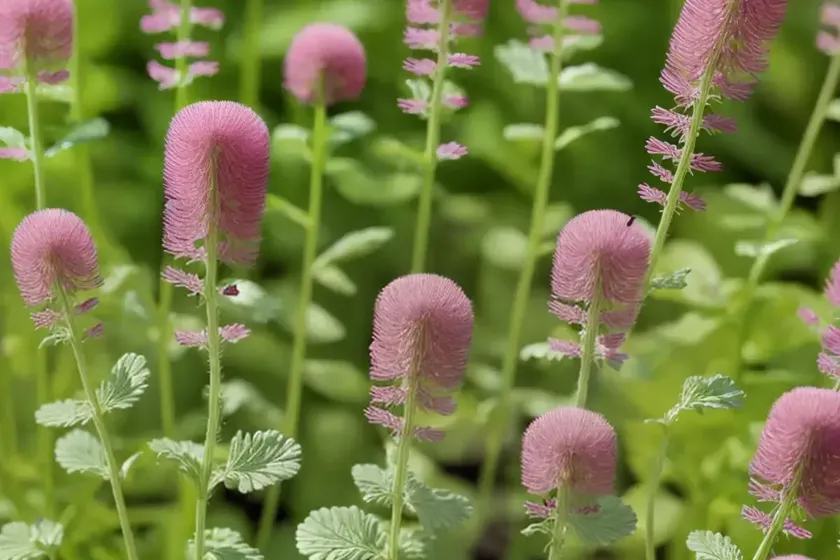
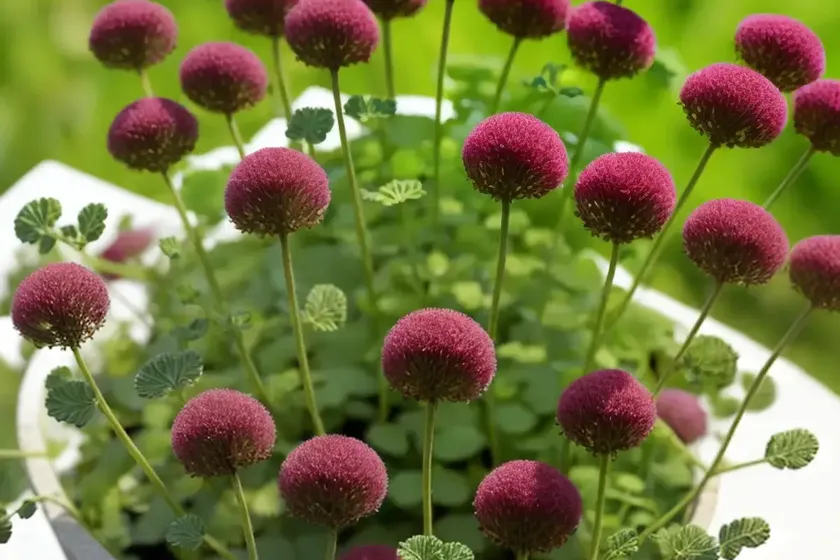
Plants have always been indispensable to human life. Not only do they provide us with food, but also with essential nutrients and medicinal properties. Salad Burnet (Poterium sanguisorba) is one such plant that has been valued for its culinary and medicinal uses for centuries. In this comprehensive guide, we will delve into the world of Salad Burnet, exploring its cultivation, uses, health benefits, and much more.
What is Salad Burnet?
Salad Burnet, scientifically known as Poterium sanguisorba, is a perennial herbaceous plant belonging to the Rosaceae family. It is native to Europe and Western Asia and is cultivated for its culinary and medicinal properties. Salad Burnet is characterized by its delicate, fern-like leaves and small, maroon-colored flowers.
Key Takeaways – Salad Burnet (Poterium sanguisorba)
Before delving into the specifics of cultivating and caring for Salad Burnet, let’s take a look at some key takeaways that we will be exploring in detail:
-
Salad Burnet Benefits: Understanding the various benefits, both culinary and medicinal, that this plant offers.
-
Poterium sanguisorba Uses: Exploring the versatile uses of Salad Burnet in different aspects of daily life.
-
Salad Burnet Plant Care: Learning about the essential care requirements for cultivating Salad Burnet.
-
How to Grow Salad Burnet: Exploring the step-by-step process of growing this herb in your garden.
-
Salad Burnet Medicinal Properties: Understanding the medicinal properties and potential health benefits of this plant.
-
Poterium sanguisorba Culinary Uses: Exploring the diverse culinary uses of Salad Burnet in various cuisines.
-
Health Benefits of Salad Burnet: Delving into the potential health advantages that consuming Salad Burnet may offer.
-
Growing Poterium sanguisorba in Your Garden: Practical tips for incorporating Salad Burnet into your home garden.
-
Salad Burnet Plant Characteristics: Understanding the unique characteristics and features of this plant.
-
Poterium sanguisorba Herbal Remedies: Exploring the traditional and modern herbal remedies associated with Salad Burnet.
Now that we have a glimpse of what lies ahead, let’s embark on our journey into the enchanting world of Salad Burnet.
Culture of Salad Burnet
Understanding the cultural requirements of Salad Burnet is essential for successfully cultivating and nurturing this herb. From suitable soil conditions to optimal sunlight exposure, let’s explore the key cultural aspects of growing Salad Burnet.
Water
Salad Burnet thrives in well-drained soils and requires regular watering to maintain soil moisture. Watering the plant once or twice a week, depending on the weather conditions, is generally sufficient. However, it is essential to avoid waterlogging, as excessive moisture may lead to root rot.
Sunlight
When it comes to sunlight requirements, Salad Burnet prefers partial shade to full sun. Providing the plant with at least 4-6 hours of sunlight per day is ideal for robust growth and to enhance the flavor of the leaves. In regions with intense summer heat, partial shade can protect the plant from scorching temperatures.
Fertilizer
As a moderately nitrogen-demanding plant, Salad Burnet benefits from a balanced fertilizer application during the growing season. A slow-release, organic fertilizer applied in early spring can provide the essential nutrients for healthy growth. Additionally, incorporating organic matter into the soil during planting can contribute to the overall fertility of the soil.
Soil
Salad Burnet thrives in well-drained, moderately fertile soil with a slightly alkaline to neutral pH range. Loamy or sandy soil types are suitable, as they allow excess moisture to drain away, preventing waterlogging. Prioritize soil preparation by ensuring good drainage to prevent root diseases and optimize plant health.
Pruning and Propagation
Proper pruning and propagation techniques are essential for maintaining the vigor of Salad Burnet and ensuring a continuous harvest. Let’s explore the recommended practices for pruning and propagating this valuable herb.
Pruning
Pruning plays a crucial role in promoting bushy growth and maintaining the overall shape of Salad Burnet plants. Regularly trim the plant to remove any yellowing or damaged leaves, encouraging fresh growth. Additionally, timely pruning can prevent the plant from flowering too early, thus extending the harvest period for the flavorful leaves.
Propagation
Salad Burnet can be propagated through seeds or division. Sowing seeds directly into the garden in early spring or fall can yield new plants. Alternatively, dividing mature plants in early spring provides an effective means of propagation. When dividing, ensure that each division has healthy roots and foliage for successful establishment.
Cultivation in Containers
While Salad Burnet can thrive in garden beds, it also fares well in container gardens, offering flexibility and convenience for urban or space-limited settings. The right container and optimal care are essential for successful cultivation of Salad Burnet in pots.
Container Selection
Select a container with adequate drainage holes to prevent waterlogging and ensure good air circulation around the roots. A medium-sized pot with a depth of at least 12 inches provides ample space for the plant to develop a strong root system. Additionally, containers with a diameter of 16-18 inches can accommodate multiple Salad Burnet plants if desired.
Soil and Watering
Use well-draining potting mix enriched with organic matter to cultivate Salad Burnet in containers. Regular watering is essential to maintain optimal soil moisture, especially during the active growing season. Monitor the soil moisture levels and adjust the watering frequency based on the plant’s needs and environmental conditions.
Sunlight
Place the container in an area that receives partial shade to full sun, ensuring that the plant receives adequate sunlight for healthy growth. In hotter climates, providing some protection from intense midday sun can prevent the plant from wilting or scorching. Container-grown Salad Burnet can also be shifted to more sheltered locations during extreme weather conditions.
Popularity of Salad Burnet
Salad Burnet has gained popularity not only for its culinary applications but also for its ornamental value in gardens and landscapes. Its delicate foliage, attractive flowers, and versatility in various dishes have contributed to its presence in home gardens and commercial herbal collections.
Culinary Uses
Salad Burnet serves as an excellent addition to salads, cold soups, and beverages, imparting a subtle cucumber-like flavor to dishes. Its fresh leaves are often used as a garnish, adding visual appeal and a unique, refreshing taste to culinary creations. The herb’s versatility in both sweet and savory recipes makes it a favorite among chefs and home cooks alike.
Medicinal Properties
In addition to its culinary uses, Salad Burnet is revered for its potential medicinal properties. From traditional herbal remedies to modern herbal medicine, the plant has been associated with various health benefits. Its astringent and diuretic properties, coupled with its rich phytochemical composition, make it a valuable herbal remedy in natural medicine practices.
Common Diseases and Pests
While Salad Burnet is generally resilient, it can be susceptible to certain diseases and pest infestations. Recognizing the signs of common ailments and implementing effective management strategies is vital for preserving the health and vigor of the plants.
Disease Diagnosis
Salad Burnet may be prone to diseases such as powdery mildew, leaf spot, and root rot, particularly in conditions of excessive humidity or poor drainage. Regularly inspect the leaves and stems for any signs of discoloration, wilting, or abnormal growth. Proper cultural practices, including adequate spacing, good air circulation, and soil drainage, can mitigate the risk of disease development.
Common Pests
Pests such as aphids, spider mites, and leaf miners can occasionally affect Salad Burnet plants. Early detection and prompt intervention, such as spraying insecticidal soap or neem oil, can help control pest populations. Additionally, encouraging natural predators such as ladybugs and lacewings can contribute to biological pest control in the garden.
Botanist’s Tips for Successful Cultivation
As a plant enthusiast and botanist, I have gathered some valuable tips for successful cultivation and utilization of Salad Burnet. These insights are based on practical experience and a deep appreciation for the botanical wonders that this herb offers.
-
Seasonal Care: Adjust watering frequency and fertilization based on seasonal variations, ensuring that the plants receive adequate care throughout the year.
-
Companion Planting: Consider incorporating Salad Burnet into companion planting schemes to enhance the overall health and productivity of neighboring plants. Its pest-repelling properties can benefit nearby crops.
-
Harvesting Techniques: Employ gentle harvesting methods to collect the tender leaves, ensuring that the plant continues to produce fresh foliage. Regular harvests can promote compact growth and prevent the plant from becoming leggy.
-
Environmental Adaptability: Explore the adaptability of Salad Burnet to different environmental conditions, recognizing its resilience and capacity to thrive in diverse settings.
Fun Facts about Salad Burnet
To further appreciate the allure of Salad Burnet, here are some intriguing and lesser-known facts about this remarkable herb:
-
Heritage Plant: Salad Burnet has a rich heritage, with historical references dating back to medieval and Renaissance gardens, where it was valued for its ornamental and culinary uses.
-
Traditional Symbolism: In folklore and traditional beliefs, Salad Burnet was associated with diverse symbolism, often linked to themes of vitality, protection, and purification.
-
Nectar Source: The delicate flowers of Salad Burnet serve as a valuable nectar source for pollinators, contributing to the biodiversity of garden ecosystems.
-
Crafting Herbal Teas: The leaves of Salad Burnet can be dried and brewed to create a refreshing herbal tea, offering a delightful alternative to traditional tea varieties.
Links to External Resources
To further expand your knowledge and explore the world of Salad Burnet, here are some valuable external resources that offer detailed insights into its cultivation, culinary uses, and health benefits:
- European Medicines Agency: Herbal Monograph on Poterium sanguisorba L., Herba (PDF)
- Royal Horticultural Society: Salad Burnet
- Plants for a Future: Poterium sanguisorba – (L.)Gaertn.
- USDA National Resources Conservation Service: Poterium sanguisorba L. (salad burnet)
Conclusion
As we conclude our exploration of Salad Burnet (Poterium sanguisorba), we have uncovered the remarkable cultural, culinary, and medicinal significance of this herb. From its delicate foliage and subtle flavor to its potential health benefits, Salad Burnet remains a captivating subject for plant enthusiasts, herbalists, and culinary aficionados alike.
By understanding its diverse uses, implementing appropriate cultivation practices, and appreciating its historical and cultural significance, we can embrace the timeless allure of Salad Burnet and integrate it into our daily lives. Whether utilized in salads, herbal remedies, or ornamental plantings, Salad Burnet continues to captivate our senses and enrich our connection with the natural world. As we nurture and celebrate this extraordinary herb, we further honor the timeless traditions and bountiful gifts that nature bestows upon us.
So, as you embark on your journey with Salad Burnet, may its tender leaves and delicate flowers inspire a deeper appreciation for the beauty and abundance of the botanical world.
Plant Name: “Salad Burnet (Poterium sanguisorba)”


